UNESCO Headquarters Paris: Modernism and Global Culture
Guided tours, modern architecture and internationally sourced art make UNESCO’s Paris headquarters a rewarding institutional visit.
More photos
Photos published by travelers on Google, not AI generated.
What stands out
- Guided insight into UNESCO’s global mission
- Post-war modernist architecture
- Art representing different nations
- Gardens and possible Eiffel Tower views
Worth knowing
- Access to interior spaces may vary
- Reports of litter and animal waste near the gate
Don't miss
What comes up most in public reviews
- Take a guided tour
- Study the modernist headquarters architecture
- Ask about UNESCO’s history and global mission
Worth the trip?
Why visit UNESCO in Paris?
UNESCO’s headquarters is a working international institution rather than a conventional Paris museum, but public feedback suggests that its architecture, art and global mission give it genuine visitor appeal. The listing holds a Google rating of 4.5 from 2774 reviews, with the supplied comments particularly positive about guided access and the chance to understand UNESCO’s work.
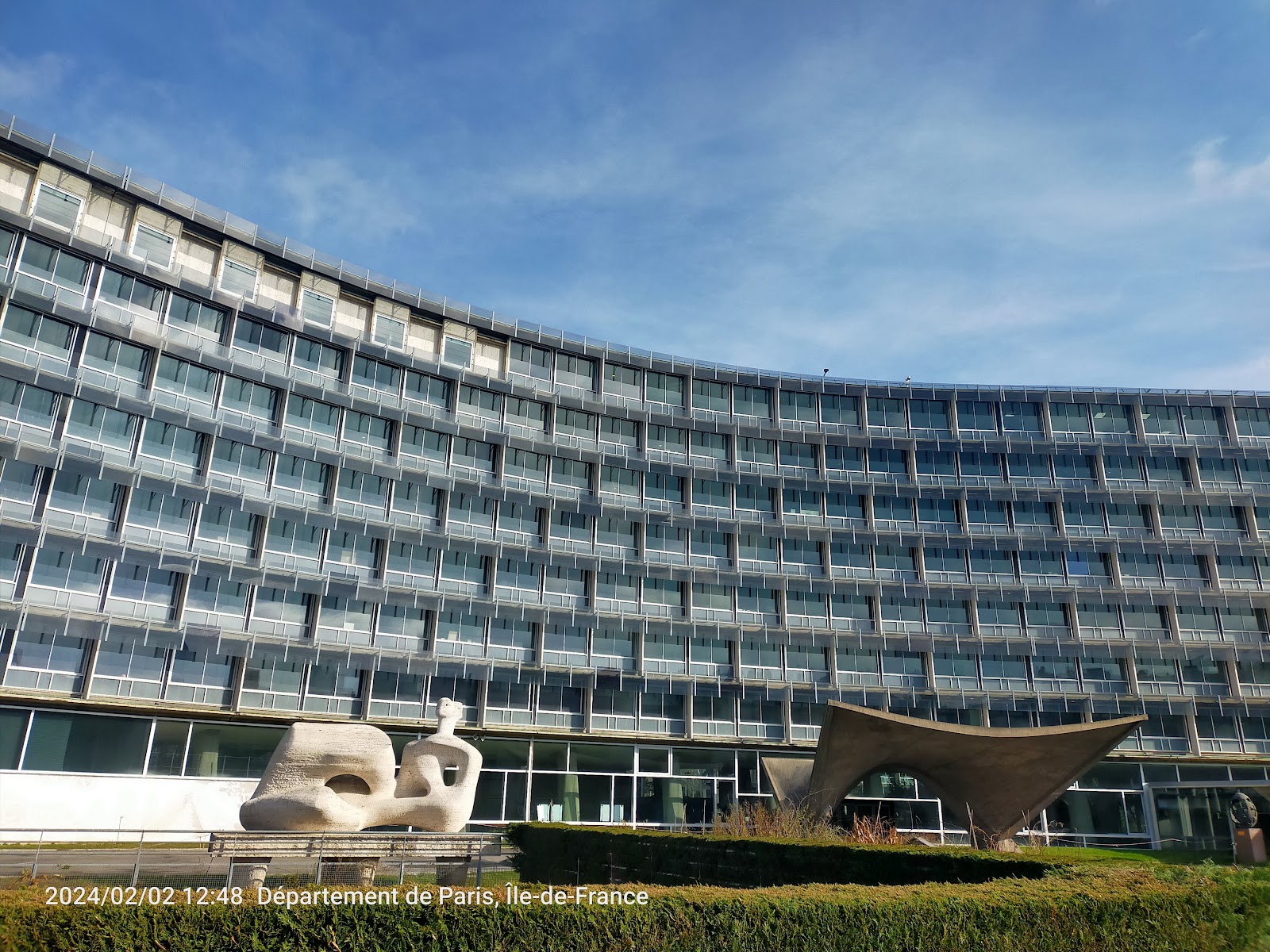
At 7 Place de Fontenoy, the headquarters offers a markedly modern counterpoint to the historic monuments associated with central Paris. Reviewers describe the building as an important example of post-war modernism and international collaboration. For travellers interested in design, diplomacy, education or cultural heritage, that combination can make the visit feel more substantial than a quick look at an office exterior.
The guided-tour experience
Guided tours emerge as the clearest reason to visit. Reviewers praise the opportunity to learn about UNESCO’s history and worldwide mission, while one visitor specifically appreciated an enthusiastic guide who answered questions. The quality of a visit therefore appears closely tied to tour access and interpretation rather than casual sightseeing alone.
One Saturday visitor reported being able to enter the conference venue, describing it as a highlight. That experience should not be treated as guaranteed, since access within an active institutional building may vary. Still, it indicates the kind of behind-the-scenes perspective that can distinguish a guided visit from simply passing the headquarters.
The reviews also point to art and cultural material representing different nations, displayed in the garden and elsewhere around the site. This international collection reinforces the building’s purpose and gives visitors more to consider than architecture alone.
Gardens, views and design
Outdoor areas add another dimension. One reviewer highlights a small garden with vegetables, including cucumbers, tomatoes and pumpkins, as well as a Japanese garden with seating. The same account mentions views towards the Eiffel Tower from the garden and dining room. These details are appealing, although they come from a limited part of the supplied feedback and may depend on which spaces are included during a particular visit.
The more consistent theme is the contrast between UNESCO’s modern design and the surrounding Parisian cityscape. Visitors with an interest in 20th-century architecture are likely to get the most from looking closely at the building’s form and considering how it reflects the organization’s international outlook.
What to know before going
Public sentiment in the supplied reviews is strongly favourable, but the immediate surroundings draw criticism. One visitor reports urine, animal waste and rubbish near the headquarters gate. That complaint concerns street-level cleanliness rather than the tour itself, yet it may affect first impressions.
Overall, the headquarters works best for travellers prepared to engage with its institutional story. A guided tour appears far more rewarding than an exterior-only stop, especially when it includes discussion of UNESCO’s history, global mission, modern architecture and internationally themed artworks. Any access to conference rooms, gardens or Eiffel Tower views is best regarded as a welcome possibility rather than a certainty.
Plan the rest of the trip
Ask anything
Looking for somewhere else?
Keep exploring around Paris
More from France
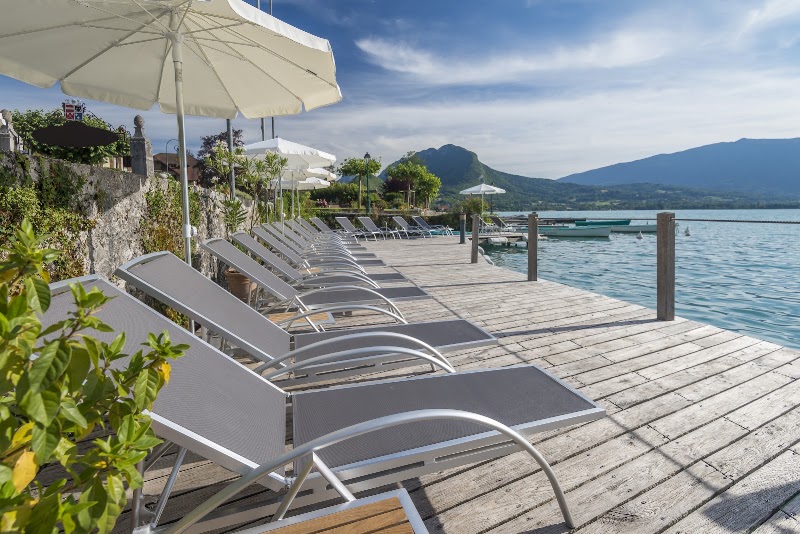
France · Talloires-Montmin
Abbaye de Talloires: Lakeside History with a Strong Sense of Place
Public reviews praise the abbey’s Lake Annecy setting, spa and character, while service and restaurant experiences are less consistent.
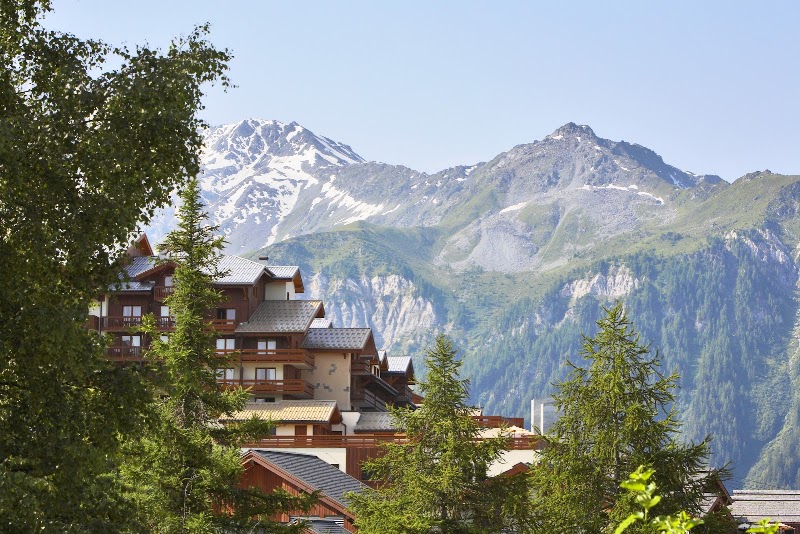
France · Peisey-Nancroix
Club Med Peisey-Vallandry: Ski Access and Family Activity
Public reviews point to a well-run Alpine resort with excellent ski access, broad activities and strong staff, though arrival and reception service can be uneven.
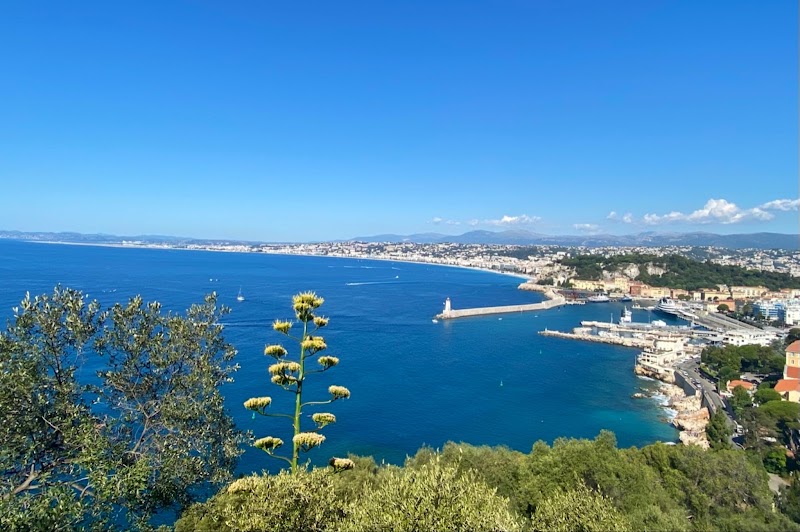
France · Villefranche-sur-Mer
Boulevard Napoléon III Viewpoint, Villefranche-sur-Mer
A compact roadside viewpoint with wide blue-coast views over the beach, boats and city, plus a few practical limits around parking and space.
France · Saint-Cirq-Lapopie
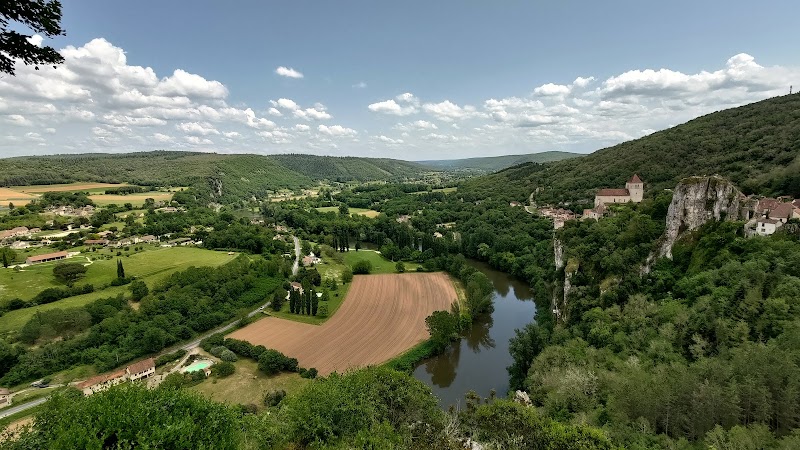
Vènes Cirque Lookout Point: Wide Views Over the Lot Valley
This roadside viewpoint near Saint-Cirq-Lapopie draws strong reviews for its clear views, though limited parking and cautious access shape the visit.