Umm el-Jimal: Jordan’s compelling basalt frontier town
Roman military remains, Byzantine churches and basalt houses make this quiet UNESCO site a rewarding stop in northern Jordan.
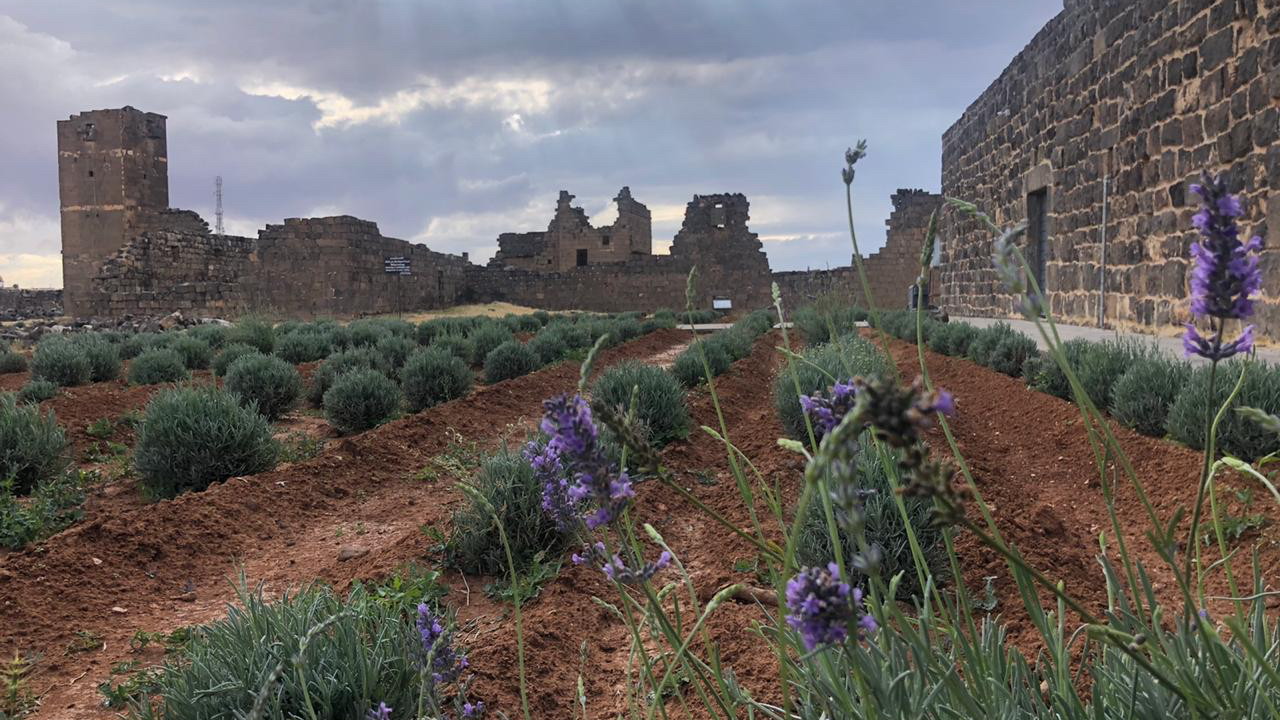
More photos
Photos published by travelers on Google, not AI generated.
What stands out
- Dark volcanic-stone ruins
- Roman, Byzantine and Umayyad layers
- Remarkably preserved churches and houses
- Quiet, uncrowded atmosphere
- Informative visitor centre
Worth knowing
- Some information boards may be faded
- Ruins can be difficult to interpret alone
- Staffing and guide availability may vary
Don't miss
What comes up most in public reviews
- Roman castellum and military remains
- Western-side bathhouse
- Byzantine churches and houses
- Visitor centre exhibits
- An official guided tour, if available
Worth the trip?
The verdict
Umm el-Jimal earns a Google rating of 4.4 from 489 reviews, with visitors repeatedly praising its atmosphere, historical range and relative lack of crowds. The archaeological site stands apart from the more familiar image of a Roman city. Rather than broad avenues, theatres and monumental colonnades, travellers encounter dense volcanic-stone ruins shaped by military, domestic and religious use across several periods.
Public feedback presents Umm el-Jimal as one of northern Jordan’s most absorbing historical stops, particularly for travellers already exploring the desert castle circuit. Its appeal lies less in a single showpiece than in the accumulated detail of the settlement. Roman military structures sit alongside Byzantine churches and houses, while later Umayyad buildings add another layer to the story.
What visitors find on site
Reviews distinguish between the Roman military zone on the western side and the more civilian character of the eastern area. The western remains include a castellum and bathhouse, features that help place Umm el-Jimal within the frontier landscape of the Roman world. Elsewhere, preserved churches, homes and later buildings show how the settlement continued to evolve beyond its military beginnings.
Several visitors comment on how unusual the ruins look. The dark volcanic stone gives the town a stark, coherent appearance, while the surviving walls make parts of the ancient settlement easier to read than a field of low foundations. At the same time, the absence of classic Roman planning can make the site harder to interpret without context.
The visitor centre receives positive mentions for its informative layout. One review also praises its handicraft shop and staff. These facilities provide a useful starting point before entering the ruins, especially for travellers unfamiliar with the different periods represented across the site.
Interpretation and guiding
The strongest practical theme in the reviews is the value of a guide. One traveller describes an official guided visit lasting around an hour and a half and credits the guide with identifying details that would otherwise have been missed. That experience suggests the site rewards explanation rather than a quick, unsupported walk among the walls.
Interpretation across the ruins appears less consistent. A visitor reported faded information boards and found no staff or other visitors during the trip. That account predates the site’s current UNESCO World Heritage status, so conditions may have changed, but it remains sensible to begin at the visitor centre and ask what guiding or interpretive material is available that day.
Who should make the trip
Umm el-Jimal is best suited to history-focused travellers, archaeology enthusiasts and visitors seeking a quieter alternative to Jordan’s busiest ancient sites. The combination of Roman, Byzantine and Umayyad remains offers substantial historical depth, while the uncrowded setting can create a strong sense of place.
It is not presented in reviews as a polished attraction filled with obvious landmarks or extensive on-site explanation. Independent visitors may need time, background reading or a guide to understand the layout. For those willing to look closely, the basalt architecture, frontier military remains and preserved religious and domestic buildings make Umm el-Jimal a highly worthwhile northern Jordan stop.
Plan the rest of the trip
Ask anything
Looking for somewhere else?
Keep exploring around Umm el-Jimal
More from Jordan
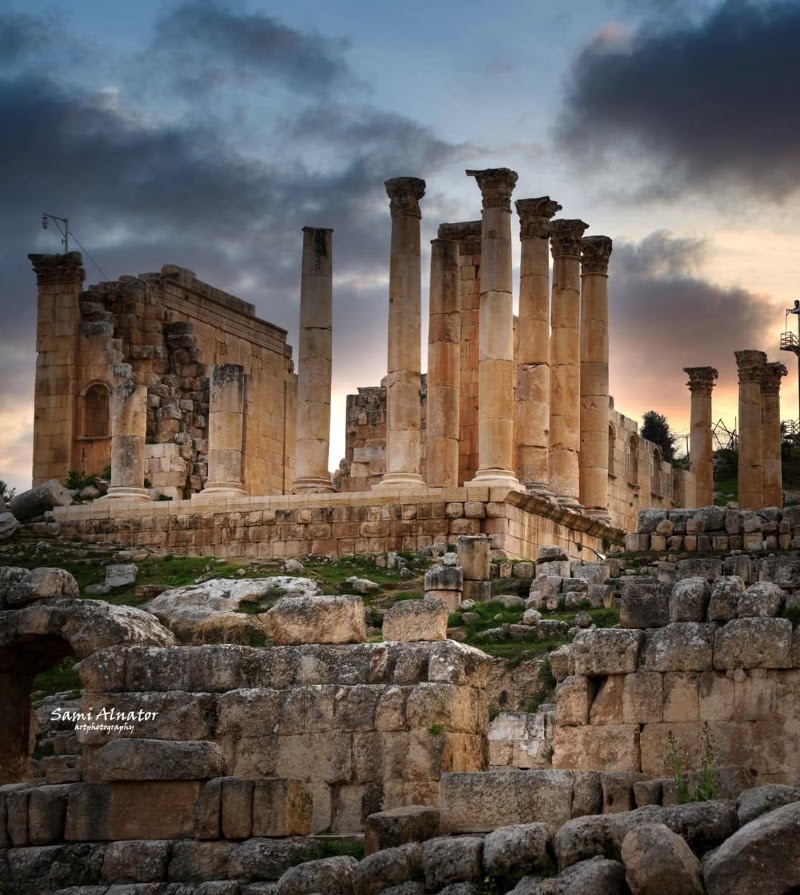
Jordan · Jarash
Temple of Zeus: Monumental Ruins Above Ancient Jerash
Massive Roman columns, layered history and broad views over Jerash make this ruined temple one of the ancient city’s most striking landmarks.

Jordan · Amman
Umayyad Palace: Amman Citadel’s Standout Landmark
A well-preserved, partly restored palace complex combining Islamic architecture, layered history and wide views across Amman.
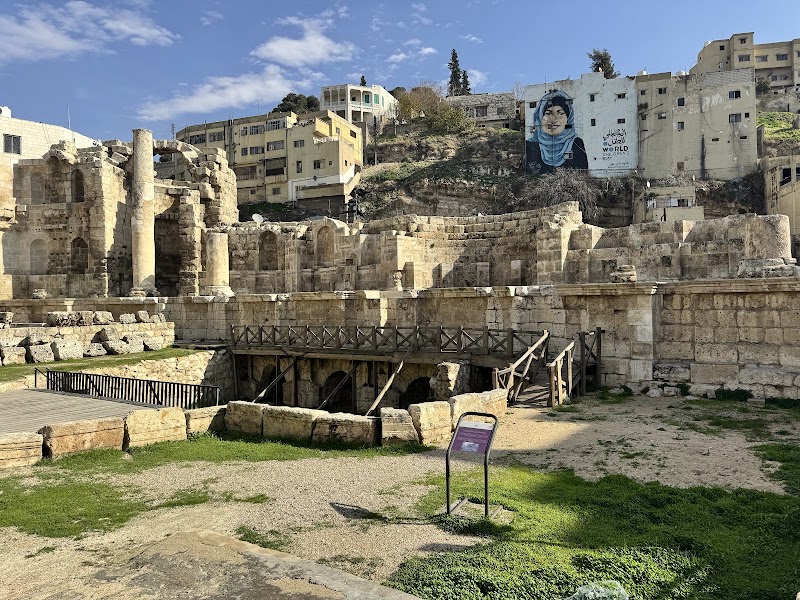
Jordan · Amman
Roman Nymphaeum: a compact stop in downtown Amman
Ancient remains and a central setting make this a worthwhile short stop, although uncertain access and the busy surroundings can affect the visit.
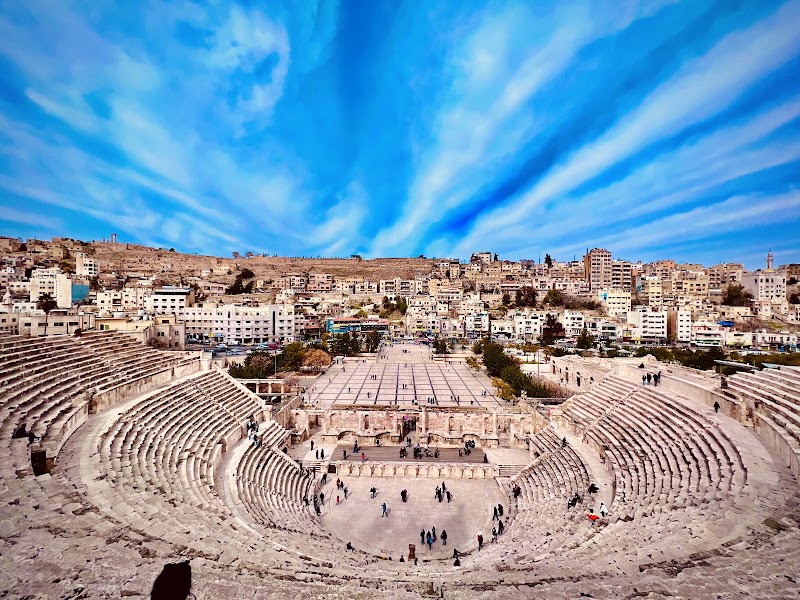
Jordan · Amman
The Hashemite Plaza: Amman’s Roman Theater Forecourt
A broad downtown gathering space offering gardens, casual refreshments and memorable views of Amman’s Roman Theater.