Umayyad Palace: Amman Citadel’s Standout Landmark
A well-preserved, partly restored palace complex combining Islamic architecture, layered history and wide views across Amman.
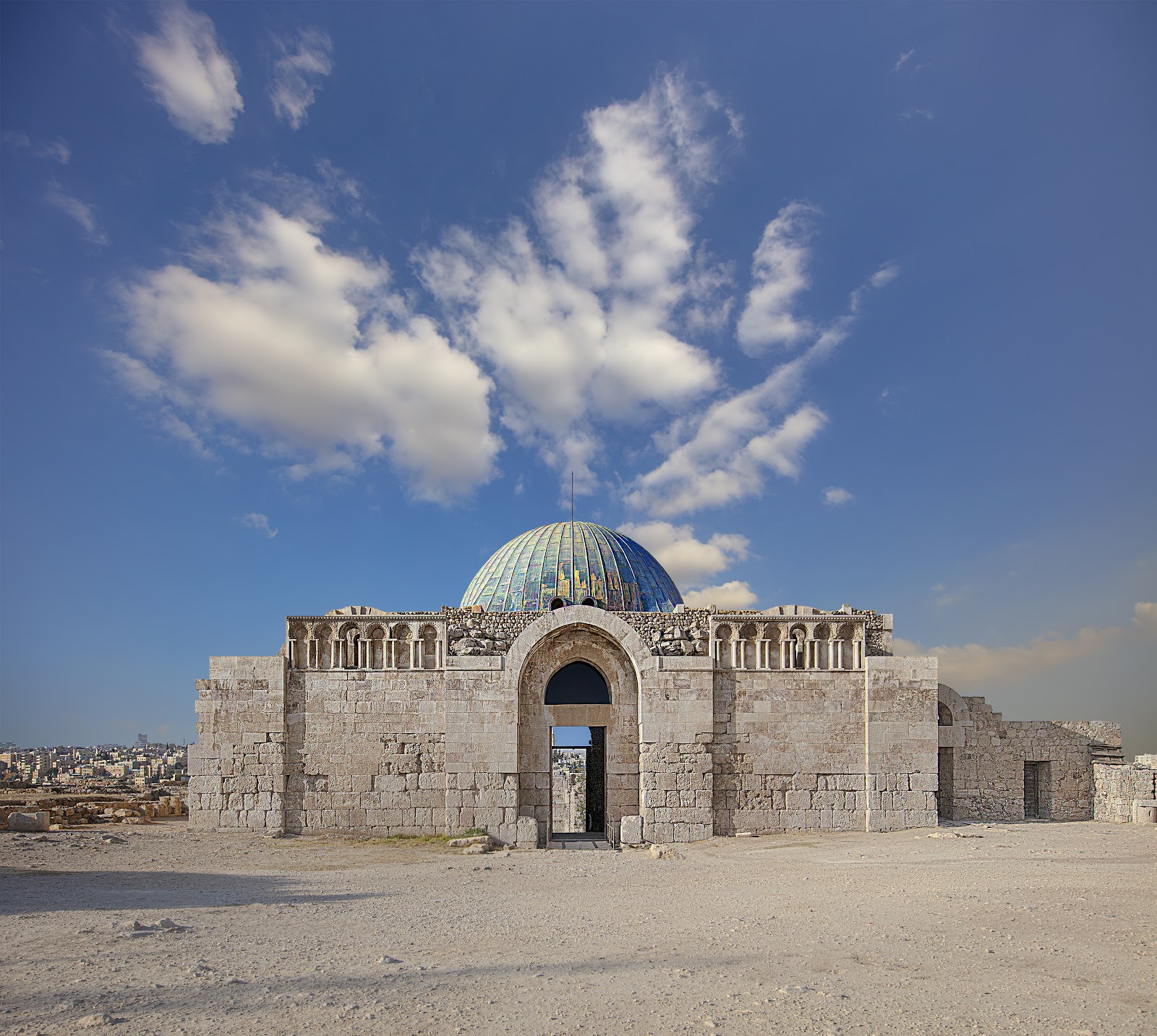
More photos
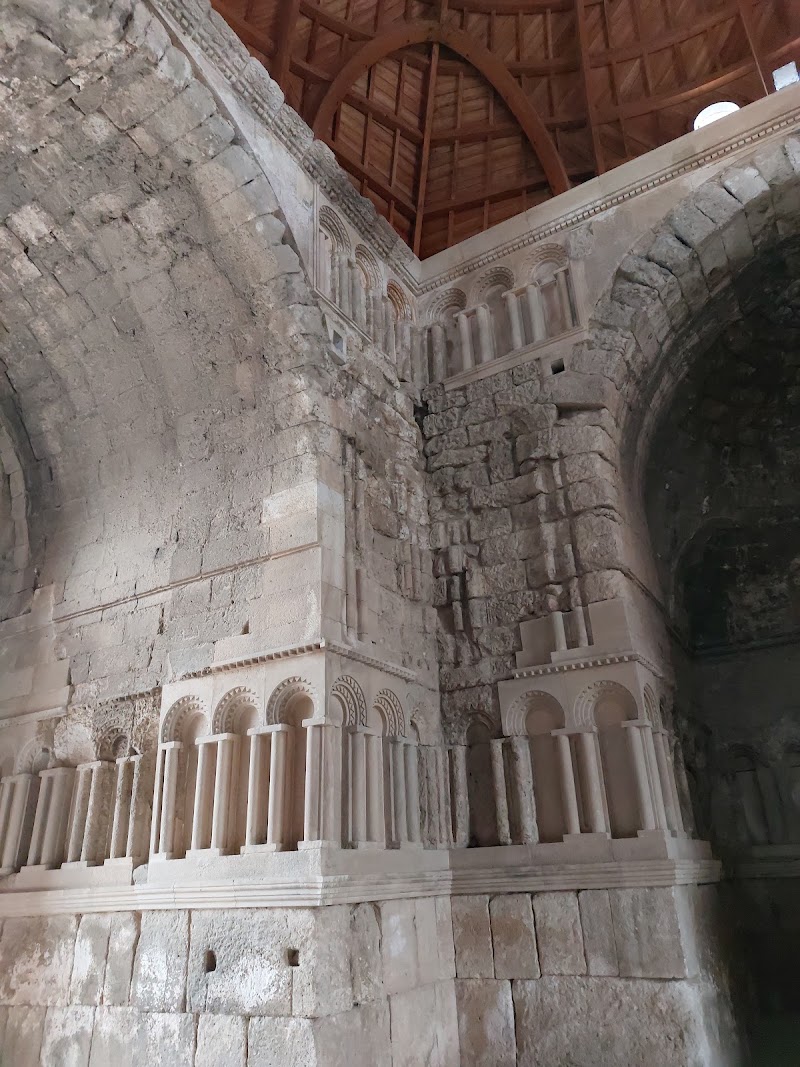
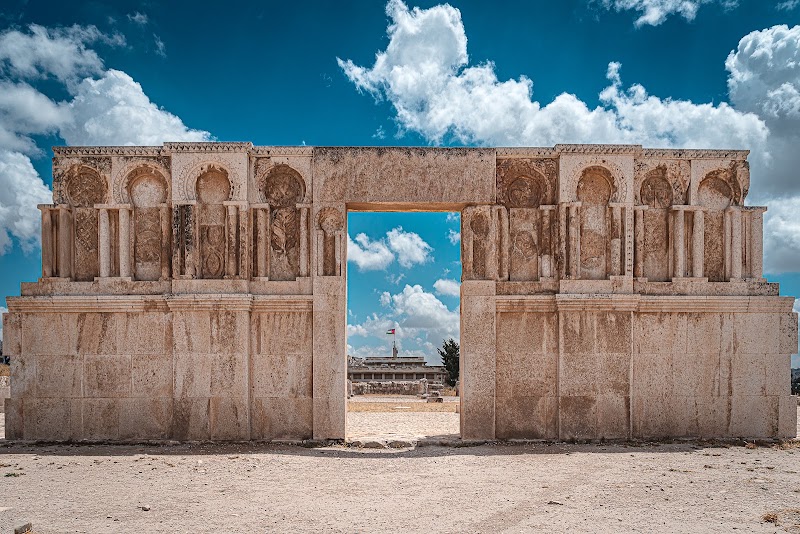
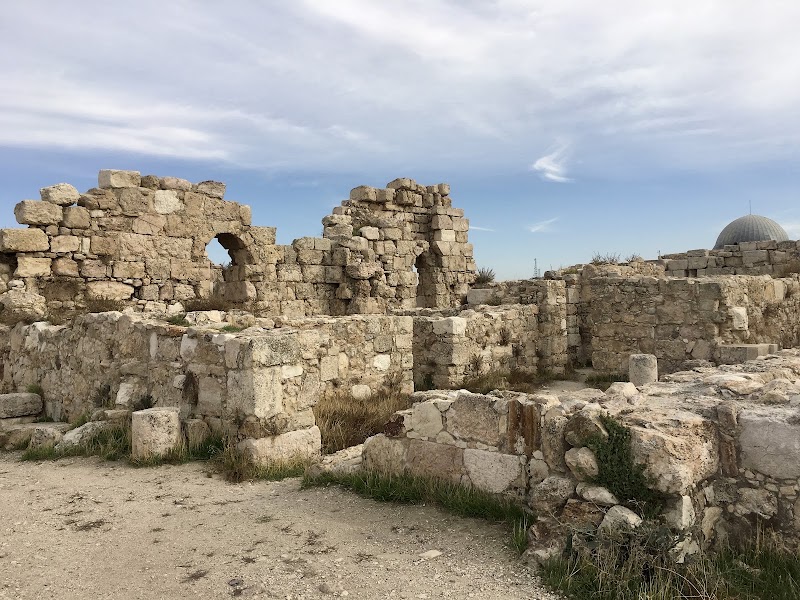

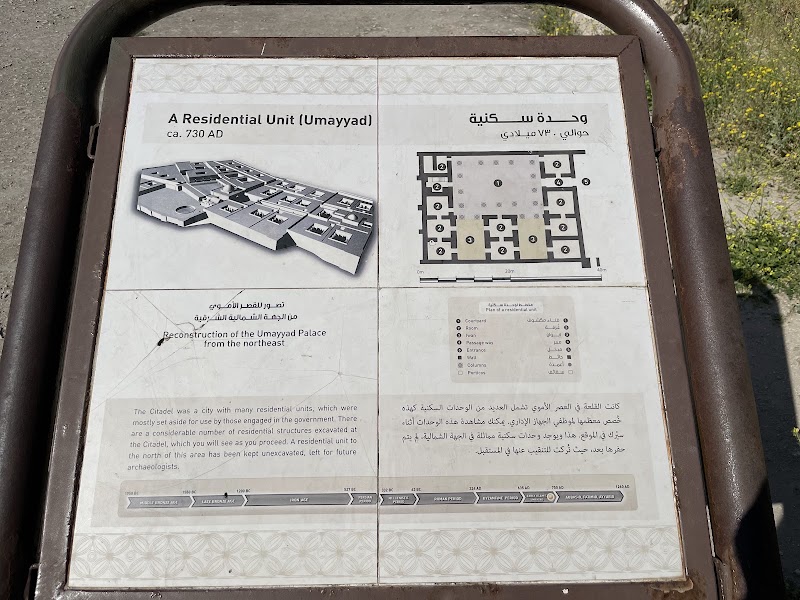
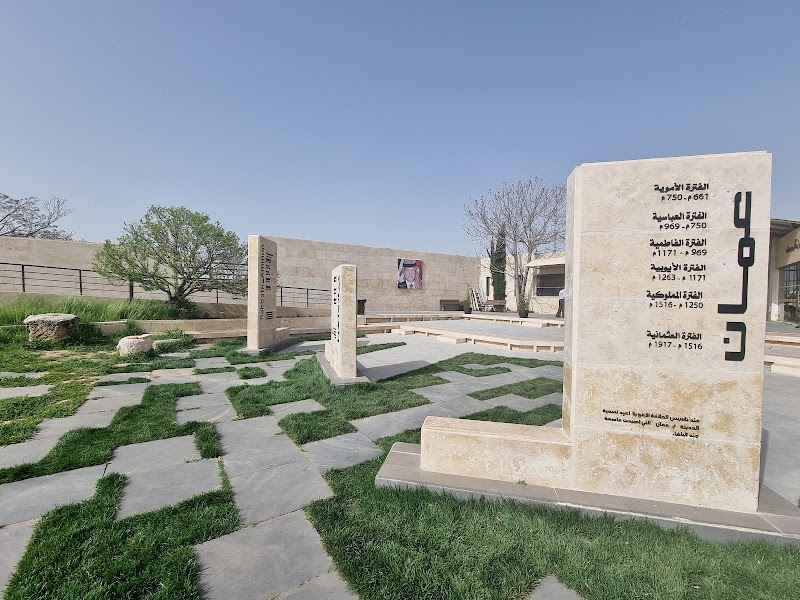
Photos published by travelers on Google, not AI generated.
What stands out
- Well-preserved palace structure
- Distinctive domed audience hall
- Cool, ventilated interior
- Panoramic views across Amman
- Roman, Byzantine and Umayyad layers
Worth knowing
- Some sections are heavily restored
- Limited informational plaques
- Occasional rubbish around the complex
Don't miss
What comes up most in public reviews
- The ventilated palace walls
- Views from Jabal al-Qala
- Signs identifying different historical eras
- The Citadel museum
Worth the trip?
Why it stands out
Umayyad Palace is one of the principal landmarks within the Amman Citadel complex on Jabal al-Qala. Synthesizing its Google rating of 4.6 from 571 reviews, visitors most often praise its state of preservation, distinctive architecture and place within Amman’s long, layered history.
Reviewers commonly describe it as the best-preserved building at the Citadel. Its surviving walls and reconstructed elements help convey the scale and ambition of the original palace, even though parts of the site have been heavily restored. Rather than approaching it as an untouched ruin, visitors may find it more rewarding to consider how the restoration makes the structure and its architectural ideas easier to read.
Architecture and atmosphere
The domed audience hall is the visual focus. Public reviews repeatedly highlight its unusual dome design, ventilated walls and cool interior, which offers a welcome pause from walking around the exposed Citadel grounds. Several visitors also value the space as somewhere quiet to stop, look closely at the masonry and reflect on the wider setting.
The architecture is particularly interesting for travellers curious about early Islamic design. Reviews point to the dome and ventilation system as defining features, while the condition of the building makes it easier to imagine how the palace complex once functioned. The contrast between the enclosed hall and the open archaeological landscape outside adds to the experience.
A wider Citadel visit
The palace is best seen as part of a broader circuit through the Amman Citadel. Reviews appreciate being able to move between remains associated with different periods, including Roman, Byzantine and Umayyad history. Signs around the complex identify some of these layers, although several visitors would prefer more extensive interpretation.
Jabal al-Qala also provides broad views over Amman and is frequently mentioned as a strong photography location. The palace itself, the surrounding stonework and the city spreading across the hills create varied compositions. One November visitor also noted lizards sunning themselves on the stones and lemons still on a nearby tree, a small seasonal detail rather than a guaranteed sighting.
The Citadel museum can add context, though at least one reviewer found the outdoor signs useful when time did not allow for a museum visit. Travellers with a strong interest in archaeology should leave enough time for both rather than treating the palace as a quick standalone stop.
Practical verdict
The site suits first-time Amman visitors, architecture enthusiasts and travellers looking for a compact introduction to the city’s successive historical eras. Reviews indicate that parking is available near the Citadel complex, but conditions and availability may vary.
The main reservations concern limited informational plaques and occasional rubbish in corners of the archaeological area. Neither issue appears to outweigh the palace’s appeal, but visitors wanting detailed historical interpretation may benefit from combining the signs with the museum. Overall, the strong public rating is consistent with a landmark valued for architecture, preservation and city views.
Ask anything
Looking for somewhere else?
Keep exploring around Amman
More from Jordan
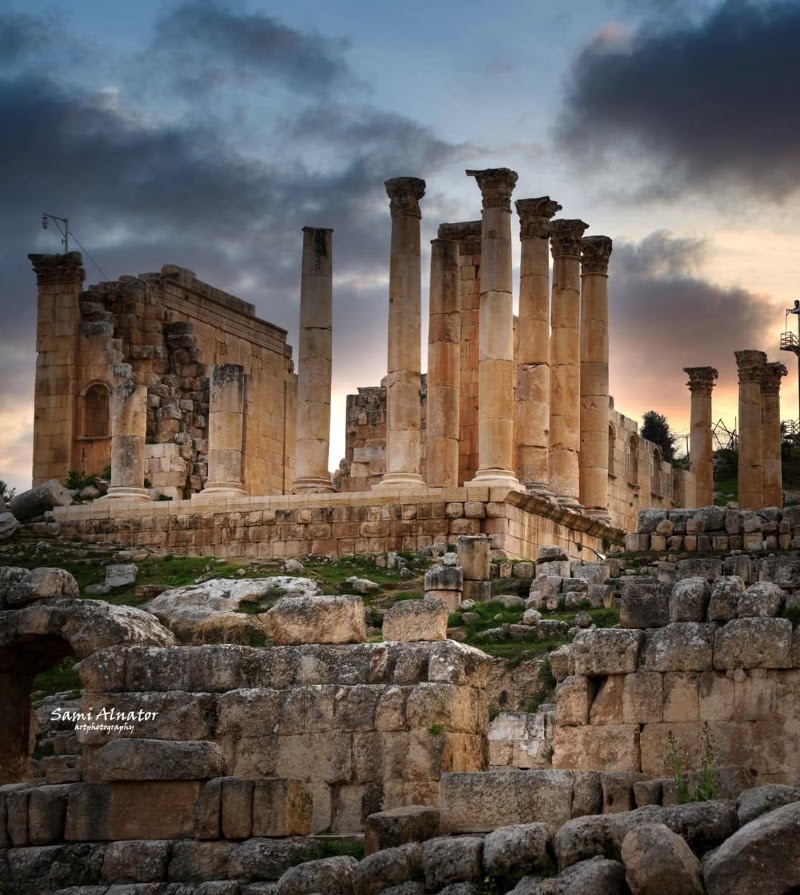
Jordan · Jarash
Temple of Zeus: Monumental Ruins Above Ancient Jerash
Massive Roman columns, layered history and broad views over Jerash make this ruined temple one of the ancient city’s most striking landmarks.
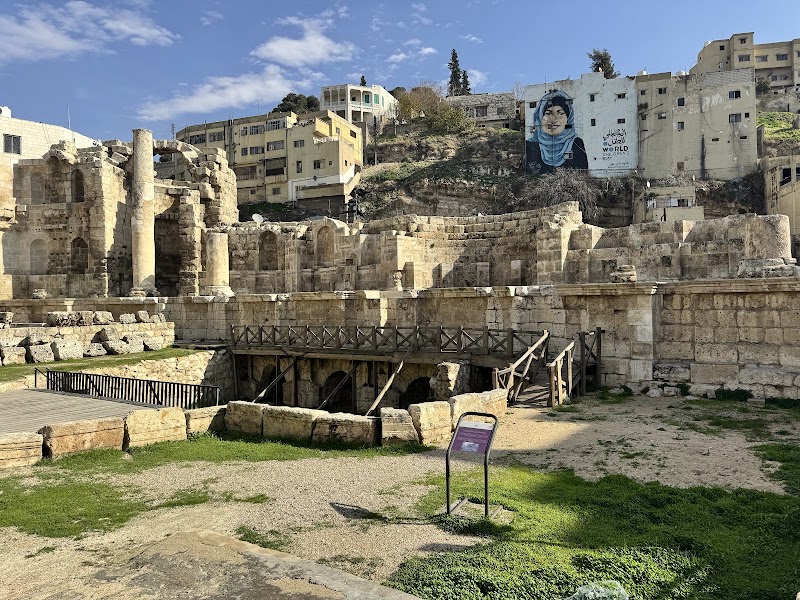
Jordan · Amman
Roman Nymphaeum: a compact stop in downtown Amman
Ancient remains and a central setting make this a worthwhile short stop, although uncertain access and the busy surroundings can affect the visit.
Jordan · Amman
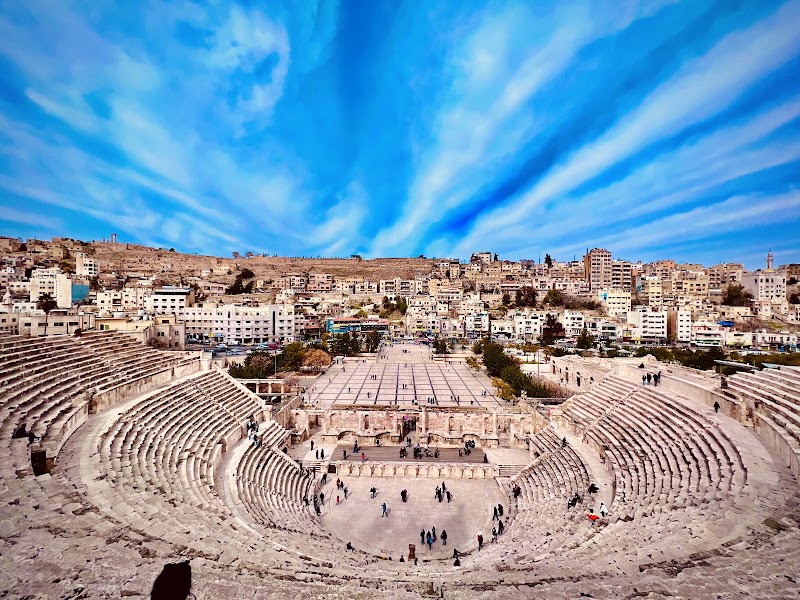
The Hashemite Plaza: Amman’s Roman Theater Forecourt
A broad downtown gathering space offering gardens, casual refreshments and memorable views of Amman’s Roman Theater.
Jordan · Jerash
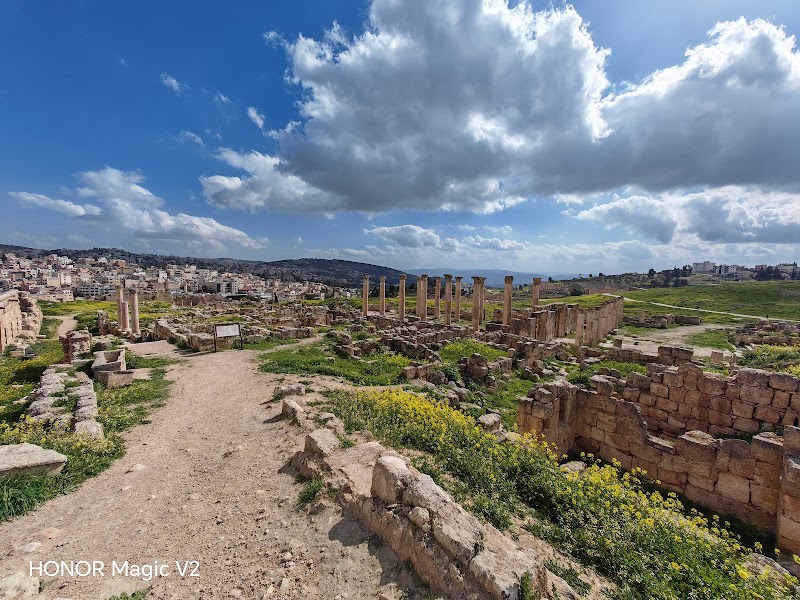
Jerash Ancient City Ruins: Monumental Roman Jordan
Vast plazas, theaters, temples and colonnaded streets make Jerash one of Jordan’s most rewarding archaeological attractions.