Uluṟu-Kata Tjuṯa National Park rewards a slower visit
Public reviews describe a powerful landscape shaped by changing light, Anangu culture and walks that deserve more than a rushed stop.
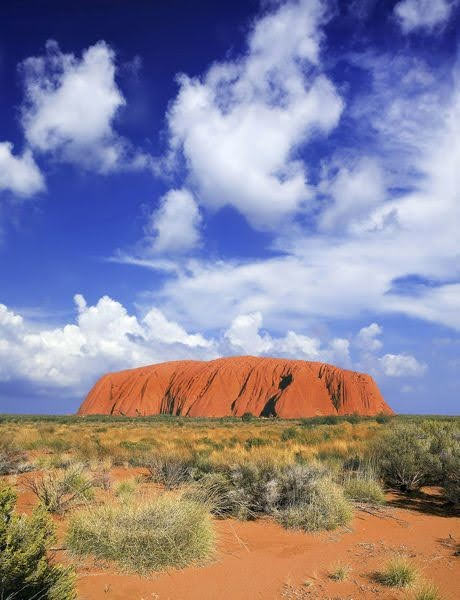
More photos
Photos published by travelers on Google, not AI generated.
What stands out
- Uluru’s changing red colours
- Kata Tjuṯa rock formations
- Peaceful, spiritual atmosphere
- Walks through a vast landscape
- Anangu culture and history
Worth knowing
- Do not rush the visit
- Check trail maps and sensitive areas
- Plan tickets and entrance access online
Don't miss
What comes up most in public reviews
- Sunrise at Uluru
- Sunset at Uluru
- Walks around the rock formations
- Check the park’s trail maps
- Learn about Anangu stories and history
Worth the trip?
Why travellers rate it so highly
Uluṟu-Kata Tjuṯa National Park has a 4.8 rating from 3,695 Google reviews. The pattern is clear: visitors come for the scale of Uluru and Kata Tjuṯa, then leave talking about the atmosphere, changing colours and cultural importance.
Several reviews describe the park as far more affecting than expected. One visitor said the experience exceeded the picture they had imagined and planned to return for longer. Others call the landscape peaceful, spiritual and difficult to capture in photographs. That sense of scale is central to the appeal. Uluru does not read as a quick viewpoint stop. It needs time.
What the public reviews highlight
Uluru’s red surface and the surrounding formations change noticeably with the light. Sunrise and sunset receive specific praise, with reviewers recommending both. The colours are a major part of the experience, but the setting carries more weight than scenery alone. Public reviews repeatedly refer to the deep cultural and spiritual significance of the land to the Anangu people.
Reviewers also describe the park as a place of ancient stories and history. That context matters. The strongest visits appear to combine looking, walking and learning rather than treating Uluru as a single photo opportunity. The landscape is impressive, but the cultural meaning gives the visit its depth.
Planning the visit
The park is described as organised, with parking areas separated for buses and cars. One review recommends buying tickets online and scanning them at the entrance. That review also says the ticket is valid for three days, giving visitors room to spread walks and viewing times across a longer stay.
Maps of the trails and information about sensitive areas are worth checking before arrival. This is especially important for visitors planning to walk. The reviews do not suggest rushing through the park. A longer visit allows time for changing light, trail conditions and the quiet atmosphere that many travellers value.
Who should go
Uluṟu-Kata Tjuṯa National Park suits travellers seeking a major natural and cultural attraction rather than a tightly scheduled sightseeing stop. Couples, families and independent visitors can all find something here, provided they allow enough time to absorb the setting.
The public response is unusually consistent: the formations are stunning, the walks are memorable and the experience can feel profound. Sunrise and sunset should anchor the itinerary. Online ticketing, trail maps and guidance on sensitive areas should be handled before entering the park.
The main watch-out is pace. A short stop may show the colours, but it risks missing the stillness and cultural depth that reviewers consider central to the visit.
Plan the rest of the trip
Ask anything
Looking for somewhere else?
Keep exploring around Uluru
More from Australia
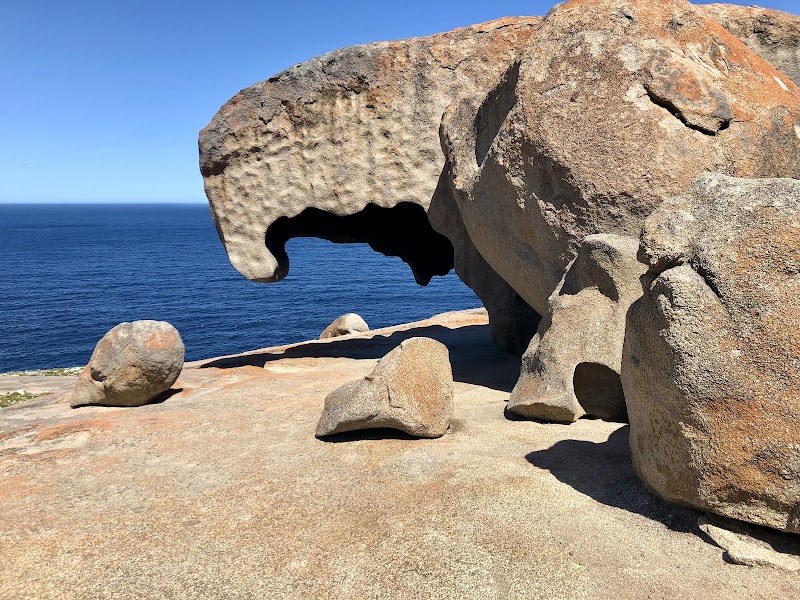
Australia · Flinders Chase
Remarkable Rocks: A Wild, Walkable Kangaroo Island Landmark
Remarkable Rocks combines sculptural granite formations, open coastal views and an accessible boardwalk in Flinders Chase, Australia.
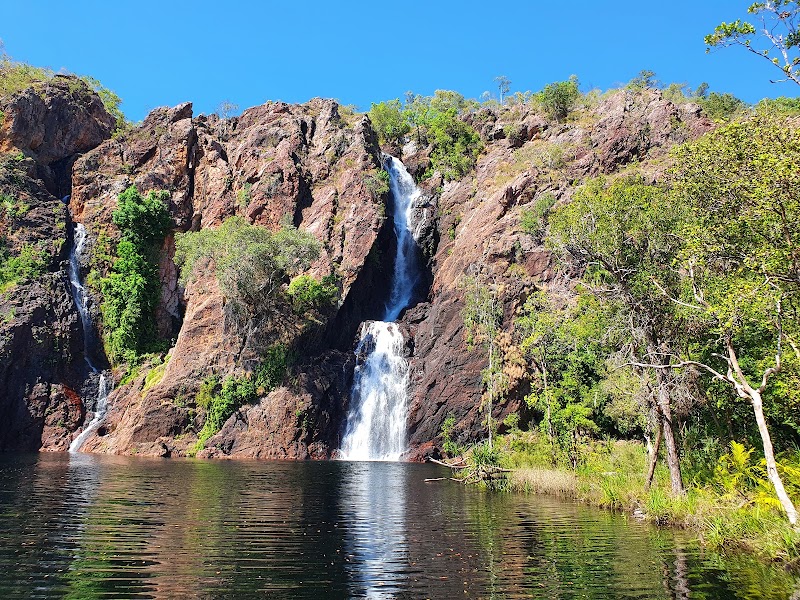
Australia · Litchfield Park
Litchfield National Park: Waterfalls, Pools and Easy Escape
Public reviews rate Litchfield National Park highly for its waterfalls, swimming spots, green wetlands and accessible day-trip appeal from Darwin.
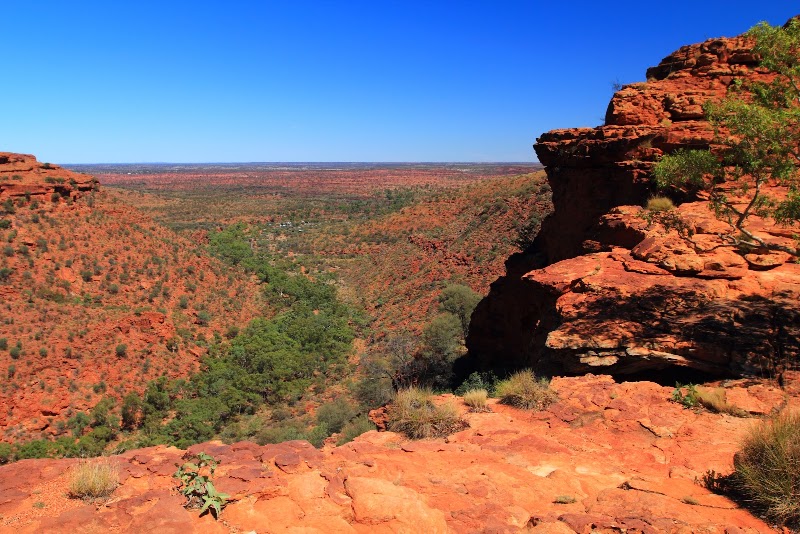
Australia · Petermann
Kings Canyon: A Rewarding Walk Through Red Rock Country
Kings Canyon’s rim delivers dramatic cliffs, broad views and the tranquil Garden of Eden, with a steep opening climb that demands steady effort.
Australia
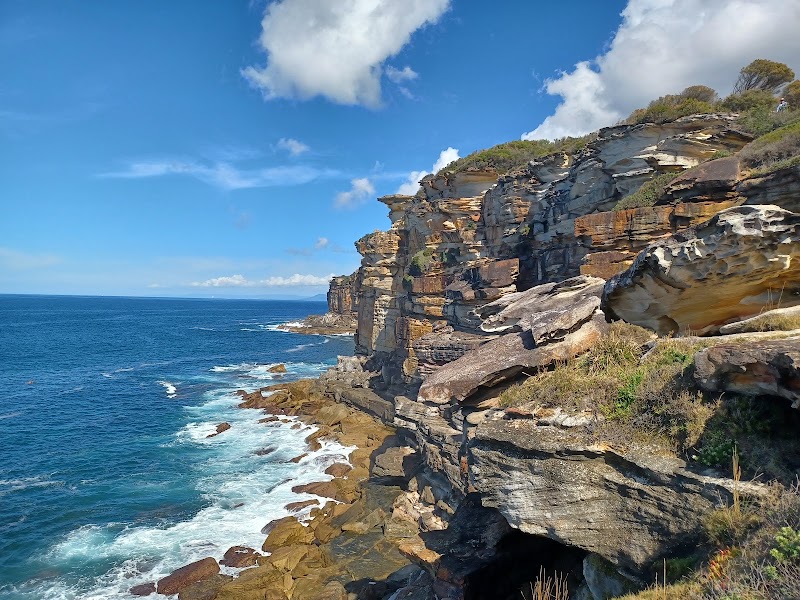
Royal National Park for Quiet Walks, Beaches and Waterfalls
Public reviews point to a peaceful, accessible national park with coastal trails, Wattamolla Falls, beaches and chances to spot kangaroos.