Tuol Sleng: Phnom Penh’s Most Sobering Museum
A profoundly confronting museum where prisoner photographs, preserved spaces and personal accounts document the horrors of S-21.
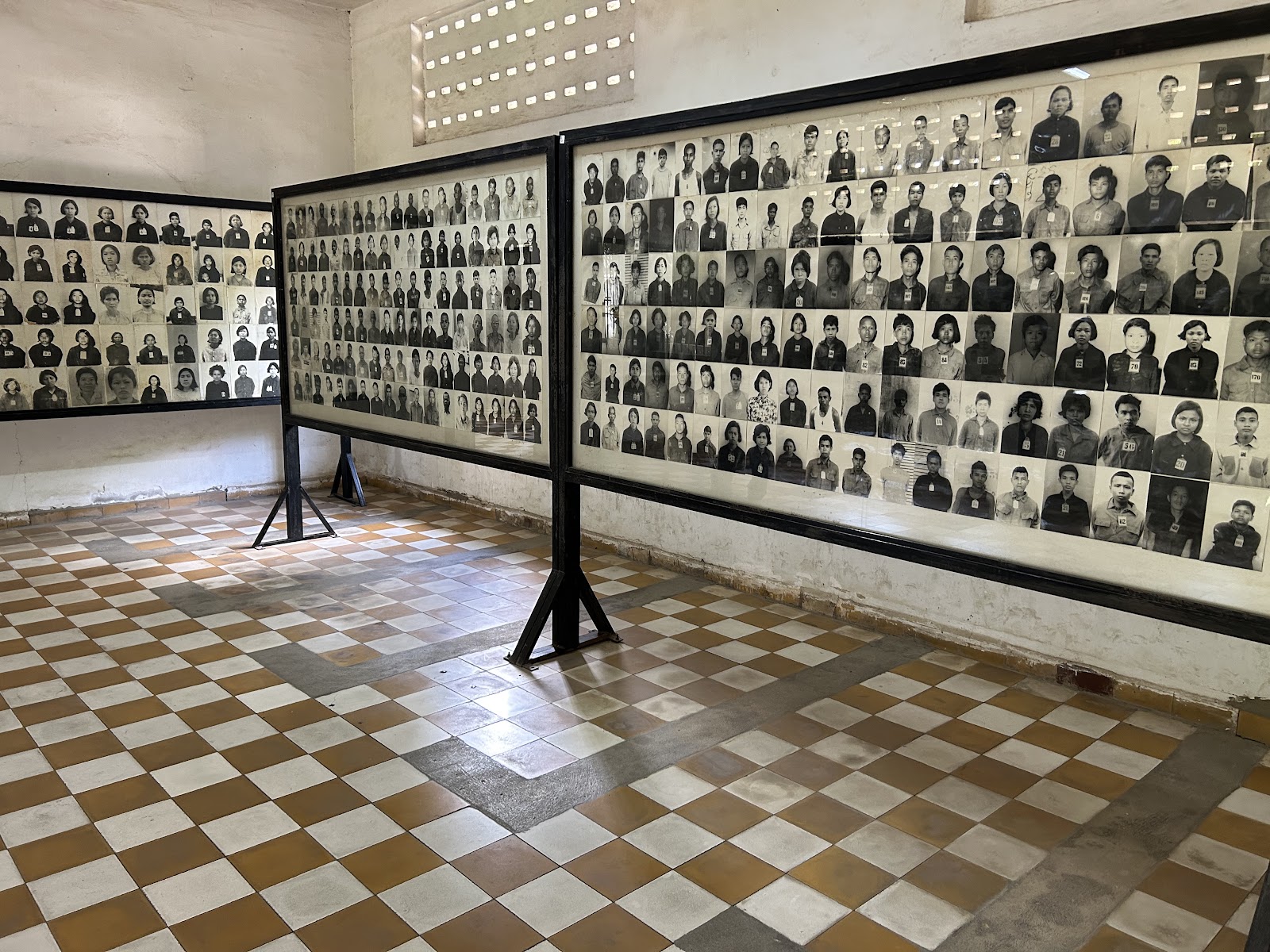
More photos
Photos published by travelers on Google, not AI generated.
What stands out
- Highly regarded audio guide
- Prisoner photographs and personal stories
- Preserved spaces from S-21
- Powerful historical context
Worth knowing
- Extremely distressing subject matter
- Audio guide may cost extra
- Some reviewers wanted more historical detail
Don't miss
What comes up most in public reviews
- The audio-guided route
- Accounts of S-21 prisoners
- The prisoner photographs
- Any scheduled survivor encounter
Worth the trip?
Why it matters
With a Google rating of 4.6 from 12132 reviews, Tuol Sleng Genocide Museum receives unusually consistent praise for a place associated with grief rather than enjoyment. Public feedback repeatedly describes it as essential for understanding Cambodia’s late-1970s genocide and the suffering endured at S-21.
Reviewers frame the museum as a place of education, remembrance and reflection. Its impact comes from the directness of the surroundings: preserved rooms, original surfaces, rows of prisoner photographs and evidence of the administrative system behind the violence. Several accounts emphasize that the horror was organized and documented, not simply the result of wartime chaos. That realization appears to be one of the visit’s most lasting lessons.
What the visit is like
The experience is consistently described as solemn, upsetting and difficult to summarize. Visitors mention photographs of prisoners identified by numbers, stark rooms and physical traces of the site’s former use. Rather than relying only on broad historical explanations, the museum confronts visitors with individual faces and stories.
Some reviewers report meeting a survivor of S-21 during their visit. These encounters added an immediate human dimension for those who experienced them, although survivor appearances should not be assumed or treated as a guaranteed part of admission.
The emotional effect dominates public feedback. Reviewers describe leaving reflective, shocked or struggling to find suitable words. This is not a casual stop between lighter Phnom Penh sights. It benefits from unhurried attention and some space afterward to process what has been presented.
The audio guide
The clearest recurring recommendation is to use the audio guide. Multiple reviewers say it is easy to follow and provides important context about the site, its prisoners and the sequence of the visit. Personal stories appear to make the preserved spaces more understandable and considerably intensify the experience.
One reviewer felt that some of the cruelest details were not fully explored, suggesting that visitors seeking exhaustive historical analysis may want additional reading. Even so, the audio guide receives strong approval overall and may carry an additional charge. Based on the review pattern, it is the most useful enhancement to the museum visit.
Verdict
Tuol Sleng is not conventionally enjoyable, and public reviewers frequently note that an ordinary rating system feels inadequate here. Its value lies in historical understanding, remembrance and the preservation of evidence.
The strongest recommendations come from travellers who consider confronting difficult history a necessary part of visiting Phnom Penh. A half-day allocation allows time for the audio-guided route without rushing through emotionally demanding material. The museum is less suitable for visitors seeking a light cultural stop or those unprepared for descriptions and images of imprisonment, torture and death.
Taken together, ratings and reviews support Tuol Sleng as one of Phnom Penh’s most important museums, provided it is approached with time, sensitivity and respect.
Plan the rest of the trip
Ask anything
Looking for somewhere else?
Keep exploring around Phnom Penh
More from Cambodia
Cambodia · Krong Siem Reap
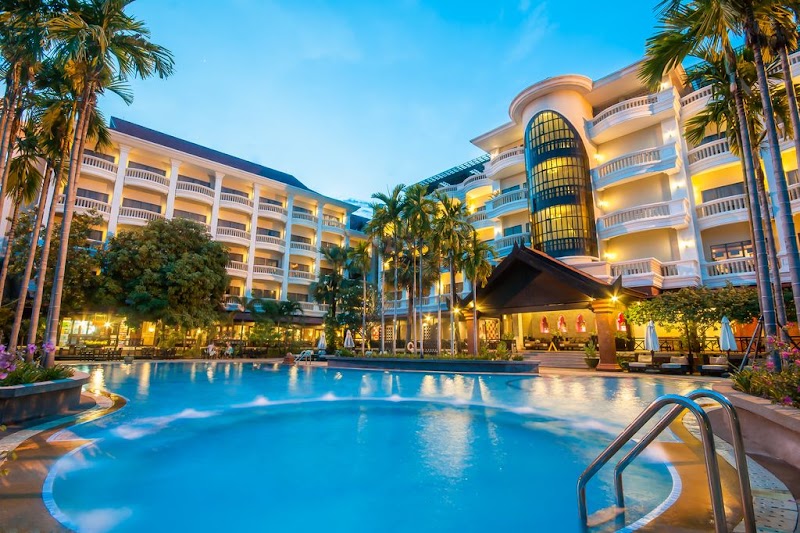
Borei Angkor Resort & Spa: A Welcoming Siem Reap Base
Public reviews praise Borei Angkor Resort & Spa for its attentive staff, comfortable rooms, generous breakfast and relaxing pool.
Cambodia · Krong Siem Reap
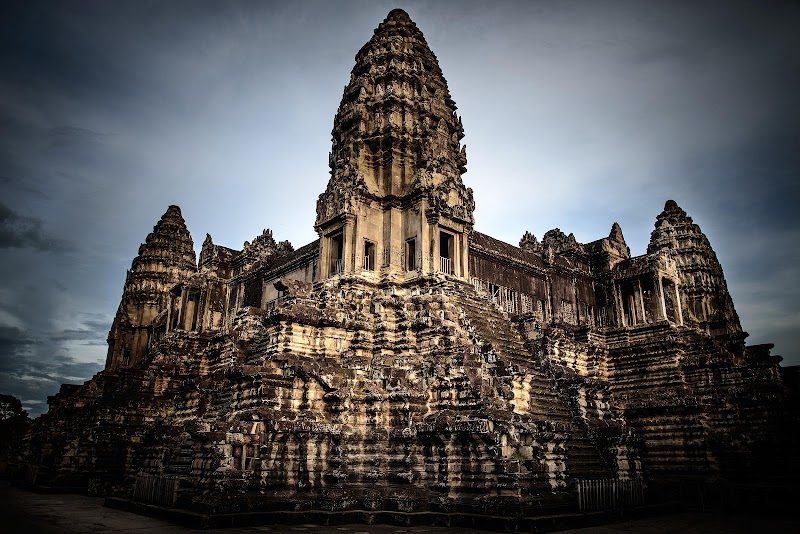
Jaya House River Park Hotel Review: Personal Service in Siem Reap
Public reviews give Jaya House River Park Hotel a 4.9 rating from 1,109 Google reviews, with warm service and a central location drawing the strongest praise.
Cambodia
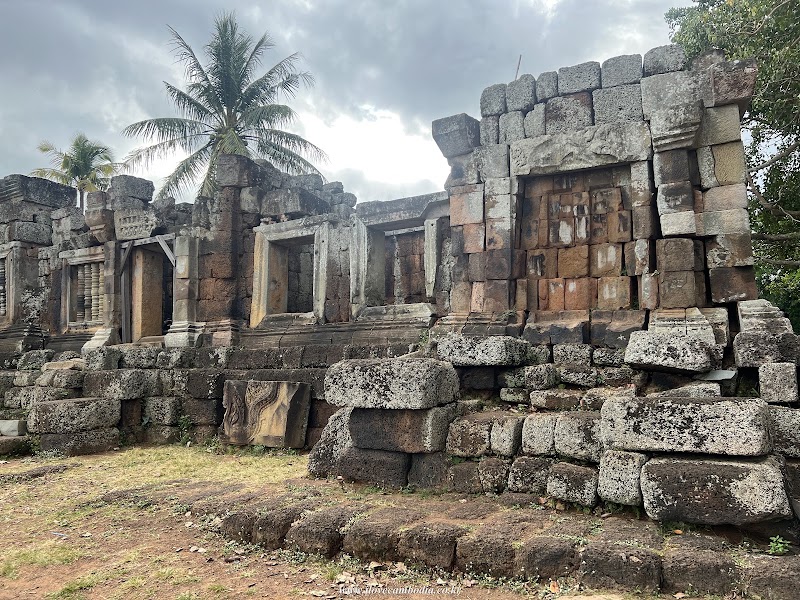
Chisor Mountain Temple: A Steep Climb to Wide Views
Chisor Mountain Temple makes a rewarding half-day outing from Phnom Penh, with ancient ruins, countryside views and a 412-step approach.
Cambodia · Koh Rong Archipelago, Near Sihanoukville
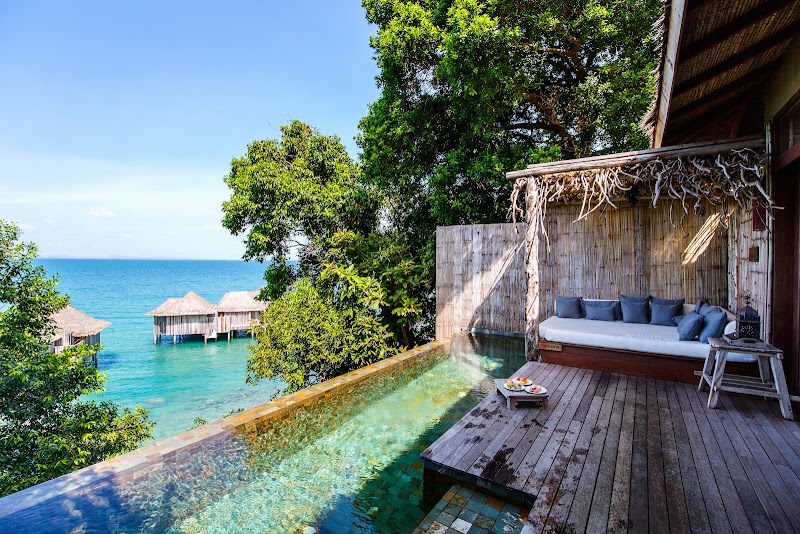
Song Saa Private Island: A High-Touch Island Retreat
Public reviews praise the villas, service, food and conservation work, while one critical account flags signs of age in parts of the resort.