Trongsa Dzong: Bhutan’s Dramatic Ridge-Top Fortress
Public reviews praise this vast fortress complex for its intricate interiors, spiritual atmosphere and commanding views across the Trongsa valleys.
More photos
Photos published by travelers on Google, not AI generated.
What stands out
- Vast fortress complex
- Dramatic ridge and cliff setting
- Intricate corridors and courtyards
- Deep valley and mountain views
Worth knowing
- No photography or video inside the temple
- Only designated areas may be accessible
Don't miss
What comes up most in public reviews
- The roadside view of the dzong
- The accessible inner corridors and courtyards
- Views across the deep valleys
Worth the trip?
Why it stands out
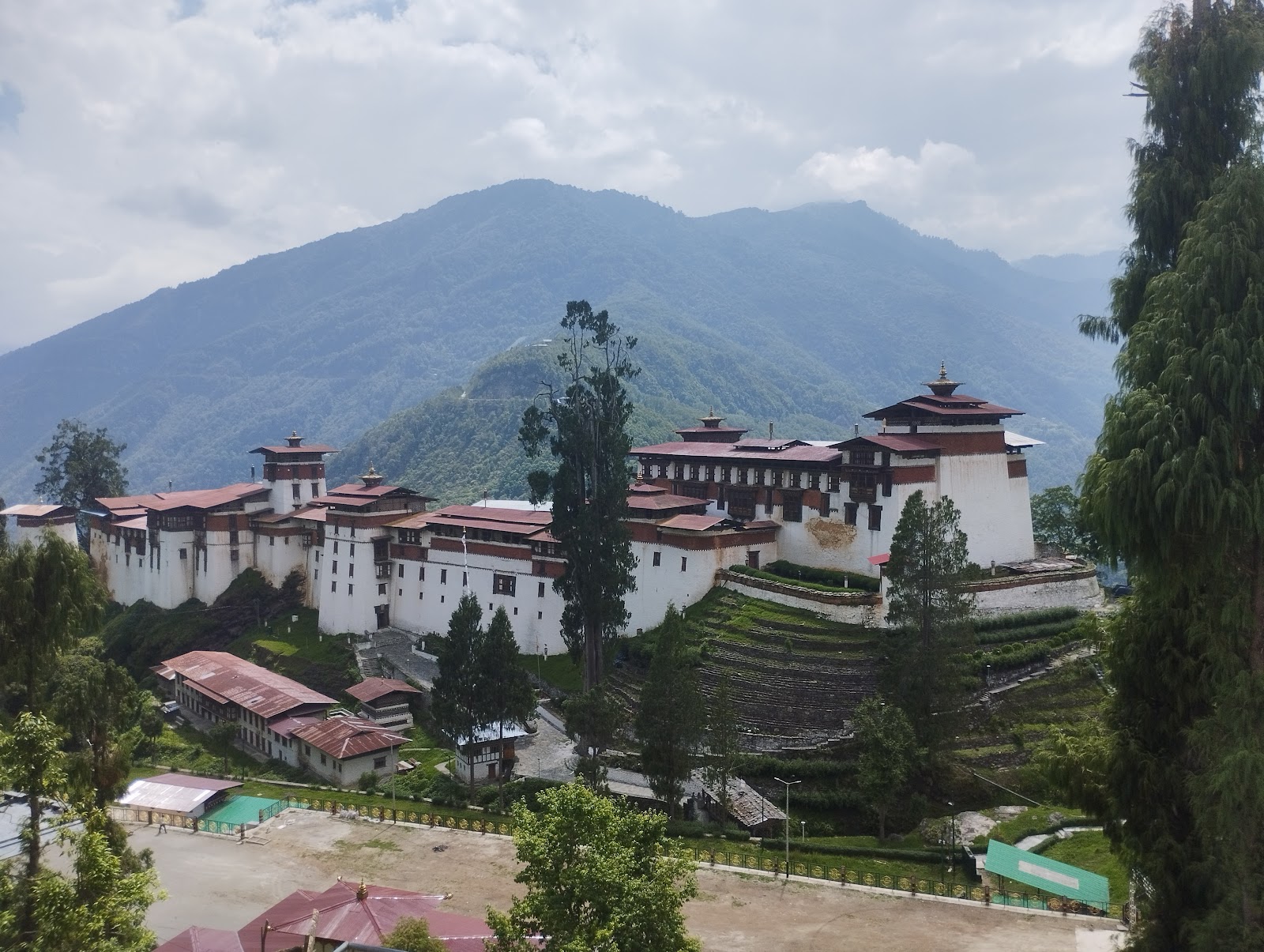
Trongsa Dzong earns consistently enthusiastic feedback, reflected in its Google rating of 4.8 from 110 reviews. Travellers repeatedly describe it as one of Bhutan’s most impressive dzongs, with several calling it the country’s largest fortress. Its scale is only part of the appeal. The combination of religious spaces, long corridors and a dramatic mountainside position gives the complex a sense of grandeur that reviewers find difficult to convey in photographs.
This is not simply a monument arranged for visitors. Listings identify it as a Buddhist place of worship as well as a government office and visitor attraction. That continuing institutional and spiritual role contributes to the calm, formal atmosphere described in public feedback. Some areas may not be open for casual exploration, but reviewers generally find the accessible sections rewarding.
Setting and first impressions
The approach is a recurring highlight. Reviews describe Trongsa Dzong stretching along a ridge above deep valleys, with a river far below and mountains rising around it. Some travellers consider the roadside view memorable even before reaching the entrance. From a distance, the white fortress appears to follow the contours of the slope, creating a particularly strong sense of scale.
Its position on the edge of steep terrain also produces broad valley views. Public comments frequently connect the architecture with the landscape rather than treating them as separate attractions. The exterior can initially appear more restrained than the setting suggests, but the size and complexity become clearer once visitors enter the accessible courtyards and passageways.
Inside the complex
Reviewers repeatedly praise the internal layout. Corridors, courtyards, temple spaces and changing viewpoints make the dzong feel more intricate than its exterior first suggests. Public feedback also describes the accessible areas as clean, restored and relatively straightforward to explore.
Architectural details, whitewashed walls and flashes of colour from prayer flags draw attention, although the overall impression is one of scale rather than a single decorative feature. Different angles reveal new sections of the fortress and new views over the surrounding valleys. Several reviewers say photographs fail to communicate its grandeur, particularly within the layered interior.
Visitors should treat the religious areas with care. Public reviews report that photography and video are not allowed inside the temple. Restrictions may differ between spaces, so instructions at the site should take priority over assumptions based on the open courtyards.
Editorial verdict
Trongsa Dzong appears especially worthwhile for travellers crossing central Bhutan, even when the itinerary allows only a short stop. Reviews suggest that some people treat it as a brief break on a longer journey, but the detailed layout rewards more than a hurried exterior photo.
Its strongest qualities are consistent across the feedback: immense scale, an unusual ridge-top setting, intricate internal spaces and wide mountain views. Travellers primarily interested in Bhutanese architecture, living religious sites and historic fortress design are likely to find it a standout stop. The main practical limitation is the prohibition on photography and video within temple areas, along with the possibility that only designated sections will be accessible.
Plan the rest of the trip
Ask anything
Looking for somewhere else?
Keep exploring around Trongsa
More from Bhutan

Bhutan · ཐིམ་ཕུུུུ
Ludrong Memorial Garden: A Calm Green Break in Thimphu
Riverside paths, lawns, ponds and Dzong views make this well-liked garden a restorative break from central Thimphu.
Bhutan · Dochula
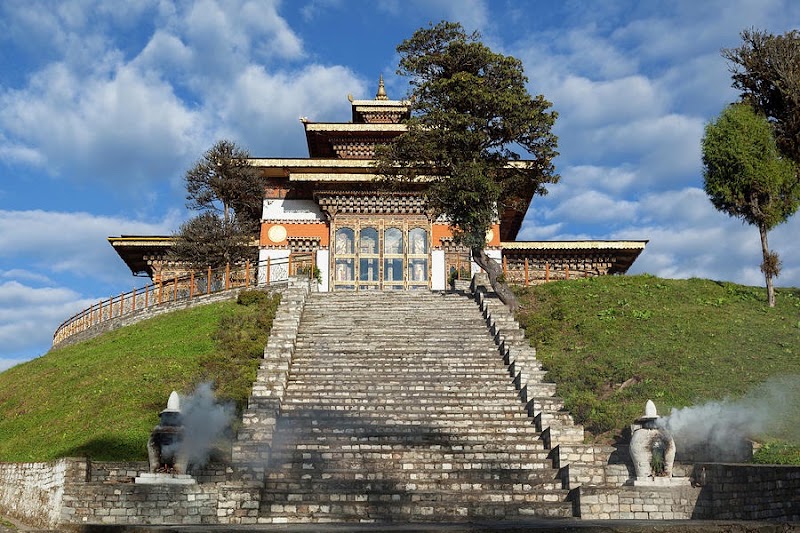
Druk Wangyal Lhakhang: Sacred Art at Dochula Pass
Facing Dochula’s 108 stupas, this serene Buddhist temple pairs richly painted interiors with expansive mountain-pass scenery.
Bhutan · Jakar
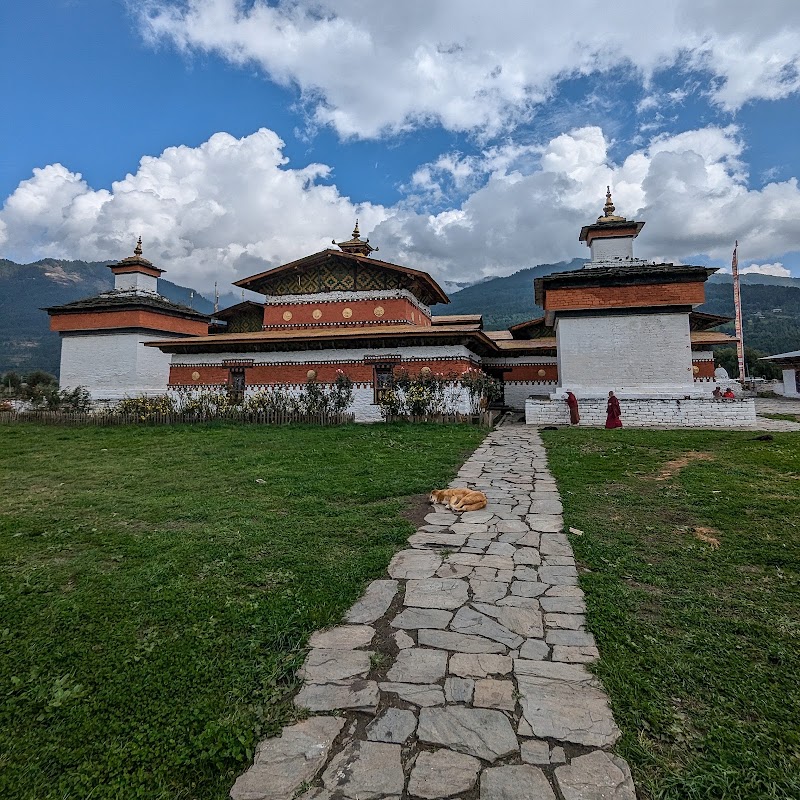
Jambay Lhakhang: ancient spirituality in Bumthang
This compact, active temple near Jakar combines deep religious significance with a quiet valley setting and centuries of Bhutanese history.
Bhutan · Nubding
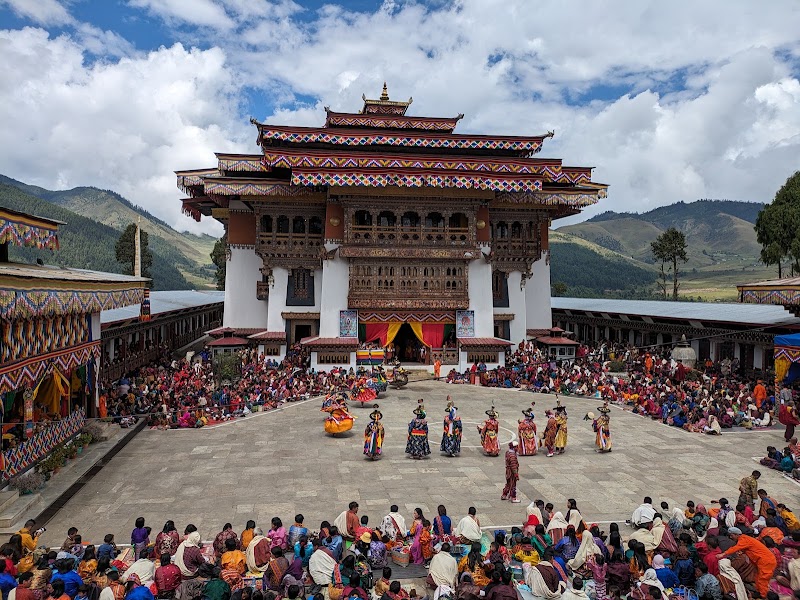
Gangtey Monastery: Spiritual Calm Above Phobjikha Valley
Traditional architecture, a peaceful courtyard and broad Phobjikha Valley views make this monastery a rewarding cultural stop in central Bhutan.