Tritons’ Fountain: Valletta’s Striking Welcome
This monumental fountain marks the approach to Valletta, earning strong public praise for its sculpture, lighting and setting beside the city gate.

More photos
Photos published by travelers on Google, not AI generated.
What stands out
- Monumental bronze sculptures
- Illuminated after dark
- Historic gate setting
- Views from the city walls
- Approach to Valletta
Worth knowing
- Fencing may limit close viewing
- The water may not be running
Don't miss
What comes up most in public reviews
- See the fountain after dark
- Walk through the historic gate
- Look back from the city walls
- Continue to Upper Barrakka Gardens
Worth the trip?
Why go
Tritons’ Fountain is one of the first major sights encountered on the approach to Valletta. Public ratings place it at 4.7 from 28,593 reviews, with repeated praise for its scale, bronze figures and prominent position beside the historic entrance. It works as a brief stop before entering the city, rather than as a destination that requires a long visit.
The surrounding square gives the fountain room to register properly. Reviewers describe it as an imposing landmark, visible both at close range and from the city walls. That wider view matters. The sculpture remains noticeable within the larger approach to Valletta, with the historic gate and old defensive walls providing much of the setting.
Best time to see it
Daylight shows the fountain’s form and the relationship between the sculptures, square and city entrance. Evening is the strongest recurring recommendation in the public reviews. Once the lights come on, reviewers say the fountain changes character and becomes especially striking after dark.
A visit at night also suits travellers already walking into Valletta for dinner or an evening wander. It is easy to combine with a daytime look at the gate and walls, then return after sunset for the illuminated view. The reviews do not identify a particular season as better, so the time of day is the more useful planning choice.
What the visit is like
The fountain is primarily an outdoor viewing stop. Reviewers repeatedly frame it as a landmark to photograph, admire and pass on the way into Valletta. The scale of the sculpture gives it presence even when the water is not running. One review specifically noted that the fountain still functioned visually as a grand piece of sculpture despite being dry at that time.
There is one practical limitation. Several comments indicate that the fountain has been fenced off, restricting close access and making some details harder to appreciate. Water conditions may also vary. Travellers should treat it as a strong visual introduction to the city, not assume that every visit will offer an unobstructed or fully operating display.
Pair it with Valletta’s entrance
The fountain makes most sense as part of a short route into the city. Reviewers recommend taking in the historic gate, looking back towards the old walls, then continuing inside Valletta. Upper Barrakka Gardens are also named as a worthwhile next stop, particularly for views across the city.
That combination gives the fountain context without overextending the visit. The stop itself can be brief. The approach, gate, walls and gardens turn it into the opening scene of a wider Valletta walk. For first-time visitors, that is its main strength: an immediately recognisable landmark at the point where the city begins.
Plan the rest of the trip
Ask anything
Looking for somewhere else?
Keep exploring around Il-Furjana
More from Malta
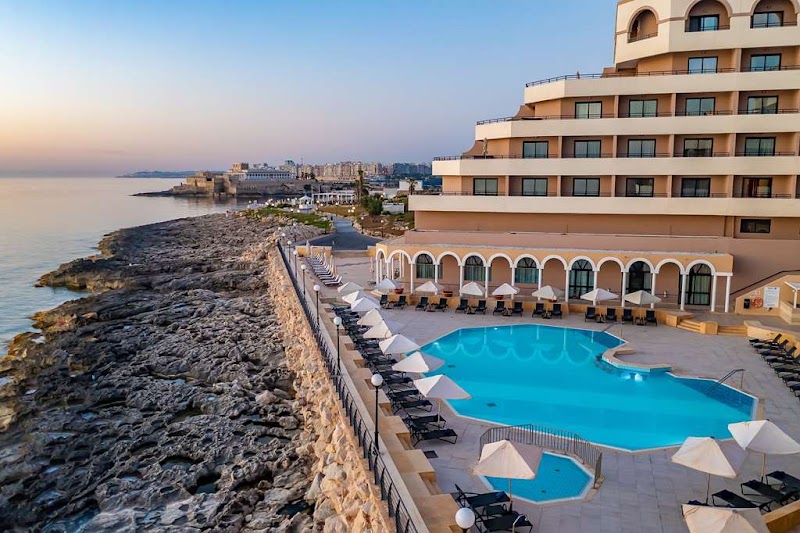
Malta · St. Julian's
Radisson Blu Resort Malta: Seafront Calm in St. Julian’s
Public reviews point to a polished seafront resort with strong pools, spacious rooms and consistently praised breakfast and service.
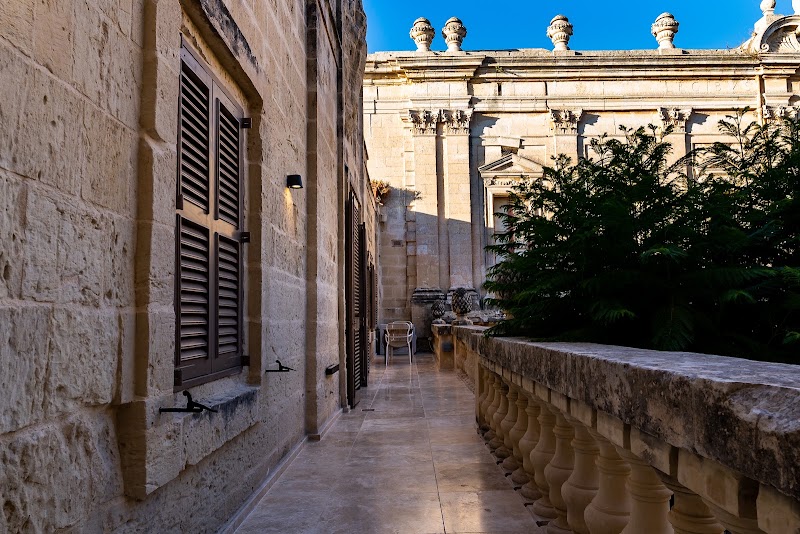
Malta · Mdina
The Xara Palace: Sleep Inside Mdina’s Historic Walls
Public reviews praise this atmospheric palace hotel for its personal service, characterful rooms and superb setting in Malta’s Silent City.
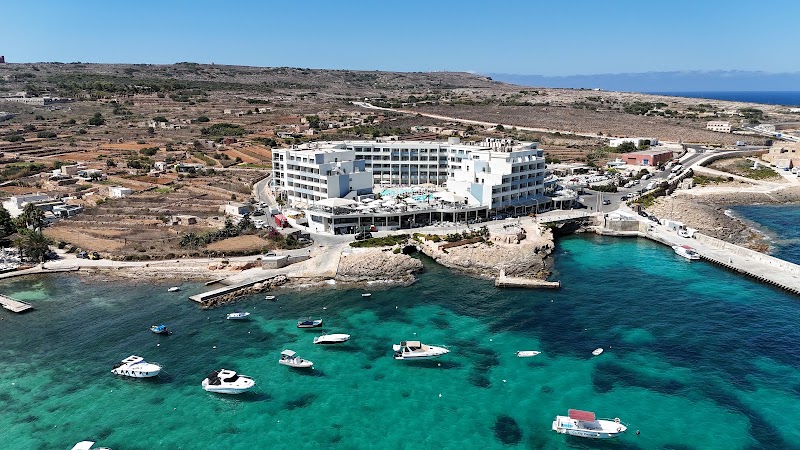
Malta · Mellieħa
Riviera Spa Resort, a Quiet Northern Malta Base
Public reviews praise the adults-only resort’s welcoming staff, broad dining choice, spa facilities and sea-facing position near Malta’s northern ferry links.
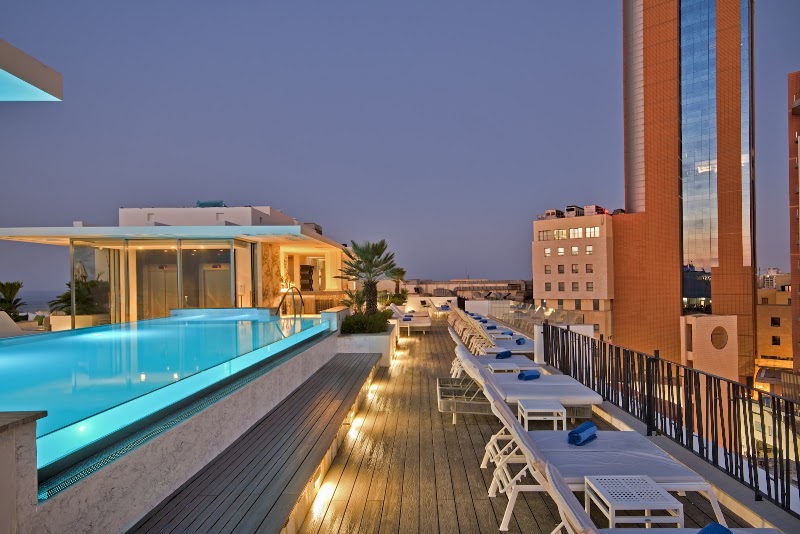
Malta · San Ġiljan
Hotel Valentina puts San Ġiljan’s nightlife close at hand
Public reviews point to a polished, central hotel with welcoming staff, a useful rooftop pool and a few practical details to check before arrival.