Trevi Fountain: Rome’s Monumental Baroque Landmark
Rome’s Trevi Fountain pairs an elaborate Baroque composition with an exceptional 4.7 Google rating from 518732 reviews.

More photos
Photos published by travelers on Google, not AI generated.
Worth the trip?
Overall verdict
Trevi Fountain carries a Google rating of 4.7 from 518732 reviews, an unusually substantial volume of public feedback for any individual landmark. That combination points to broad, sustained visitor approval rather than a score shaped by a small audience. However, no written review excerpts were supplied for this assessment, so specific claims about atmosphere, crowding, photography, maintenance or visitor behaviour cannot be attributed to recurring review patterns.
The available listing data classifies the site as a fountain, historical landmark, tourist attraction and historical place. For a Rome itinerary, it therefore makes most sense as a focused sightseeing stop rather than an attraction requiring a large block of time.
What visitors come to see
Trevi Fountain is a monumental Baroque fountain set against the Palazzo Poli in central Rome. Its theatrical arrangement of carved stone, architectural detail and moving water creates the sense of a stage built into the surrounding streets. The central figure is Oceanus, shown above a rocky composition with horses and attendant figures. Reliefs, columns and statuary extend across the palace façade, rewarding a slower look beyond the familiar full-width view.
Its position within the city is part of the experience. Travellers approach through comparatively enclosed streets before reaching the open space in front of the fountain. The landmark can be incorporated into a walking route linking other central Rome sights, including the Pantheon and Spanish Steps, although the most suitable route depends on the rest of the day’s plans.
Planning the stop
A visit can be brief, particularly for travellers who want only an overall view and photographs. Allowing around 30 minutes to an hour gives more time to examine the sculptural details and view the composition from different positions around the piazza. As an outdoor landmark, the experience may vary with weather, temporary access controls, cleaning or conservation work.
The supplied material does not support a review-based recommendation for the best season or time of day. It also provides no reliable evidence about accessibility conditions, queues, nearby services or the ease of reaching the fountain with children or mobility equipment. Travellers with specific access requirements should check current official information before setting out.
What the rating does and does not show
The 4.7 rating indicates a highly positive overall response across a very large body of Google feedback. It supports treating Trevi Fountain as one of Rome’s strongest mainstream sightseeing choices, especially for first-time visitors and travellers interested in architecture, sculpture or historic urban spaces.
The rating alone does not reveal which individual features appear most often in written reviews. With no sample comments available, this assessment avoids presenting familiar customs, preferred photo positions, ideal visiting hours or crowd-management advice as reviewer consensus. The clearest evidence is the landmark’s enduring public appeal, its central location and the scale of engagement reflected in the supplied rating data.
Plan the rest of the trip
Ask anything
Looking for somewhere else?
Keep exploring around Roma
More from Italy
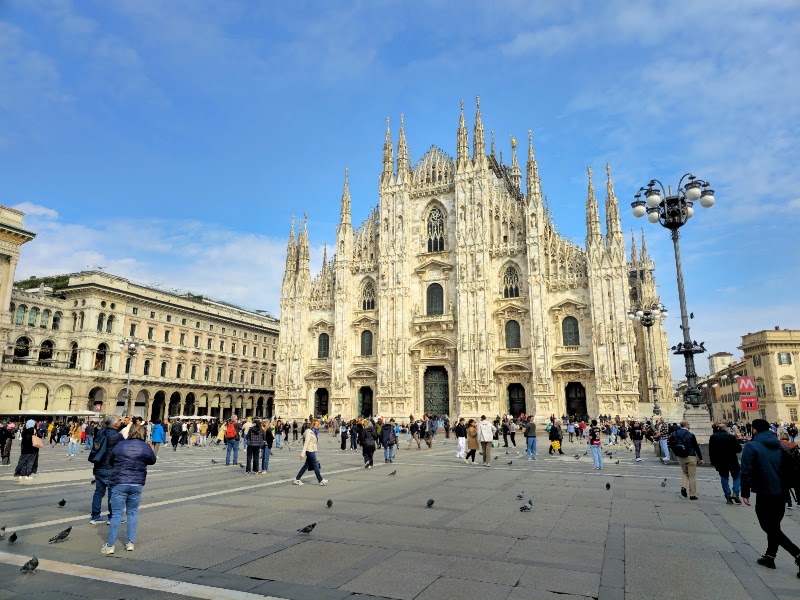
Italy · Milano
Duomo di Milano: Gothic Grandeur Above Milan
Public reviews praise the cathedral’s immense Gothic detail, peaceful interior and rooftop terraces, with the roof climb emerging as the clearest highlight.
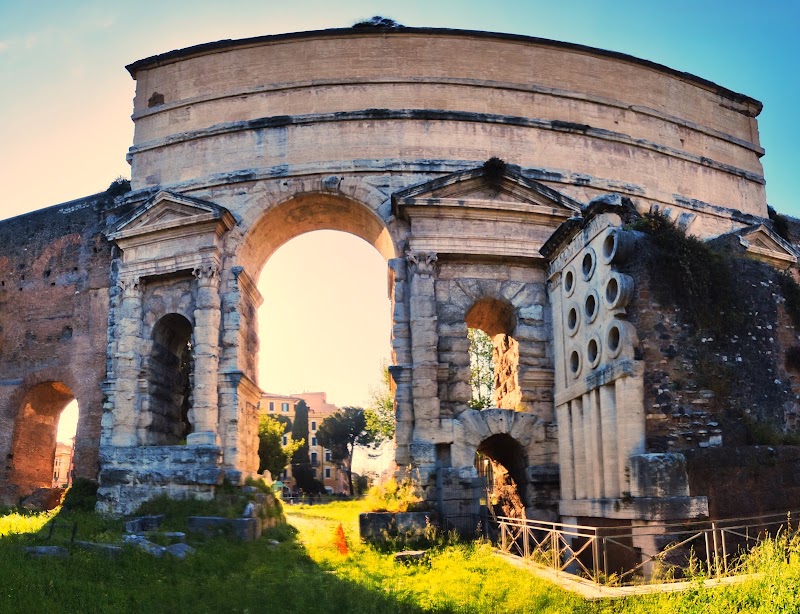
Italy · Roma
Porta Maggiore: Rome’s Monumental Aqueduct Gate
A powerful ancient gateway for visitors interested in Roman engineering, with impressive ruins and a rough-edged urban setting.
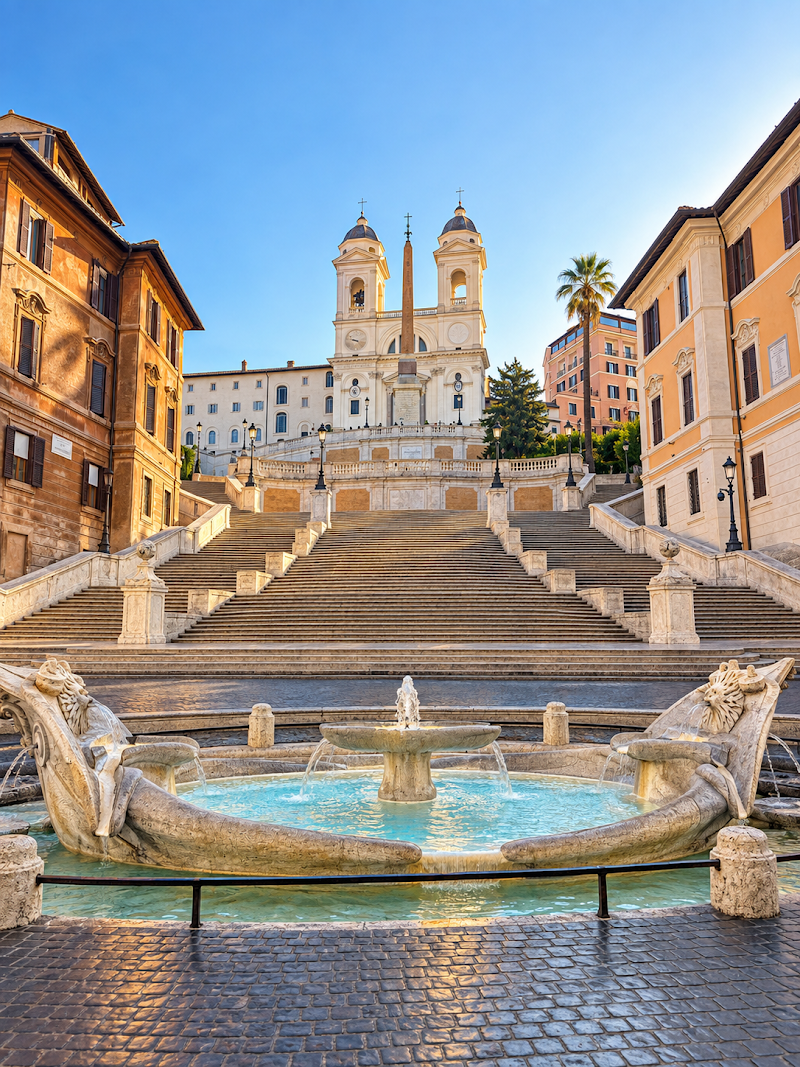
Italy · Roma
Spanish Steps: Rome’s Grand Staircase and City View
Rome’s Spanish Steps reward an early visit with elegant architecture, lively people-watching, a famous fountain and views over Piazza di Spagna.
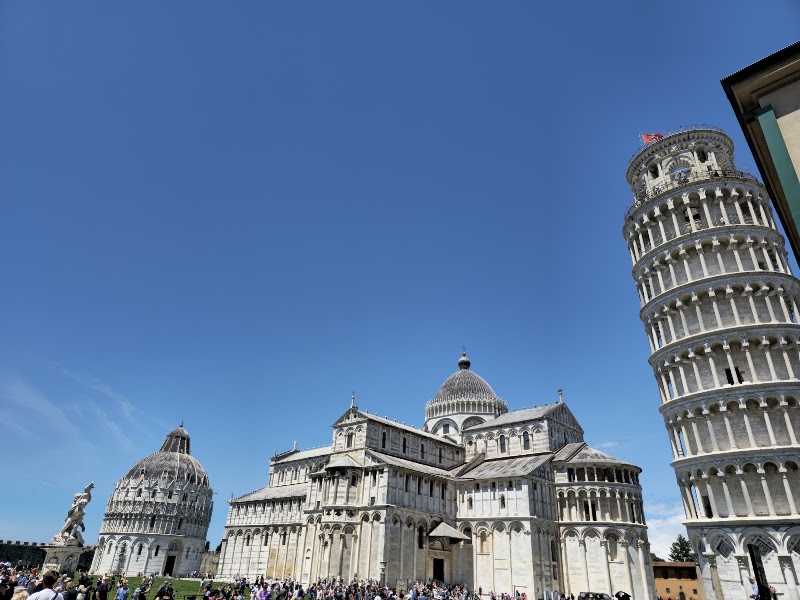
Italy · Pisa
Tower of Pisa: The Lean Is Even More Striking in Person
The Tower of Pisa is most rewarding as part of a walk through Piazza dei Miracoli, where its famous tilt feels more impressive than photographs suggest.