Trakai Historical National Park: Castle and Lakes Guide
Trakai pairs its island castle and Lithuanian heritage with lakes, forests and peaceful routes for walking, cycling and boating.
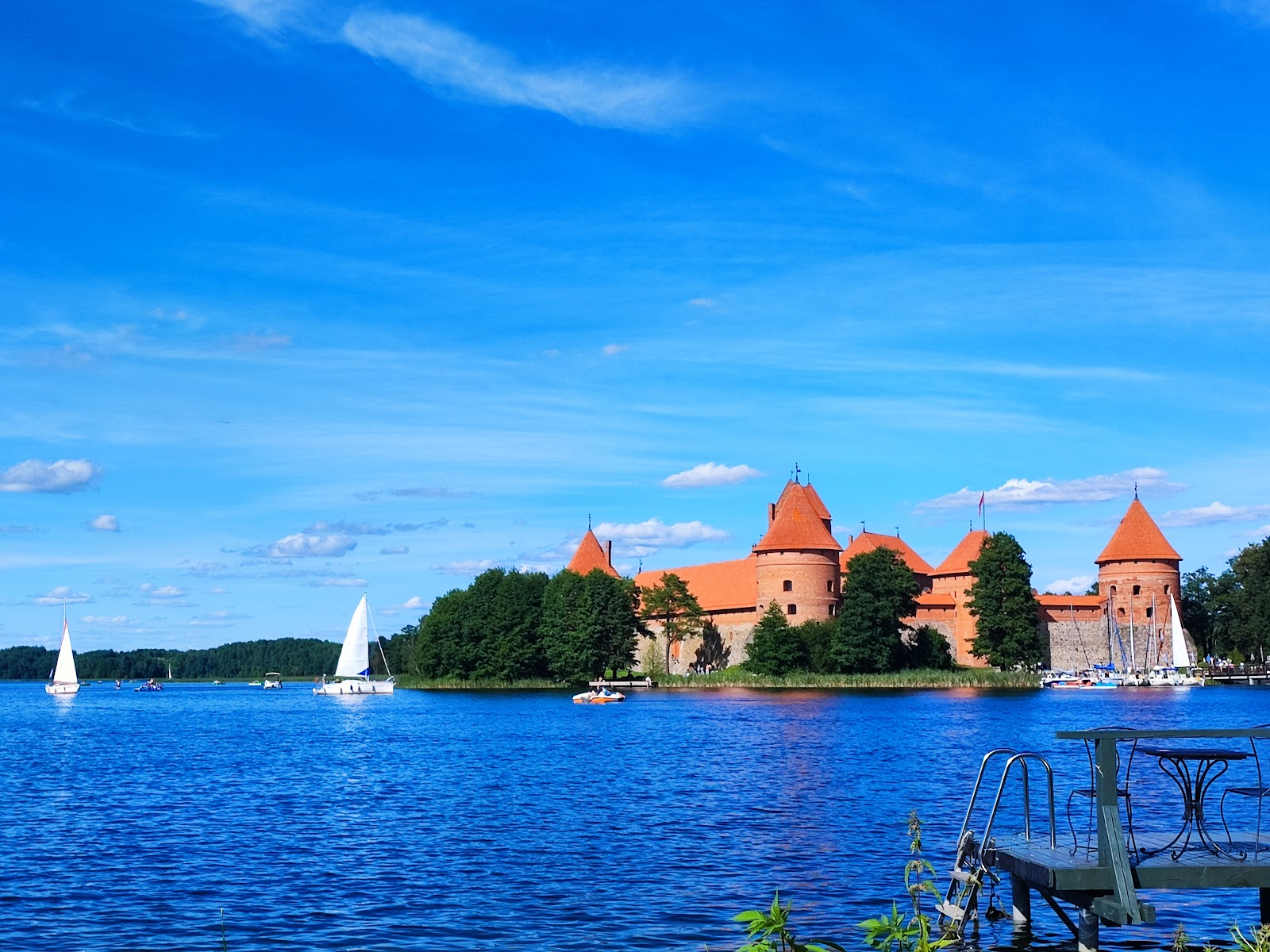
More photos
Photos published by travelers on Google, not AI generated.
What stands out
- Iconic island castle
- Lake Galvė scenery
- Forests and walking paths
- Cycling and boating options
- Distinct seasonal landscapes
Worth knowing
- Cold winds and fog can affect November visits
- Outdoor activities vary with the season
Don't miss
What comes up most in public reviews
- Trakai Island Castle museum
- Lake Galvė
- Lakeside walking paths
- Cycling or boating around the park
Worth the trip?
Overall impression
Public feedback presents Trakai Historical National Park as a rewarding combination of history, natural scenery and Lithuanian identity. Its Google rating of 4.8 from 1154 reviews reflects particularly strong enthusiasm for the setting: a historic town framed by lakes, forest and changing seasonal landscapes.
Reviewers repeatedly describe the area as serene and beautiful rather than simply a stop for seeing one landmark. The castle is the visual centrepiece, but the broader appeal comes from moving between waterfront views, walking paths and green spaces. That balance makes Trakai suitable for travellers interested in heritage as well as those seeking a calm outdoor break from Vilnius.
The castle and lakeside setting
Trakai’s island castle is the attraction most consistently praised in the supplied reviews. Visitors call it incredible, iconic and beautiful, with the surrounding water playing a major part in its impact. The castle museum also receives a specific mention, adding historical substance to the highly photographed exterior.
Lake Galvė shapes many of the park’s most memorable views. In warmer conditions, the castle, lake and greenery create the bright scene commonly associated with Trakai. Winter brings a markedly different appearance, particularly when the lake is frozen. Reviewers who have returned in different seasons suggest that the landscape remains compelling even when the colours and atmosphere change.
The town’s historic character also matters. Feedback describes Trakai as meaningful in the context of national heritage, not merely picturesque. Food and souvenir shopping are mentioned as complementary parts of a visit, though the reviews provide little detail about particular venues or products.
Exploring through the seasons
Walking is the simplest way to experience the park, with paths connecting its historical and natural elements. Reviews also identify cycling, boating and other water activities as ways to see more of the lakeside environment. This variety gives the destination appeal beyond the castle museum, especially in summer when outdoor activity is likely to be the main draw.
Summer receives the clearest endorsement in the feedback, with one returning visitor preferring it despite admiring the frozen winter scenery. At the same time, autumn and winter are credited with a more atmospheric quality. A November account highlights cold winds, low fog and muted colours around Lake Galvė, conditions that may appeal to photographers but require suitable clothing.
The park is consistently framed as a peaceful escape, although experiences will differ significantly by season. Visitors primarily seeking boating, cycling and bright lake views are likely to favour summer. Those drawn to fog, subdued landscapes or frozen-water scenery may find the colder months more distinctive.
Editorial verdict
Synthesizing the supplied ratings and reviews, Trakai Historical National Park stands out for the strength of its complete setting. The island castle provides the headline sight, while Lake Galvė, forests, paths and seasonal scenery give the visit greater depth.
A half-day visit allows time for the castle museum and a lakeside walk. Travellers interested in cycling, boating, food or photography may prefer to linger longer. The strongest case for visiting is the close pairing of cultural heritage and accessible outdoor scenery, with enough seasonal variation to reward both a summer trip and a colder, more atmospheric return.
Plan the rest of the trip
Ask anything
Looking for somewhere else?
Keep exploring around Trakai
More from Lithuania
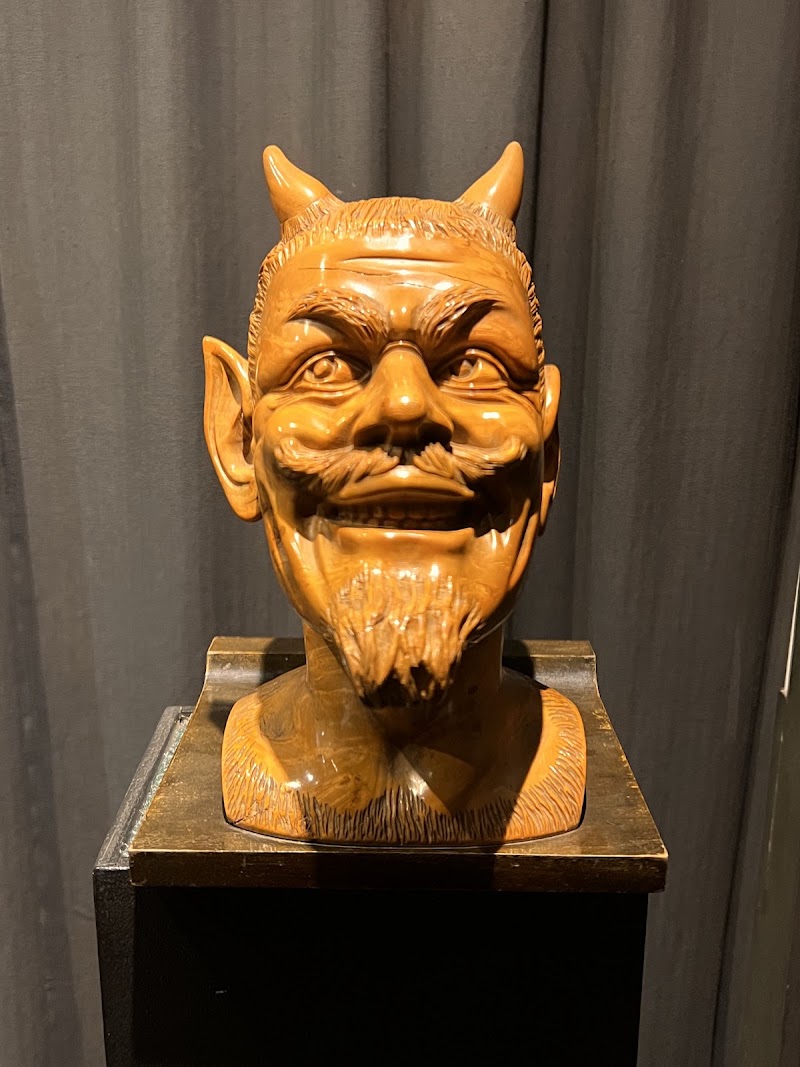
Lithuania · Kaunas
Devils' Museum: Kaunas folklore with a mischievous edge
Kaunas’s Devils' Museum uses devil figures, local legends and an artist’s former home to explore humor, belief and human nature.
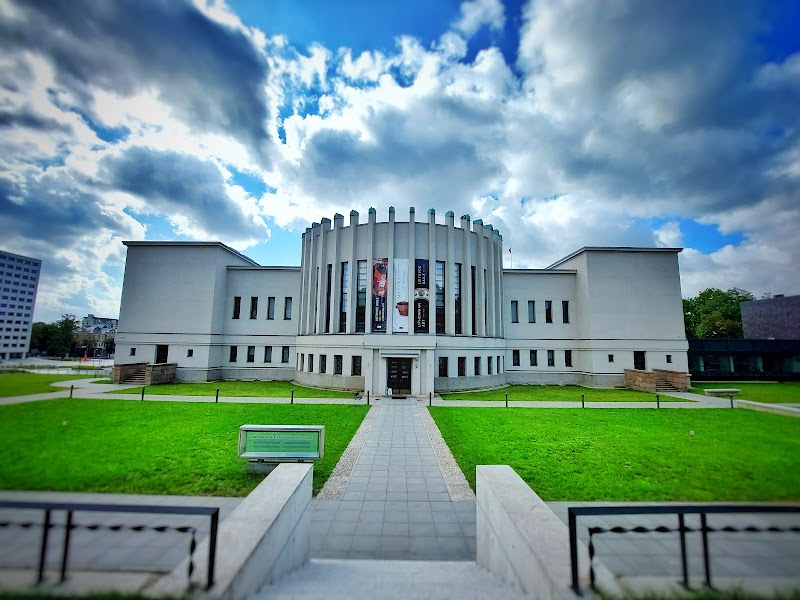
Lithuania · Kaunas
M.K. Čiurlionis Museum of Art: A Strong Introduction to Lithuania
Public reviews praise the museum’s Lithuanian art, history and helpful explanations, while noting that the layout takes some figuring out.
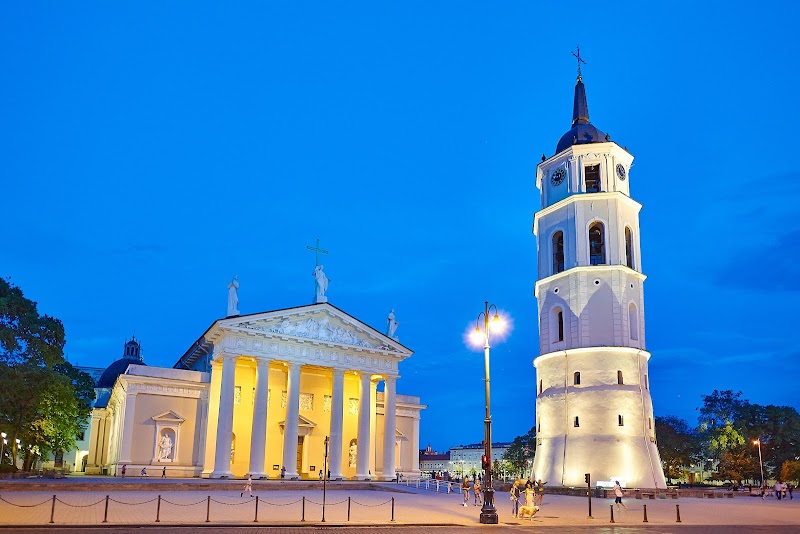
Lithuania · Vilnius
Cathedral Square: Vilnius’s Grand Civic Gathering Place
Vilnius Cathedral, the Bell Tower, seasonal markets and the Stebuklas tile make this open square a central stop for first-time visitors.
Lithuania · Druskininkų r.
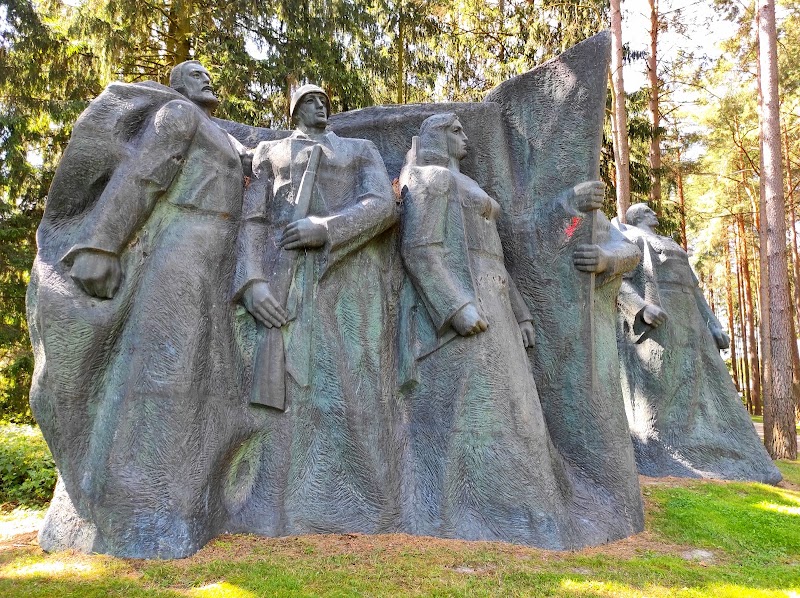
Grūtas Park: Soviet-Era Memory in a Woodland Setting
Grūtas Park combines a substantial Soviet sculpture collection with woodland paths, a small zoo and a playground near Druskininkai.