Train Cemetery, Uyuni’s Rusted Railway Relics
Public reviews describe a compact, atmospheric stop with oxidized locomotives, striking photo opportunities and a memorable sunset.
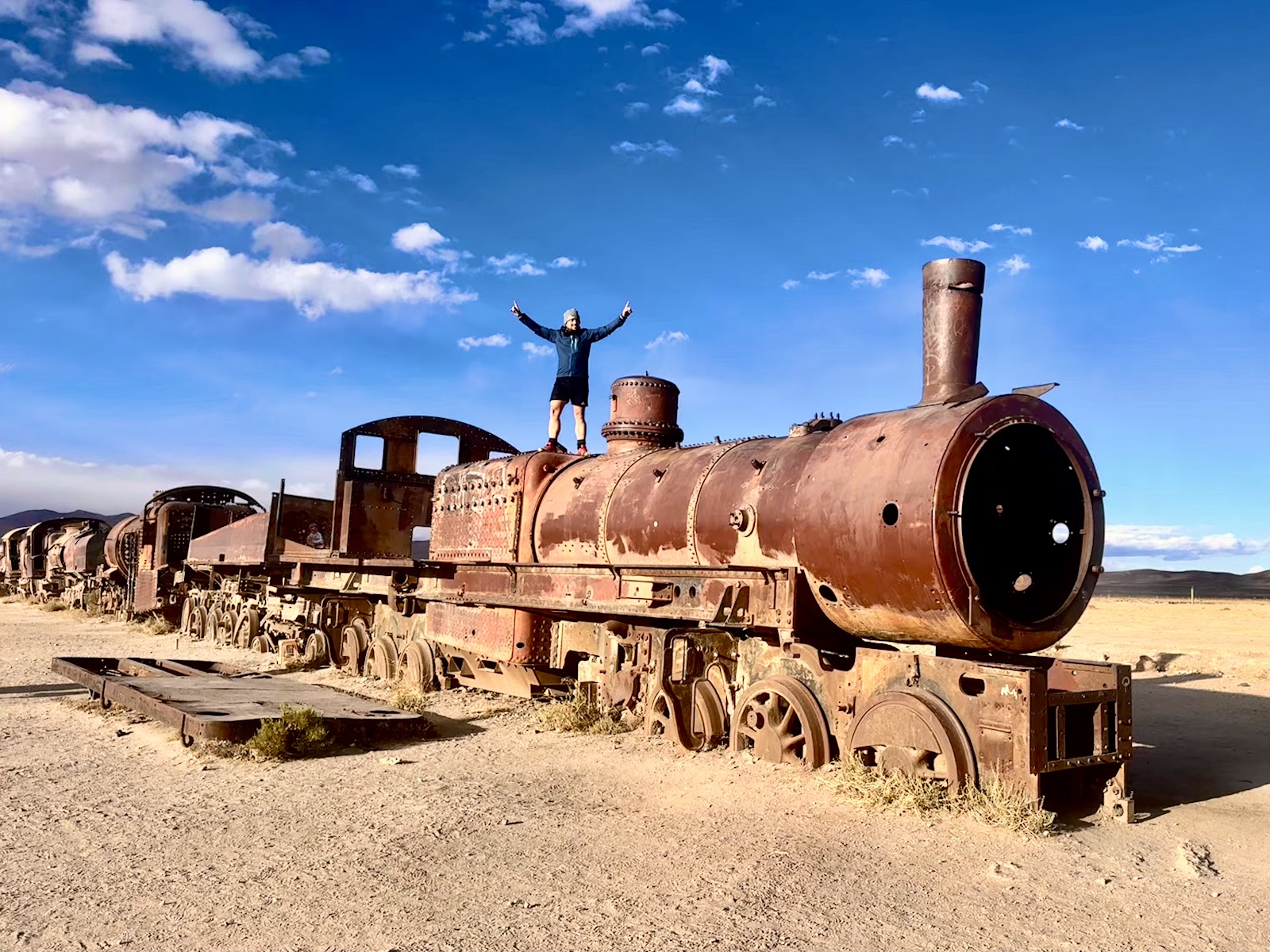
More photos
Photos published by travelers on Google, not AI generated.
What stands out
- Oxidized locomotives and railway machinery
- Strong industrial, Mad Max-like atmosphere
- Sunset photography
- Car-part sculptures of animals and characters
Worth knowing
- Limited historical information
- Some visitors find it worth only a brief stop
- Open setting with little conventional museum interpretation
Don't miss
What comes up most in public reviews
- Walk among the old locomotives
- Look for the car-part sculptures
- Stay for sunset
- Ask a guide about the railway’s history
Worth the trip?
What the reviews show
Train Cemetery is a brief but distinctive attraction outside Uyuni, Bolivia, centred on abandoned locomotives and railway machinery. Public reviews give it a 4.2 rating from 3,832 reviews, with a clear split in expectations. Some visitors call it a highlight of their time in Uyuni. Others see little more than rusted train shells and suggest staying for only ten minutes.
The attraction works best for travellers who enjoy industrial remnants, unusual landscapes and photography. It is not presented in the reviews as a large museum with extensive interpretation. Instead, the experience comes from walking among old engines and carriages in an open setting, then taking in their shapes, textures and heavy oxidation.
History and atmosphere
One public review connects the trains with the railway that carried minerals between Bolivia and Chile. It also notes that railway construction helped Uyuni’s economy during the 19th century, while the railway’s closure caused economic damage before tourism became important to the area. That context gives the site more weight than its rusted surfaces alone suggest.
The historical information available on site may be limited. A reviewer specifically noted that there was not much explanation about the trains or why they were left there. Travellers interested in the railway’s role in Uyuni may want to ask their guide for more background rather than relying on signage.
The mood is a major part of the appeal. Reviews describe the locomotives as fascinating, atmospheric and full of character. Another visitor compared the setting to a “Mad Max” scene. The impression is stark and weathered, with the machinery standing exposed rather than preserved in a conventional museum environment.
What to do there
Photography is the strongest recurring reason to visit. The locomotives provide unusual compositions, especially when the low sun catches their corroded metal. One reviewer considered the location suitable for a staged photoshoot, while another found sunset especially beautiful. A late-afternoon visit gives travellers the chance to look around in daylight and remain for the changing light.
There are also sculptures made from discarded car parts, including animal and character forms, according to one review. These add visual interest beyond the locomotives and are worth seeking out during a short walk around the site.
The stop is often included in wider Uyuni excursions, and one review suggests a private tour for travellers who want more time at preferred stops and less time elsewhere. That may matter to photographers or history-focused visitors, since the cemetery itself can be explored quickly.
Who should go
Train Cemetery suits travellers who appreciate abandoned infrastructure, stark photography and a concise stop with a strong atmosphere. It is less convincing for visitors seeking detailed museum displays or a long, fully explained historical experience. The public feedback supports seeing it, but expectations should remain modest.
A short visit is enough for many people. Those who enjoy photography should allow longer, especially near sunset. The attraction earns its place through mood and visual character rather than extensive facilities or interpretation.
Plan the rest of the trip
Ask anything
Looking for somewhere else?
Keep exploring around Uyuni
More from Bolivia
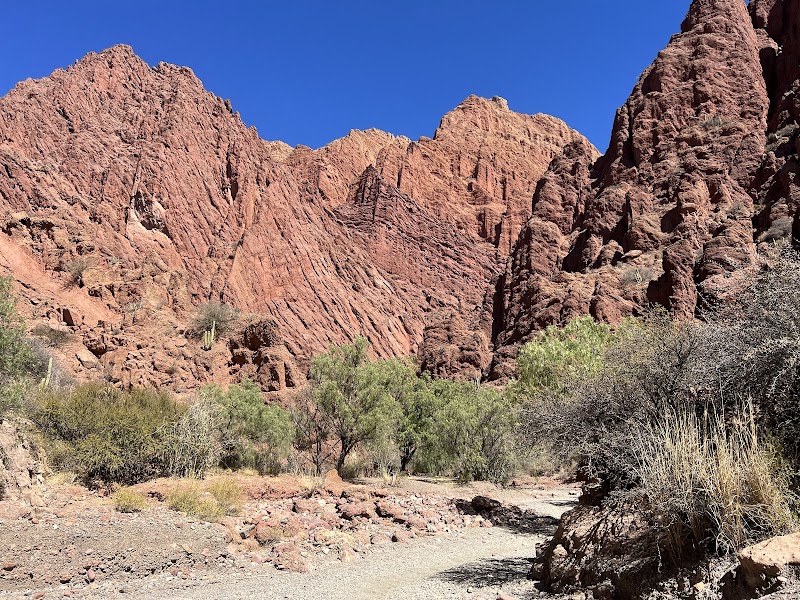
Bolivia · Tupiza
Cañón del Inca: Tupiza’s Striking Canyon Hike
Public reviews praise Cañón del Inca for its dramatic rock formations, broad approach and rewarding full-day route from Tupiza.
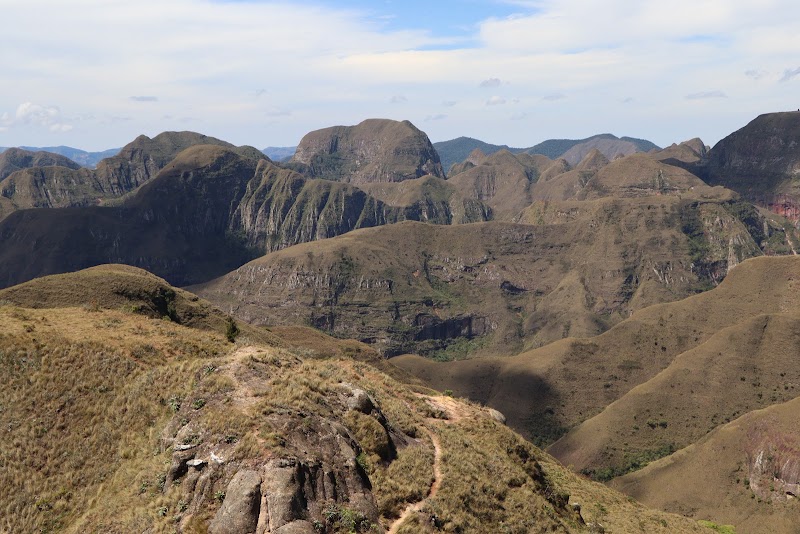
Bolivia · Samaipata
Codo de los Andes: A High-View Hike Near Samaipata
Codo de los Andes gives hikers broad valley views, a rewarding ridge walk and a demanding descent toward the waterfalls.
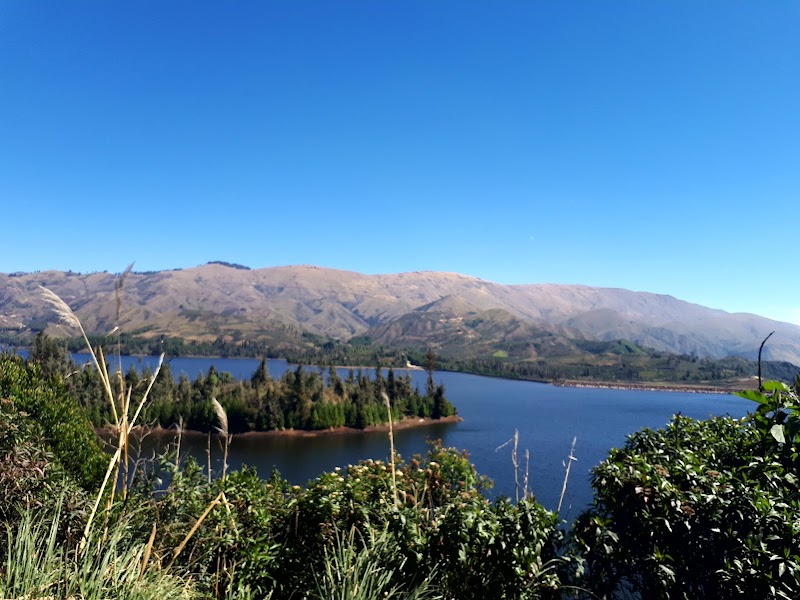
Bolivia
Corani Lake: Quiet Waters and Mountain Nature Near Cochabamba
Corani Lake suits travellers seeking calm scenery, outdoor activities and a slower weekend away from Cochabamba.
Bolivia · Challapampa
Gruta de San Pedro: A Cave Lake Near Sorata
Public reviews describe a striking mountain cave with an underground lagoon, reachable on foot from Sorata or by local transport.