Tower of Pisa: The Lean Is Even More Striking in Person
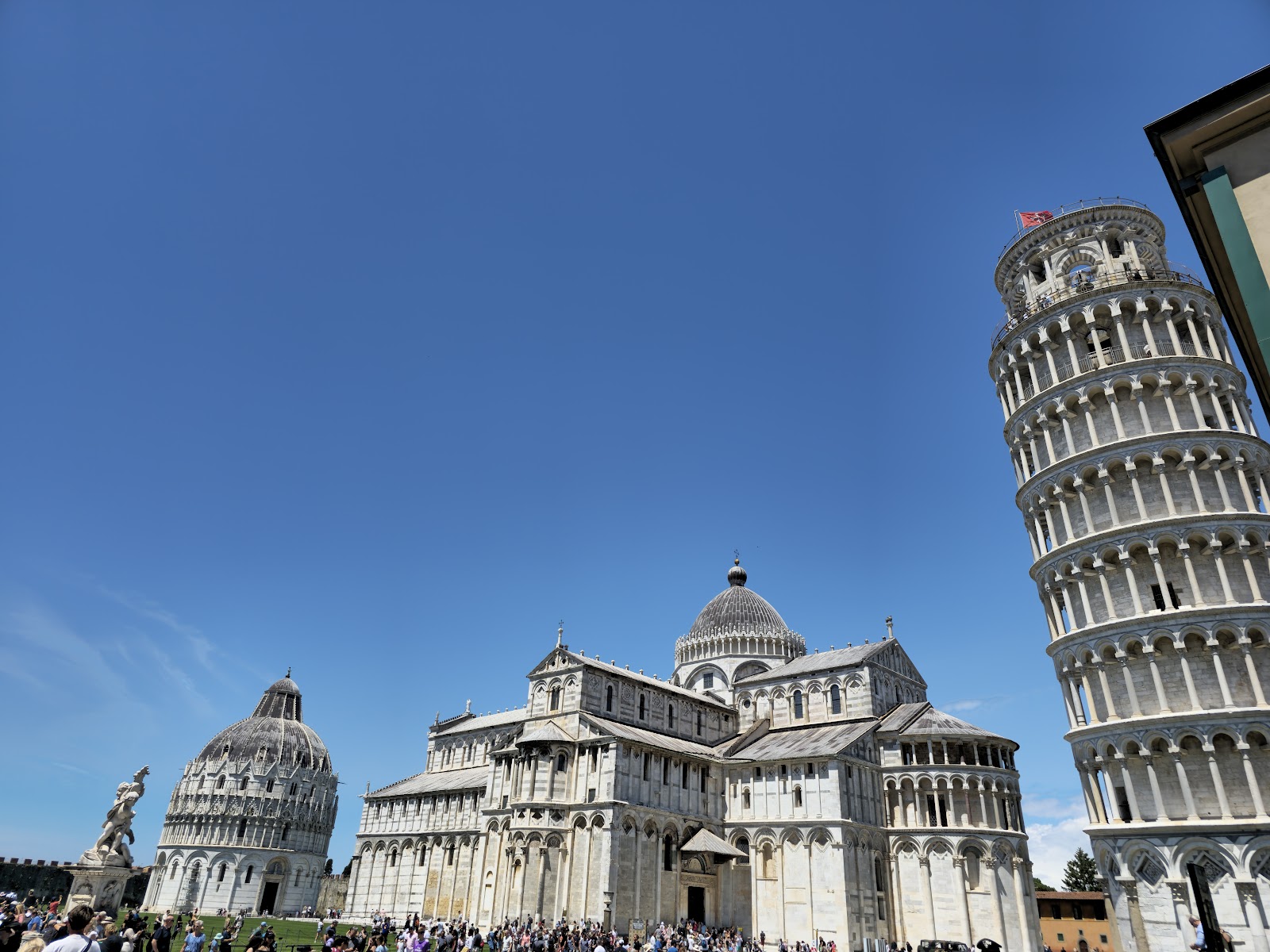
The Tower of Pisa is most rewarding as part of a walk through Piazza dei Miracoli, where its famous tilt feels more impressive than photographs suggest.
More photos
Photos published by travelers on Google, not AI generated.
What stands out
- The clearly visible architectural lean
- White marble tower in Piazza dei Miracoli
- Walking around the open square
- Classic tower-holding photographs
- Nearby parking and walkable access
Worth knowing
- Crowds around the classic photo spots
- The climb may not feel worth the admission cost for everyone
Don't miss
What comes up most in public reviews
- Walk around Piazza dei Miracoli
- See the tower from different angles
- Take the classic holding-up-the-tower photograph
- View the adjacent Pisa Cathedral
Worth the trip?
What the visit feels like
The Tower of Pisa is a landmark that delivers on its reputation. Public reviews repeatedly describe the first in-person view as more striking than expected, even for travellers who have seen countless photographs. The white marble tower visibly leans across the open space of Piazza dei Miracoli, creating an immediate sense of scale and perspective.
That visual impact is the main reason to come. The tower is not an abstract architectural curiosity viewed from a distance. Its tilt is obvious, and several reviews say it looks like it leans more dramatically in real life than people anticipate. The structure is identified in the public material as the freestanding bell tower of the adjacent Pisa Cathedral, with roots in the 12th century.
The square matters
Reviews make clear that the wider setting adds much of the appeal. Visitors enjoy walking around Piazza dei Miracoli, also known as the Square of Miracles, rather than treating the tower as a quick photo stop. The open layout gives the marble structure room to dominate the view. It also creates the classic perspective that has made this one of the world’s best-known photo locations.
The surroundings are easy to explore on foot after parking nearby. One review found parking simpler than expected, with several options in the area and a straightforward walk to the tower. The local area also has places to eat and drink, though the supplied reviews do not identify particular venues.
Photos and practical expectations
The familiar “holding up the tower” photograph is part of the experience. Reviews describe people across the square attempting the pose, so visitors who want a quieter visit should plan around busier periods. One traveller reported that a weekday visit was not too crowded, making that a useful timing clue, though the public reviews do not establish a broader seasonal pattern.
The reviews are less consistent on the value of going inside. One visitor felt the admission cost was not worthwhile, while the same review still considered the tower itself and the surrounding area worth seeing. The strongest shared recommendation is therefore visual: walk the square, take in the tower from different angles and decide separately whether climbing fits the itinerary.
Is it worth visiting?
For most first-time visitors to Pisa, yes. The tower is famous because it photographs well, but the reviews suggest that its physical presence is the real draw. The tilt, the pale marble and the spacious piazza combine into a scene that feels more substantial than a single monument encounter.
A half day is enough for the tower and a walk around the square. Travellers should allow time for photographs and avoid rushing straight back to transport. The attraction suits visitors who want a recognisable historic landmark, a memorable setting and an easy stop with strong visual rewards. It is less suited to anyone expecting a long, fully programmed museum visit.
Plan the rest of the trip
Ask anything
Looking for somewhere else?
Keep exploring around Pisa
More from Italy
Italy · Milano
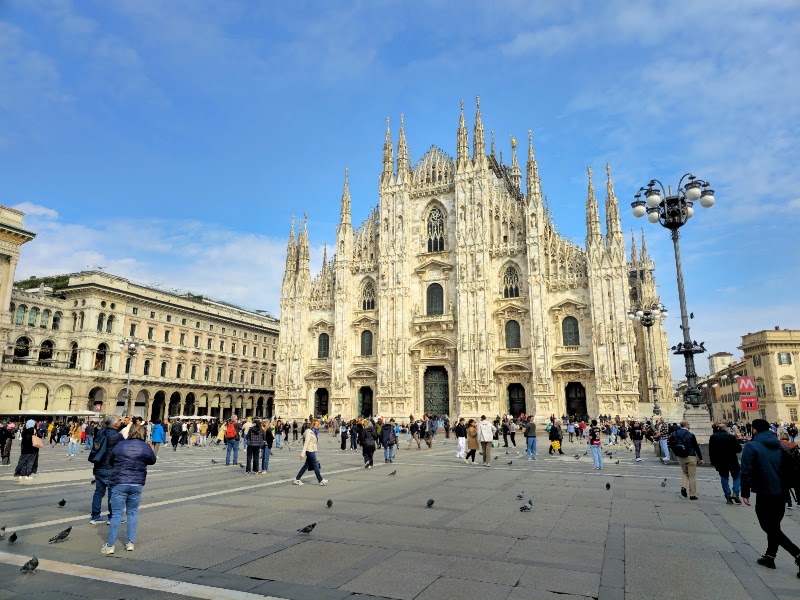
Duomo di Milano: Gothic Grandeur Above Milan
Public reviews praise the cathedral’s immense Gothic detail, peaceful interior and rooftop terraces, with the roof climb emerging as the clearest highlight.
Italy · Roma
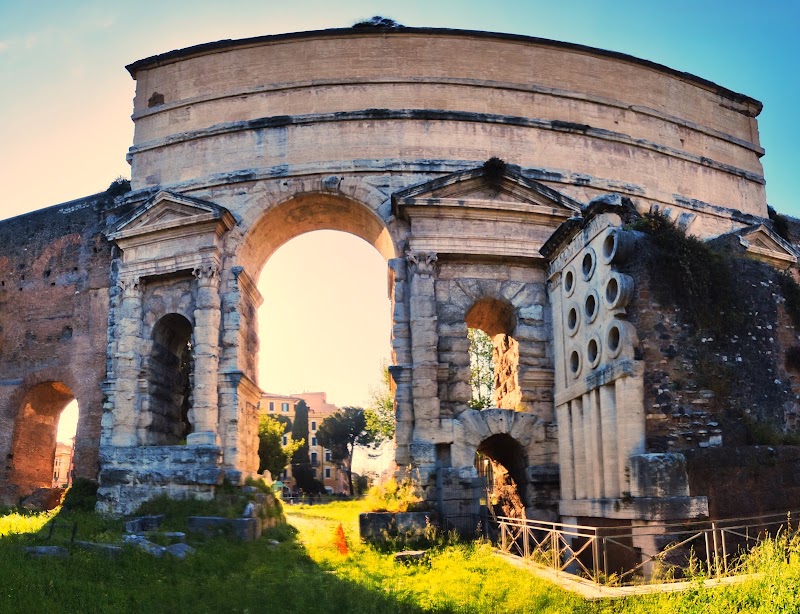
Porta Maggiore: Rome’s Monumental Aqueduct Gate
A powerful ancient gateway for visitors interested in Roman engineering, with impressive ruins and a rough-edged urban setting.
Italy · Roma
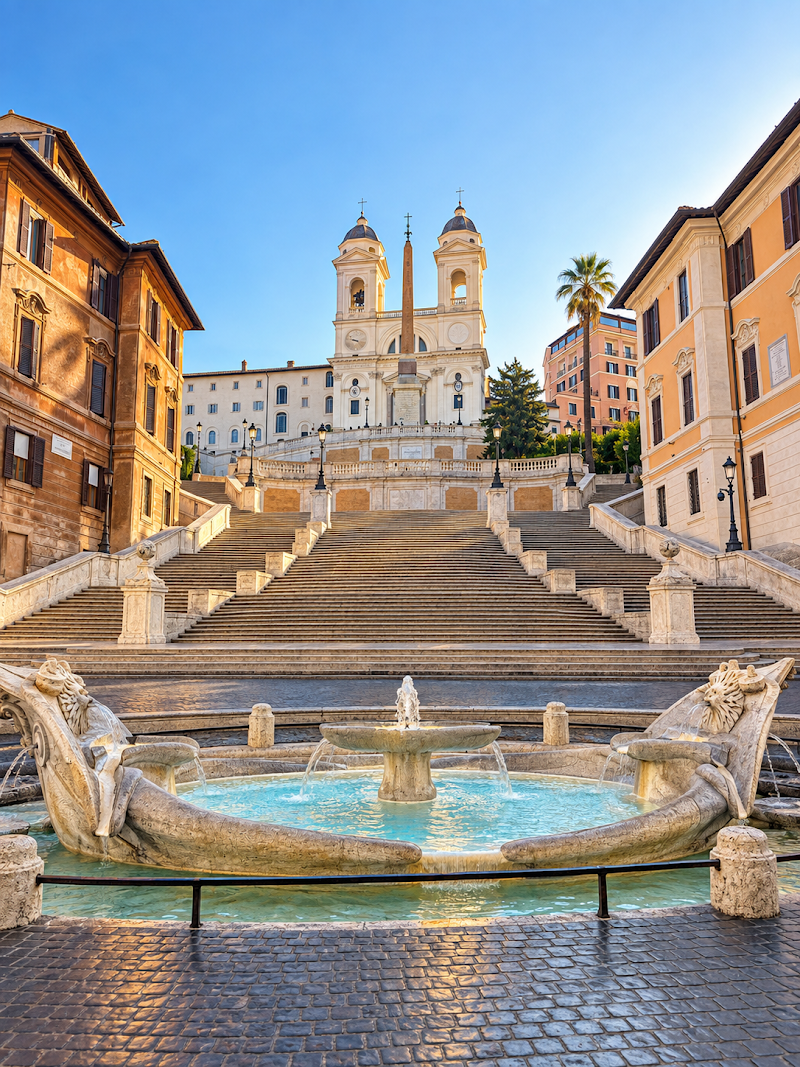
Spanish Steps: Rome’s Grand Staircase and City View
Rome’s Spanish Steps reward an early visit with elegant architecture, lively people-watching, a famous fountain and views over Piazza di Spagna.
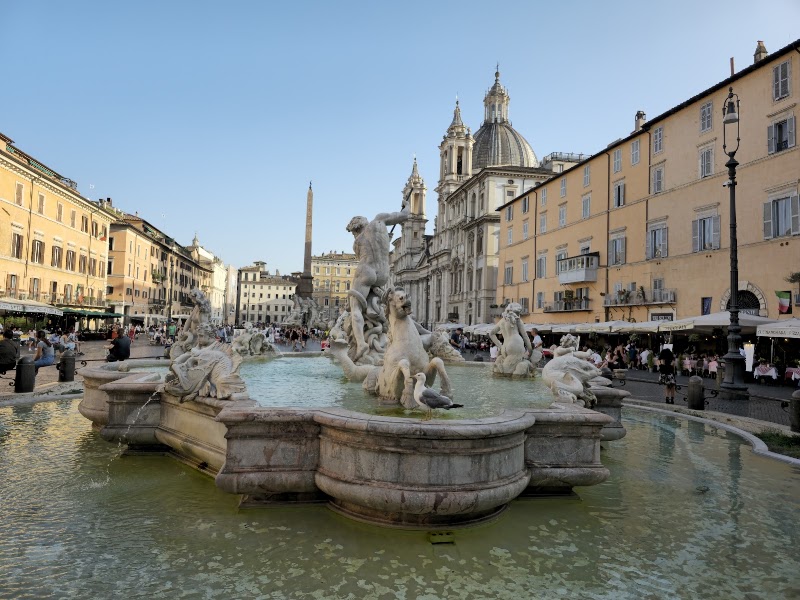
Italy · Roma
Piazza Navona, Rome’s Grand Baroque Gathering Place
Piazza Navona brings fountains, historic architecture, cafés and street life together in one of Rome’s most memorable public squares.