Topkapi Palace Museum: Ottoman History on a Grand Scale
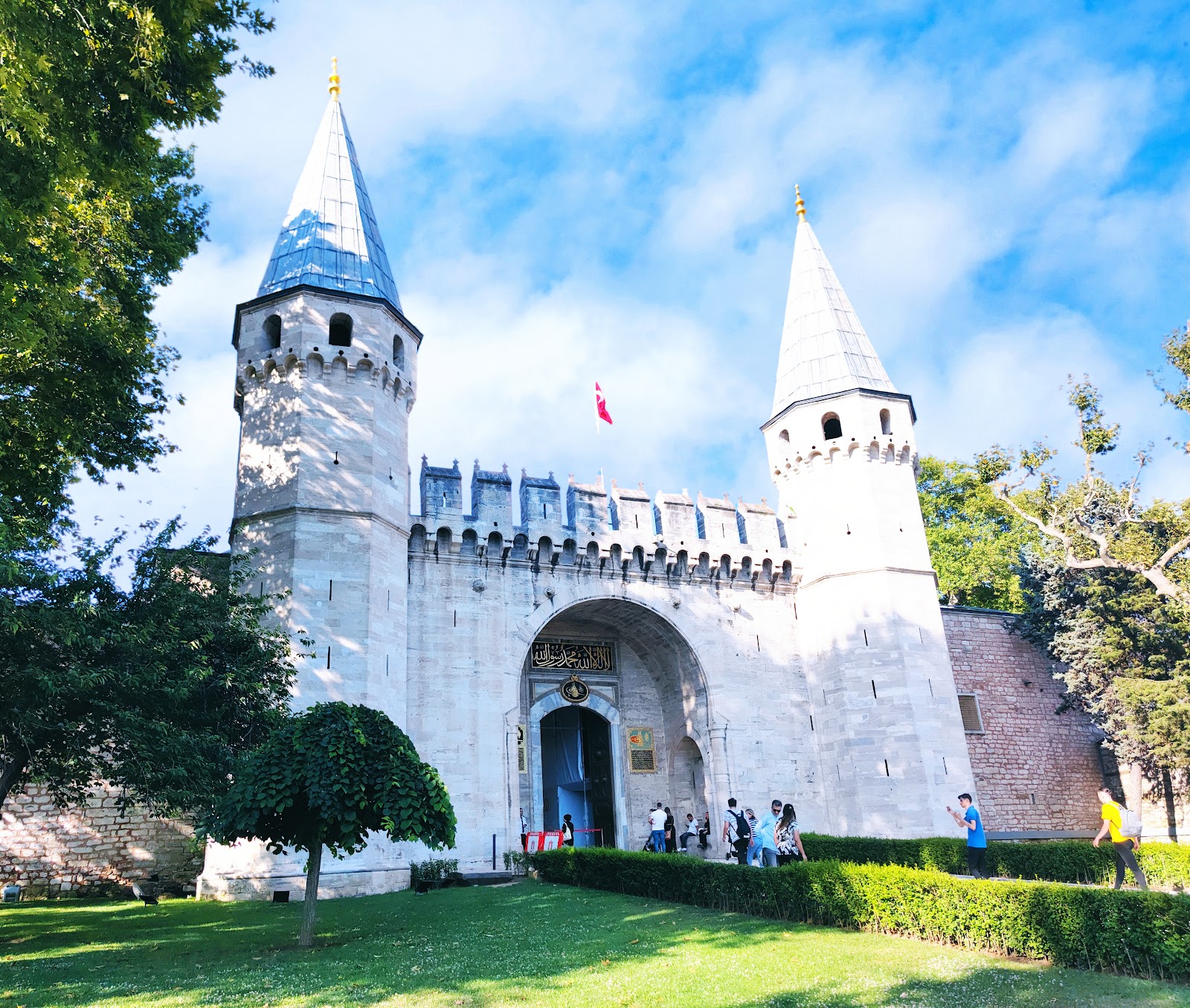
Topkapi Palace Museum rewards visitors who set aside several hours for its courtyards, gardens, views and richly presented Ottoman collections.
More photos
Photos published by travelers on Google, not AI generated.
What stands out
- Four interconnected courtyards
- Ottoman textiles, regalia and weapons
- İznik tiles and palace architecture
- Views over the Bosphorus and nearby waterways
- Peaceful gardens and open courtyards
Worth knowing
- The complex is large and requires substantial walking
- Allow at least two to three hours
- Some visitors find admission expensive
Don't miss
What comes up most in public reviews
- Walk through all four courtyards
- See the Ottoman textiles and kaftans
- Look for İznik tiles and calligraphy
- Spend time in the gardens
- Take in the Bosphorus, Golden Horn and Sea of Marmara views
Worth the trip?
A sprawling palace complex
Public ratings and traveller reviews present Topkapi Palace Museum as one of Istanbul’s major historical attractions. It is not a single grand residence that can be crossed quickly. The complex unfolds through four interconnected courtyards, gardens, pavilions and exhibition spaces, giving the visit a steady sense of discovery.
The scale is the main practical point. Several reviewers recommend allowing at least two to three hours, and some say visitors could spend considerably longer examining the buildings and displays. The layout also creates pauses between indoor galleries. Gardens and open courtyards offer space to slow down, with views that add another layer to the visit.
Collections that carry the visit
The reviews repeatedly praise the palace’s exhibitions and historical material. Ottoman textiles, kaftans, regalia, calligraphy, weapons and Islamic art are among the collections visitors single out. The displays are described as impressive, while the information provided helps place the objects within the wider history of the Ottoman Empire.
Architecture matters just as much. Travellers mention detailed masonry, painted surfaces and İznik tiles, along with the character of the pavilions and courtyards. The result is a visit that works for people interested in objects and for those who mainly want to understand how the palace was organised and used.
Views, gardens and atmosphere
Topkapi Palace Museum occupies Seraglio Point, and reviews consistently highlight its outlook. Visitors describe broad views over the Bosphorus, the Golden Horn and the Sea of Marmara. These are not an incidental backdrop. They help explain the palace’s setting and give the long indoor stretches a welcome change of pace.
The gardens are also frequently mentioned as a reason to take the visit slowly. Reviewers describe them as peaceful and pleasant, with a cool breeze in the open areas. That atmosphere distinguishes the complex from a purely gallery-based museum. It is a place for looking closely, then stepping outside to take in the city and water.
Planning the visit
The overall public rating is 4.6 from 120,558 reviews, and the written feedback is strongly positive. Travellers call the palace a highlight of an Istanbul trip and consider the visit worthwhile despite comments that admission can feel expensive. The available reviews do not establish a best season or time of day, so no firm timing recommendation can be drawn from them.
Visitors should arrive with enough energy for substantial walking and several hours of attention. The palace is large, and its appeal depends on seeing more than one courtyard or exhibition. Those with a particular interest in Ottoman history may find the setting especially rewarding. One review also shows how the palace can deepen a personal interest in Hürrem Sultan and the world associated with Sultan Suleiman, though the wider collection remains the main draw.
Plan the rest of the trip
Ask anything
Looking for somewhere else?
Keep exploring
More from Türkiye
Türkiye
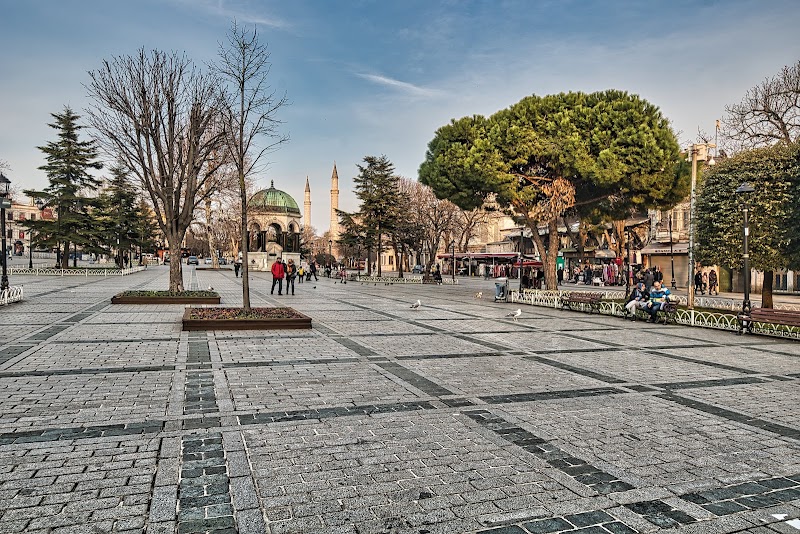
Sultanahmet Square: Istanbul’s Historic Open-Air Landmark
Sultanahmet Square puts major Istanbul landmarks, gardens and historic monuments within an easy, walkable public space.
Türkiye
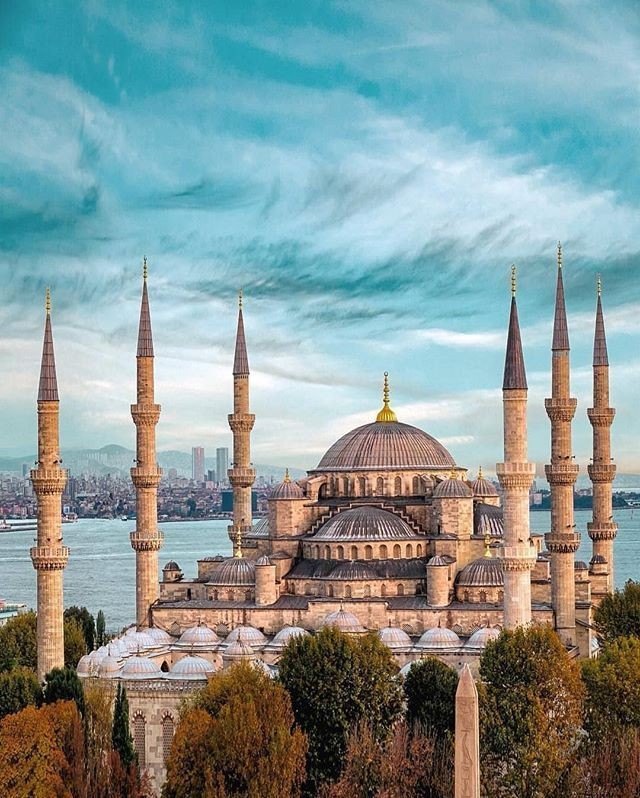
The Blue Mosque: Istanbul’s Iconic Place of Worship
Public reviews praise the Blue Mosque’s Ottoman architecture, blue Iznik tiles and calm atmosphere in the heart of Istanbul.
Türkiye
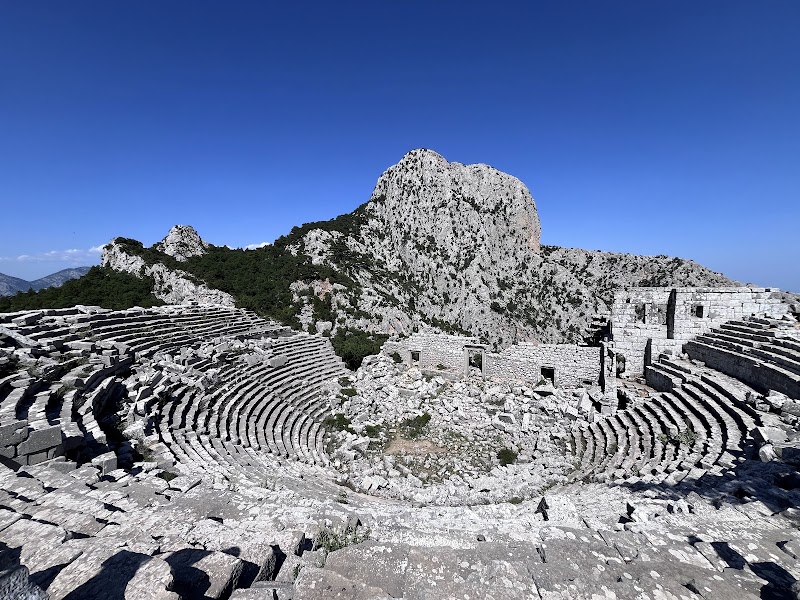
Termessos Ruins: A Mountain Citadel Worth the Climb
Termessos rewards prepared visitors with extensive ruins, rugged trails and sweeping views from a mountain setting above Türkiye’s Mediterranean coast.
Türkiye
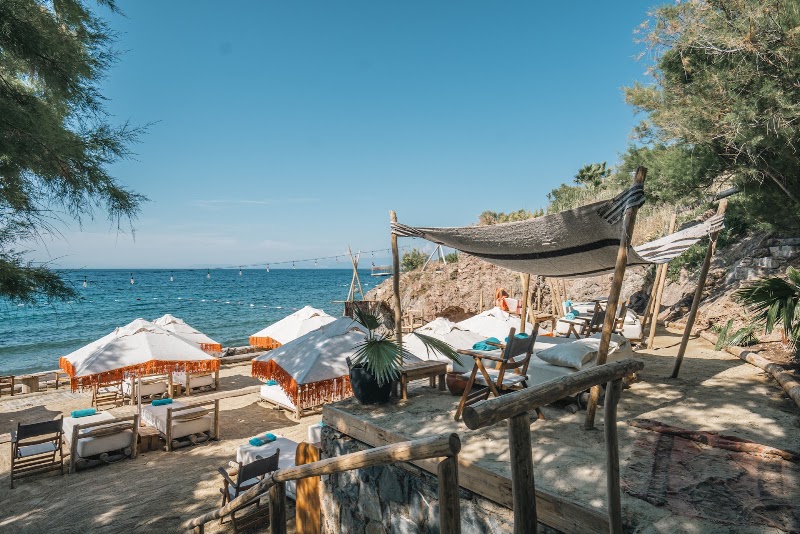
La Local Beach&Hotel Yalikavak: Beachfront Ease in Bodrum
Public reviews point to a clean, relaxed beachfront stay with comfortable rooms, helpful service and an on-site restaurant by the water.