Tomb of National Heroes: A Solemn Kalemegdan Memorial
This austere memorial in Belgrade’s Kalemegdan Fortress offers a quiet place to consider Yugoslavia’s wartime and socialist history.
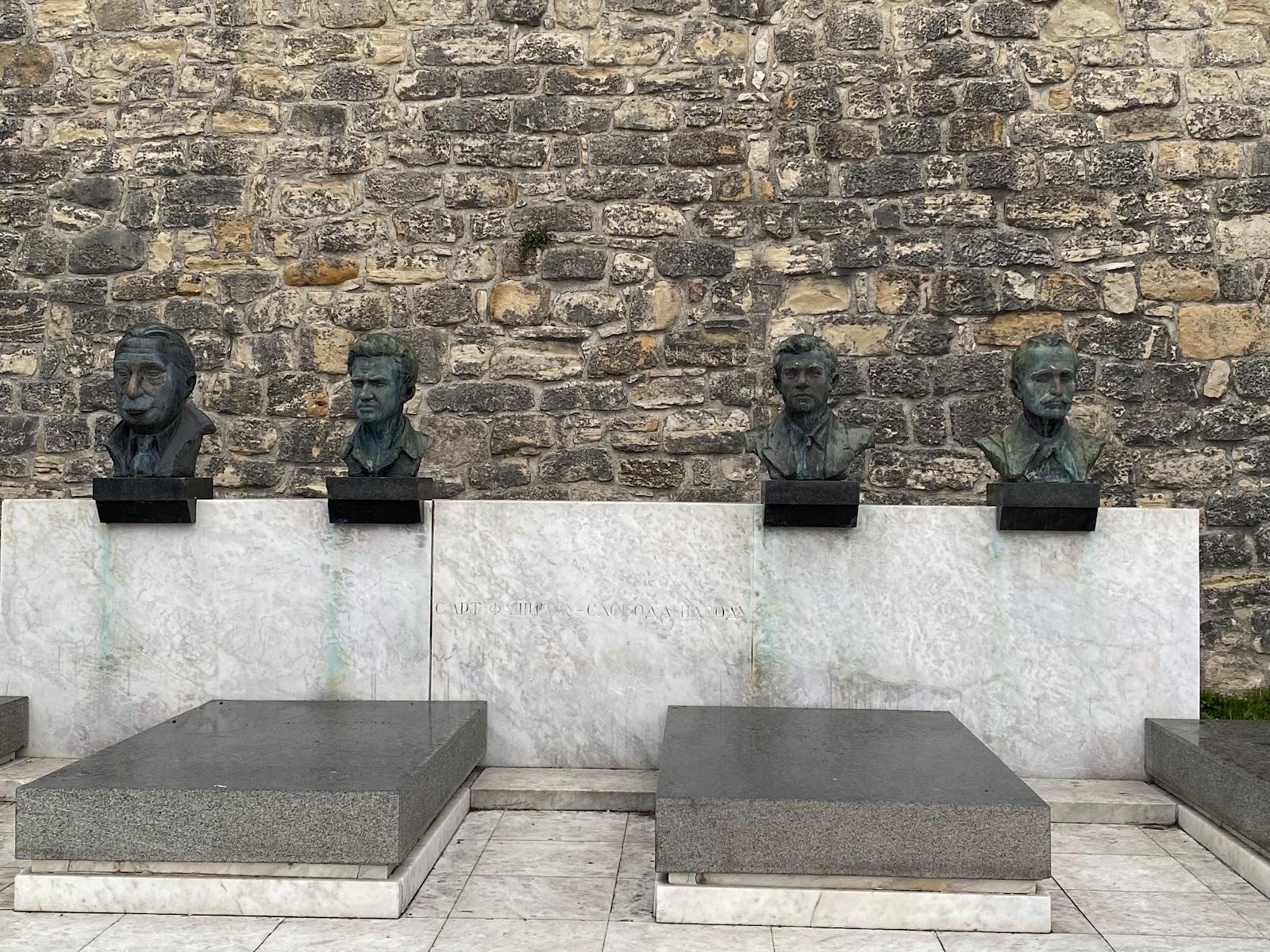
More photos
Photos published by travelers on Google, not AI generated.
What stands out
- Solemn, reflective atmosphere
- Simple and dignified memorial layout
- Busts and commemorative plaques
- Historic Kalemegdan Fortress setting
- Yugoslav socialist-era context
Worth knowing
- Austere rather than decorative
- Historical context may help interpretation
- Limited review sample
Don't miss
What comes up most in public reviews
- Read the commemorative plaques
- Examine the memorial busts
- Consider the granite mausoleum design
- Look for Ivo Lola Ribar and Đuro Đaković
- Pause for reflection on a quiet weekday
Worth the trip?
Why it stands out
Public feedback presents the Tomb of National Heroes as a compact but affecting historical landmark within Belgrade’s Kalemegdan Fortress. With a Google rating of 4.6 from 55 reviews, it earns particular praise for its solemn atmosphere and the sense of history concentrated in a relatively simple memorial.
Several reviewers describe it as a must-see for travellers interested in Belgrade’s past. The appeal is not based on elaborate architecture or spectacle. Instead, it comes from the site’s austere appearance, its association with Yugoslavia’s socialist era and its commemoration of people linked to resistance against fascism during the Second World War.
Memorial design and historical weight
The tomb is described in public reviews as a granite mausoleum erected in 1948. One detailed account says it contains the remains of 41 National Heroes, predominantly communist Partisan figures. Ivo Lola Ribar and Đuro Đaković are among the individuals specifically named by reviewers.
Its design appears intentionally restrained. Reviews mention busts and plaques, along with a simple, dignified layout that keeps attention on the people being commemorated. Travellers repeatedly respond to the historical significance rather than decorative detail. The result is a memorial that can feel stark, especially for those arriving without much background on Yugoslav history, but that restraint is also central to its impact.
The terminology varies in public descriptions, with references to both the Tomb of National Heroes and the Tomb of People’s Heroes. That variation reflects the political and historical context surrounding the memorial rather than a difference in the site itself.
What the experience is like
The strongest review pattern is one of respectful reflection. Visitors describe the memorial as moving, inspiring and well maintained. Its plaques and busts provide focal points for considering the lives and political legacy of those represented, while the fortress setting places the tomb within a broader landscape of Belgrade history.
A quiet weekday appears to offer the most contemplative experience. One reviewer specifically valued being able to pause without disturbance, suggesting that the memorial works best when it is not treated as a hurried photo stop. At the same time, the limited amount of physical detail means that travellers unfamiliar with Yugoslavia’s wartime and socialist history may benefit from reading some context beforehand.
Editorial verdict
Synthesizing the available reviews, the Tomb of National Heroes is best suited to history-focused travellers already exploring Kalemegdan Fortress. It is a serious, understated landmark rather than a visually lavish attraction. The memorial’s value lies in its atmosphere, its political significance and the opportunity it creates for quiet reflection.
The small review sample calls for some caution when assessing broad visitor consensus, but the feedback provided is consistently positive. For those interested in the Second World War, the Partisan movement or the public memory of socialist Yugoslavia, it adds a meaningful historical layer to a visit to Kalemegdan.
Plan the rest of the trip
Ask anything
Looking for somewhere else?
Keep exploring around Beograd
More from Serbia
Serbia · Novi Pazar
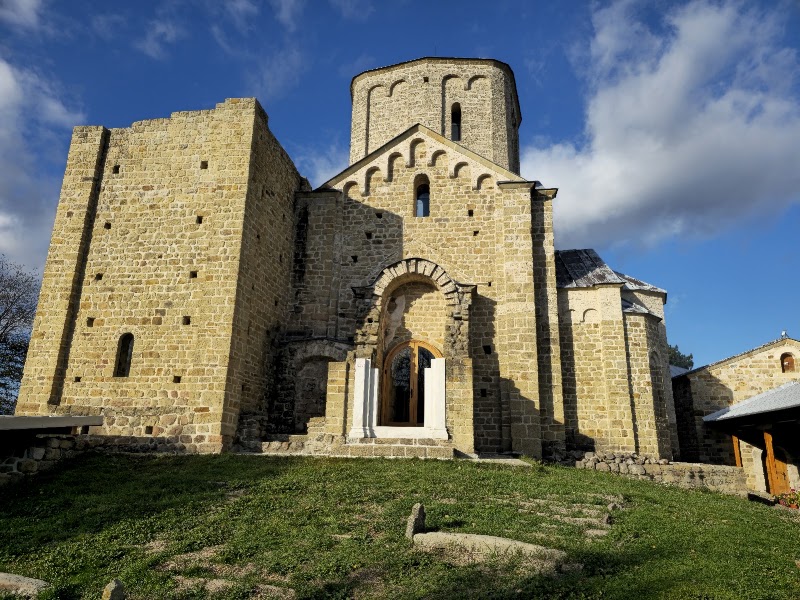
Đurđevi Stupovi Monastery: Peace Above Novi Pazar
Hilltop views, deep historical significance and a notably peaceful atmosphere make this monastery a standout stop near Novi Pazar.
Serbia · Gračanica
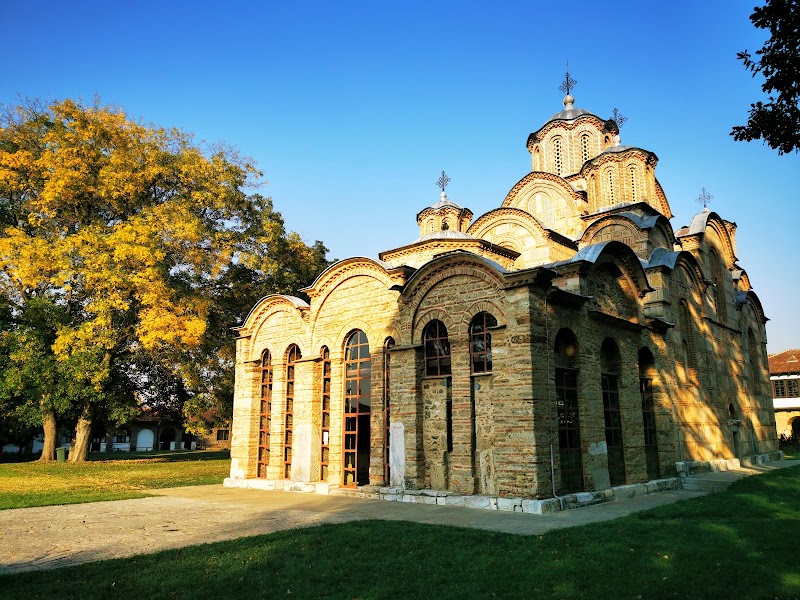
Gračanica Monastery: medieval architecture and frescoes
Near Priština, this Serbian Orthodox monastery draws exceptional praise for its five-domed church, historic frescoes and peaceful grounds.
Serbia · Strmosten
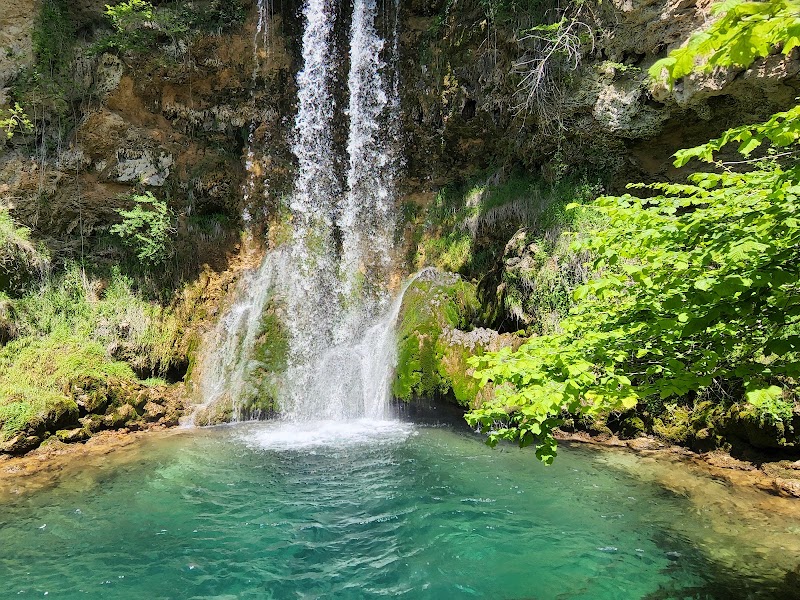
Veliki Buk Waterfall: A Scenic, Easy-Access Stop
Strong visitor feedback points to a compact, well-kept waterfall stop with attractive road scenery, straightforward access and striking winter views.
Serbia · Beograd
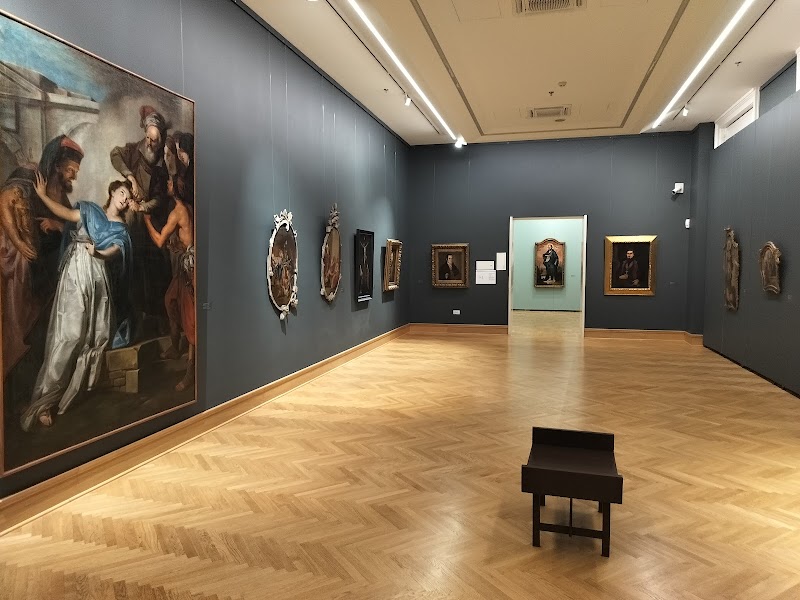
National Museum of Serbia: Art and History Across Three Floors
Belgrade’s national museum combines archaeology, Serbian heritage and European art in a handsome, centrally located building.