Tomb of Lihyan son of Kuza, Madain Salih
A monumental Nabataean tomb carved into sandstone, praised in public reviews for its scale, detail and setting within Hegra.
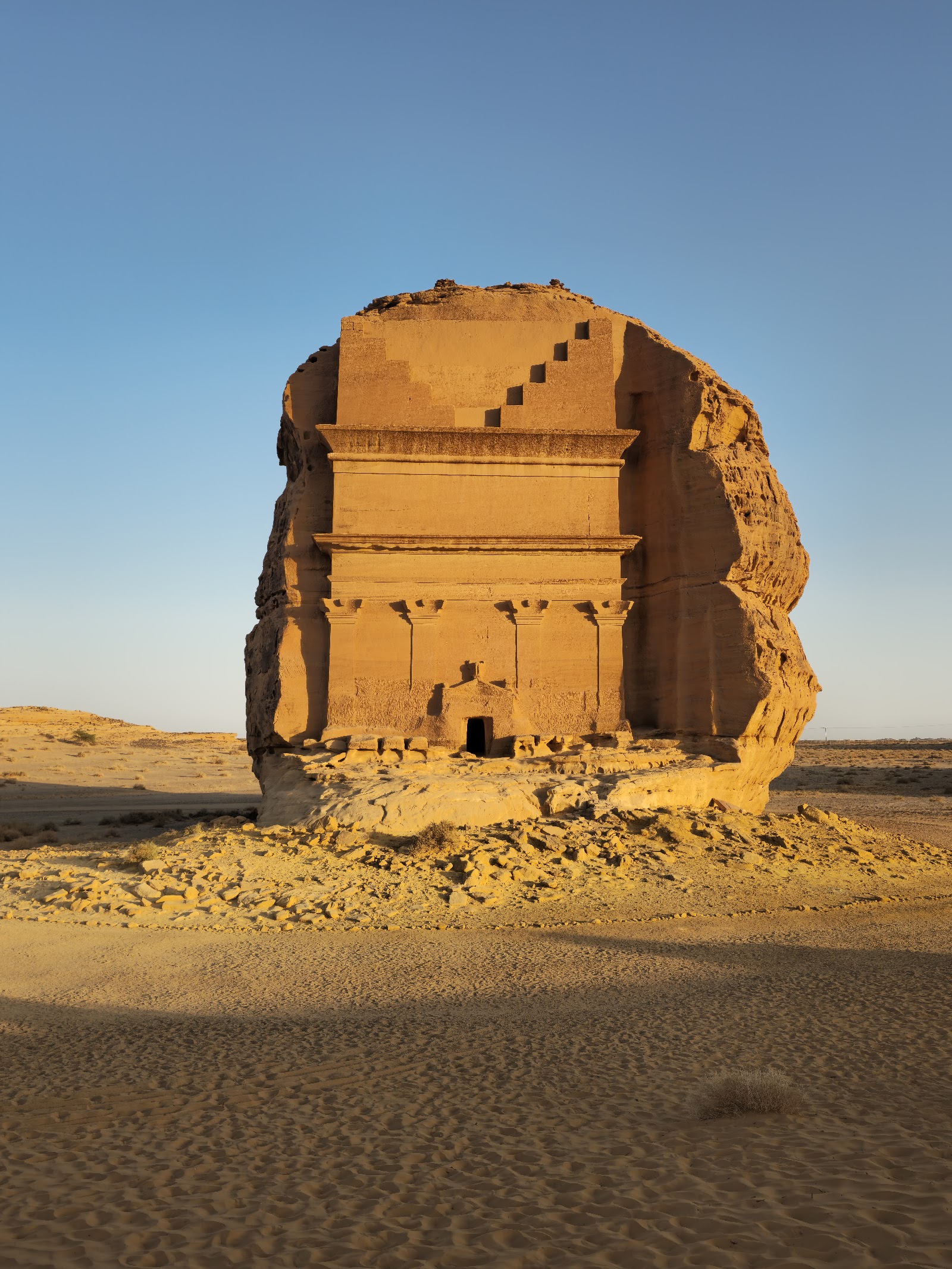
More photos
Photos published by travelers on Google, not AI generated.
What stands out
- Towering sandstone façade
- Detailed Nabataean craftsmanship
- Ancient inscriptions
- Vast desert setting
- Well-maintained Hegra tour stop
Worth knowing
- Advance online booking is required for the Hegra tour
- Access is organised through a bus tour
Don't miss
What comes up most in public reviews
- Study the carved façade
- Look for the detailed inscriptions
- Listen to the tour storytelling
- Take in the surrounding desert scenery
Worth the trip?
The Tomb of Lihyan son of Kuza is one of the most striking landmarks in Madain Salih, Saudi Arabia. Public reviews give it a 4.7 rating from 904 reviews, with visitors repeatedly focusing on the same qualities: its towering sandstone façade, the precision of its carving and the sense of history surrounding it.
A landmark built for scale
The tomb is carved high into a large sandstone outcrop, giving it an immediate visual presence. Reviewers describe the structure as iconic, breathtaking and among the most beautiful man-made sights in the area. Its size matters. The façade does not sit quietly in the landscape; it rises above the surrounding desert and becomes the clear focal point of the visit.
The craftsmanship also receives sustained attention. Public comments refer to sharp Nabataean carving, detailed inscriptions and the skill required to shape the mountain itself. That combination of architecture and geology is central to the appeal. The rock is not simply a backdrop. It forms the monument.
History in the desert
Reviewers connect the tomb with Nabataean civilisation and describe the site as a place where ancient stories become easier to imagine. One account highlights the historical explanations provided during a tour, saying the storytelling made the building process feel vivid. Another points to the inscriptions and the enduring significance of the tombs in Hegra.
The surrounding landscape adds to that response. Visitors write about vast desert scenery, dramatic rock formations and the contrast between the detailed façade and the open space around it. The result is a landmark that works visually even before the historical context is explained, but the guided commentary appears to deepen the experience.
What the visit involves
The public reviews identify the tomb as part of the Hegra tour. They say the tour needs to be booked online through the Experience AlUla application and that a bus tour is arranged to reach the sites within Hegra. That makes advance planning important. The listing does not establish an independent walk-in visit, so travellers should check the current booking requirements before setting out.
Reviewers also describe the site as well maintained. The organised format suits visitors who want a structured introduction to Madain Salih rather than an unaccompanied stop. The tour setting can also help explain the Nabataean workmanship, the inscriptions and the historical role of the tombs.
Who should go
This landmark suits travellers interested in archaeology, ancient architecture and large-scale desert scenery. It is especially rewarding for people who want a memorable central sight within a wider Hegra visit. Photography-minded visitors will find strong subjects in the façade, the sandstone outcrop and the open landscape, while history-focused travellers should listen closely to the tour explanation.
The public response is consistently enthusiastic, but the experience depends on joining the organised Hegra route and arranging access in advance. The tomb itself is the star. Its scale is hard to miss.
Plan the rest of the trip
Ask anything
Looking for somewhere else?
Keep exploring around Madain Salih
More from Saudi Arabia
Saudi Arabia
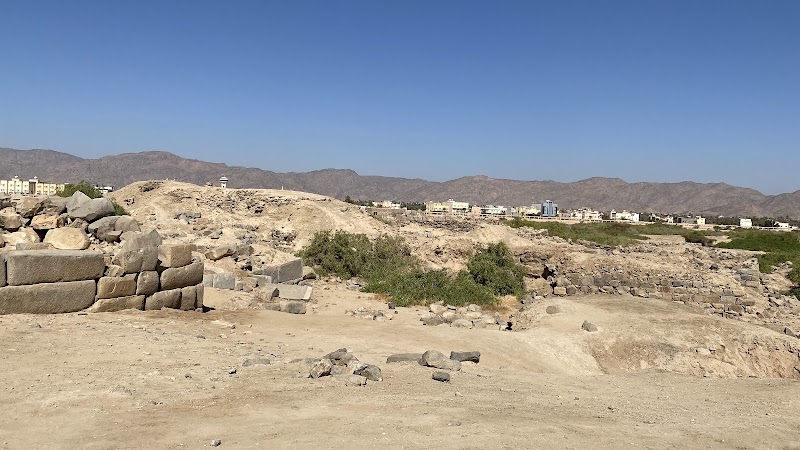
Al Ukhdud Archaeological Site: Najran’s Ancient Ruins
Public reviews describe a reflective heritage visit in Najran, with historic ruins, carvings and a walk through a site linked to the People of the Ditch.
Saudi Arabia · Hanak
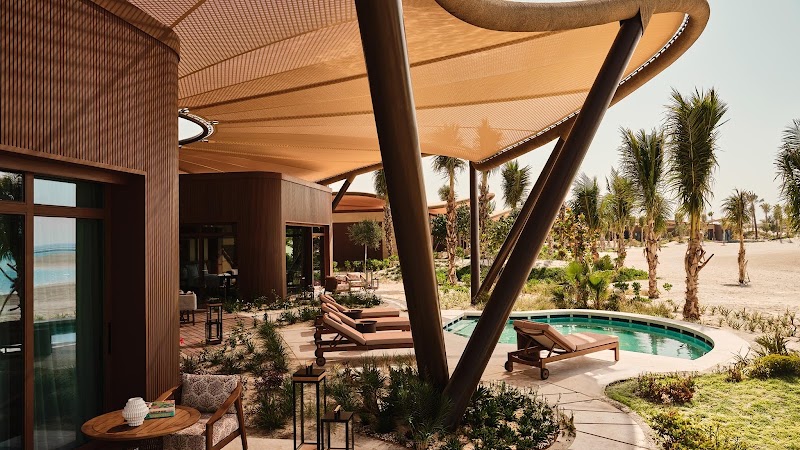
Four Seasons Red Sea: Polished Service on Shura Island
Public reviews point to a refined new resort with spacious rooms, warm staff and a calm dining experience at AlFurn.
Saudi Arabia · Umluj
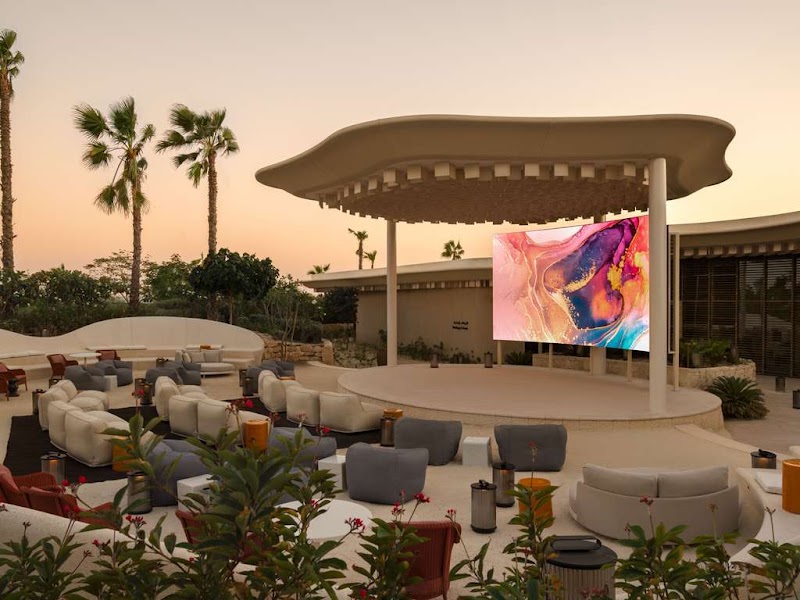
SLS The Red Sea: Service-Led Stays in Umluj
Public reviews point to a polished resort stay shaped by attentive service, lagoon views and memorable dining moments.
Saudi Arabia · Hanak
The Red Sea EDITION: Polished Service by the Sea
Public reviews praise the resort’s design, cleanliness, attentive staff and clear sea, with one review flagging an uneven departure experience.