Tian Tan Buddha: Big Views and a Peaceful Climb
Public reviews praise this Hong Kong landmark for its serene atmosphere, scenic setting and expansive views after the long staircase.
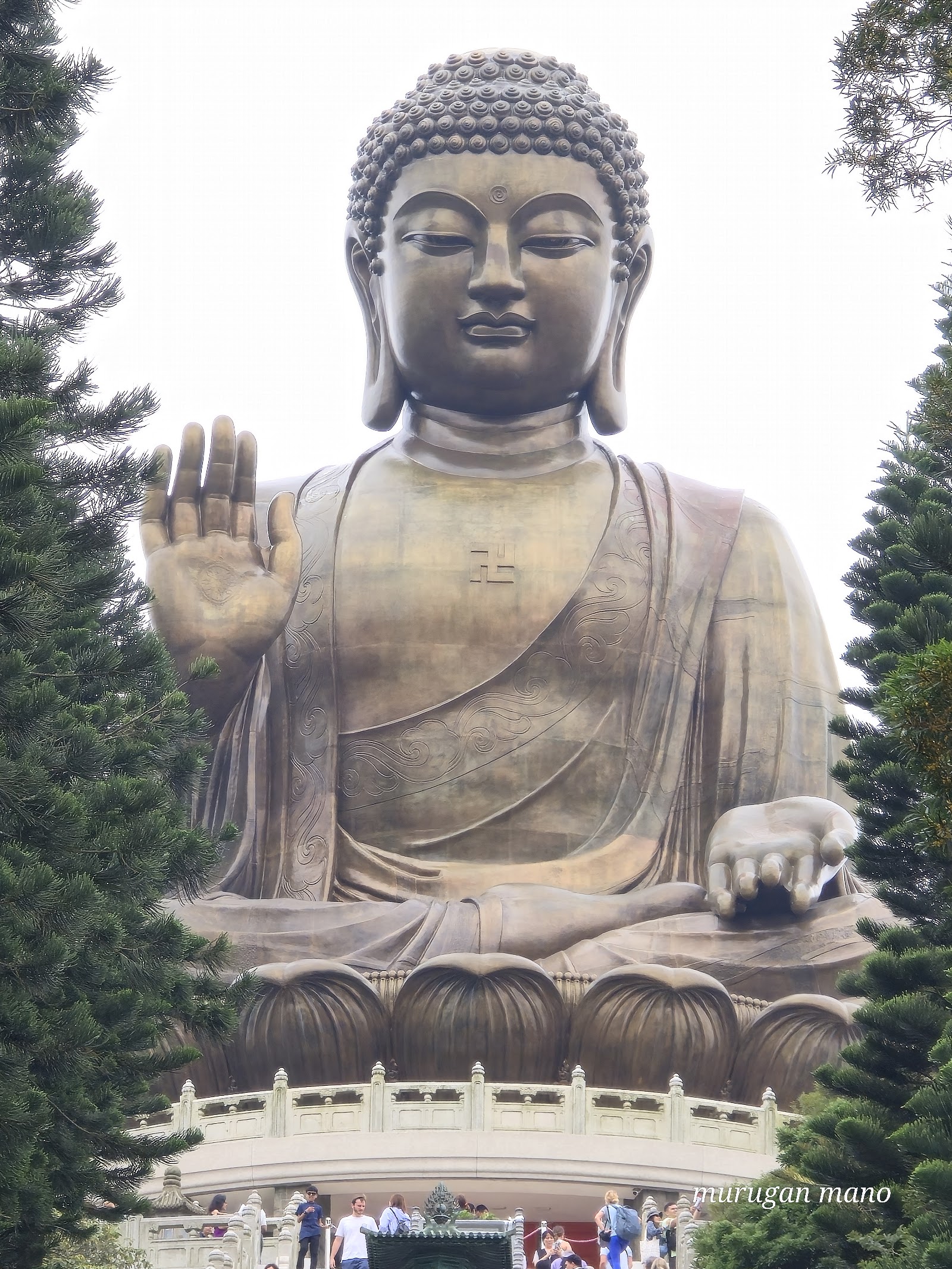
More photos
Photos published by travelers on Google, not AI generated.
What stands out
- Peaceful, reflective atmosphere
- Mountain and island views
- Picturesque setting for photography
- Rewarding climb to the top
Worth knowing
- Roughly 300 steps to the top
- Weekend queues and bus surges
- Rain may make the climb less comfortable
Don't miss
What comes up most in public reviews
- Climb the staircase to the Buddha
- Take in the views from the top
- Spend quiet time around the monument
- Visit early for a calmer atmosphere
Worth the trip?
What the reviews say
Tian Tan Buddha earns a Google rating of 4.6 from 19583 reviews, with public feedback repeatedly focusing on three qualities: peaceful surroundings, impressive scenery and the sense of achievement that comes with reaching the top. Also known to many visitors as the Big Buddha, the monument is presented as both a major sightseeing stop and a place for quiet reflection.
Reviewers use words such as serene, divine and mesmerizing to describe the atmosphere. Several accounts suggest that the landscape is central to the experience rather than simply a backdrop. Mountains, island scenery and changing weather all shape how the site feels. Clear conditions reveal broad views, while one visitor found that clouds and rain gave the landmark an especially calm, photogenic character.
The staircase and views
The climb is one of the defining parts of a visit. Reviews describe roughly 300 steps leading to the upper level, so the approach requires a reasonable level of mobility and energy. Those who complete it consistently highlight the outlook from the top, including views across the island and toward the surrounding mountains.
Photography is another recurring theme. Travellers describe the setting as picturesque, with the monument, staircase and mountainous background providing the main visual appeal. A cool breeze at the top also receives a positive mention, adding to the sense of relief after the ascent.
The experience is not limited to scenery. Reviews refer to prayer, meditation and quiet time around the Buddha, while one visitor mentions seeing relics and carvings inside. The nearby monastery also adds cultural and spiritual context, particularly for those arriving around opening time. Overall, the strongest feedback comes from travellers who allow enough time to climb steadily, pause at the top and take in the surroundings rather than treating the monument as a quick photo stop.
When to visit
Timing can make a substantial difference. Early visits are associated with fewer people and a more peaceful atmosphere. Weekdays receive similar praise, with one account specifically noting the absence of heavy queues and weekend bus surges. Together, these reviews point to an early weekday visit as the best choice for a quieter experience.
Weather matters too. Good conditions improve the distant views, but public feedback suggests that light rain or cloud need not spoil the visit. Raincoats and umbrellas made one wet-weather trip more comfortable. Visitors primarily interested in panoramas should favour a clear forecast, while those drawn to atmosphere and photography may still appreciate mistier conditions.
Who will enjoy it
Tian Tan Buddha is best suited to sightseers interested in landscape, photography, culture and reflective spaces. Reviewers suggest allowing three to four hours for the wider experience, particularly when including the climb, time at the summit and the monastery area.
The main limitation is physical access. The long staircase may be demanding for some visitors, and wet steps can require additional care. For those comfortable with the ascent, public reviews indicate that the combination of scale, calm and mountain views makes this one of Hong Kong’s most memorable landmark experiences.
Plan the rest of the trip
Ask anything
Looking for somewhere else?
Keep exploring
More from Hong Kong
Hong Kong
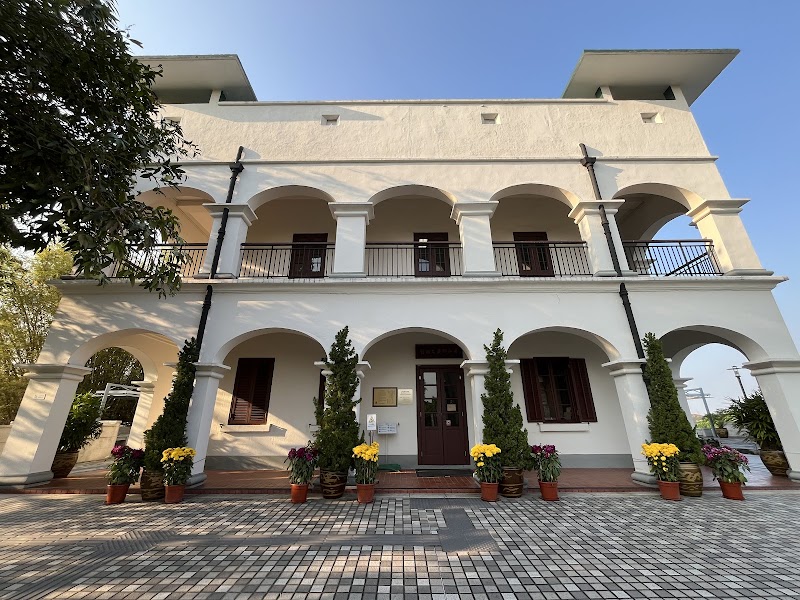
Ping Shan’s clan history in a preserved police station
This compact heritage centre pairs a simple local exhibition with a renovated historic building and hilltop views over the surrounding area.
Hong Kong
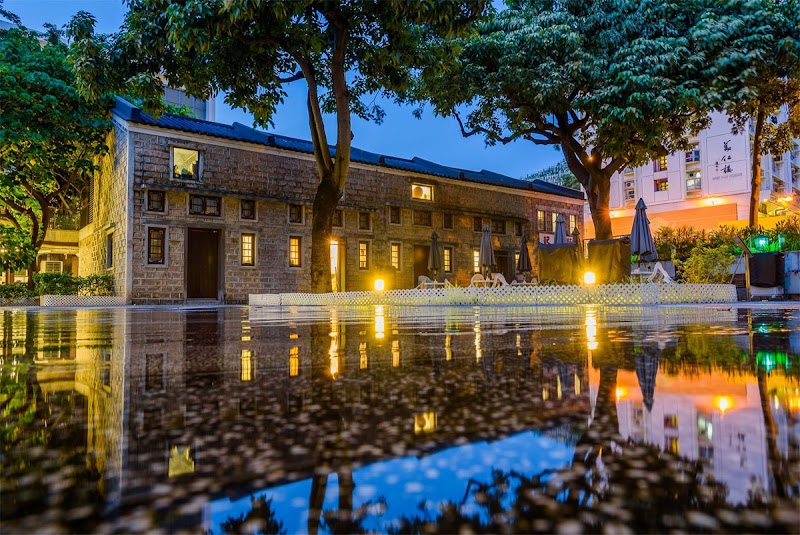
Stone Houses Family Garden: Heritage, café and local stories
This compact Kowloon City heritage stop combines a small neighbourhood museum, a garden and a café in a former school building.

Hong Kong
Heritage of Mei Ho House: Hong Kong’s Housing Story
This Sham Shui Po museum uses restored living spaces and guided tours to illuminate Hong Kong’s public housing history and postwar social change.
Hong Kong
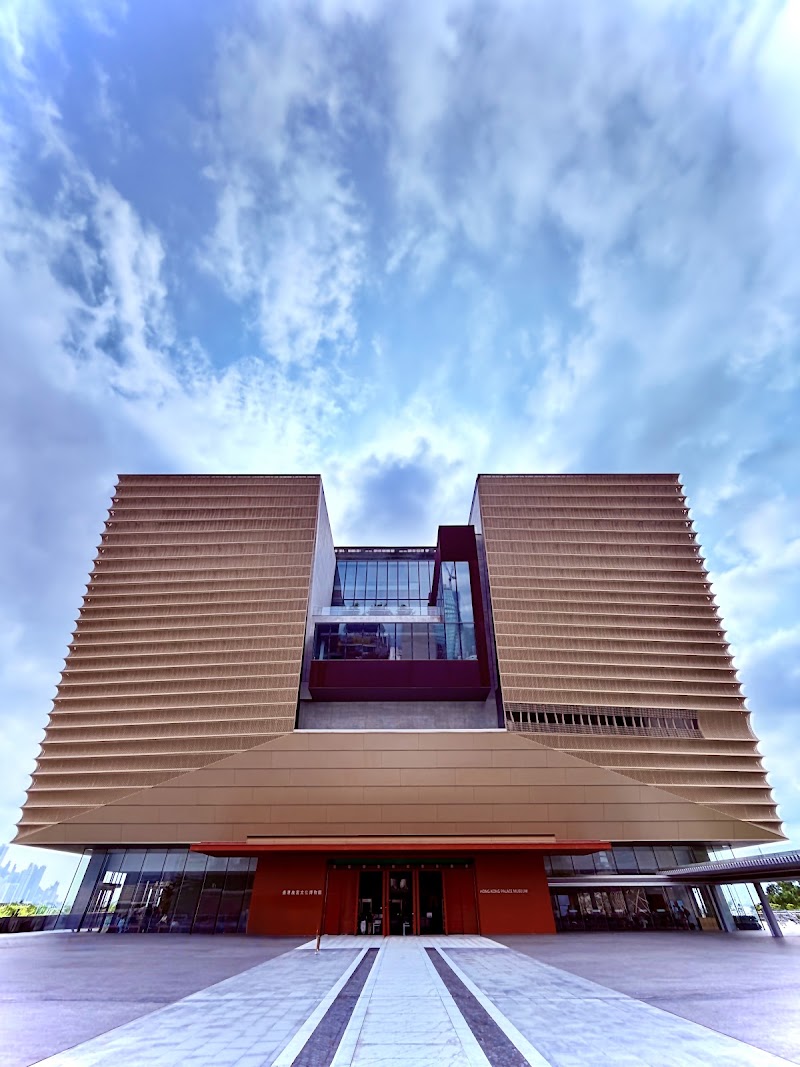
Hong Kong Palace Museum: Imperial Art by the Harbour
Strong public reviews praise its imperial treasures, engaging displays, modern architecture and thoughtfully curated visiting exhibitions.