Thuburbo Majus: A Quiet Roman City Near El Fahs
Thuburbo Majus offers a spacious, low-crowd Roman archaeological site with surviving mosaics, broad views and enough remains for a thoughtful half-day visit.
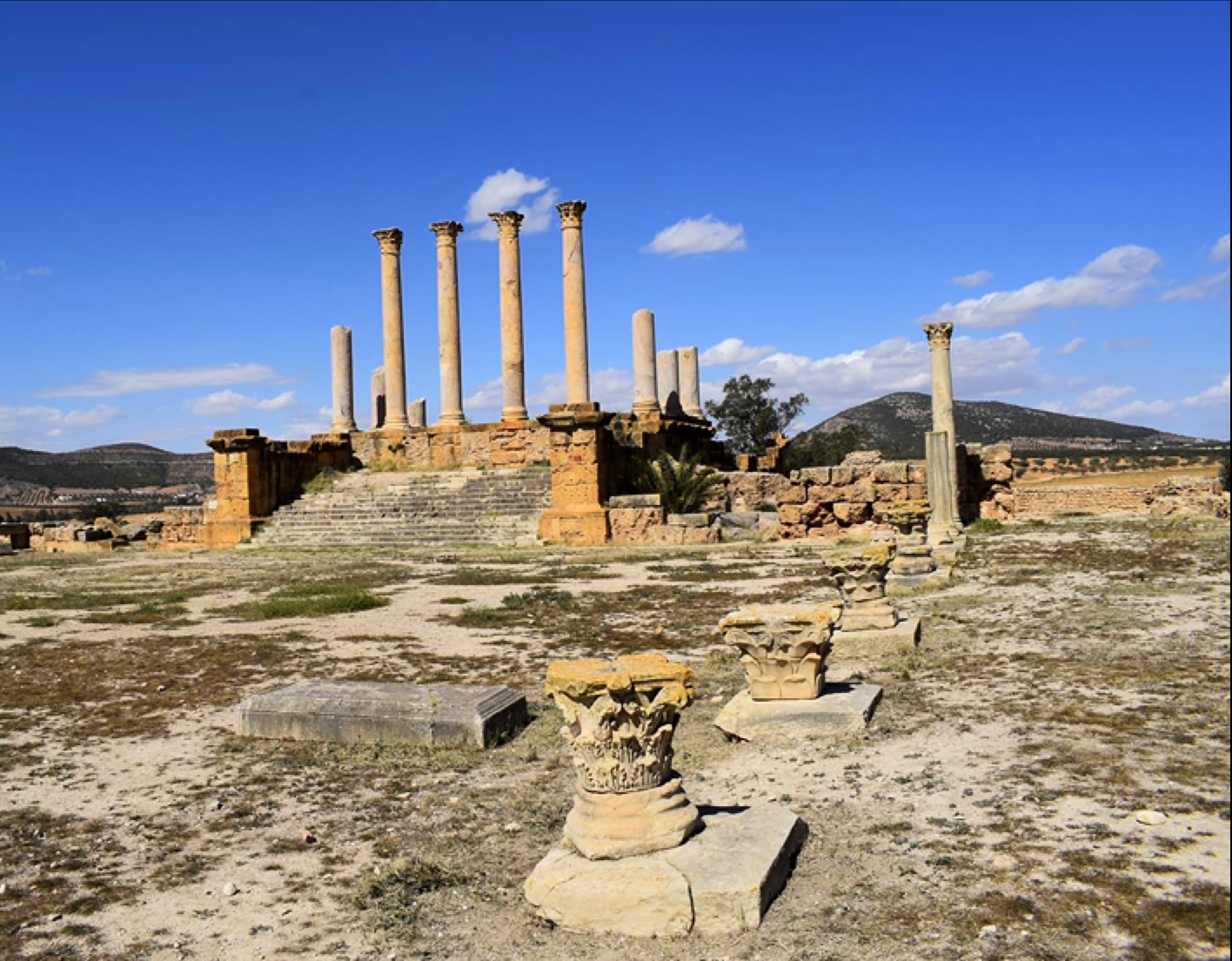
More photos
Photos published by travelers on Google, not AI generated.
What stands out
- Low visitor numbers
- Picturesque setting and views
- Surviving floor mosaics
- Relatively intact Roman structures
- Spring wildflowers
Worth knowing
- Some areas, including the amphitheater, are neglected
- Hot conditions can make walking difficult
- A little far from the city
Don't miss
What comes up most in public reviews
- The surviving floor mosaics
- The amphitheater
- The open views around the site
- The Roman city remains
Worth the trip?
What the reviews show
Thuburbo Majus Archaeological Site has a Google rating of 4.6 from 339 reviews. Public feedback consistently presents it as a quiet, spacious place where visitors can examine the remains of a provincial Roman city without the crowds found at more heavily visited Tunisian landmarks.
The site is not described as uniformly preserved or dramatic. Its appeal lies in scale, atmosphere and the way the surviving structures make ancient urban life easier to imagine. One reviewer had the site almost entirely to themselves on a hot June visit. Others found it pleasant, beautiful and sufficiently extensive for an hour, two hours, or even up to three hours of exploration.
What stands out
The setting receives repeated praise. Visitors mention picturesque surroundings, open views and spring wildflowers, which can add colour to the stonework and paths. Several reviews say the location helps create a clear sense of how life may have unfolded in Roman times.
Some structures remain relatively intact, and mosaics can still be seen on the floors. The remains are spread across a large area, so the experience is more about walking, looking closely and building an impression of the city than moving quickly between a few polished monuments.
The amphitheater is specifically noted, though one review says parts of it are neglected. That comment reflects a wider picture of medium maintenance. Thuburbo Majus is valued for its authenticity and calm, not for a fully restored presentation.
Planning the visit
Reviews suggest allowing at least an hour, with two to three hours better suited to visitors who want to explore at an unhurried pace. The site is described as a little far from the city, so it works best as a planned stop rather than a brief walk-in attraction.
Spring is the strongest seasonal choice in the available feedback. One visitor found the archaeological grounds surrounded by wildflowers in bloom. June can be hot, and that matters on an expansive site with little shade mentioned in the reviews. An early or later visit during a hot-weather day would be sensible, though the public feedback does not establish official opening conditions.
Who should go
Thuburbo Majus suits travellers interested in Roman history, archaeological landscapes and quieter excursions near El Fahs. It also works for visitors who prefer to study ruins at their own pace. Those seeking the most spectacular ancient sites in Tunisia may rank Dougga, Bulla Regia or Uthina, also called Oudna, higher. The reviews name all three as stronger regional comparisons.
Still, Thuburbo Majus earns its place for its peaceful setting, surviving mosaics and readable sense of a provincial Roman settlement. It is a worthwhile half-day stop, especially in spring, when the landscape can soften the weathered stone.
Plan the rest of the trip
Ask anything
Looking for somewhere else?
Keep exploring around El Fahs
More from Tunisia
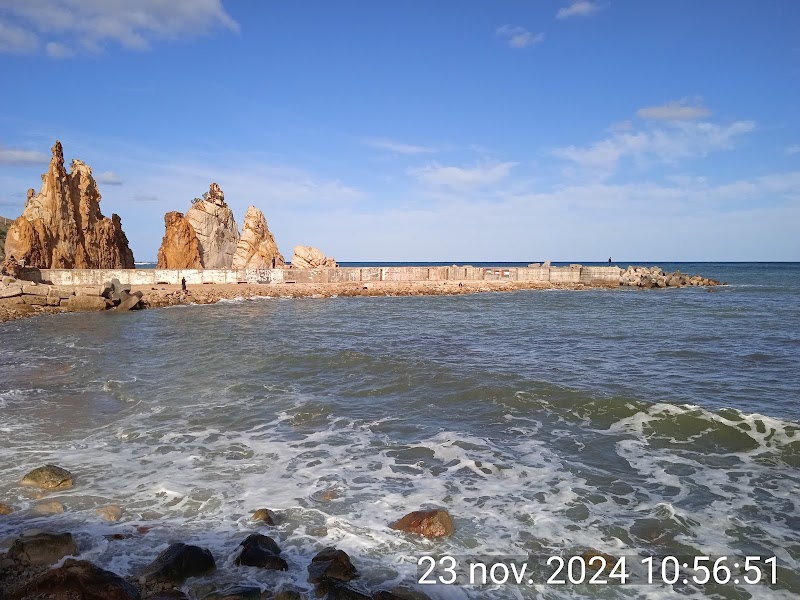
Tunisia · Tabarka
The Needles of Tabarka: Jagged Rocks by the Corniche
The Needles of Tabarka offer a short coastal walk, striking rock formations and clear views towards Tabarka Fortress.

Tunisia · Yasmine Hammamet
Medina of Yasmine Hammamet: An Easy Evening Out
A purpose-built medina with traditional styling, shops and cafés, best suited to relaxed walks, family outings and souvenir browsing.

Tunisia · Tunis
Bardo National Museum: Tunisia’s Mosaic Masterpiece
A historic palace in Tunis houses an exceptional collection of Roman mosaics, ancient sculpture and artefacts from across Tunisia.

Tunisia · Yasmine Hammamet
Carthage Land delivers a lively family day in Hammamet
Public reviews describe a well-themed amusement park with fun rides, strict height checks and crowd levels that can shape the day.