Three Brothers: A Compact Lesson in Rīga’s Architecture
Three adjoining houses in Old Rīga show how residential architecture changed across several centuries, with a museum inside the complex.
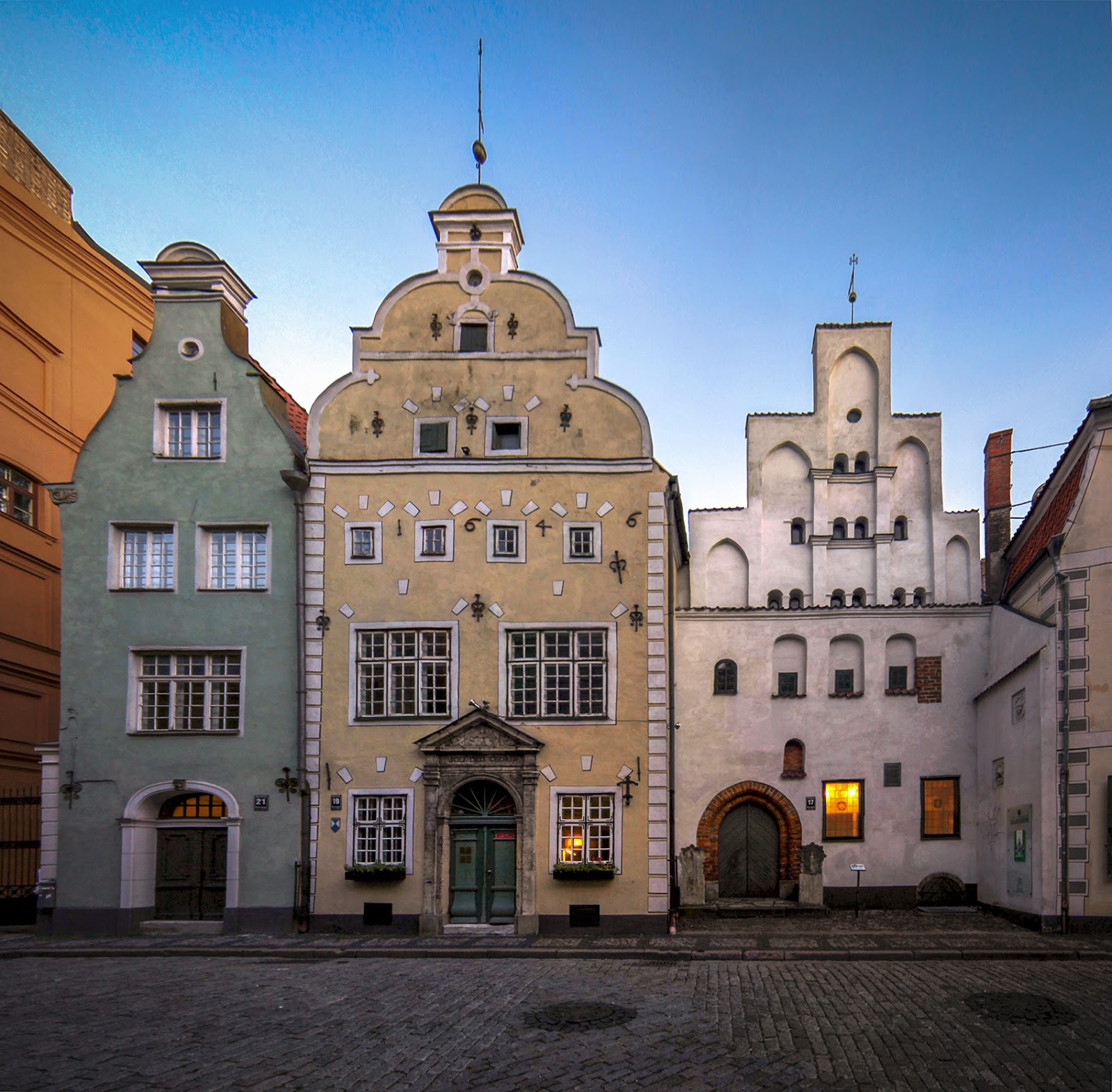
More photos
Photos published by travelers on Google, not AI generated.
What stands out
- Three adjoining houses from different centuries
- Medieval Gothic, Renaissance and Baroque styles
- Peaceful courtyard
- Free entry
- Part of Rīga’s Old Town heritage area
Worth knowing
- The museum may be closed
- Repository documents may not be available
- The exterior visit is brief
Don't miss
What comes up most in public reviews
- Compare the three façades
- Look closely at the green house
- Visit the courtyard
- Ask about the Latvian Museum of Architecture
Worth the trip?
Why visit
The Three Brothers is a short, worthwhile stop for anyone exploring Old Rīga. The complex brings together three adjoining residential buildings, each associated with a different period of the city’s architectural history. Public reviews repeatedly point to the contrast between the façades, which makes the site more interesting than its small footprint suggests.
The oldest house dates from the 15th century, while the other buildings were constructed in the 16th and 17th centuries. Reviewers describe the group as a visual progression through medieval Gothic, Renaissance and Baroque styles. That change is easy to understand on foot: the buildings stand side by side, so visitors can compare their shapes and details without crossing the Old Town.
Google users give the attraction 4.4 from 5,511 reviews. The response is especially strong among visitors interested in history, architecture and the character of Rīga’s Old Town.
What the visit is like
The exterior takes only a few minutes to see. Several reviewers say it is worth stopping even when the museum is closed, particularly because the houses are historically important and easy to reach during a walk through the surrounding streets. The green house is singled out in one review for appearing narrow from the street while extending farther back, a detail linked by that reviewer to historic tax considerations.
The courtyard receives positive attention too. One visitor describes it as beautiful and peaceful, making it a useful pause after the busier streets nearby. The setting rewards a closer look rather than a rushed glance. Small architectural details matter here.
Entry is free, according to the supplied listing information. The Latvian Museum of Architecture is located within the complex, but access and available material may vary. One public review mentions disappointment at being unable to see repository documents during a visit. That makes the exterior and courtyard the most dependable parts of the stop.
How it fits an Old Rīga day
The Three Brothers works best as part of a broader Old Town walking route, not as a standalone destination requiring a special trip across the city. One reviewer says they would not come to Rīga solely for the attraction, yet still considers it worth visiting when already nearby. That is a fair summary of its scale and appeal.
The visit suits travellers who want a concentrated piece of local history without committing to a long museum session. Architecture enthusiasts will find the changing styles particularly useful, while casual visitors can appreciate the unusual grouping and take a few minutes to examine the façades. The complex is also identified in public reviews as part of the UNESCO World Heritage site of Rīga’s Old Town.
Practical verdict
Plan a brief stop, then allow extra time if the museum is open and its architectural material is available. The attraction is free, compact and easy to combine with other Old Town sights. It will not fill an afternoon on its own, but it adds genuine historical depth to a walk through central Rīga.
The strongest reason to visit is the comparison: three houses, three periods, one unusually readable view of how urban homes changed. The courtyard is a welcome bonus. Visitors should check the museum’s opening status before relying on an indoor visit, since public reviews show that access is not always available.
Plan the rest of the trip
Ask anything
Looking for somewhere else?
Keep exploring around Rīga
More from Latvia
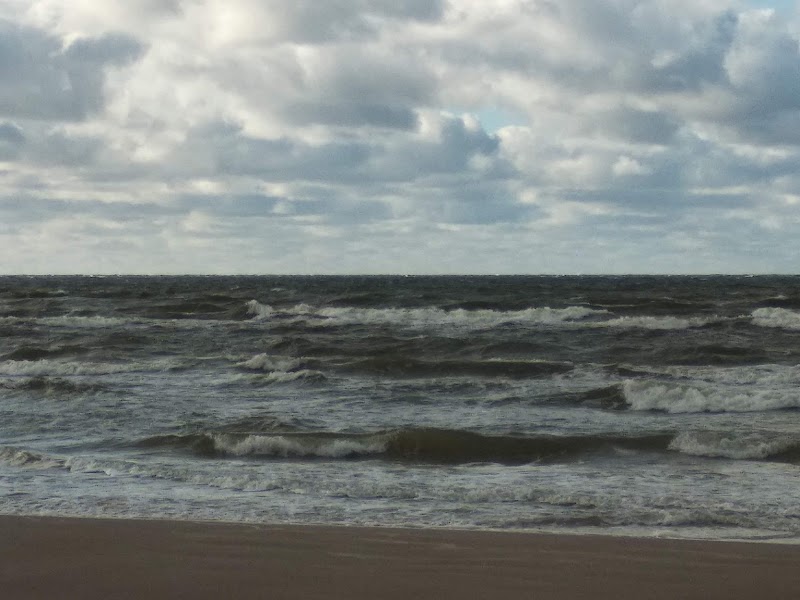
Latvia · Bernāti
Zaļais stars: Latvia’s Westernmost Point by the Sea
Zaļais stars is a simple coastal stop in Bernāti, valued for its landmark, picnic area, beach access and nearby nature walks.
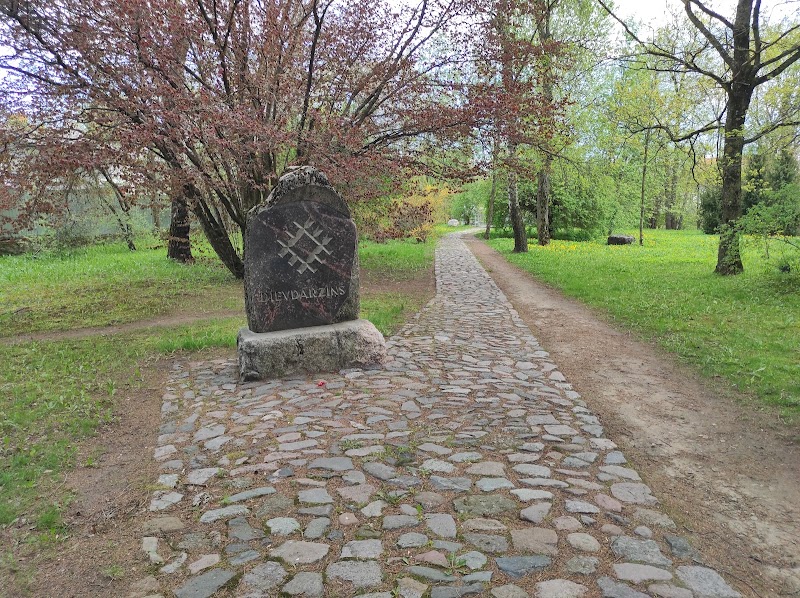
Latvia · Iecava
The Garden of God, a Short Woodland Walk in Iecava
Public reviews describe a peaceful wooden trail with river views, rocky outcrops and small waterfalls, though some structures need careful handling.
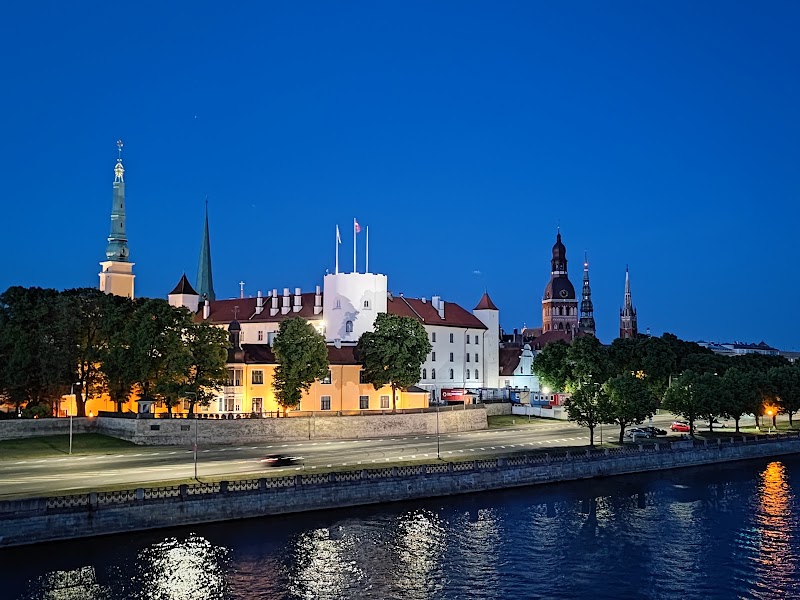
Latvia · Riga
Vanšu Bridge Viewpoint: Riga Seen Across the Daugava
This bridge crossing delivers one of Riga’s clearest ground-level panoramas, with Old Town towers, river views, bridges and the Latvian flag in frame.

Latvia
Raganu katls: A Walk to Cliffs and Caves in Latvia
Public reviews describe Raganu katls as a beautiful walking spot, with rough access and changing views that reward sensible footwear and extra time.