Tholos de El Romeral: Antequera’s distinctive stone tomb
Precise corbelled construction and contrasting chambers make this ancient burial monument a compelling companion to Antequera’s other dolmens.
More photos

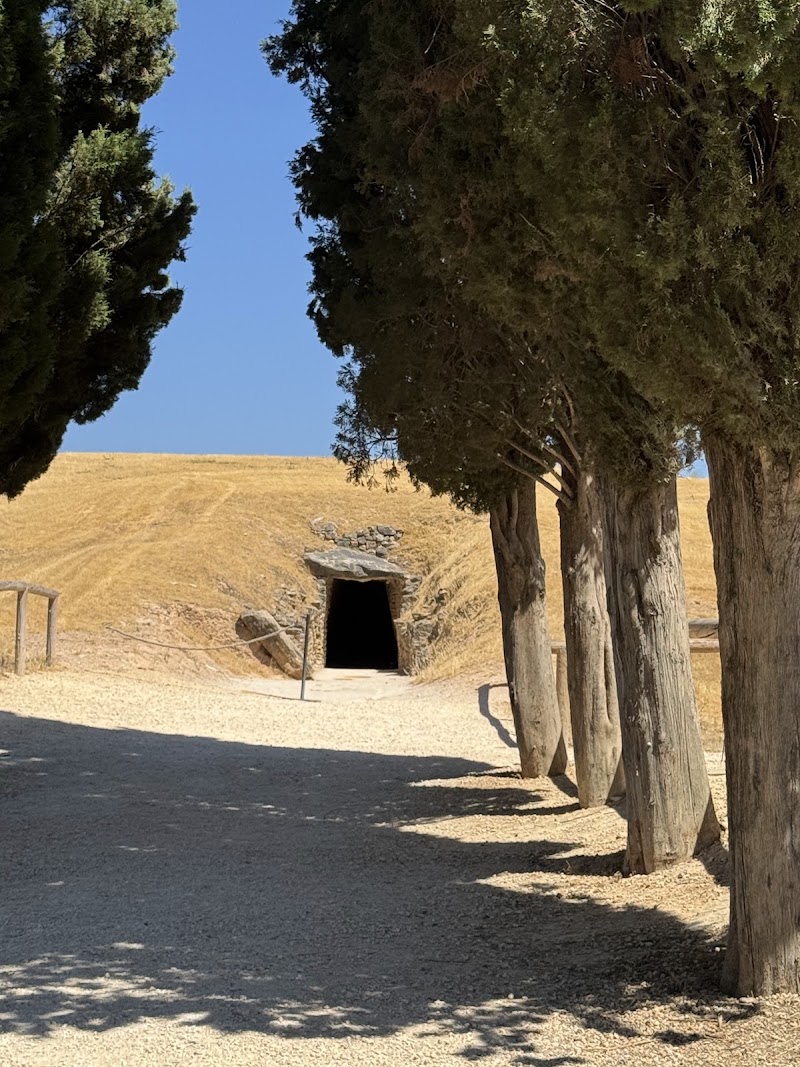

Photos published by travelers on Google, not AI generated.
What stands out
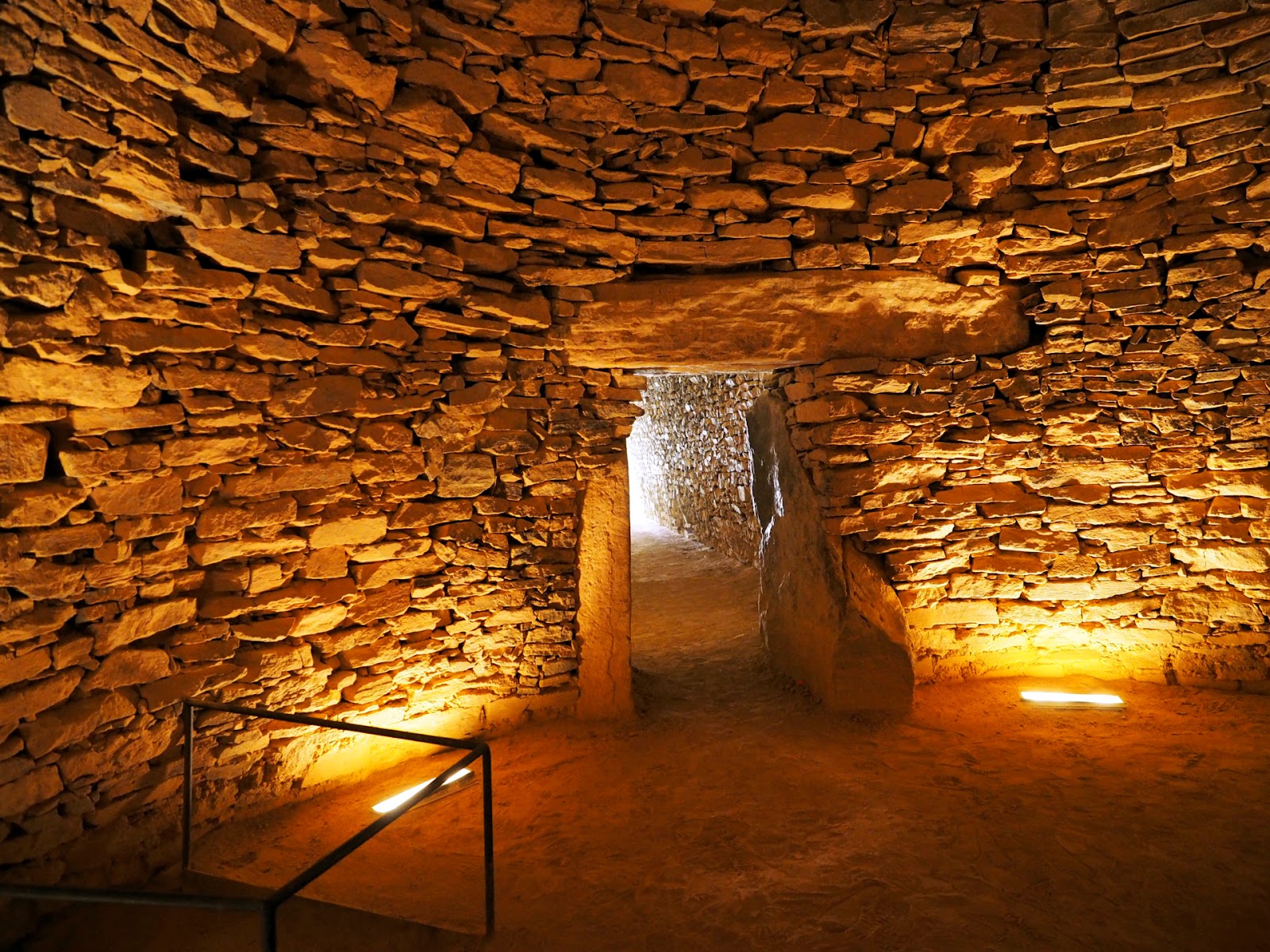
- Precise stacked-stone construction
- Large circular burial chamber
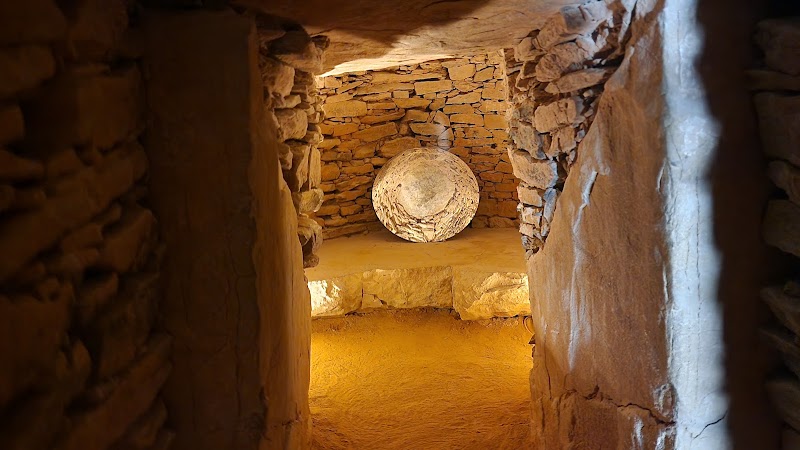
- Smaller annex chamber
- Contrast with Antequera’s other dolmens
- Alignment with El Torcal
Worth knowing
- The monument itself is a short visit
- Ticket procedures vary between reviews
- Long walk from the motorhome Aire
Don't miss
What comes up most in public reviews
- Study the circular domed chamber
- Look into the smaller annex chamber
- Check the alignment with El Torcal
- Visit the museum rooms if open
- Ask on-site staff about the monument’s history
Worth the trip?
Why it stands out
Tholos de El Romeral holds a Google rating of 4.7 from 1953 reviews, with public feedback repeatedly focusing on the precision of its stonework and the way its construction differs from Antequera’s other dolmens. It is a compact landmark rather than an expansive attraction, but reviewers commonly consider it worth adding to a wider exploration of the area’s megalithic sites.
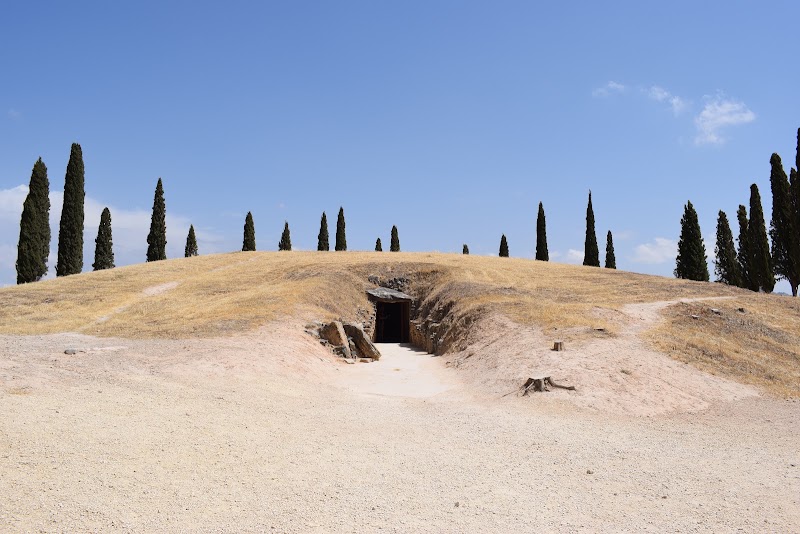
The monument is generally described as a collective burial structure dating to around 2500 BCE. Its tholos construction uses courses of stone to create a circular, domed interior. This technique gives the tomb a markedly different appearance from the nearby dolmens, a contrast that several visitors identify as the main reason not to skip El Romeral.
Inside the monument
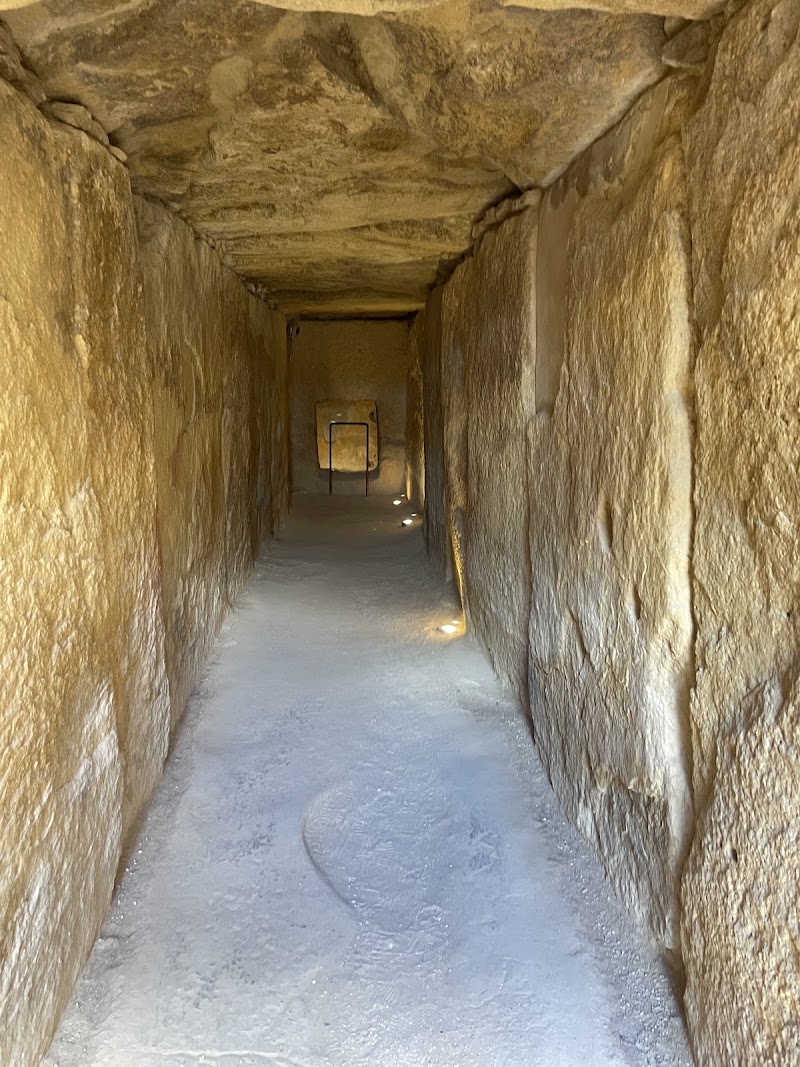
A passage leads into a large round burial chamber, followed by a smaller annex chamber. The transition between these spaces reveals the care involved in the structure’s design. Reviews praise the remarkably precise construction, particularly the stacked-stone dome and the geometry of the principal chamber.
Visitors also draw attention to the entrance’s alignment with El Torcal de Antequera, the region’s prominent karst landscape. That relationship between monument and terrain adds context to what might otherwise be a very brief inspection. The site can be seen in only a few minutes, but travellers interested in prehistoric engineering are likely to spend longer studying the masonry and comparing it with the techniques used at the other dolmens.
Visitor experience
Public reviews describe the site as straightforward to visit and often staffed. One visitor particularly valued an informal history discussion with a staff member guarding one of the monuments. Others mention an associated museum or interpretation area, including rooms with displays that provide useful background before or after seeing the tomb.
Reports about entry arrangements are inconsistent. Several reviewers describe admission as free, while one says a ticket first had to be collected at the museum and another says no ticket was needed. Procedures may therefore depend on current site operations. Checking official visitor information before arrival would help avoid confusion, especially when combining El Romeral with the broader dolmen complex.
Planning the stop
The monument suits a short heritage-focused visit, particularly as part of an itinerary covering Antequera’s prehistoric sites. Its small scale means it may feel limited as a standalone excursion, yet that brevity can also make it easy to incorporate into a day of sightseeing.
One review reports a walk of about 45 minutes from the motorhome Aire, so visitors arriving from that location should allow substantially more time than the monument itself requires. Overall, the review pattern is strongly positive: El Romeral is valued less for extensive facilities or a long list of exhibits than for one exceptionally clear encounter with ancient stone engineering.
Ask anything
Looking for somewhere else?
Keep exploring around Antequera
More from Spain
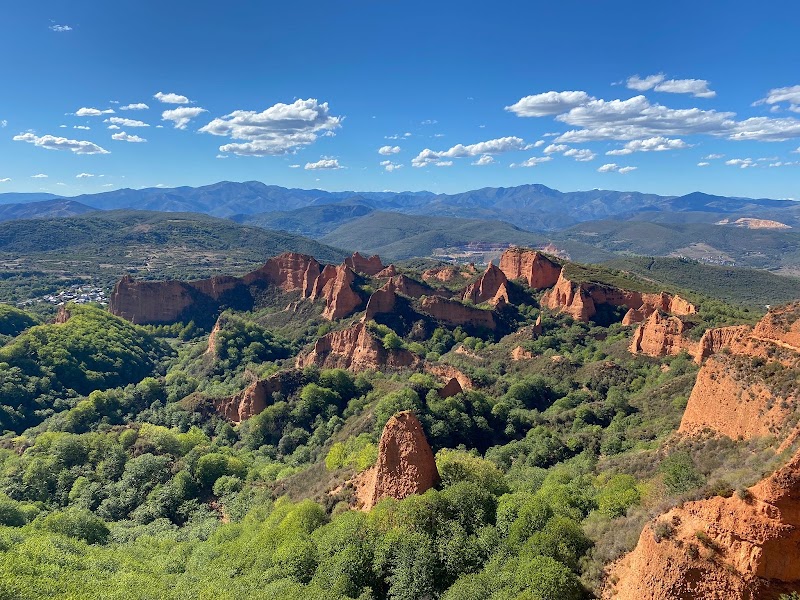
Spain · El Bierzo
Las Médulas: Roman mining history in a dramatic landscape
Ancient mine tunnels, walking trails and striking views make this Roman gold-mining landscape one of El Bierzo’s standout sights.
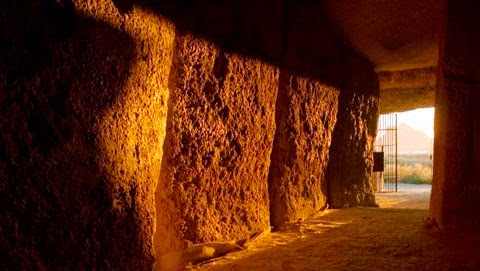
Spain · Antequera
Archaeological Dolmens of Antequera: Visitor Guide
Ancient structures, an informative museum and straightforward access make this a rewarding historical stop between Seville and Granada.
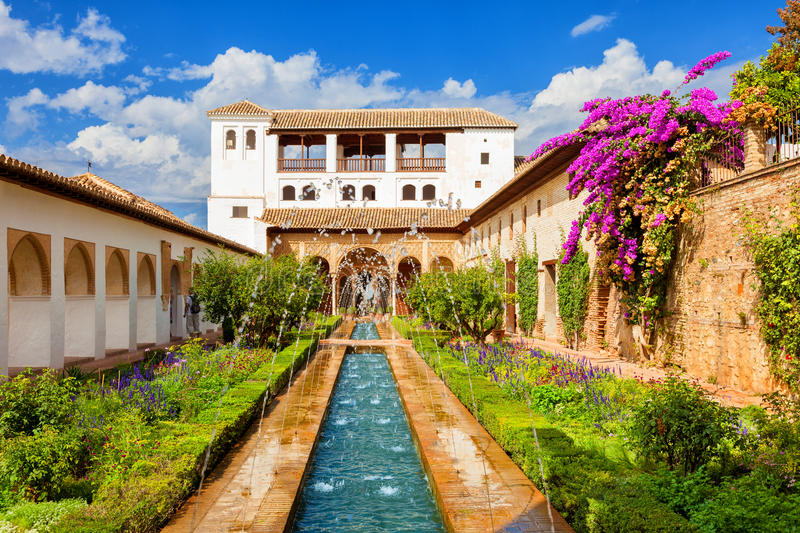
Spain · Granada
Generalife: Granada’s Serene Palace Gardens
Fountains, flower-filled paths and wide Granada views make Generalife one of the most peaceful and photogenic parts of an Alhambra visit.
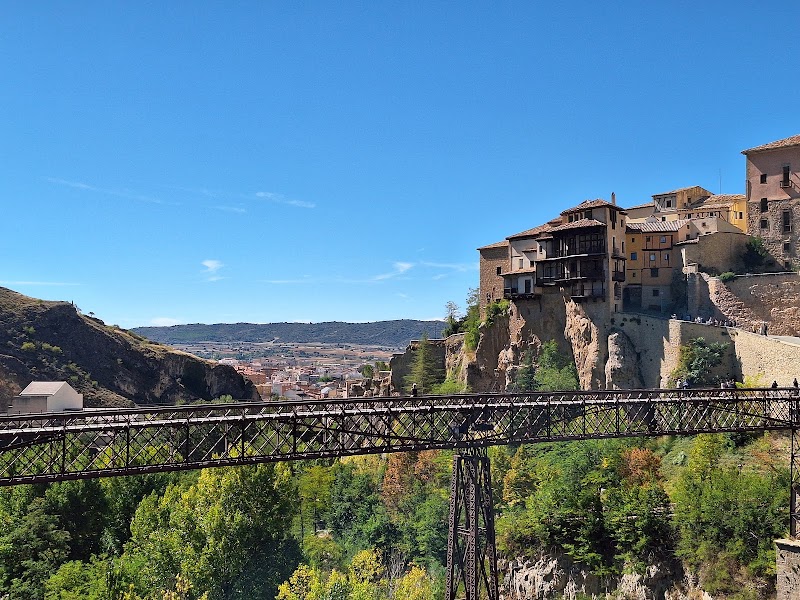
Spain · Cuenca
Casas Colgadas de Cuenca: Gorge Views and Modern Art
Cuenca’s emblematic medieval houses combine dramatic Huécar Gorge views, preserved architecture and a notable modern art collection.