Baku’s 1846 oil well marks an industrial turning point
A modest, open-air landmark whose global importance outweighs the limited interpretation available at the site.
More photos



Photos published by travelers on Google, not AI generated.
What stands out
- Site linked to the first industrially drilled oil well
- Close-up view of a historic, non-operational well
- Educational industrial and engineering context
- Surrounding operating oil wells
Worth knowing
- Very limited interpretation at the site
- Little else to see beyond the well
- One sampled review gives a conflicting date
Don't miss
What comes up most in public reviews
- See the non-operational historic well up close
- Consider its role in the beginning of industrial oil drilling
Worth the trip?
Why this well matters
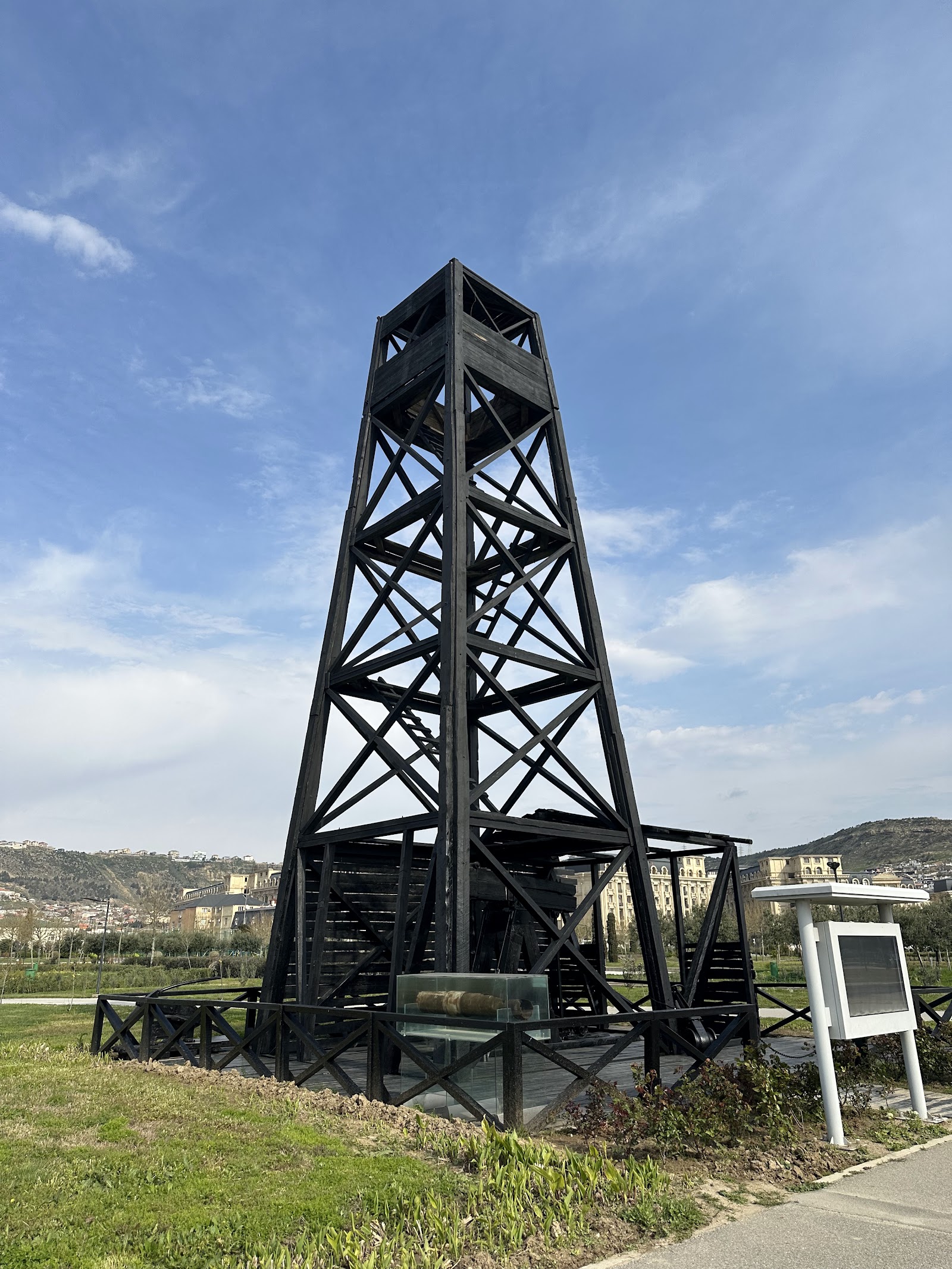
Public reviews consistently frame Baku’s 1846 oil well as a landmark in the development of the modern petroleum industry. It is identified as the world’s first industrially drilled oil well, giving the otherwise simple site significance for anyone interested in engineering, energy or industrial history.
The appeal lies less in spectacle than in context. Several reviewers describe the experience of standing beside the well and considering how industrial oil extraction began. The site has a Google rating of 4.6 from 175 reviews, with positive feedback focusing overwhelmingly on its historical meaning rather than its presentation.
Families may also find it useful as a compact educational stop. One reviewer reports that the story of extracting oil from deep underground captured the interest of both adults and children. There are few distractions, so the quality of the visit depends on arriving with some understanding of why the well matters.
What visitors actually see
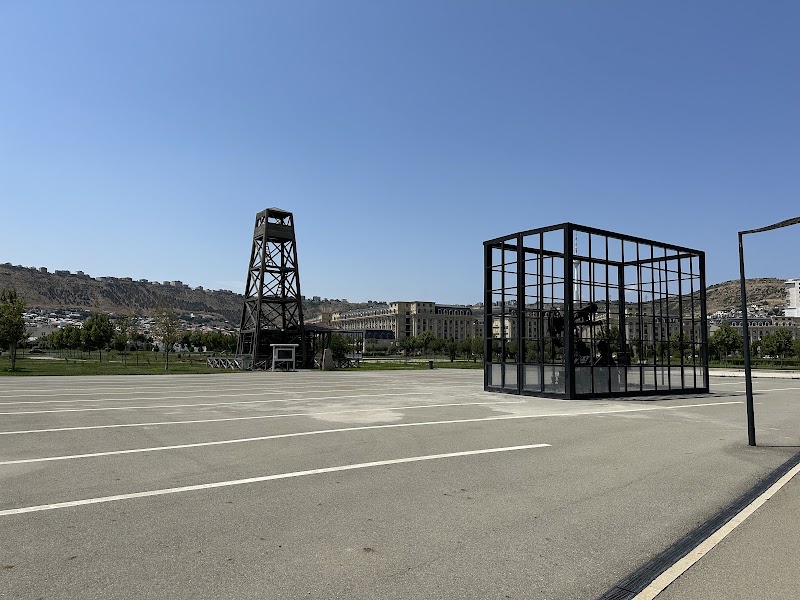
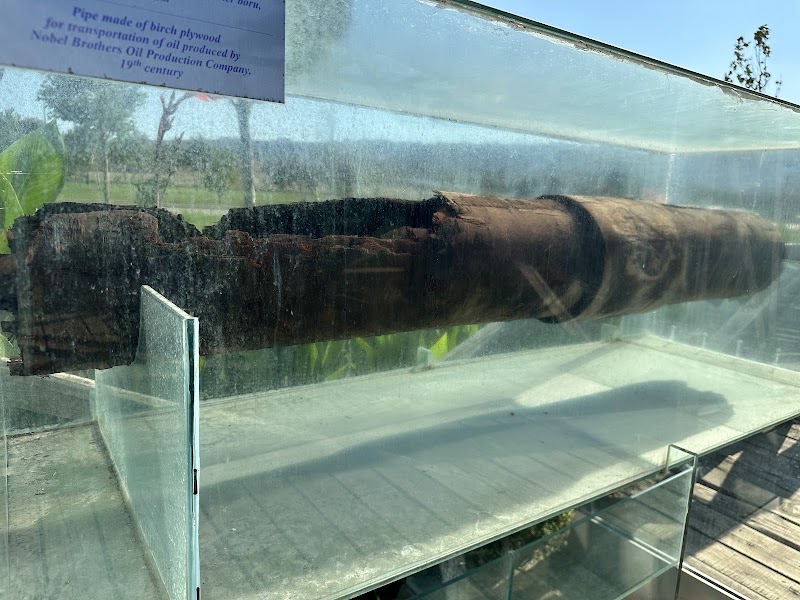
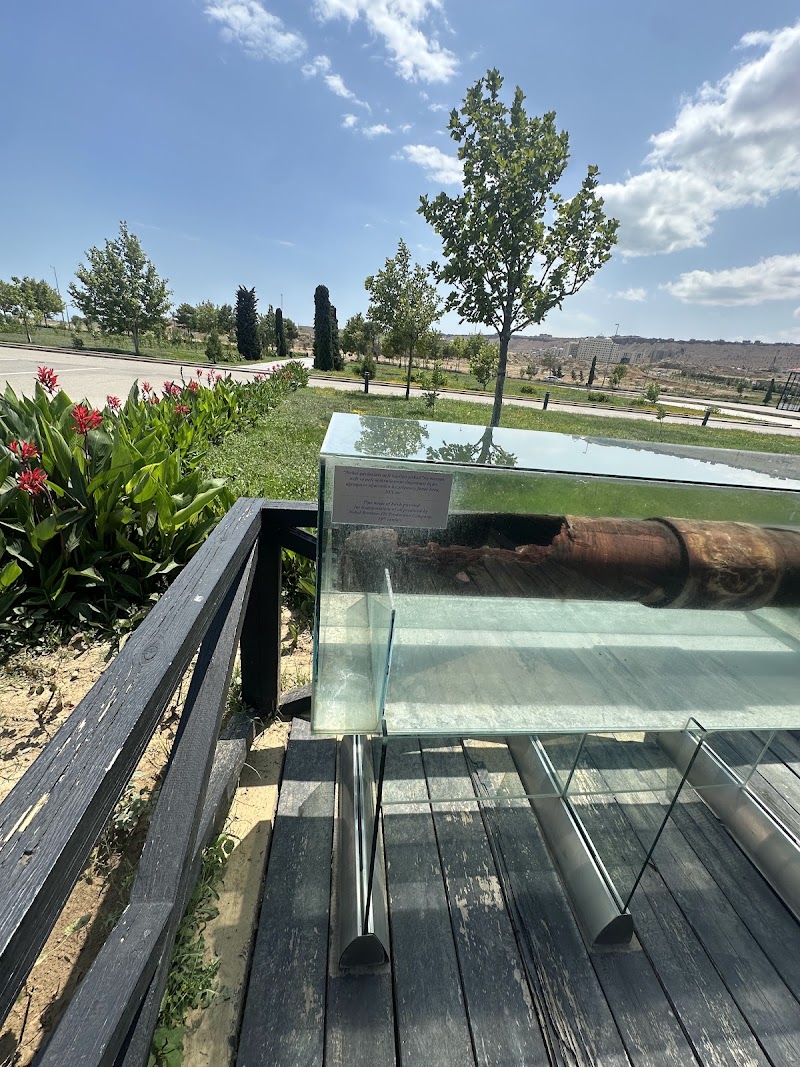
The historic well is no longer operational. Reviews describe an open park where visitors can approach the landmark and see an oil well at close range. One account also notes that several operating wells stand in the surrounding area, adding present-day industrial context to the original site.
Expect a straightforward visit rather than an extensive museum experience. A recurring observation is that there is not much else to see once the well has been viewed. That makes it better suited to a short, focused stop than a substantial sightseeing session.
The open setting and simple format may suit families, history enthusiasts and technically minded travellers. It can also work as an unusual addition to a broader Baku itinerary, particularly for visitors interested in how the oil industry shaped modern engineering and economic development.
Limited information on site
The clearest criticism concerns interpretation. One reviewer says the sign offers no details about who drilled the well, its depth, operating years or production. Another comments on the lack of attention and promotion given to a place of such global industrial importance. Travellers expecting detailed exhibits, archival material or a fully developed visitor attraction may therefore leave wanting more.
There is also a date discrepancy within the sampled reviews. Most identify the site with 1846, matching the landmark’s listing, while one review refers to 1849. Anyone particularly interested in the chronology may wish to research the history before visiting, especially because the on-site signage is described as sparse.
Editorial verdict
Synthesised public feedback suggests a historically powerful but physically modest landmark. The well rewards visitors who appreciate industrial heritage and can supply some background knowledge of their own. It is less compelling for those seeking extensive displays or a polished attraction.
Its strongest quality is immediacy: visitors can stand close to a non-operational well associated with the beginning of industrial oil drilling. Its weakest is the missed opportunity to explain that story properly. Treated as a brief historical stop rather than a destination in itself, it offers a meaningful perspective on Baku’s place in global energy history.
Ask anything
Looking for somewhere else?
Keep exploring around Baku
More from Azerbaijan
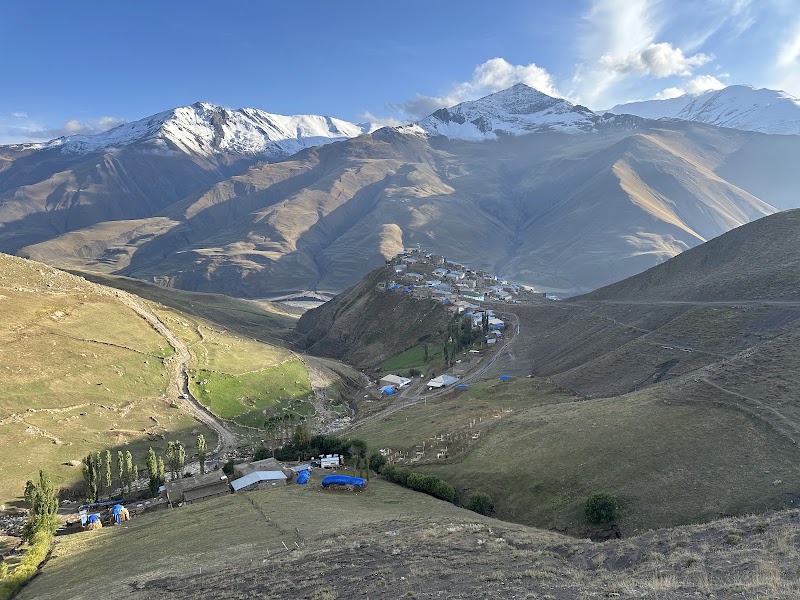
Azerbaijan · Khinaliq
Khinaliq Viewpoint: High-Mountain Scenery and Village Life
Khinaliq pairs far-reaching mountain views with hiking terrain and an unpolished village experience reached largely by asphalt road.
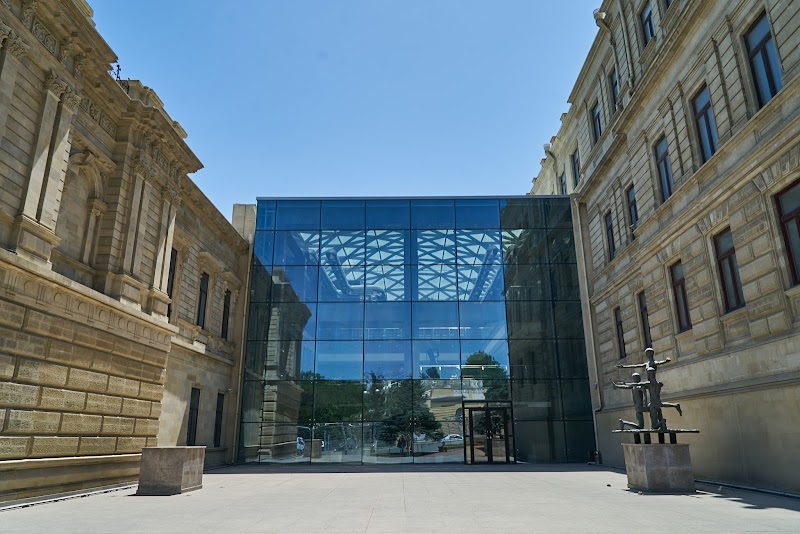
Azerbaijan · Bakı
Azerbaijan State Museum of Art: Collection and Visitor Guide
A spacious Bakı museum with memorable painting halls, a central location and mixed feedback about staff interactions.
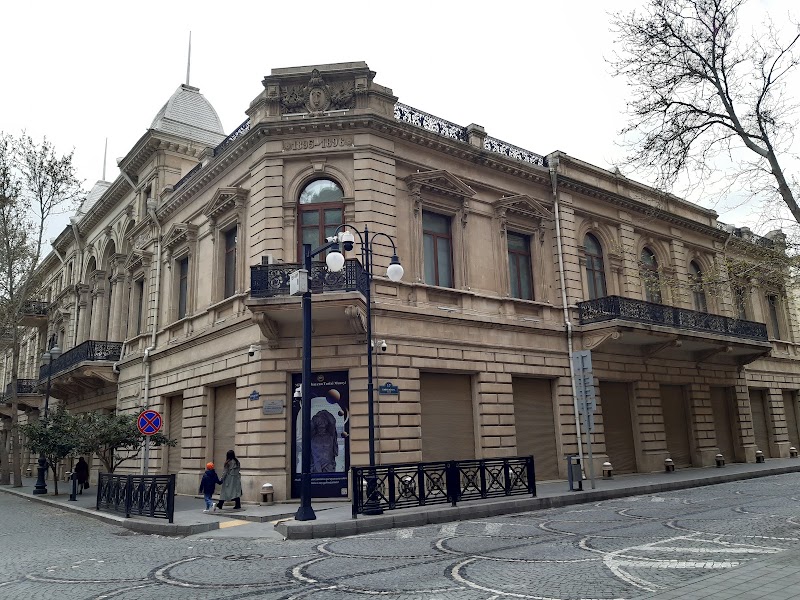
Azerbaijan · Baku
National Museum of History of Azerbaijan: Visitor Guide
Baku’s national history museum pairs a wide-ranging regional timeline with the grand interiors of a historic mansion.
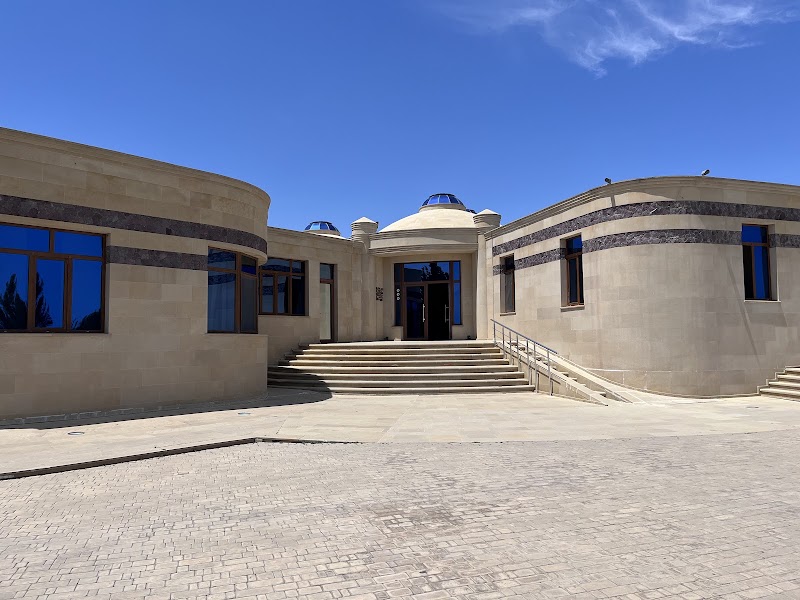
Azerbaijan · Baku
Gobustan National Park Museum: Rock Art and Deep Time
A modern museum introduces Gobustan’s prehistoric carvings before an atmospheric walk through its stark, rock-strewn landscape.