Ancient Jerusalem in Stone at the Western Wall Excavations
Ruins, ritual spaces and a compact coin display add archaeological depth to a visit around Jerusalem’s Western Wall.
More photos

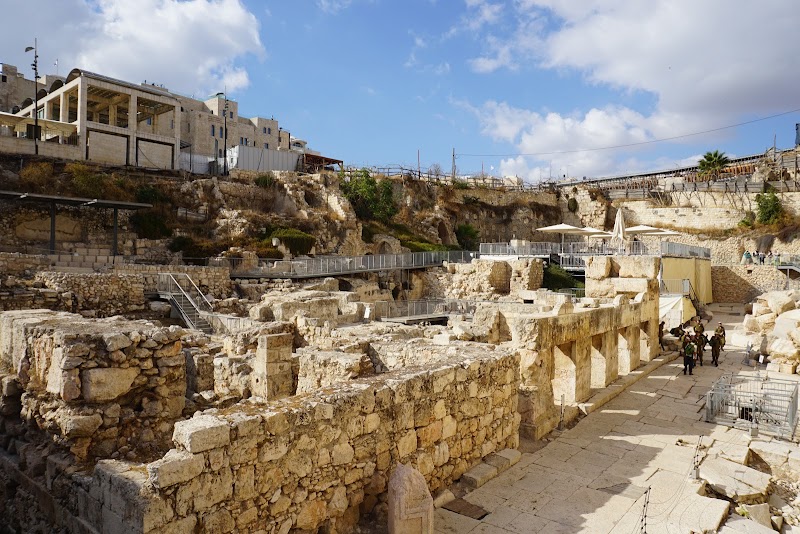
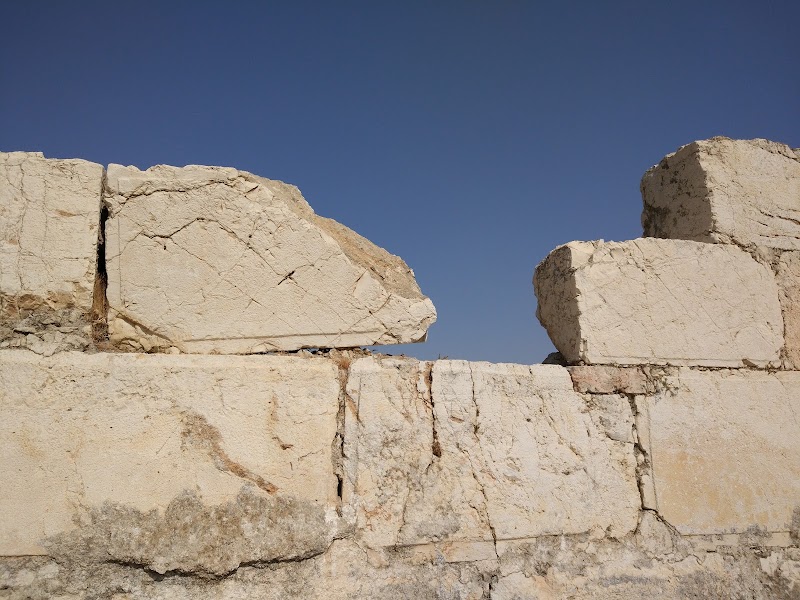
Photos published by travelers on Google, not AI generated.
What stands out
- First and Second Temple period ruins
- Grand staircase into the Temple area
- Ancient cisterns
- Small museum with coin displays
- Close views of ongoing excavations
Worth knowing
- Reviews refer to both the Western Wall Excavations and Ophel
- One reviewer reports that the Ophel is closed on Fridays
- Ruins may be difficult to interpret without a guide
Don't miss
What comes up most in public reviews
- Walk through the Ophel Archaeological Garden
- See the grand staircase
- Look for the ancient cisterns
- Visit the museum’s coin display
- Ask a guide about the Temple destruction remains
Worth the trip?
What public reviews reveal
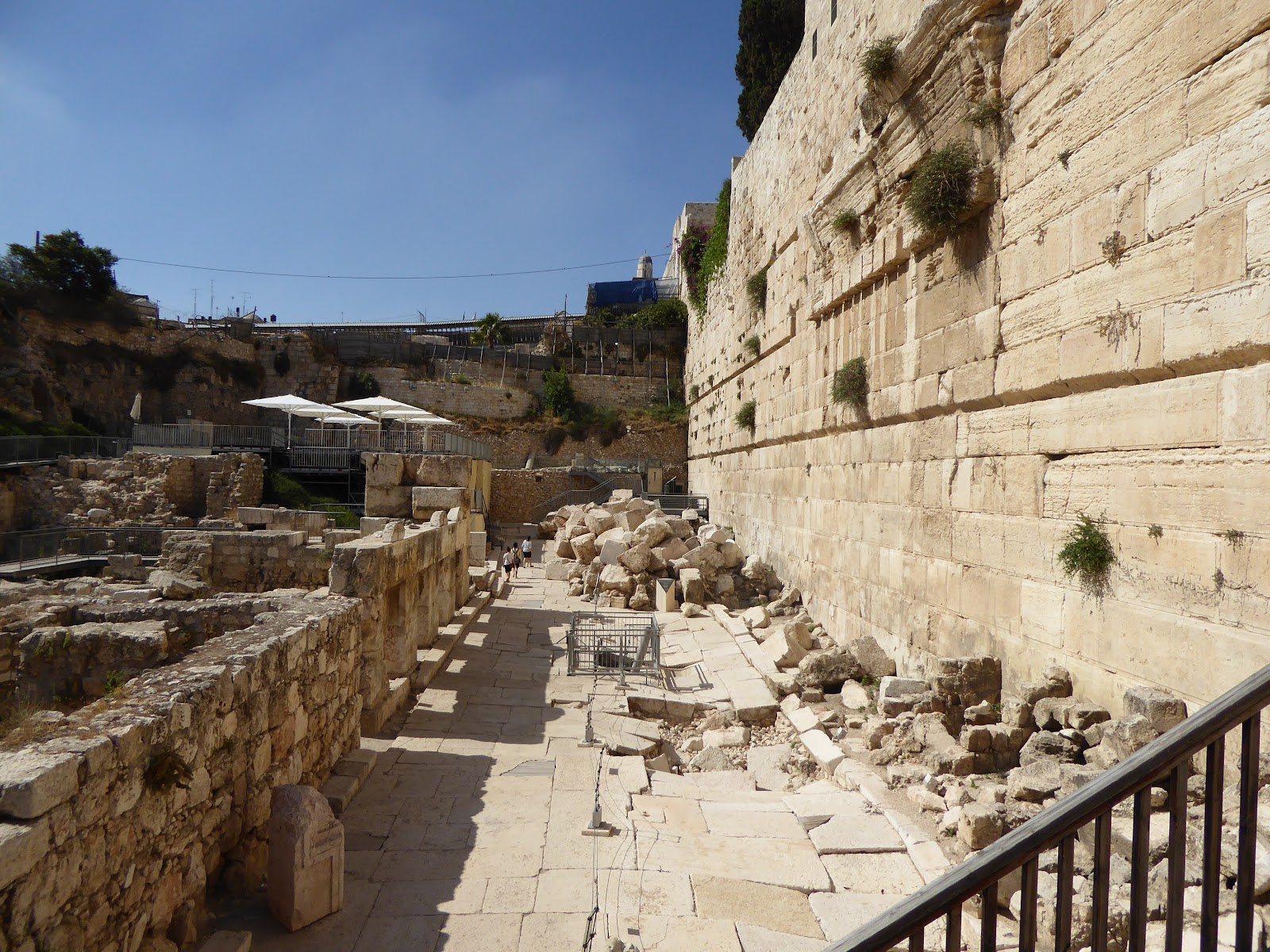
The Western Wall Excavations holds a Google rating of 4.6 from 717 reviews, with visitors particularly valuing the chance to examine ancient masonry and ruins at close range. Reviewers describe an active archaeological site rather than a polished, self-explanatory attraction. Remains associated with the First and Second Temple periods, traces linked to the Temple’s destruction and substantial architectural features form the core of the experience.
Several accounts also refer specifically to the Ophel Archaeological Garden, on the southern side of Haram esh-Sharif, and to access through the Jerusalem Archaeological Park and Davidson Center. This creates some ambiguity around the listing name and exact entrance. Travellers should confirm which excavation area their booking or route covers, especially if they are hoping to see the Ophel remains rather than another section near the Western Wall.
Ruins, stairs and cisterns
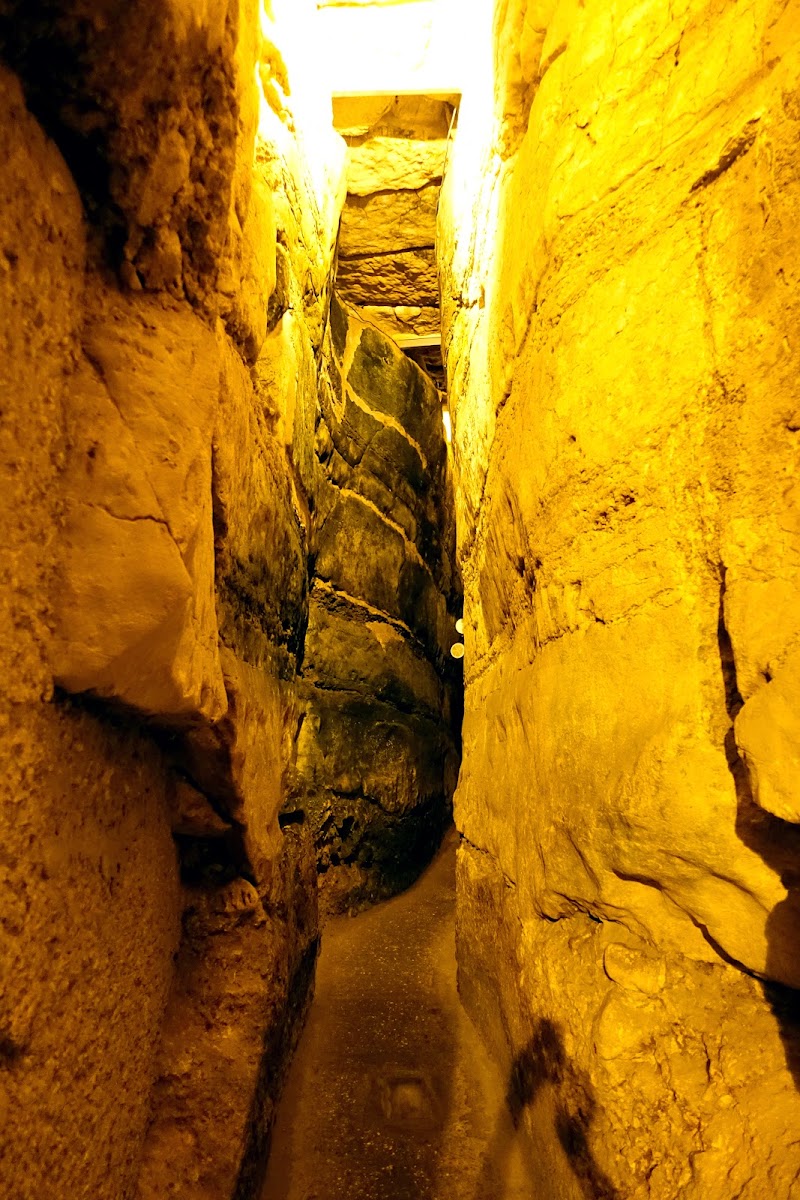
The recurring appeal is scale and proximity. Visitors mention a grand staircase leading towards the Temple area, numerous cisterns and sections of ancient construction that can be viewed without the distance imposed at many archaeological sites. One review calls attention to ruins connected with the Temple’s destruction, while another praises the architecture and notes that excavation work is continuing.
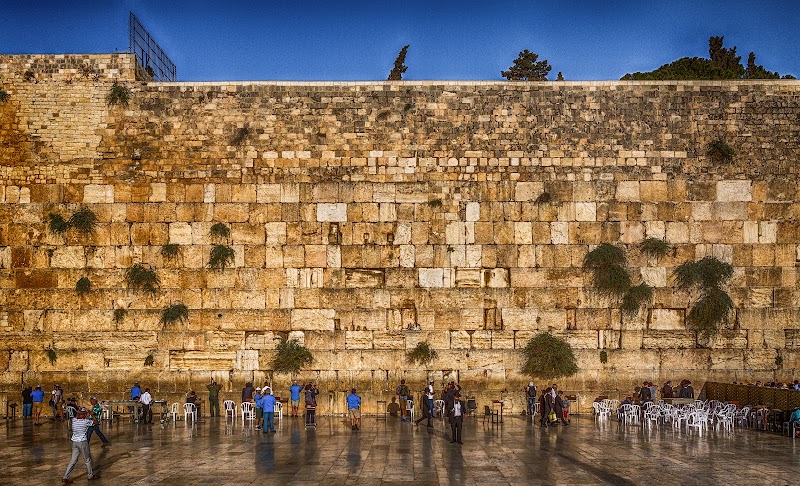
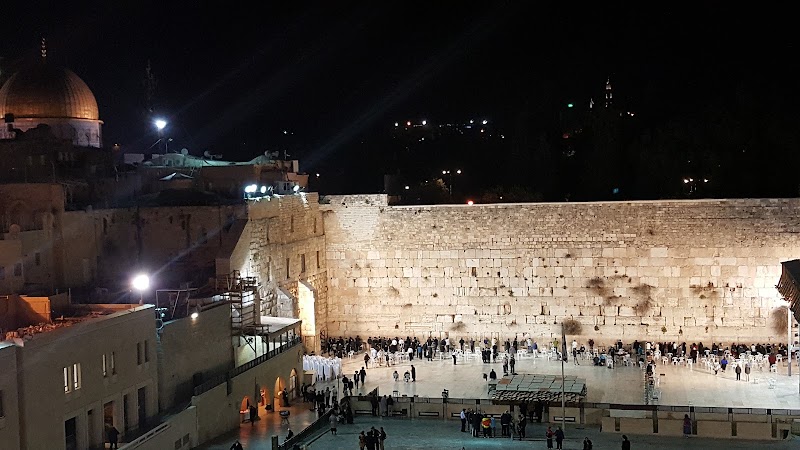
The site also appears to reward those who already plan to visit the Western Wall. Reviewers suggest that many people stop at the wall without continuing into the archaeological areas nearby. Adding the excavations provides more physical context for the surrounding sacred landscape, even though the surviving stonework may be difficult to interpret without explanation.
Views into parts of the excavations are reportedly possible from Derekh Ha-Ofel. That roadside perspective may be useful when access is limited, but it should not be treated as an equivalent substitute for entering the archaeological park and walking among the remains.
Museum and interpretation
A small museum is repeatedly described as informative, with a display of coins from different places among its notable features. It is not presented as a large museum experience. Instead, it complements the outdoor archaeology and helps connect smaller objects with the monumental ruins.
Public feedback strongly favours visiting with a guide. The site contains many layers of religious, architectural and historical significance, and reviewers indicate that informed interpretation makes it easier to understand what each structure represents. This is especially relevant for visitors unfamiliar with the First and Second Temple periods or the relationship between the excavations, the Western Wall and adjacent places of prayer.
Planning the visit
A half-day allows time for the ruins, the museum and the wider Western Wall area without rushing. Visitors should verify opening arrangements before arrival. One public review specifically warns that the Ophel is closed on Fridays, although schedules can change and the various excavation areas may operate differently.
The strongest reason to visit is not spectacle alone but context. The combination of stairways, cisterns, destruction remains, coins and ongoing excavation gives the surrounding historic landscape greater definition. Those expecting every feature to be clearly labelled may find the experience less immediate, making a guided visit the safer choice.
Ask anything
Looking for somewhere else?
Keep exploring around Jerusalem
More from Israel
Israel
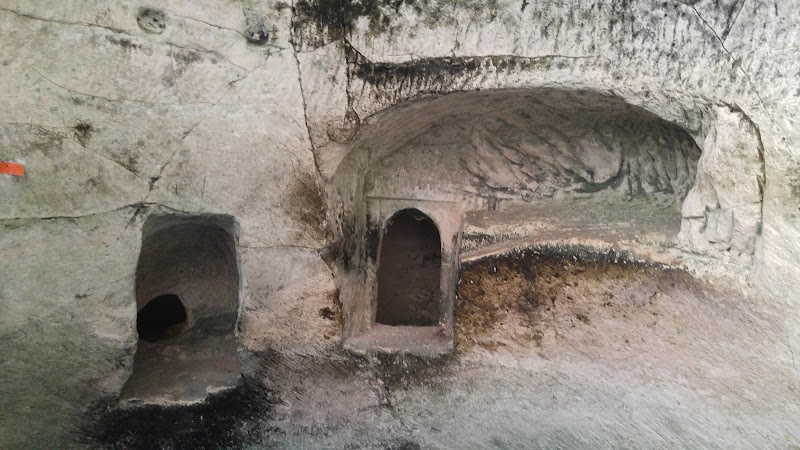
Maresha: Hilltop Views and a Varied Underground World
Maresha combines flower-covered hilltop scenery with labyrinth, bell and painted burial caves shaped by a complex Hellenistic past.
Israel · Ein Al Sultan
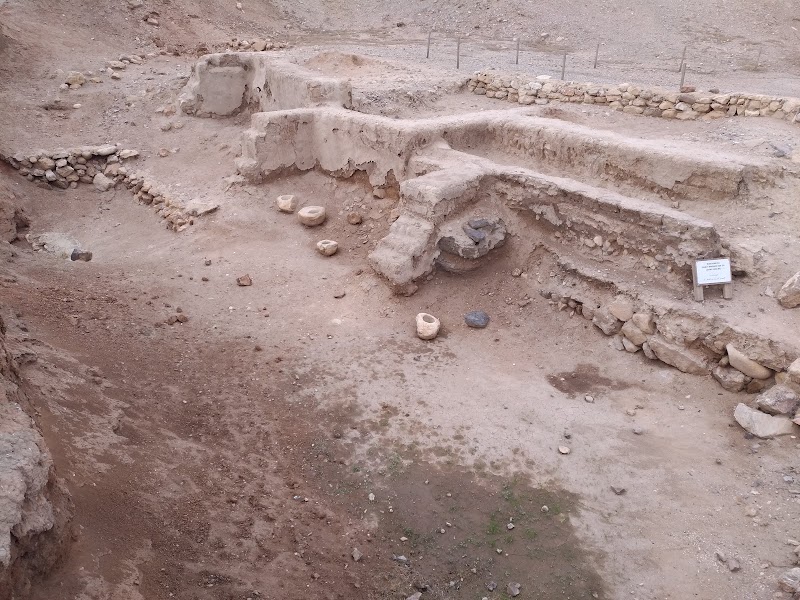
Ancient Jericho at Tell es-Sultan: History in Layers
Public reviews praise Tell es-Sultan’s immense archaeological significance, while cautioning that its excavated remains can appear modest at first glance.
Israel · Jerusalem
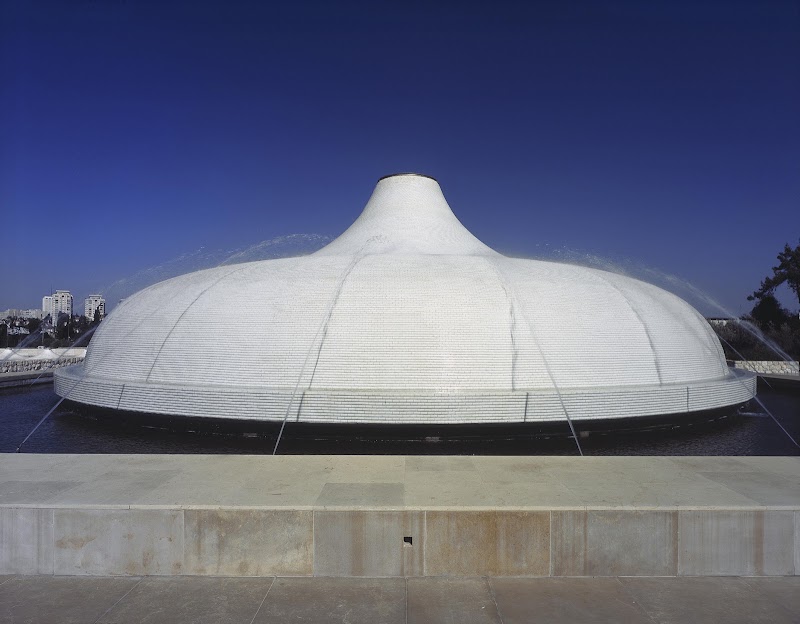
Shrine of the Book: Jerusalem’s Scrolls and Sacred Texts
Public reviews praise this Israel Museum attraction for its Dead Sea Scrolls, Isaiah exhibit, historic codex and nearby model of ancient Jerusalem.
Israel · לטרון
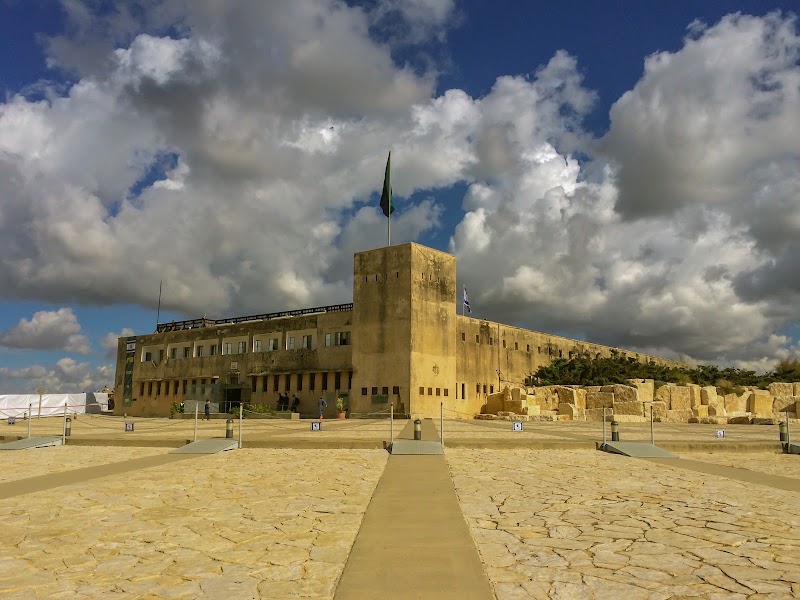
Yad La-Shiryon Museum: Tanks and Military History at Latrun
A vast open-air tank collection, guided interpretation and indoor exhibits make this Latrun museum a strong choice for military-history enthusiasts.