The Viking Fortress Trelleborg: Ring Walls and Longhouses
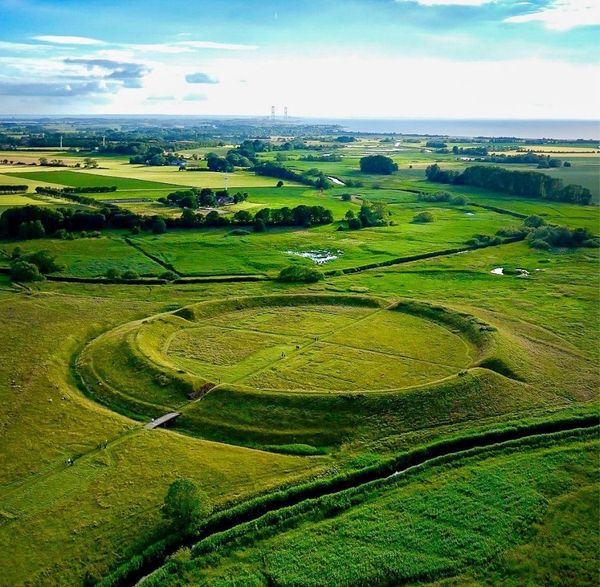
Trelleborg pairs visible fortress earthworks with reconstructed Viking buildings, archaeological finds and occasional living-history events.
More photos


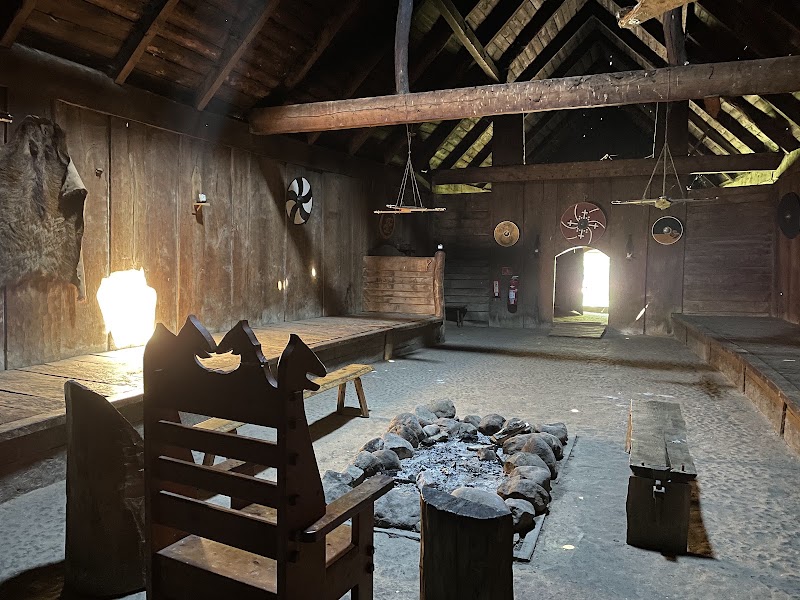
Photos published by travelers on Google, not AI generated.
What stands out
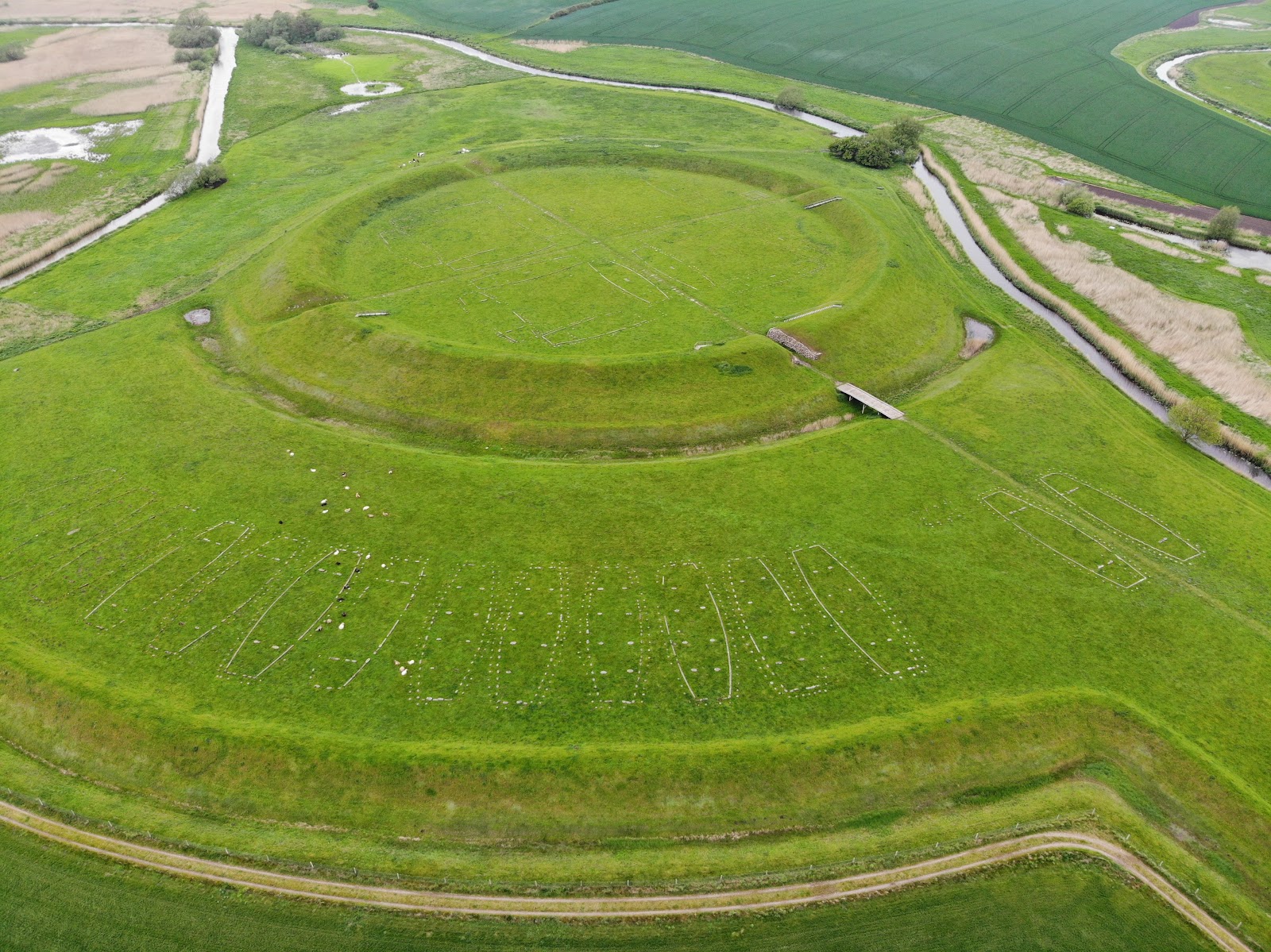
- Circular fortress and earthen ring walls
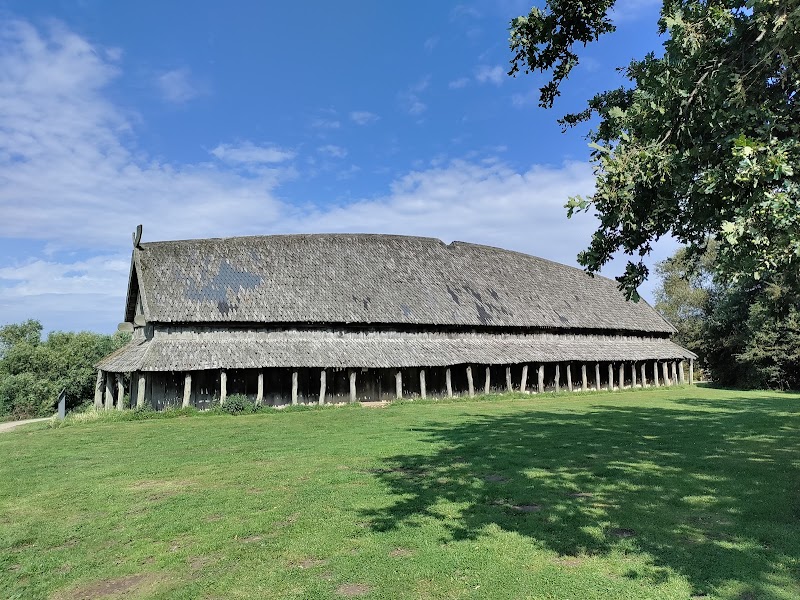
- Reconstructed Viking longhouse
- Museum displays and excavated artefacts
- Viking festival demonstrations
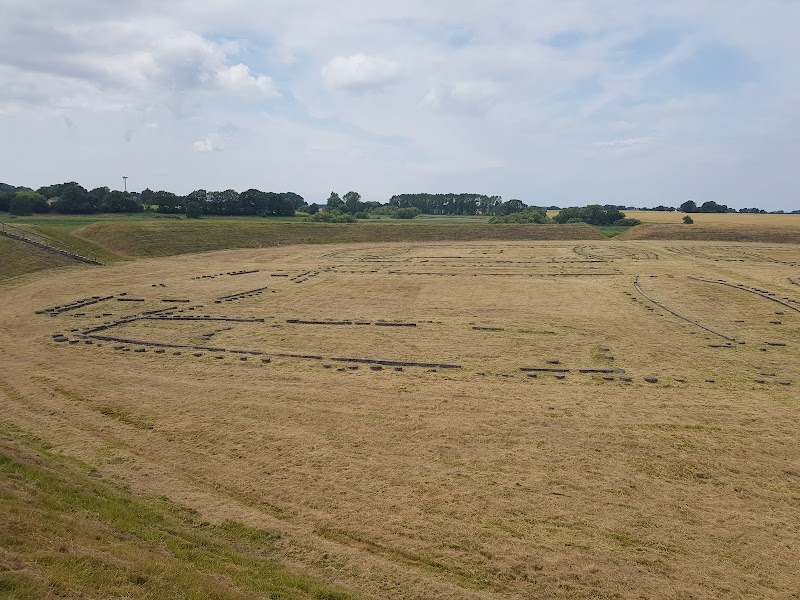
- Marked longhouse foundations
Worth knowing
- Living-history activities may be limited to festival dates
Don't miss
What comes up most in public reviews
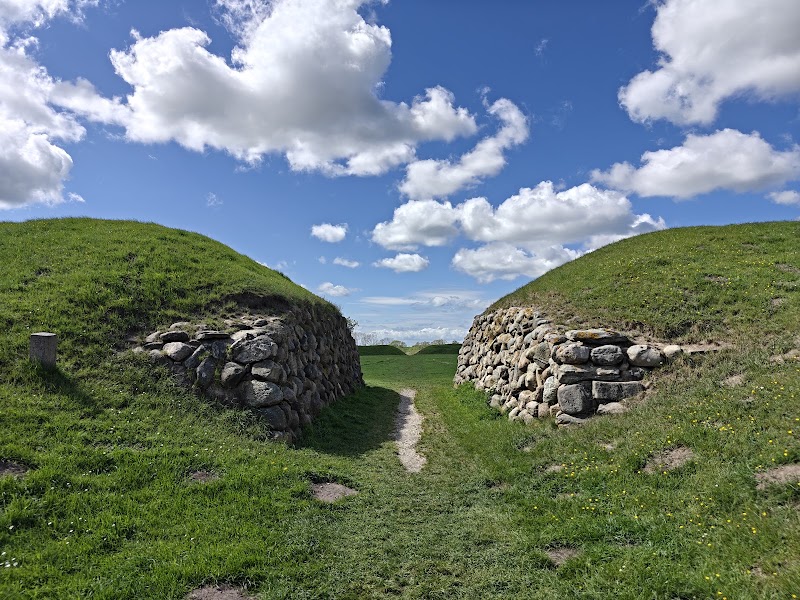
- Walk the earthen ring walls
- Step inside the reconstructed longhouse
- Check for Viking festival demonstrations
Worth the trip?
A fortress that still reads clearly
The Viking Fortress Trelleborg gives visitors an unusually legible introduction to Viking military planning. Its circular layout, defensive earthen walls and marked longhouse foundations make the scale and order of the settlement easy to grasp, even where the original timber buildings no longer survive. Public feedback frequently highlights the pleasure of walking the grounds and seeing how the fortress was arranged for defence.
With a Google rating of 4.5 from 585 reviews, Trelleborg is consistently described as worthwhile for travellers interested in early Scandinavian history. Reviewers also value the peaceful, scenic setting. It works as both an archaeological site and an open-air walk, rather than a conventional monument viewed from a distance.
Reconstructed buildings and museum displays
The reconstructed longhouse is central to the experience. It turns the outlines visible across the site into something more tangible, helping visitors picture the dimensions, materials and atmosphere of a Viking-period building. Reviews often connect this reconstruction with the ground plans of other large houses, which reveal how deliberately the settlement was organised.
Museum displays add context through excavated artefacts and explanations of archaeological work. Public reviews mention finds including shields and burials, as well as exhibits covering the fortress’s construction and defensive purpose. The result appears accessible without losing sight of the site’s archaeological importance. Several visitors praise the combination of physical remains, reconstructions and indoor interpretation for bringing the history to life.
Staff interactions receive positive mentions too, including a report of a warm welcome and assistance in English and German. That is a small detail, but it matters at a heritage attraction where clear interpretation can shape the entire visit.
Living history at its best
The liveliest reports come from the Viking festival. Reviewers describe participants wearing traditional clothing, preparing food such as whole lambs and producing objects with old-fashioned tools. These demonstrations show daily life and craft processes in a way that static displays cannot.
Such programming should be treated as an occasional enhancement rather than a guaranteed part of every visit. Travellers primarily interested in reenactment should check the official event schedule before setting out. Outside festival periods, the ring wall, reconstructed building, museum material and archaeological footprint remain the main attractions.
Who should visit
Trelleborg suits history enthusiasts, families with an interest in Vikings and travellers exploring western Zealand. It also has enough open space and visual structure to engage visitors who are less inclined toward detailed museum reading. One review notes a positive winter visit, suggesting the underlying site remains rewarding beyond the main event season.
The strongest public-review pattern is the balance between scholarship and atmosphere. Visitors can study artefacts indoors, trace longhouse plans across the ground and then walk the defensive circuit. Based on those reports, half a day should allow time to explore without rushing. Festival visits may warrant longer, particularly when demonstrations and craft activities are running.
Ask anything
Looking for somewhere else?
Keep exploring around Slagelse
More from Denmark
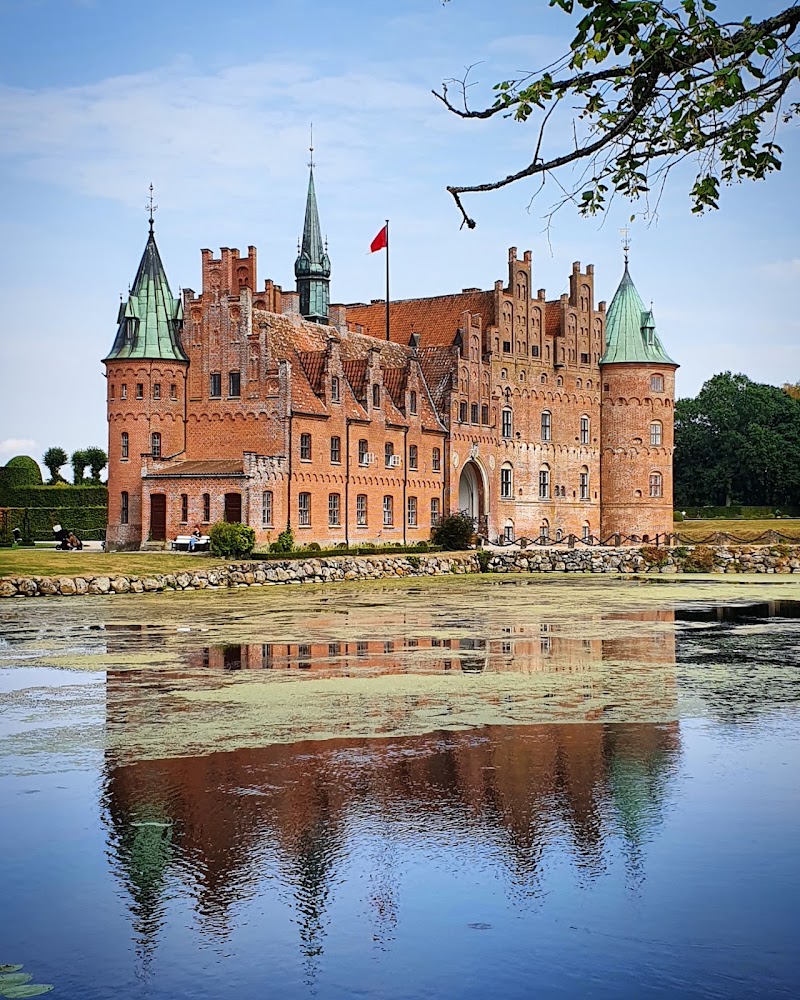
Denmark · Kværndrup
Egeskov Castle: grand gardens and eclectic collections
Egeskov combines an immaculate castle estate with expansive gardens and collections ranging from classic cars and motorcycles to aircraft and campers.
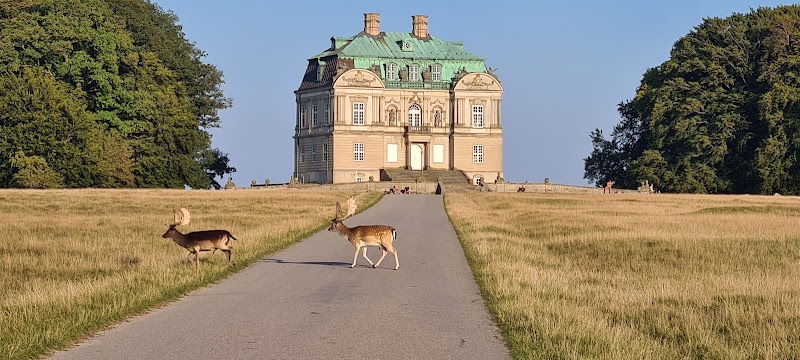
Denmark · Klampenborg
Jægersborg Dyrehave: Deer, Open Fields and Old Oaks
This vast nature reserve near Copenhagen draws walkers and cyclists with peaceful landscapes, mature woodland and herds of free-roaming deer.
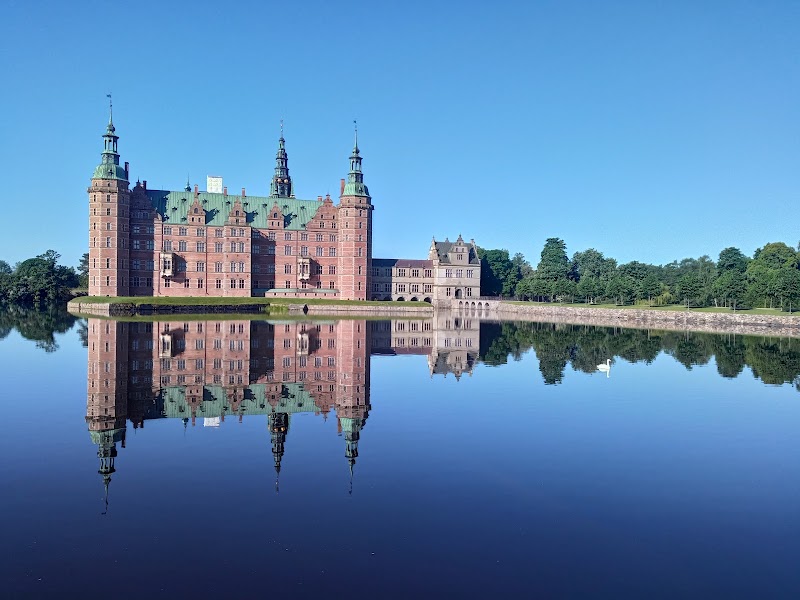
Denmark · Hillerød
Frederiksborg Castle: Grand Interiors and Lakeside Gardens
Rich interiors, royal portraits and expansive gardens make this Hillerød castle a rewarding day trip from Copenhagen.
Denmark · Slagelse
Trelleborg Viking Museum: Best with a Tour or Event
Slagelse’s Viking site combines fort remains, a longhouse and family activities, but reviews suggest timing the visit around a tour or event.