The Presbytère: New Orleans History in Two Powerful Exhibits
This compact museum pairs a moving Hurricane Katrina account with an expansive Mardi Gras collection inside a beautiful historic building.
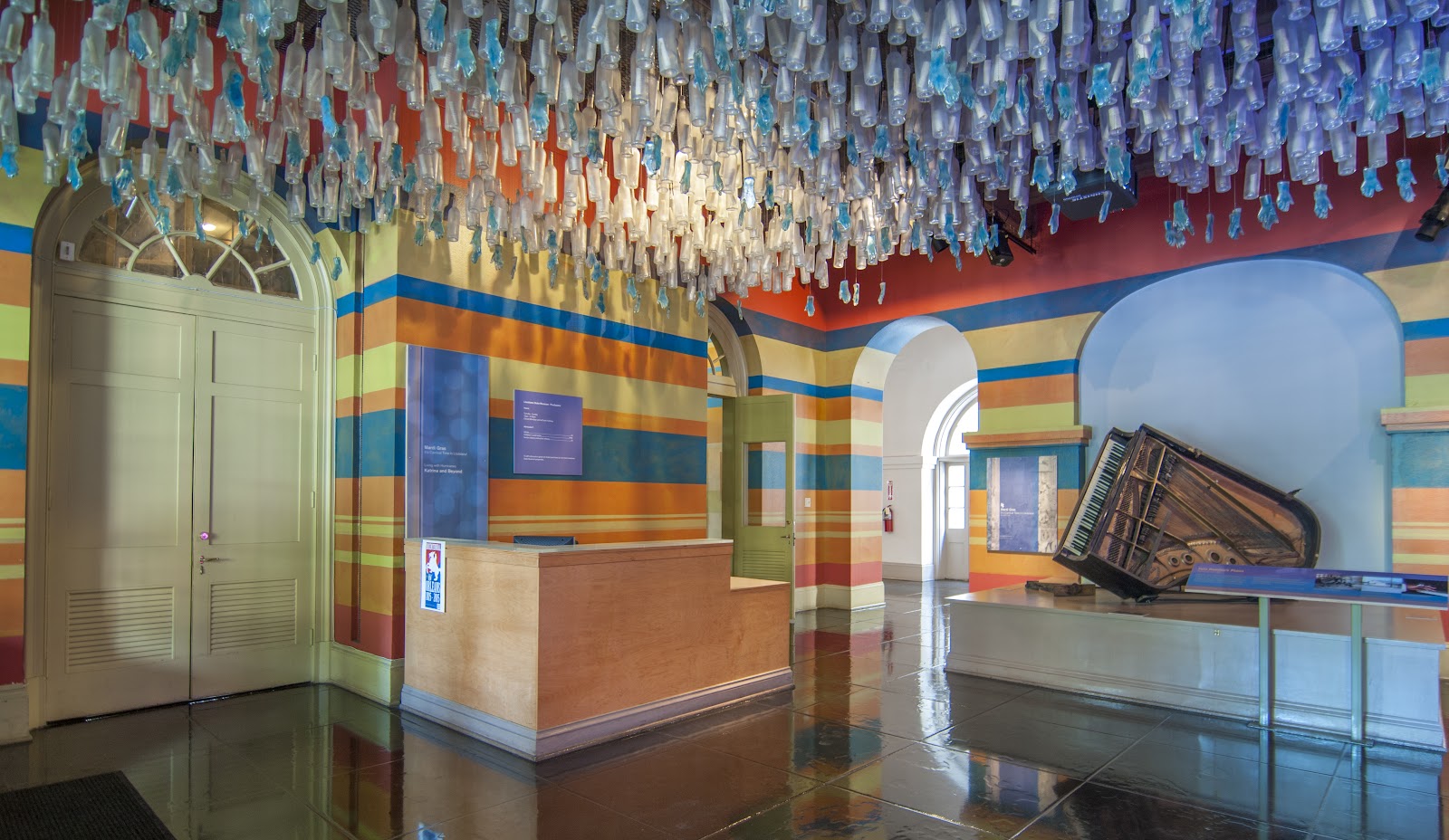
More photos
Photos published by travelers on Google, not AI generated.
What stands out
- Hurricane Katrina history and response exhibits
- Levees and water management information
- Preserved vintage Mardi Gras costumes
- Mardi Gras history and cultural detail
- Historic museum building
Worth knowing
- The Katrina galleries can be emotionally difficult
- Check advance ticket details before arrival
Don't miss
What comes up most in public reviews
- Start downstairs with the Hurricane Katrina exhibit
- See the vintage Mardi Gras costumes
- Listen to the exhibit clips
- Ask staff for the recommended route
Worth the trip?
What the reviews show
The Presbytère has a Google rating of 4.6 from 757 reviews, and public feedback is unusually consistent about what makes the museum worthwhile: its two major subjects are emotionally serious, richly documented and very different in tone. The first floor focuses on Hurricane Katrina, including the storm’s impact on New Orleans, levees, water management and the city’s response. The second floor turns to Mardi Gras, with costumes, objects and historical detail that reviewers repeatedly describe as striking.
That contrast gives the visit its shape. It is not simply a museum about celebration, and it is not only a place of disaster history. Visitors move through a difficult account of the city’s recent past before encountering the pageantry and traditions that remain central to its identity.
The museum experience
Several reviewers say the Katrina exhibit taught them facts they had not previously understood, especially about the scale of the disaster and its effects on New Orleans. Audio and other clips help create a sense of immediacy. One review describes the material as bringing visitors close to the moment, while another notes that the subject can be very sad. That emotional weight is part of the experience, not a minor detail.
The Mardi Gras galleries make a different impression. Reviews single out preserved vintage costumes, extensive information and the sheer amount of material on display. One visitor spent roughly an hour to an hour and a half inside and felt more time would have been useful. That suggests a focused visit can work, but anyone who reads exhibit text carefully may want to leave room for a longer stay.
The building itself also contributes to the appeal. Reviewers describe it as a beautiful historic building, making the setting feel appropriate for a museum concerned with New Orleans history. One visitor also enjoyed hearing a brass band from the upstairs terrace, though that should not be treated as a guaranteed feature of every visit.
Planning the visit
The Presbytère suits travellers who want substance rather than a quick photo stop. It works particularly well for visitors interested in Hurricane Katrina, Mardi Gras, local history, disaster response or the preservation of cultural traditions. It can also be a practical indoor stop during a hot afternoon, as one reviewer visited partly to escape the heat and found the admission worthwhile.
The public reviews do not establish a current price level, so cost cannot be classified here. They do describe admission as modest and worth paying for the amount of information on offer. Travellers should check current ticket arrangements before arrival. One review reports that a faulty advance ticket was resolved kindly at the front desk, but that isolated account is still a reason to verify booking details.
Verdict
The Presbytère is a strong choice for a short, thoughtful museum visit in New Orleans. Its Katrina galleries may be painful, yet reviewers regard them as important and illuminating. The Mardi Gras collection supplies visual drama and a deeper explanation of a famous local tradition. Together, the exhibits offer context that a street-level visit alone cannot provide.
Allow at least 60 to 90 minutes. Start downstairs if staff recommend it, take time with the Katrina material, then continue upstairs for the costumes and Mardi Gras history. The experience is compact, but the subject matter stays with visitors.
Plan the rest of the trip
Ask anything
Looking for somewhere else?
Keep exploring around New Orleans
More from United States
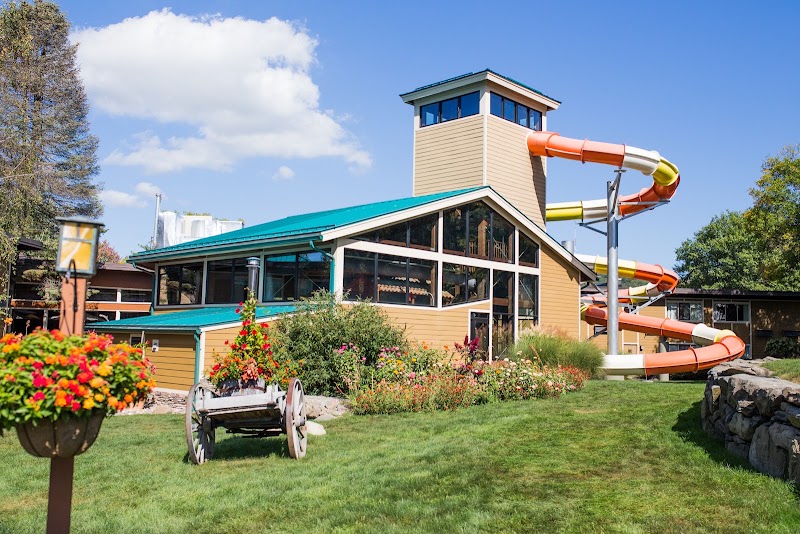
United States · Highland
Rocking Horse Ranch Resort: A Full-On Family Escape
Public reviews describe a highly active family resort where water attractions, outdoor recreation and accommodating staff keep children busy from morning to night.

United States · Sedona
Enchantment Resort: Red Rocks, Trails and Uneven Value
Enchantment Resort delivers exceptional Boynton Canyon scenery and convenient hiking, though public reviews report inconsistent rooms, service and value.
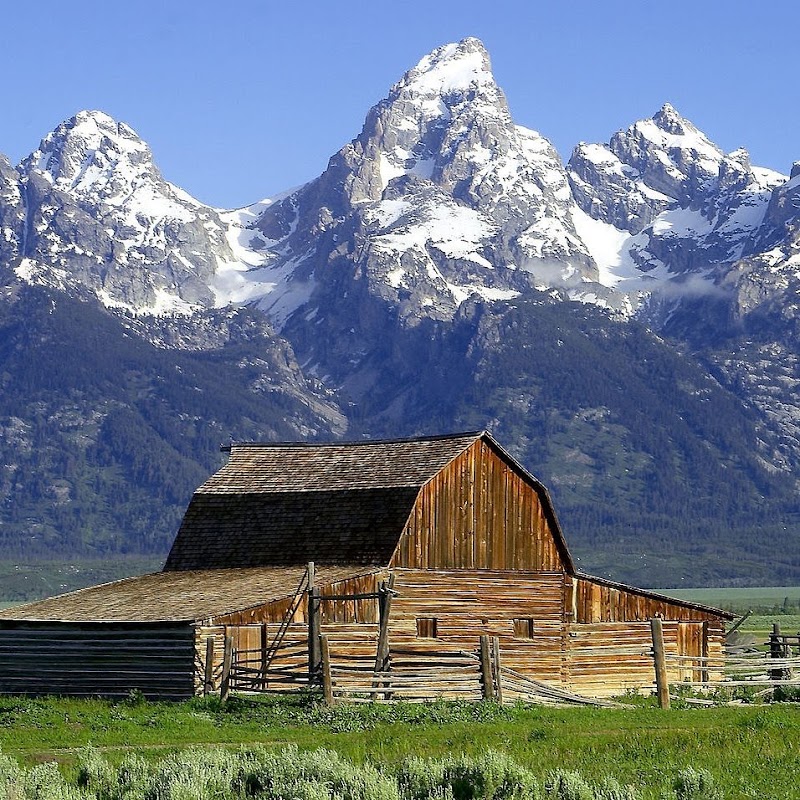
United States
Grand Teton National Park: Mountain Views and Wildlife
Public reviews describe Grand Teton National Park as a peaceful, scenic base for lake walks, wildlife watching and high-country hikes.
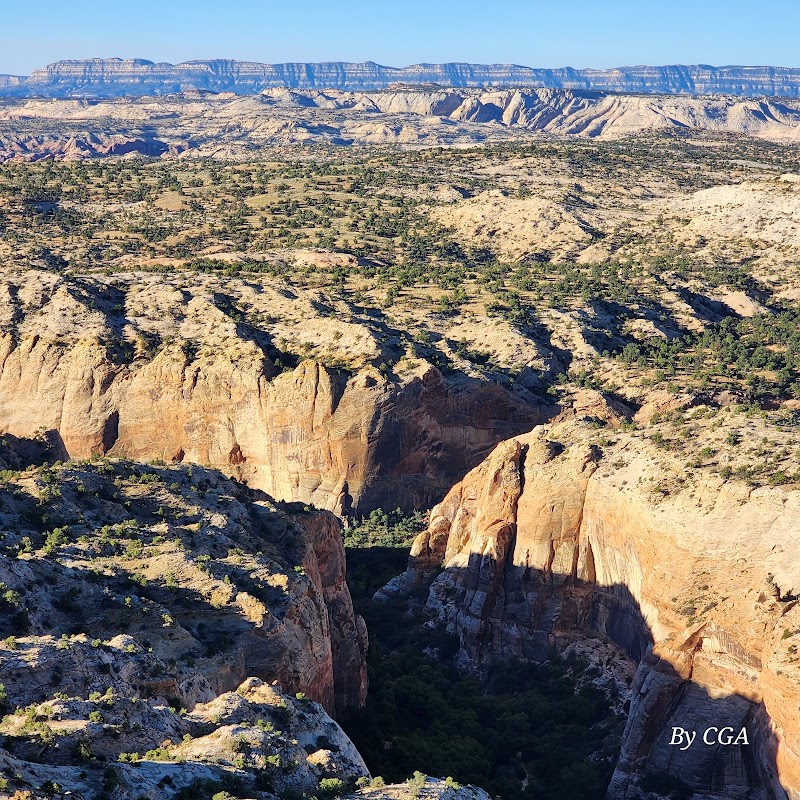
United States
Grand Staircase-Escalante rewards curiosity and self-reliance
Grand Staircase-Escalante National Monument offers vast scenery, quiet dirt roads and unstructured exploration across southern Utah.