The Paul Revere House brings colonial history into focus
Original features, family possessions and approachable guides make this Boston landmark a rewarding stop for history-minded visitors.
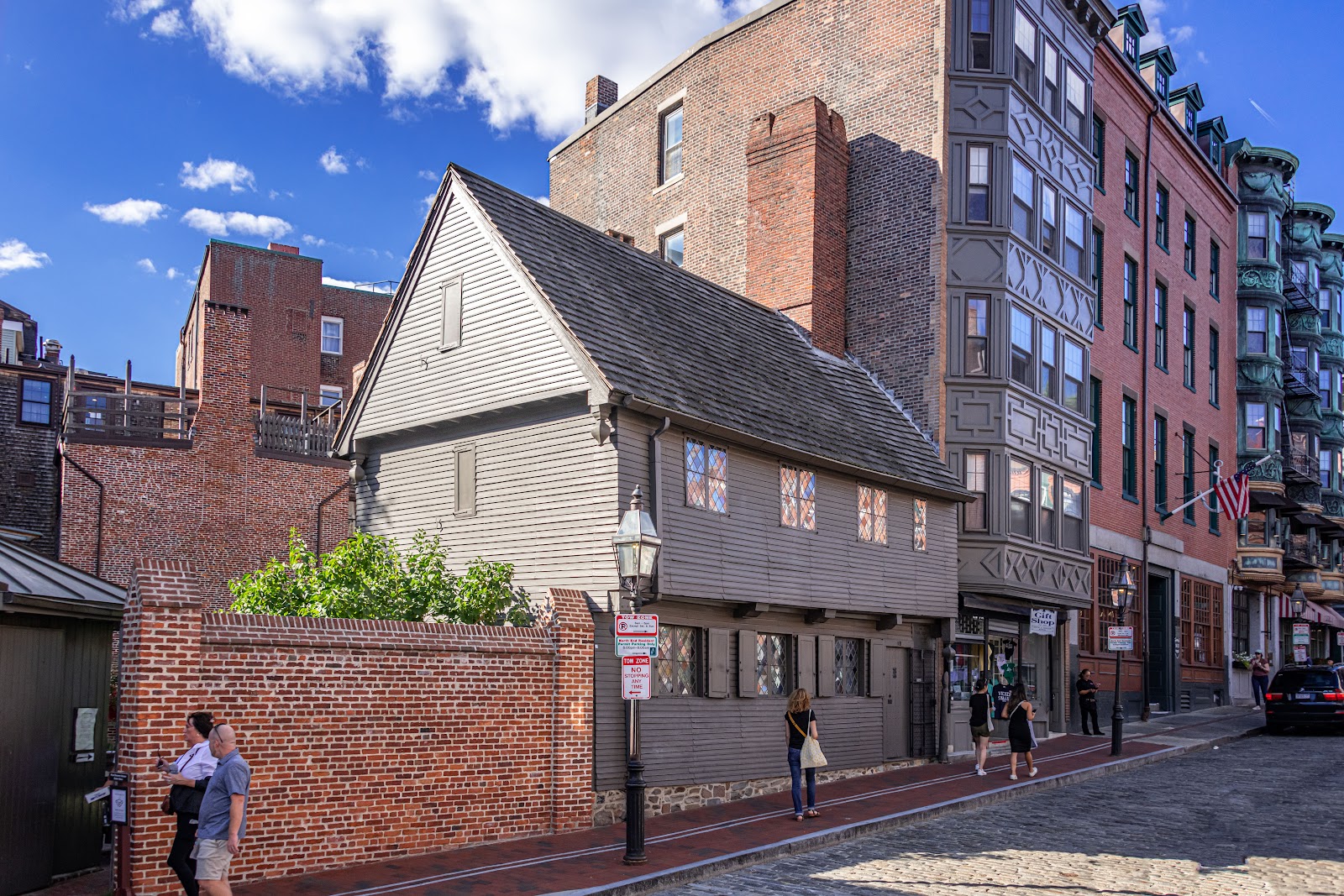
More photos
Photos published by travelers on Google, not AI generated.
What stands out
- Original Revere family possessions
- Knowledgeable and enthusiastic docents
- Surviving original house columns
- Displays on family life in the 1700s
- Small museum and education centre
Worth knowing
- No photography or video inside the house
- A late arrival can limit visiting time
Don't miss
What comes up most in public reviews
- See the original family possessions
- Look for the surviving original columns
- Ask docents about daily life in the 1700s
- Visit the museum or education centre
- Take exterior photographs
Worth the trip?
Why it stands out
The Paul Revere House holds a Google rating of 4.5 from 4964 reviews, with public feedback consistently describing an engaging encounter with American history. Visitors value the chance to step inside a preserved historic home rather than simply read about Paul Revere’s life from a distance. Several reviewers say the setting makes the past feel immediate, particularly through the rooms, furnishings and surviving architectural details.
The house is especially well suited to travellers already interested in early American history, but reviews suggest it also works for families and casual museum-goers. One parent reported that the visit held the attention of children, who enjoyed learning about the Revere family and seeing how homes, furniture and daily life looked in the 1700s. Another visitor singled out the surprising detail that Paul Revere had 16 children, an example of the personal history that helps distinguish the experience from a broader historical overview.
Inside the historic house
Original objects connected to Paul Revere and his family are among the most frequently praised elements. Reviewers describe these possessions as an effective way to understand the household and the period. Surviving parts of the building also attract attention, including original columns that can still be seen.
The experience appears to focus as much on domestic life as on Revere’s better-known place in American history. Public comments repeatedly mention furniture, family life and the practical realities of living hundreds of years ago. That narrower, human-scale perspective gives the landmark much of its appeal.
Photography and video are not allowed inside the house, a restriction noted across several reviews. Visitors can, however, take photographs outside. One review also reports that photography was permitted in the museum or education centre. Anyone hoping to document every room should be prepared to keep the phone or camera away during the main house visit.
Guides, displays and supporting spaces
Staff and docents receive notably warm feedback. Reviewers describe them as knowledgeable, enthusiastic and happy to answer questions. Their explanations cover both the building and everyday life in the period, adding context that may not be obvious from the rooms and objects alone. Even a family arriving shortly before closing said staff remained kind and welcoming, helping them make useful time of a shortened visit.
Beyond the house itself, reviews mention additional displays, a small museum or education centre, and a gift shop. These supporting spaces broaden the visit and provide more room for interpretation. They also offer places where photography may be possible, unlike inside the historic home.
Editorial verdict
Synthesised public feedback presents The Paul Revere House as a focused, well-kept Boston landmark with strong interpretation and unusually approachable staff. Its main strengths are the original family possessions, surviving features of the building and the attention paid to domestic life in the 1700s.
The no-photography rule inside is the clearest practical limitation. Otherwise, reviews reveal few recurring drawbacks. History enthusiasts should find the visit particularly worthwhile, while families may appreciate that the story is told through recognisable details such as children, furniture and the home itself. Allowing enough time to ask the docents questions is likely to make the experience more rewarding.
Plan the rest of the trip
Ask anything
Looking for somewhere else?
Keep exploring around Boston
More from United States

United States
Grand Staircase-Escalante rewards curiosity and self-reliance
Grand Staircase-Escalante National Monument offers vast scenery, quiet dirt roads and unstructured exploration across southern Utah.

United States
Capitol Reef National Park Rewards Slow, Scenic Exploring
Public reviews highlight Capitol Reef’s manageable hikes, striking drives, Fruita orchards and famously popular pies.

United States
Pikes Peak Delivers Big Views by Road or Railway
Public reviews rate Pikes Peak highly for summit views, scenic driving, cog railway rides and a memorable high-altitude stop.
United States
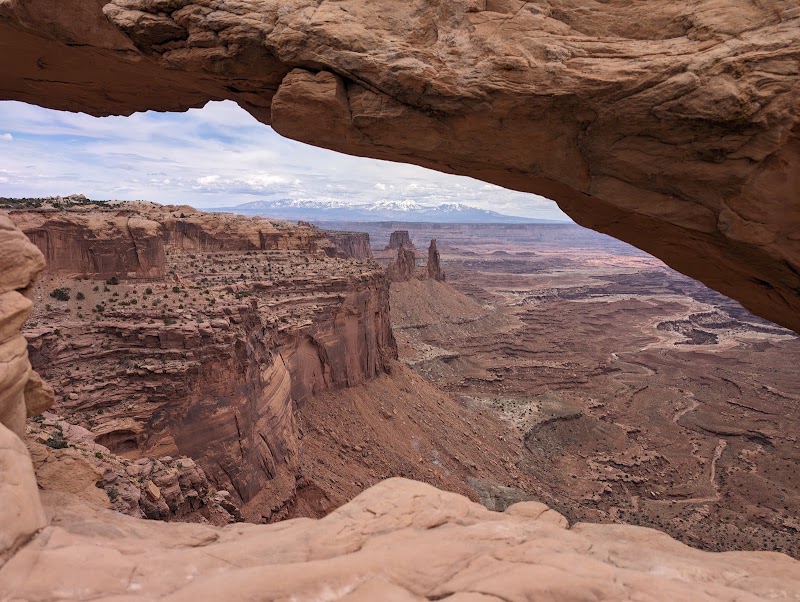
Canyonlands National Park Delivers Huge Desert Views
Public reviews praise Canyonlands for its vast red-rock scenery, panoramic overlooks and memorable walks around the Island in the Sky district.