The Old Town brings Danish history into the streets
Aarhus’s open-air museum earns strong praise for atmospheric streets, preserved buildings and engaging encounters with period-costumed staff.
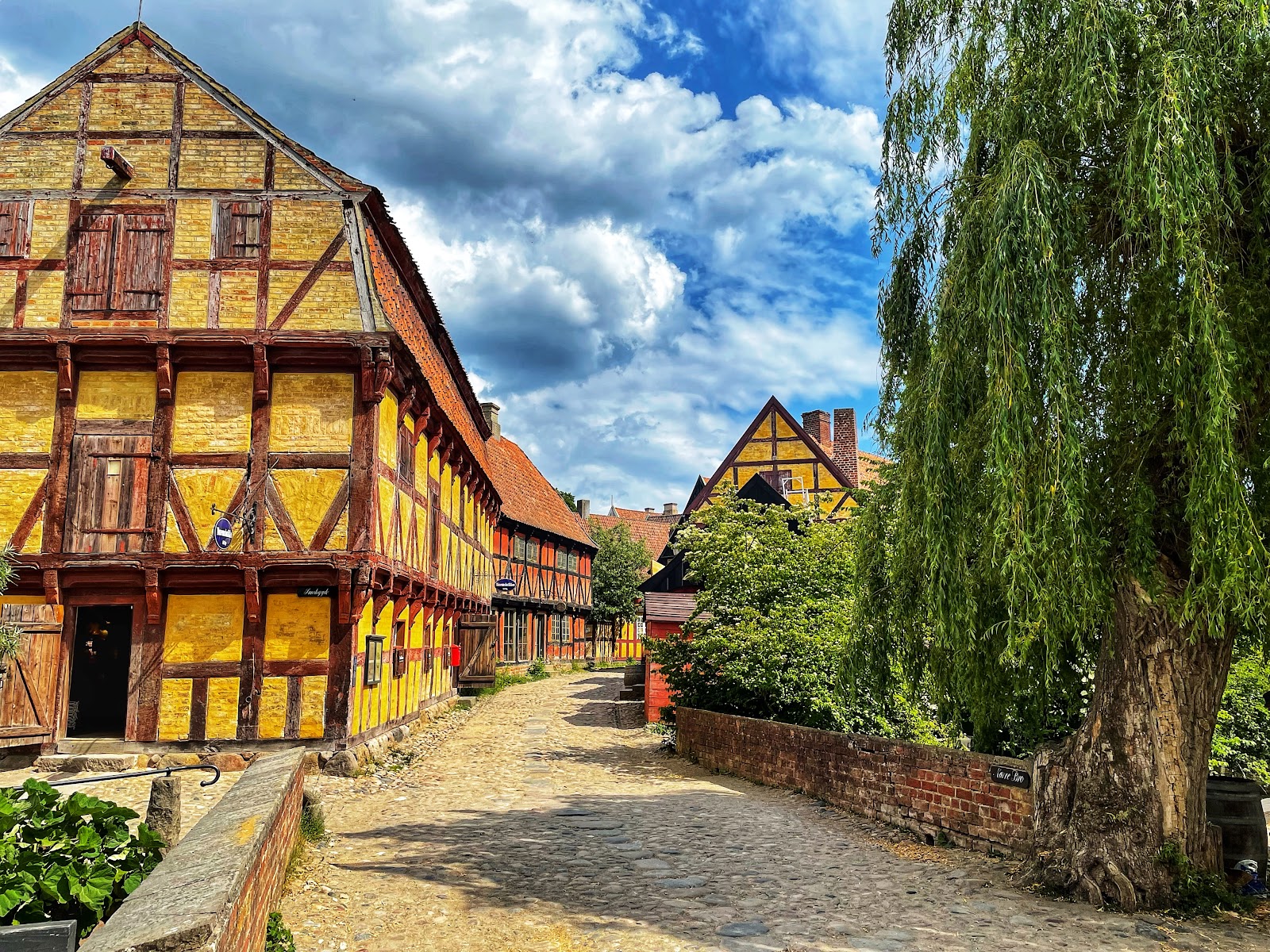
More photos
Photos published by travelers on Google, not AI generated.
What stands out
- Preserved historic houses and streets
- Atmospheric open-air setting
- Period-costumed staff and volunteers
- Well-kept artifacts and exhibitions
- Shops with snacks or samples
Worth knowing
- Cobblestone streets can be difficult to navigate
- A rushed visit may miss many interiors
Don't miss
What comes up most in public reviews
- Step inside the old houses
- Explore the individual shops
- Examine the preserved artifacts
- Meet staff dressed in period clothing
- Look for historical snacks or samples
Worth the trip?
A walk through Danish history
The Old Town, also known as Den Gamle By, is an open-air history museum of preserved houses, shops, cobbled streets and displays of everyday objects. Its Google rating stands at 4.6 from 20739 reviews. Across that public feedback, the appeal seems to come not from one standout exhibit, but from the feeling of stepping into a complete historical setting.
Reviewers regularly call the museum immersive and atmospheric. They also find it educational. Its buildings and streets illustrate how people lived in different periods, with interiors, artifacts and shop spaces filling in the details. Even visitors who arrive with little prior knowledge of Danish history tend to describe the experience as approachable and easy to understand.
Buildings, shops and living interpretation
The preserved architecture comes through as the clearest recurring highlight. Public reviews often mention the condition of the houses, along with the care taken over their interiors and artifacts. Visitors do not have to view it all from a distance. They can wander the streets and go inside the buildings, which makes the museum feel like a town rather than a conventional gallery.
The shops need time too. One reviewer regretted not going into every one, a sign that a quick circuit can miss a large part of the experience. Staff and volunteers in period clothing may sell snacks or offer samples linked to the historical setting. It brings in a lively, human element. Their friendliness appears repeatedly in the feedback, as do their enthusiasm and willingness to engage.
This makes the museum work for a broad audience. History enthusiasts can spend time with the buildings and material culture. More casual visitors may simply enjoy the streets, interiors and interactions. Repeat visitors say they find something new on later trips, which gives a useful indication of the site’s depth.
How long to allow
A few hours is a sensible minimum. Given the number of houses, shops and exhibitions, half a day is the better choice for anyone who wants to explore without rushing. Reviews make clear that going into the individual spaces is central to a visit. A slower pace works better here than a quick walk through the streets.
The historic ground surface is the main practical concern. Cobbled streets and distinct areas may be difficult to navigate, especially for anyone with reduced mobility or unsteady footing. Snow can make the setting particularly memorable, though it also puts more emphasis on careful footwear and movement.
Editorial verdict
The Old Town is an engaging introduction to Danish social history. Its preserved surroundings make the subject tangible, not abstract. Atmosphere is one of its strongest qualities, as is the variety on offer. Welcoming staff and volunteers also make a considerable contribution. Public feedback suggests the museum is particularly well suited to visitors who like exploring at their own pace and looking inside each house or shop.
The large volume of positive public feedback supports its standing as a leading Aarhus attraction. Visitors who give it enough time, rather than treating it as a brief photo stop, are the ones most likely to see why repeat trips continue to uncover new details.
Plan the rest of the trip
Ask anything
Looking for somewhere else?
Keep exploring around Aarhus
More from Denmark

Denmark · Blåvand
Tirpitz Museum brings West Jutland’s wartime past to life
This substantial museum in Blåvand combines Atlantic Wall history, regional stories, interactive displays and a walk through an original bunker.

Denmark · Billund
WOW Park Billund Turns Climbing Into a Full-Day Adventure
Public reviews describe WOW Park as a spacious, well-run adventure park where children and adults can climb, slide, swing and explore for hours.
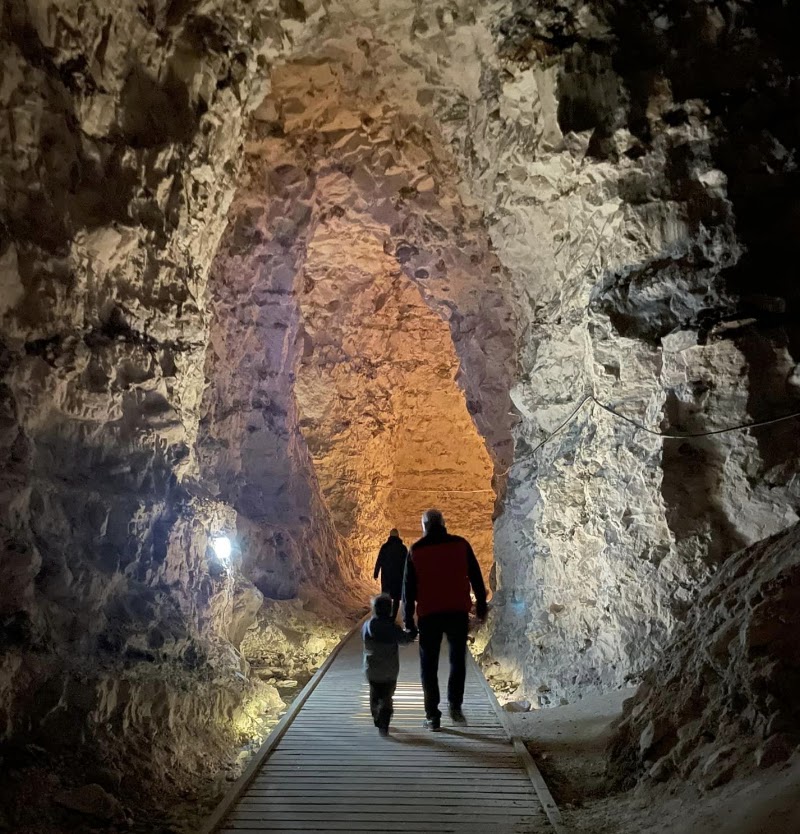
Denmark · Stoholm
Mønsted Kalkgruber: Limestone Mines Near Stoholm
Mønsted Kalkgruber combines atmospheric underground walks, industrial history and family-friendly outdoor space in one substantial visit.
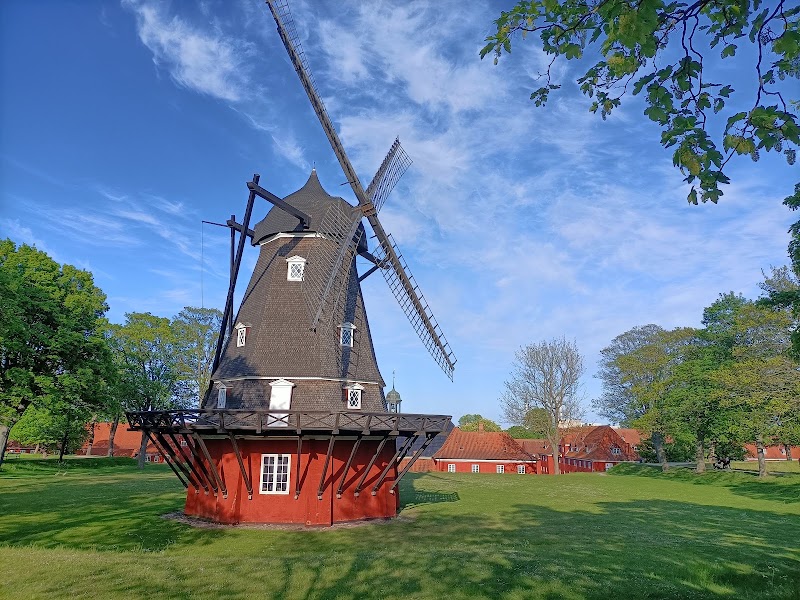
Denmark · København
Kastellet: A Quiet Walk Through Copenhagen’s Star-Shaped Fortress
Kastellet offers a calm green escape in central Copenhagen, with historic ramparts, moat views and easy access to the Little Mermaid.