Norwegian Museum of Cultural History: Oslo Through Time
This open-air museum brings historic buildings, traditional life and Sami culture together across a large, village-like site in Oslo.

More photos
Photos published by travelers on Google, not AI generated.
What stands out
- More than 160 historic buildings
- Historic Gol Stave Church
- Sami culture museum
- Period-costumed staff and farming demonstrations
- Village-like open-air setting
Worth knowing
- Large site requiring plenty of walking
- Some English signage may be unclear
- Two hours may not cover everything
Don't miss
What comes up most in public reviews
- Gol Stave Church
- Sami culture museum
- The party house tour
- Historic homes and farms
- Period farming demonstrations
Worth the trip?
What the reviews show
The Norwegian Museum of Cultural History, also known as Norsk Folkemuseum, is one of Oslo’s strongest choices for visitors who want more than display cases and labels. Public reviews give it 4.7 from 12,591 reviews, with repeated praise for its open-air setting and the sense of walking through Norway’s past rather than simply reading about it.
The grounds are described as a village-like collection of historic buildings relocated from different parts of the country. Reviews mention more than 160 buildings, including farms, traditional houses, old streets and the historic Gol Stave Church. The scale is significant. Several visitors stayed for more than two hours and still felt they had not seen everything.
What to see
The Gol Stave Church is the clearest recurring highlight. Some visitors came mainly to see it and then ended up exploring the wider museum. Reviews also single out the Sami culture museum as a particularly interesting part of the visit. The historic homes offer a close look at everyday life, with small beds, low ceilings and interiors that make the past feel tangible.
Visitors also mention a “party house” tour and buildings associated with wealthier households. The museum’s appeal comes from moving through these places at walking pace, seeing how homes, farms and public spaces were arranged. It is less like a quick indoor attraction and more like an extended walk through several historical settings.
Atmosphere and experience
Families appear well served by the layout. One review describes children being able to move around freely while exploring the grounds. Another praises staff in period costumes who demonstrated traditional farming tasks and helped create an immersive atmosphere. Even rain did not spoil one weekday visit in June.
That atmosphere is central to the museum’s value. The reviews repeatedly describe a feeling of time travel, supported by the open-air setting and the physical details inside the buildings. This is a place where the setting does much of the explaining.
Planning the visit
The museum needs time. Public reviews recommend allowing at least two to three hours, and some visitors stayed longer without covering everything. It suits travellers with half a day to spare, particularly families, history enthusiasts and anyone interested in traditional Norwegian homes and rural life.
The site is not presented as a budget, mid-range, upscale or luxury attraction in the supplied listing data, so its price level remains unknown. Visitors should also expect some walking across a large area. Signage in English was criticised by one reviewer, who found access through the museum for wealthy households unclear. That is worth keeping in mind for visitors who want a highly structured route.
The overall verdict is strong. The combination of historic buildings, the Gol Stave Church, Sami culture displays and live demonstrations gives the museum unusual breadth. It rewards curiosity and unhurried exploration.
Plan the rest of the trip
Ask anything
Looking for somewhere else?
Keep exploring around Oslo
More from Norway
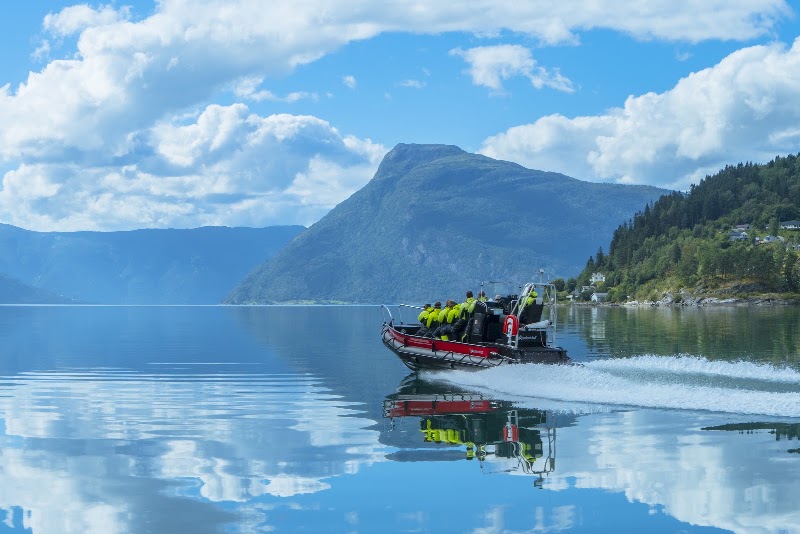
Norway · Skjolden
Adventure Tours Norway: A Fast, Friendly Skjolden Fjord Trip
Public reviews praise Adventure Tours Norway for smooth RIB rides, engaging guides and a short waterfall hike through the fjord landscape near Skjolden.
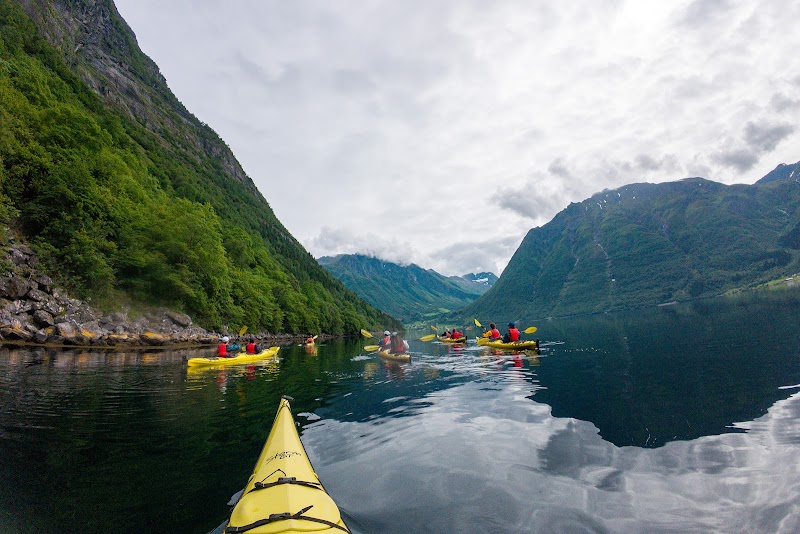
Norway · Davik
Norway Adventures: Bespoke Trips Beyond the Main Routes
Public reviews describe a highly personalised Norway travel service, with self-guided tours, outdoor trips and complex family itineraries.

Norway · Skulestadmo
Voss Active Brings River Adventure to Skulestadmo
Public reviews praise Voss Active for safe, sociable rafting, high ropes and ziplining, with canyoning as a strong alternative when river conditions change.
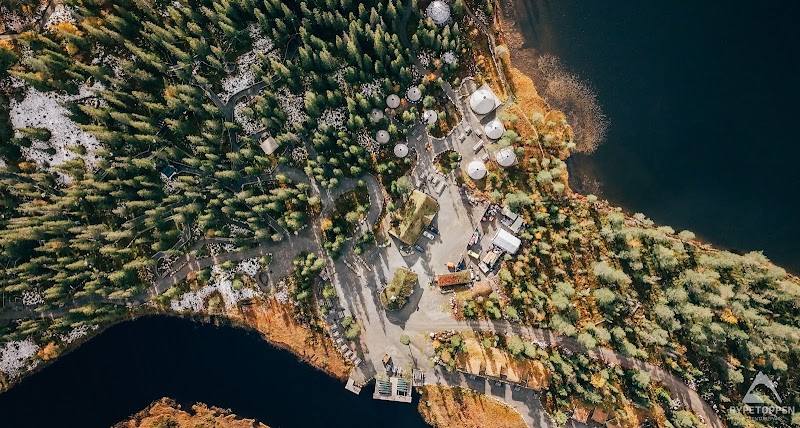
Norway · Meråker
Rypetoppen Adventurepark: Climbing and Zip Lines in Meråker
Rypetoppen Adventurepark suits families and groups seeking an active day outdoors, with graded climbing courses, zip lines and mountain views.