The National Museum of Oman: A Clear Guide to the Sultanate
Muscat’s National Museum earns strong marks for thoughtful displays covering Omani history, maritime ties, faith, culture and royal heritage.
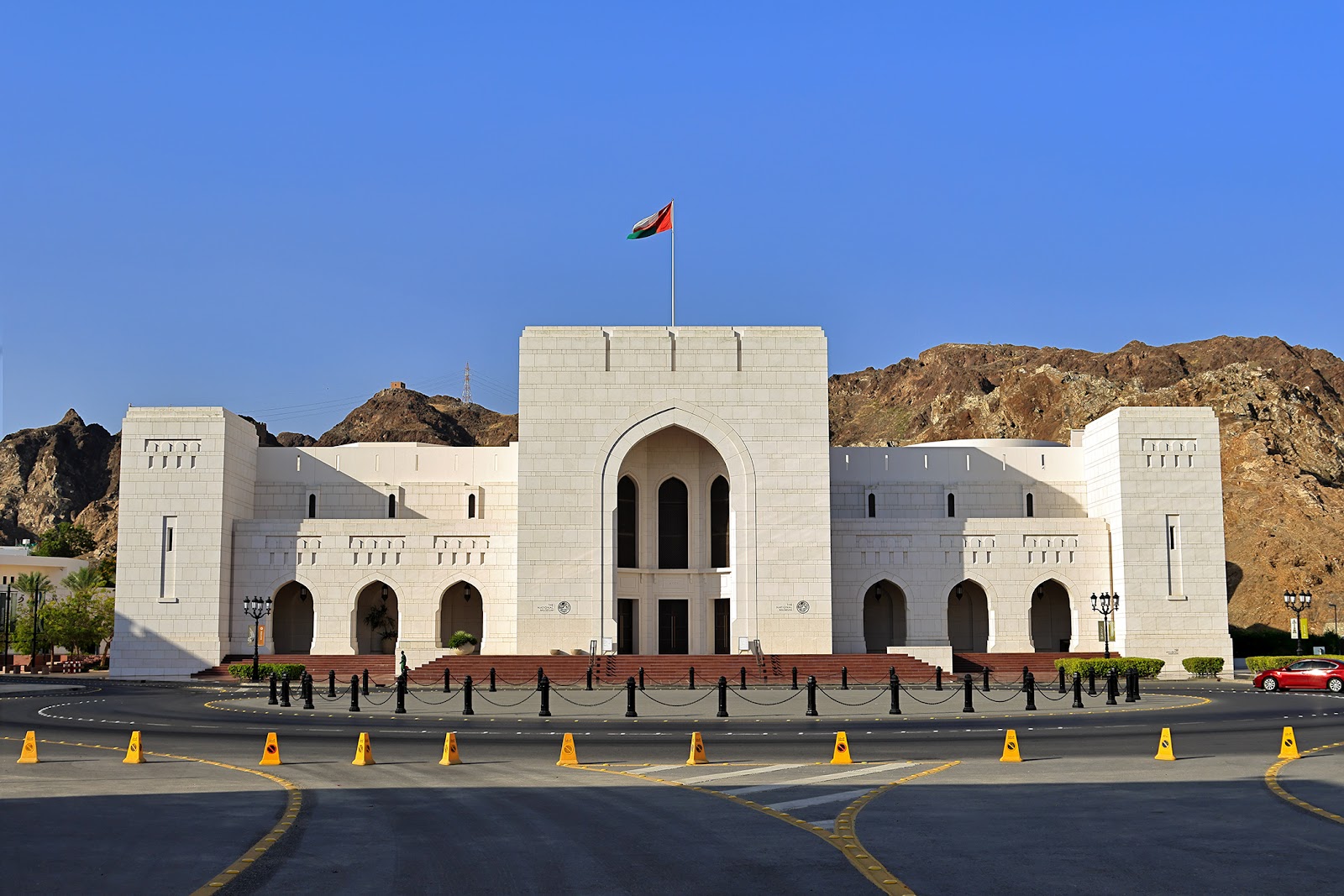
More photos
Photos published by travelers on Google, not AI generated.
What stands out
- Omani dynastic treasures
- Maritime history displays
- Land and People section
- The Glory of Islam section
- Carefully presented artefacts
Worth knowing
- No obvious one-way route
- Large amount of information to absorb
Don't miss
What comes up most in public reviews
- Explore the Maritime History section
- See the Land and People displays
- Visit the Glory of Islam section
- Walk to Al Alam Palace afterwards
Worth the trip?
A broad introduction to Oman
The National Museum of Oman is one of Muscat’s most substantial cultural stops. Drawing on a Google rating of 4.6 from 4,451 reviews and the recurring themes in public feedback, it stands out for presenting the Sultanate’s history with unusual breadth. Visitors repeatedly praise the quality of the artefacts, careful organisation and depth of the supporting information.
The displays look beyond a simple chronology. Reviewers describe sections devoted to subjects such as Land and People, the Glory of Islam and Maritime History. Together, they show how geography, faith, seafaring and political leadership shaped Oman. The country’s longstanding connections with East Africa, India and Persia also form an important part of the story, helping place Oman within wider regional trade and cultural networks.
This broad scope makes the museum useful near the beginning of a Muscat trip. It provides context for the architecture, traditions and historical references encountered elsewhere in the city.
Displays that reward close attention
Public reviews consistently characterise the museum as spacious, well maintained and thoughtfully presented. Artefacts and treasures connected with Oman’s ruling dynasty receive particular praise, as do the clear descriptions and thematic categorisation. Several visitors note that there is a great deal of information to absorb, including material on Omani culture, people, commerce, economic life and international relationships.
It is not necessarily a quick museum. One reviewer spent around four hours inside, while others mention taking their time through the different sections. Half a day is therefore a sensible allowance for travellers with a serious interest in history. Those seeking only an overview can focus on the main themes, but rushing would undercut one of the museum’s principal strengths: the chance to connect objects with a larger national narrative.
Staff also attract positive comments, with reviewers describing them as supportive. Lighting and the overall condition of the displays are praised, reinforcing the impression of a museum designed for considered, unhurried viewing.
Planning the visit
The most specific criticism concerns navigation. Although the museum is described as well organised overall, one reviewer found there was no obvious one-way route and said it was easy to drift off track. Following the named thematic sections should help visitors maintain a coherent path through the collection.
A large free parking area directly outside is another practical advantage mentioned in feedback. The location also pairs naturally with Al Alam Palace, which is close enough for visitors to walk over after the museum. Combining the two creates a focused introduction to Muscat’s national history and ceremonial quarter without requiring an overpacked schedule.
The verdict
Synthesised public feedback presents the National Museum as a polished, information-rich attraction rather than a brief collection of display cases. Its strongest appeal lies in the range of its storytelling, from maritime history and Islam to dynastic treasures and Oman’s connections with the wider world.
History enthusiasts will get the most from it, but the accessible themes and strong presentation also suit first-time visitors looking for context. The only recurring practical concern is the absence of a clearly defined route. With enough time and a section-by-section approach, it ranks among Muscat’s most rewarding cultural visits.
Plan the rest of the trip
Ask anything
Looking for somewhere else?
Keep exploring around Muscat
More from Oman
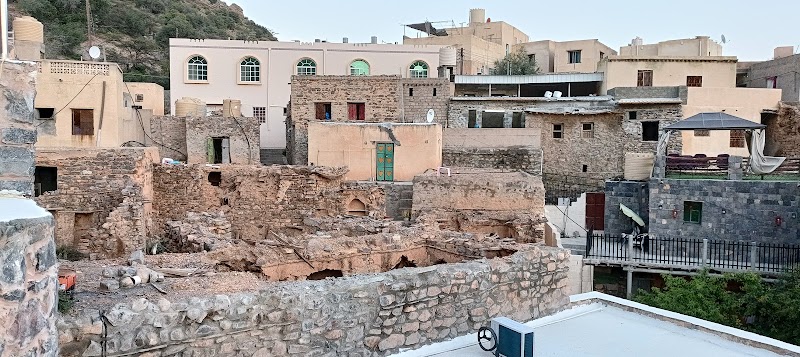
Oman · Saiq
Hanging Terraces: Cliffside Views and Warm Omani Hospitality
Public reviews praise this distinctive Saiq stay for its dramatic setting, welcoming staff, spacious rooms and close connection to local culture.

Oman · Muscat
Mandarin Oriental, Muscat: Polished Rooms and Attentive Service
Public reviews point to a highly polished Muscat stay, with spacious rooms and warm service, though shared areas may feel busy for adults seeking quiet.

Oman · Muscat
The St. Regis Al Mouj Muscat Resort Review
Public reviews point to a polished Muscat resort with generous service, spacious rooms, strong dining and a convenient airport location.
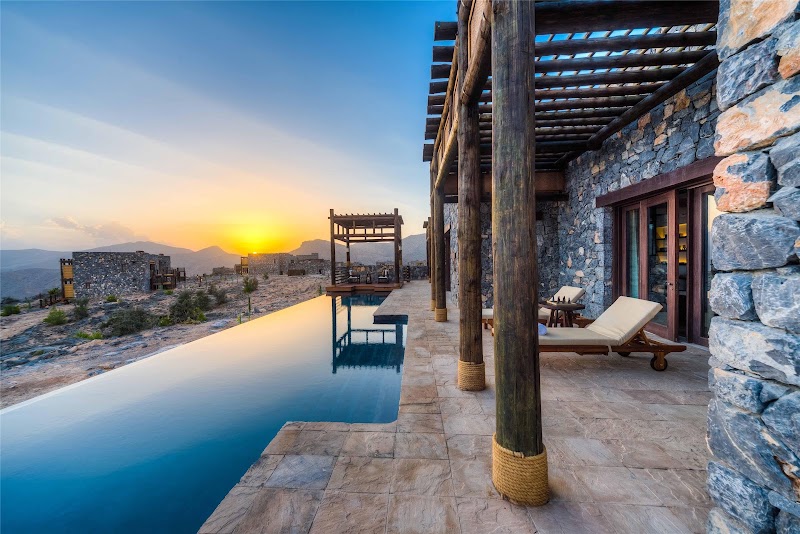
Oman
Alila Jabal Akhdar: Mountain Views and Attentive Service
Public reviews describe a high mountain retreat in Oman with striking views, thoughtful staff and memorable stargazing, though one visitor reported a frustrating access policy.