The National Museum, Riyadh’s Clear Guide to Arabian History
Public reviews describe a calm, substantial museum with well-explained galleries covering Arabia’s geology, heritage, Islam and the modern Saudi state.

More photos
Photos published by travelers on Google, not AI generated.
What stands out
- Chronological history of Arabia
- Geology, fossils and rock art
- Nabataean tombstones and artefacts
- Galleries on Islam and Saudi Arabia
- Curved sandstone architecture
Worth knowing
- Last entry may leave too little time
- Check current hours and entry arrangements
Don't miss
What comes up most in public reviews
- Look for the fossils and rock art
- See the Nabataean tombstones
- Spend time in the later Islamic history galleries
- Visit the lawn and water features behind the museum
- Check access to Murabba Palace
Worth the trip?
Why it stands out
The National Museum in Riyadh earns a strong 4.6 rating from 19,967 Google reviews, and the recurring praise is specific. Visitors describe a serious, well-organised museum that gives context to the history of the Arabian Peninsula rather than presenting artefacts without explanation. Its galleries follow a broadly chronological path, beginning with prehistoric Arabia and geology before moving through ancient cultures, Islamic history and the formation of the modern Saudi state.
That structure makes the museum approachable for first-time visitors. The displays are supported by clear descriptions, which reviewers say help explain the significance of fossils, rock art and Nabataean tombstones. The experience is educational without feeling chaotic. Several visitors also mention a respectful presentation of Saudi Arabia’s people, values and cultural heritage.
What visitors see
The collection covers a wide historical span. Reviewers repeatedly mention fossils, rock art and Nabataean tombstones, along with artefacts that chart the development of life and culture across the region. The later galleries focus on the evolution of Islam and the history of Saudi Arabia. That final section is one of the most frequently noted parts of the visit.
The building itself also contributes to the experience. One review highlights its curved sandstone architecture, inspired by the red sand dunes of the region. Inside, the atmosphere is generally described as clean, calm and spacious, allowing the interpretation and objects to take priority. It is not presented as a fast photo stop. There is material to read and absorb.
Planning the visit
Public reviews suggest allowing about two hours to work through the galleries. Families are likely to find enough visual material and historical variety to keep children interested, while adults looking for a deeper introduction to Arabian history will have plenty to consider. The museum suits visitors who prefer a structured cultural stop in Riyadh rather than a short landmark visit.
Timing requires care. One reviewer warns that last entry is one hour before closing and says that this is not enough time to see the full museum. The same account describes stricter enforcement of closing rules for tourists, so arriving well before the final admission window is sensible. Opening hours and entry arrangements should be checked before setting out, since the available reviews do not establish a current schedule or price level.
Beyond the galleries
Reviewers mention lawn and water features behind the museum as a pleasant place to sit after touring the exhibitions. The Murabba Palace is also noted nearby, now part of the surrounding heritage area, making it worth checking what is open during the visit. The outdoor space gives the museum a slower finish. After two concentrated hours indoors, that helps.
The National Museum is best understood as a foundation for exploring Riyadh’s history. It offers a coherent introduction, strong explanatory material and enough depth to reward an unhurried visit. Visitors who arrive close to closing may leave disappointed. Those who plan ahead are likely to find one of the city’s most useful cultural attractions.
Plan the rest of the trip
Ask anything
Looking for somewhere else?
Keep exploring around Riyadh
More from Saudi Arabia
Saudi Arabia
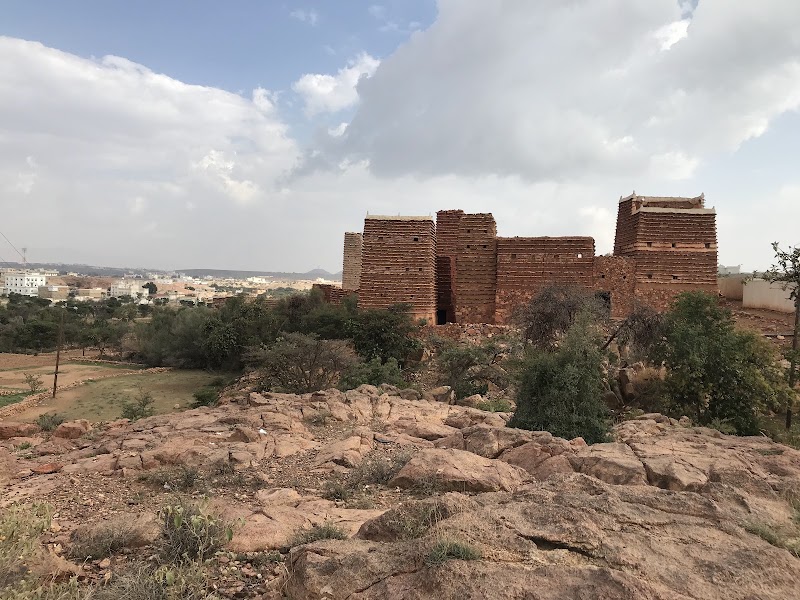
Al-Jahamah Historical Village: A Quiet Red-Hewn Heritage Stop
Public reviews describe a striking but fragile heritage village, best approached as a short, self-guided detour with care around unrestored buildings.
Saudi Arabia · Diriyah
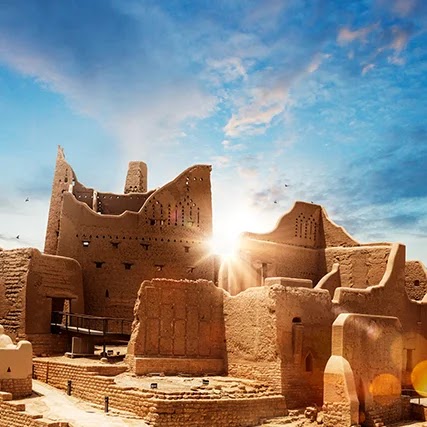
Historic Diriyah Fort: Saudi Arabia’s Mud-Brick Heritage District
Public reviews praise Historic Diriyah Fort for its restored Najdi architecture, museums, walking paths and atmospheric evening visits.
Saudi Arabia · Hegra
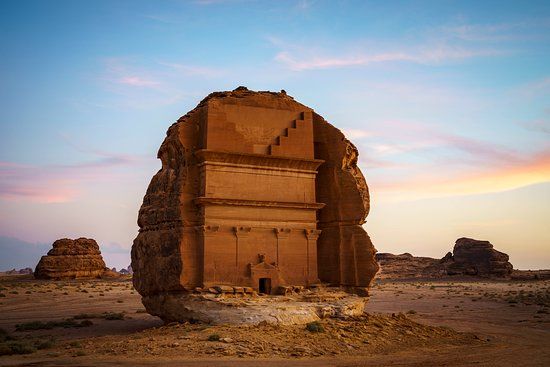
Hegra South Gate: Ancient Tombs in a Desert Landscape
Public reviews praise Hegra’s carved tombs and organised visits, while repeated warnings make advance booking essential.
Saudi Arabia · Alqourhah
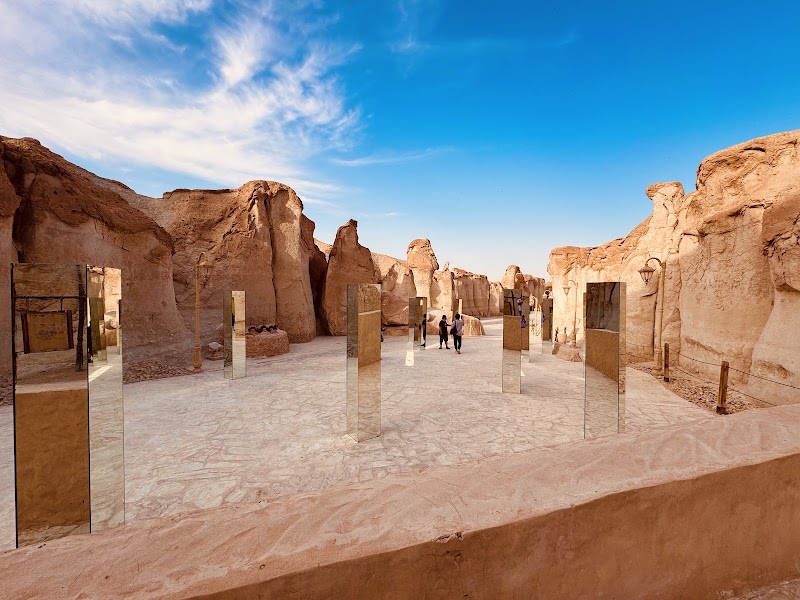
Al Qarah Mountain: Caves, Cool Air and Oasis Views
Al Qarah Mountain gives visitors a close look at unusual rock formations, cave passages and wide views across the Al Ahsa oasis.