The Maldives National University: An Academic Landmark in Malé
Malé’s leading higher education institution has a strong academic reputation, though reviews flag slow administration and tired facilities.
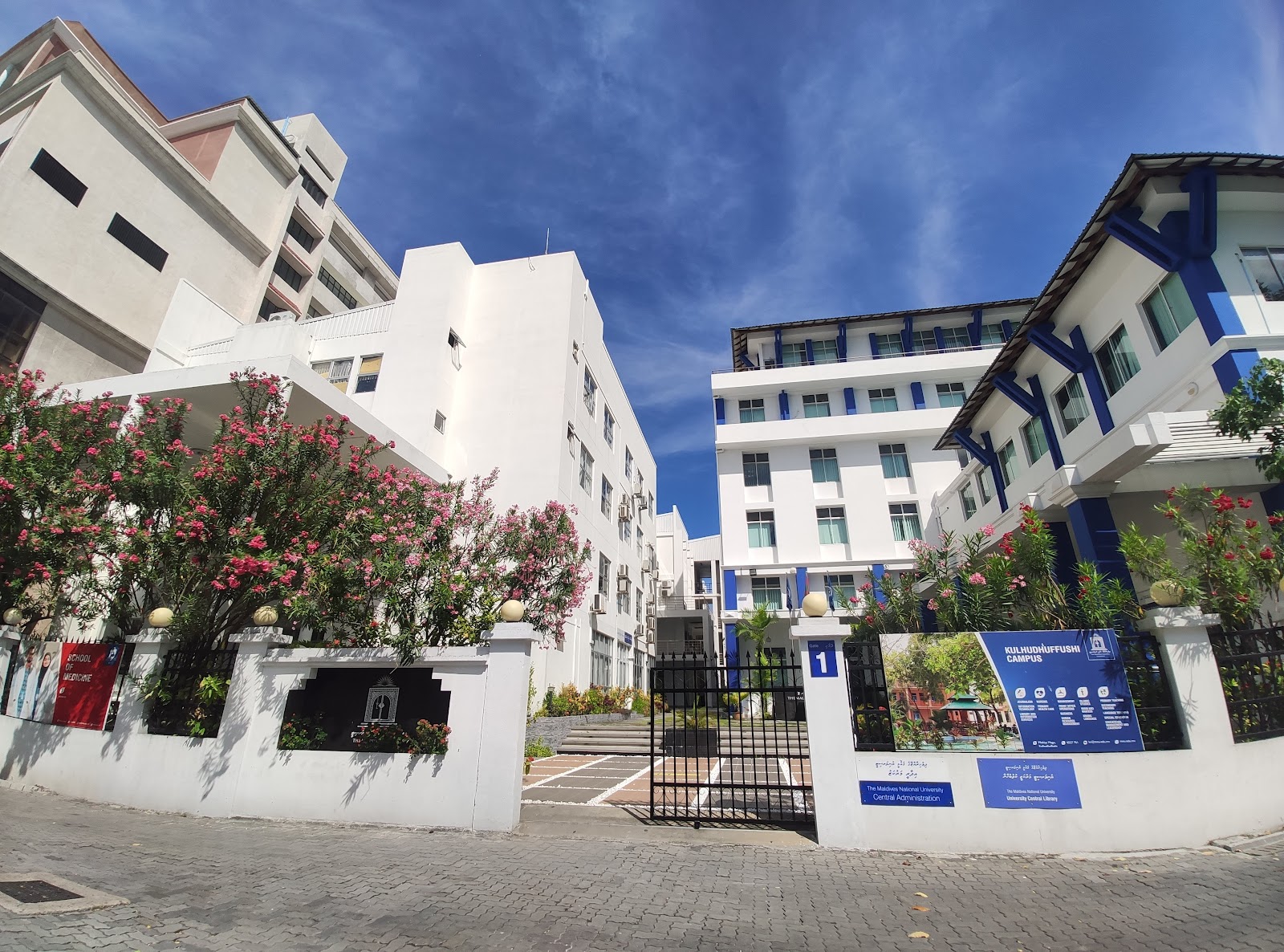
More photos
Photos published by travelers on Google, not AI generated.
What stands out
- Prominent role in Maldivian higher education
- Courses from certificate to master’s level
- Campuses across different areas of the Maldives
- Spacious setting and clear landscape
Worth knowing
- Slow administrative office lines
- Unreliable follow-up calls
- Building maintenance concerns
Worth the trip?
A university rather than a conventional sight
The Maldives National University is primarily a working educational institution, not a visitor attraction in the usual sense. Travellers should not expect galleries, guided sightseeing or a purpose-built tourism experience. Its relevance lies instead in its place within Maldivian public life and higher education.
Based on a Google rating of 4.4 from 89 reviews, the university is generally regarded with respect. Reviewers describe it as one of the country’s most prominent higher education providers, with courses ranging from certificate level through to master’s study. One contributor who attended on an official visit came away with a particularly strong impression of its national standing.
That makes the campus most interesting to prospective students, visiting academics, education professionals and travellers with a specific interest in Maldivian institutions. For general holidaymakers with limited time in Malé, it is unlikely to rank alongside the capital’s better-known cultural and civic sights.
Academic reach and campus setting
Public feedback repeatedly focuses on the quality and breadth of education. Reviewers mention advanced courses and a network of campuses in different parts of the Maldives, suggesting an institution with a role extending well beyond the capital. This nationwide presence is one of the clearest reasons for its prominence.
Comments on the physical setting are more limited, but one reviewer praises the space and clear landscape. That impression may appeal to official visitors or prospective students assessing the study environment. Still, the available reviews do not identify particular architecture, monuments, gardens or exhibitions that casual visitors should seek out.
A review also links the institution’s establishment to the Maldives National University Act, endorsed in January 2011, followed by the university’s establishment in February 2011. This provides useful context for understanding its relatively recent status as a national university, though its educational roots and wider history are not detailed in the supplied feedback.
Service and maintenance concerns
The main criticism concerns administration. Student feedback describes slow-moving office lines, poorly trained administrative staff and promises of return calls that may not be fulfilled. These complaints appear most relevant to anyone visiting for enrolment, records or other formal business. Such visitors may find an in-person follow-up more effective, although that reflects reviewer experience rather than an official university procedure.
Building condition is another concern. One student says the building needs substantial work, creating a contrast with the more positive description of the spacious landscape. Taken together, the reviews suggest that academic reputation is the stronger draw, while facilities and back-office service can be inconsistent.
Editorial verdict
The Maldives National University is best approached as an important civic and educational institution rather than a leisure stop. Its broad course provision, national reach and perceived academic quality earn positive recognition from reviewers. However, reports of slow administration, uneven staff service and maintenance needs temper that praise.
Prospective students and official visitors have the clearest reason to attend. Casual travellers may find value in seeing a significant part of contemporary Maldivian life, but the reviews provide little evidence of dedicated visitor activities. Any visit should therefore have a defined academic, professional or institutional purpose.
Plan the rest of the trip
Ask anything
Looking for somewhere else?
Keep exploring around Malé
More from Maldives
Maldives
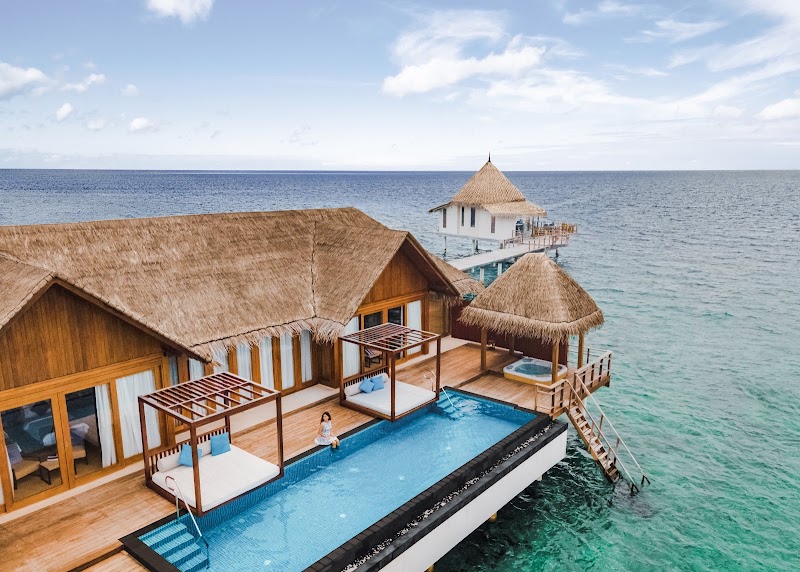
Furaveri Maldives: Private Villas and Warm, Attentive Service
Public reviews highlight spacious pool villas, clear water, strong dining and staff who make the resort feel personal.
Maldives
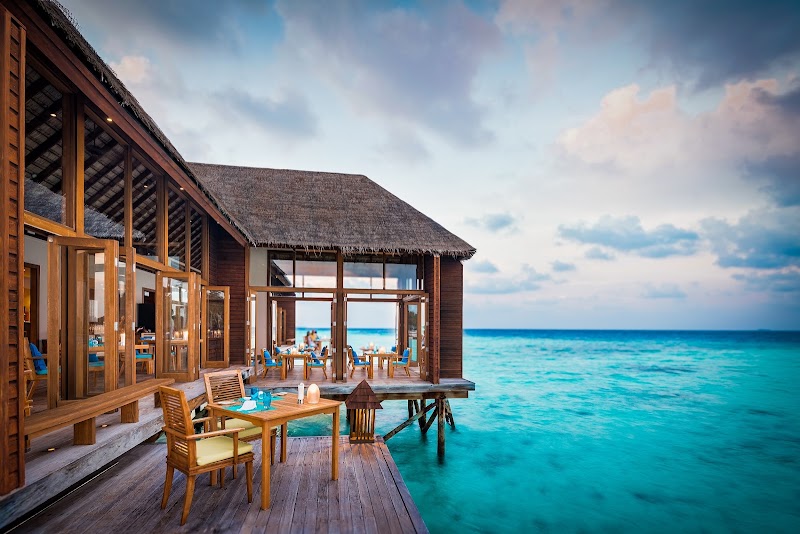
Conrad Maldives Rangali Island: A Service-Led Island Escape
Public reviews praise the resort’s ocean villas, attentive staff, dining, snorkeling and strong family facilities across its two islands.

Maldives · Malé
Oblu Xperience Ailafushi: A Social Resort Near Malé
Public reviews praise the warm service, strong family facilities, good food and memorable water-villa stays at this Malé resort.
Maldives · Malé
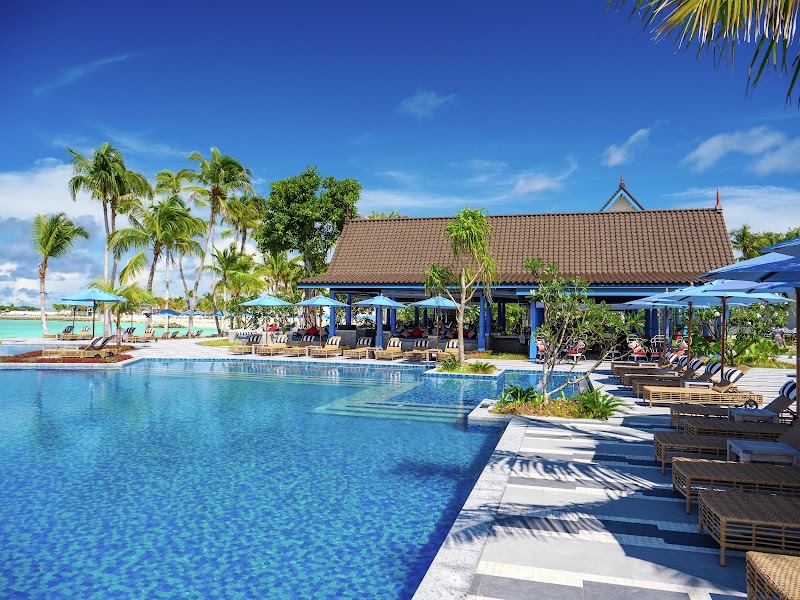
SAii Lagoon Maldives for Easy Island Time Near Malé
Public reviews point to a polished lagoon resort with warm service, strong facilities and a convenient speedboat transfer from Velana International Airport.