The Lin Family Mansion and Garden: History in Detail
Traditional architecture, landscaped gardens and detailed tours make this historic estate one of Liuhou Village’s strongest cultural attractions.
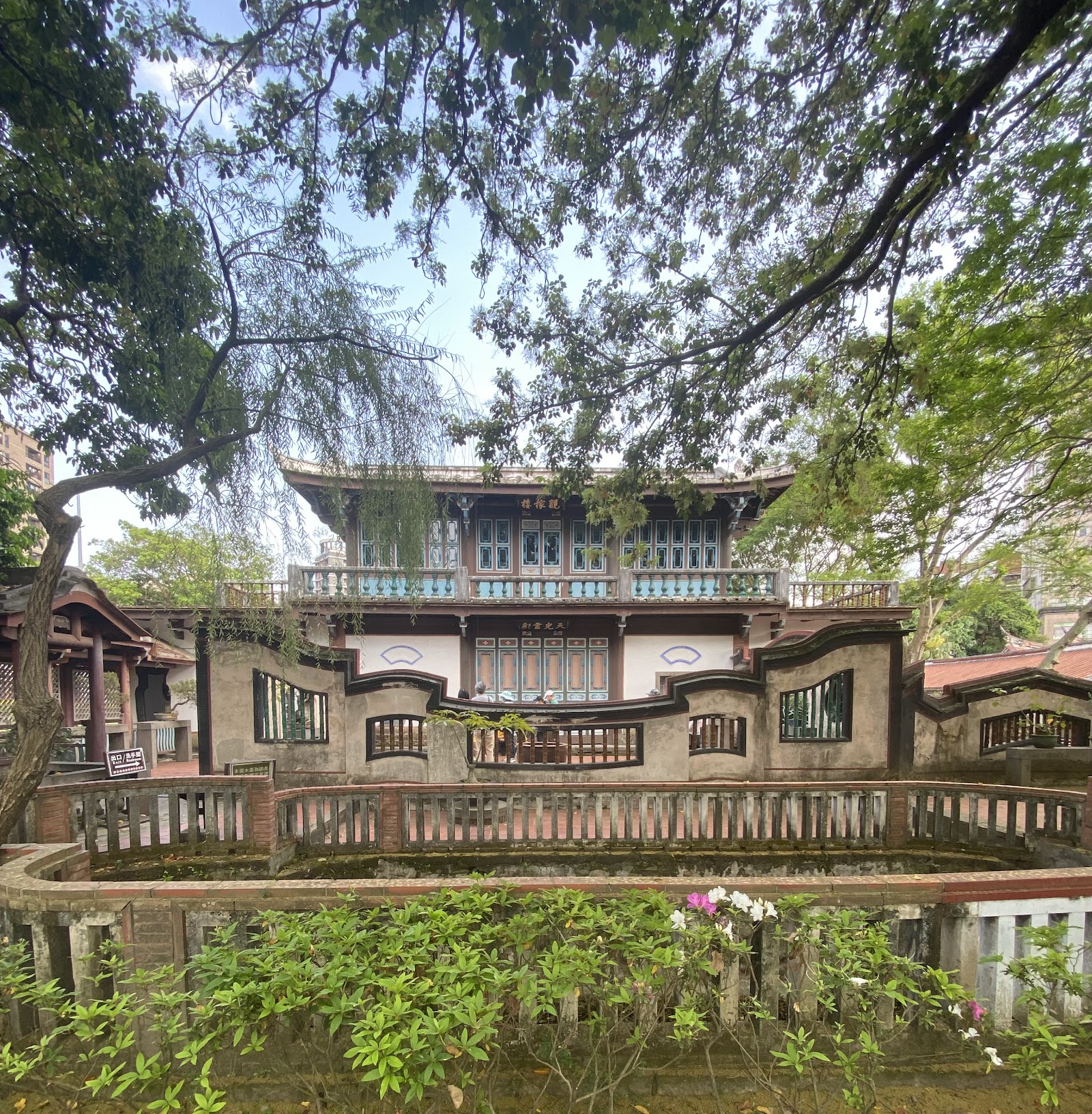
More photos
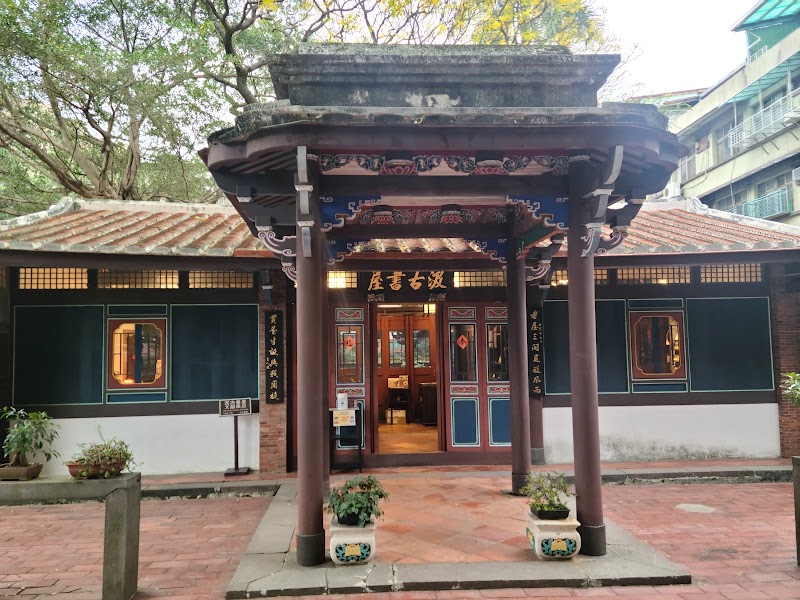
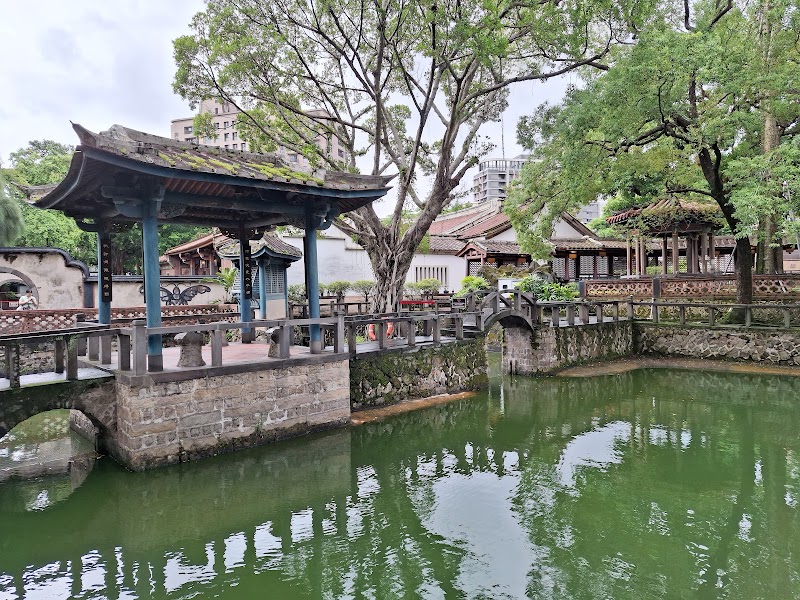
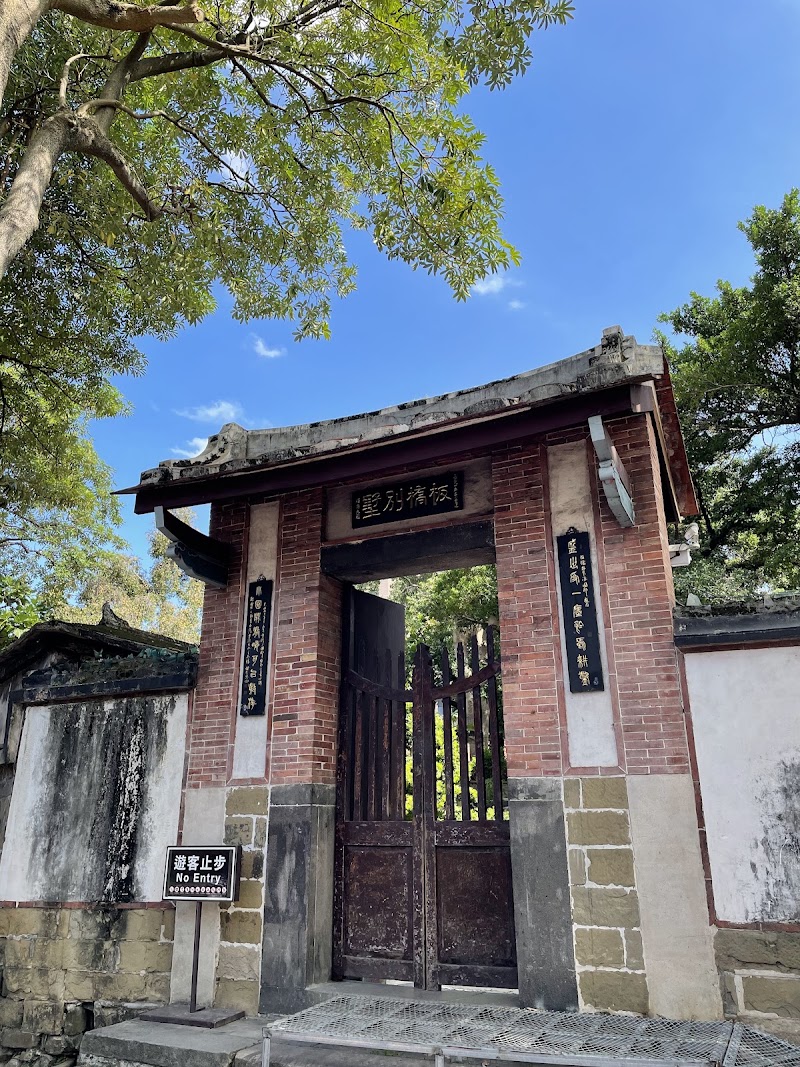

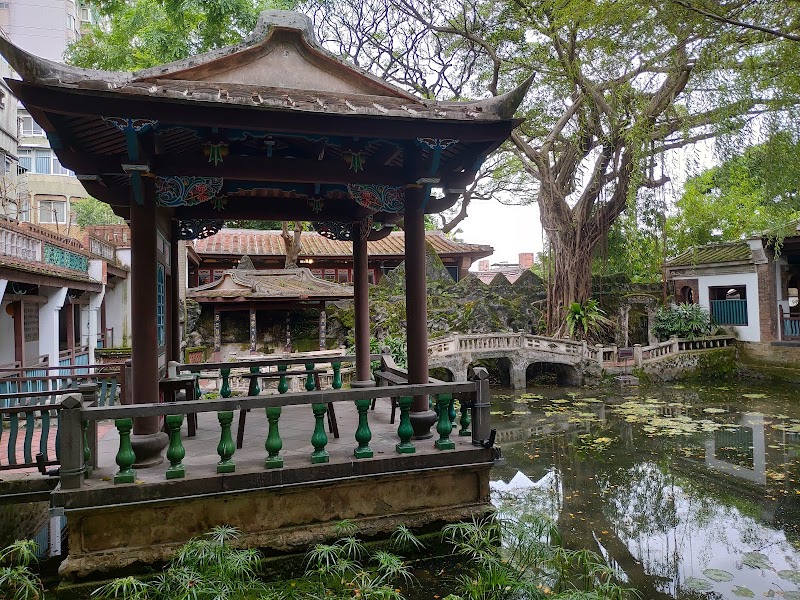
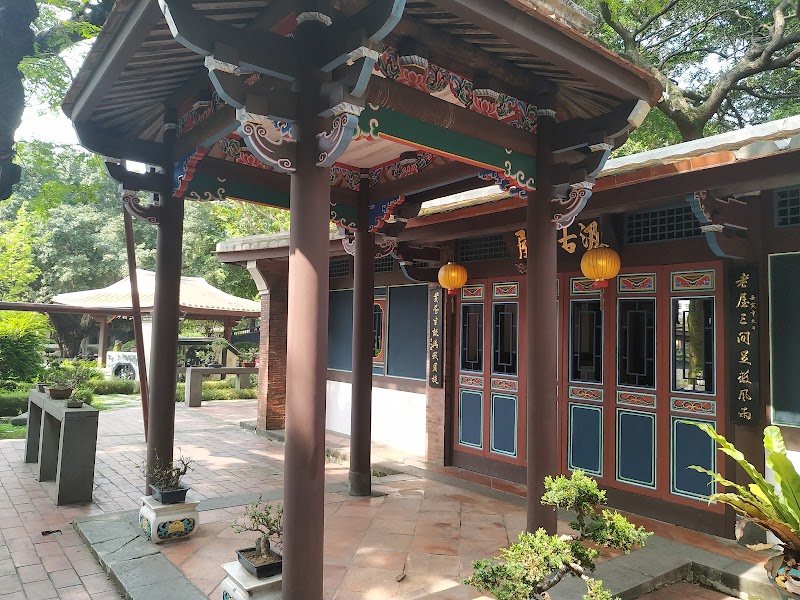
Photos published by travelers on Google, not AI generated.
What stands out
- Intricate traditional wood carvings
- Serene pavilions and classical landscapes
- Traditional Chinese garden architecture
- Historic building methods
- Qing Dynasty family history
Worth knowing
- Some restoration work may remain
- Upkeep appears uneven in places
- May require a deliberate detour
Don't miss
What comes up most in public reviews
- Join the walking tour
- Inspect the intricate wood carvings
- Explore the classical gardens
- See the traditional pavilions
- Ask about the Lin Ben Yuan family history
Worth the trip?
A strong public verdict
The Lin Family Mansion and Garden holds a Google rating of 4.4 from 17349 reviews, and the supplied public feedback consistently praises its architecture, gardens and sense of history. Visitors describe an extensive traditional estate where ornate buildings, quiet outdoor spaces and period construction techniques offer a window into the life of a wealthy landowning family.
Several reviewers consider the property particularly valuable as a surviving example of traditional Chinese garden architecture in Taiwan. Its connection to the Lin Ben Yuan family and the Qing Dynasty gives the ornamental setting a broader historical context. Rather than functioning as a garden alone, the site illustrates how wealth, domestic life, architecture and local development once intersected.
Architecture and gardens
Intricate wood carvings, pavilions and classical landscaping receive the most enthusiastic comments. Reviewers repeatedly mention the beauty of the gardens, while the mansion’s craftsmanship adds substance beyond its visual appeal. Traditional building methods are another point of interest, especially for visitors who enjoy examining how historic structures were designed and assembled.
The overall experience appears strongest when approached slowly. Public feedback suggests allowing at least a couple of hours, as the grounds are large enough to reward unhurried exploration. The pavilions, carved details and shifts between enclosed architecture and landscaped areas create much of the estate’s atmosphere. Photographs may capture individual scenes, but reviewers indicate that the scale and arrangement are more impressive in person.
The value of a guided visit
A walking tour is the clearest recurring recommendation. One detailed review credits the guide with explaining the estate’s history, architecture and cultural significance while drawing attention to features that might otherwise be overlooked. That context can help visitors understand the property as more than a collection of photogenic buildings and gardens.
Independent exploration still has appeal, particularly for photography or a quiet walk. However, travellers with a serious interest in Taiwanese history, Qing-era culture or traditional Chinese design are likely to gain more from hearing how the estate developed and what its architectural details represent. Asking about walking-tour availability on arrival would therefore be worthwhile.
Limitations and overall impression
Comments on upkeep are mixed. Some reviewers call the site well preserved, while another describes areas as less maintained or decorated than expected. Restoration work was also reported as nearly complete but still ongoing. Conditions may consequently vary between sections, and visitors should be prepared for occasional works or spaces that feel less polished.
The attraction may also sit some distance from other planned stops, according to one traveller, so it benefits from deliberate scheduling rather than a rushed detour. Even with those caveats, the review pattern is highly positive. The combination of garden design, carved interiors, pavilions and historical interpretation makes it a compelling half-day cultural visit in Liuhou Village, especially for travellers who value architecture over interactive attractions.
Ask anything
Looking for somewhere else?
Keep exploring around Liuhou Village
More from Taiwan
Taiwan · Xinying Village
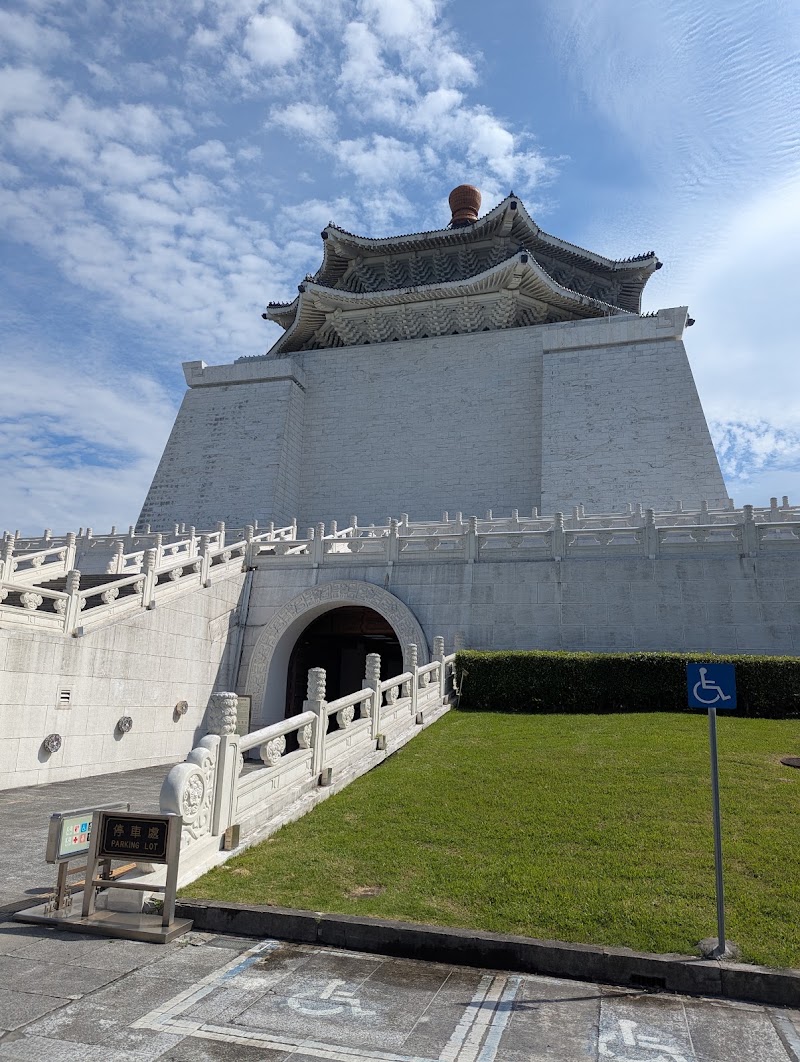
Daxiao Gate: A Grand Entrance to a Peaceful Park
Highly rated for its architecture and setting, Daxiao Gate leads into expansive grounds associated with Chiang Kai-shek Memorial Hall.
Taiwan · Wenqing Village
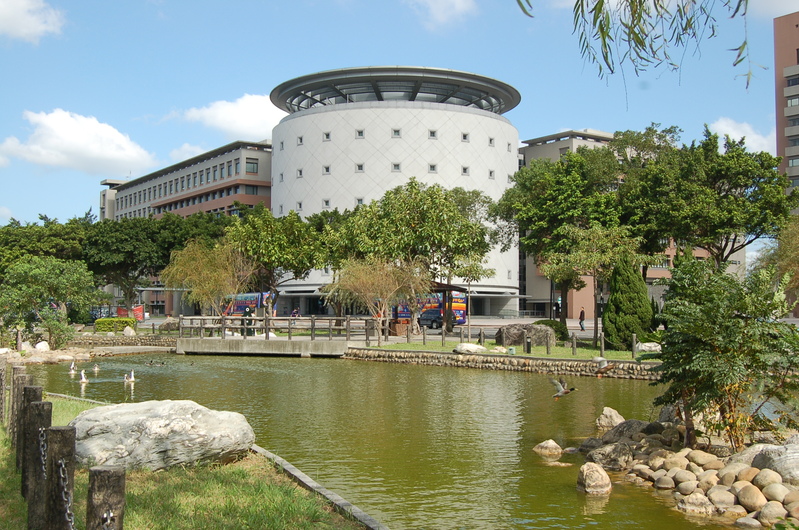
Formosa Plastics Group Museum: Industry and Ideas
A multi-floor museum in Wenqing Village tracing Formosa Plastics Group, Taiwan’s industrial development and changing approaches to sustainability.

Taiwan · Nanwang Village
Peinan Site: Prehistory and Open Space Near Taitung
An expansive archaeological park near Taitung Station, Peinan Site combines prehistoric interpretation, family space and an adjoining museum visit.
Taiwan
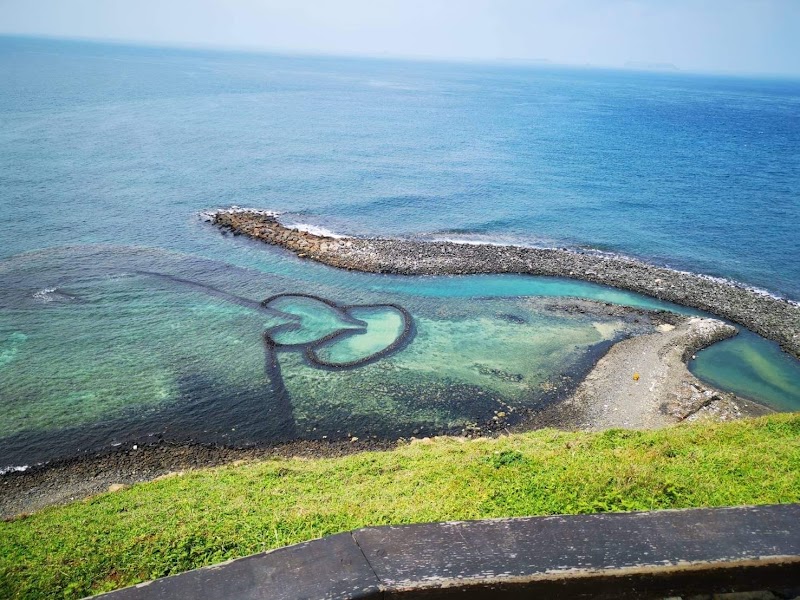
Twin Hearts Stone Weir: Qimei’s Coastal Landmark
This double-heart fish trap on Taiwan’s Qimei Island combines traditional coastal engineering with a memorable viewpoint over the sea.