Al-Sugra: a restored stone village on Jabal Akhdar
Mountain scenery, traditional stone buildings and terrace refreshments reward visitors prepared for a rugged approach and steep walk.
More photos

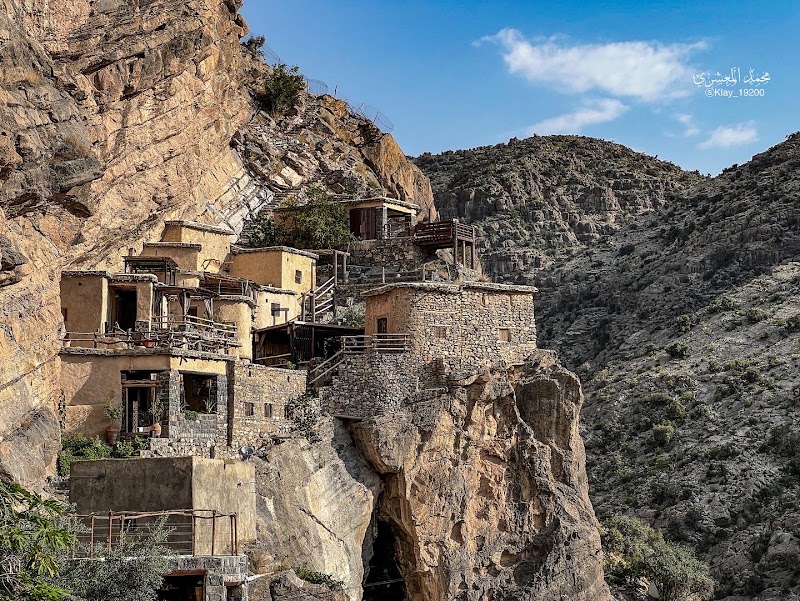
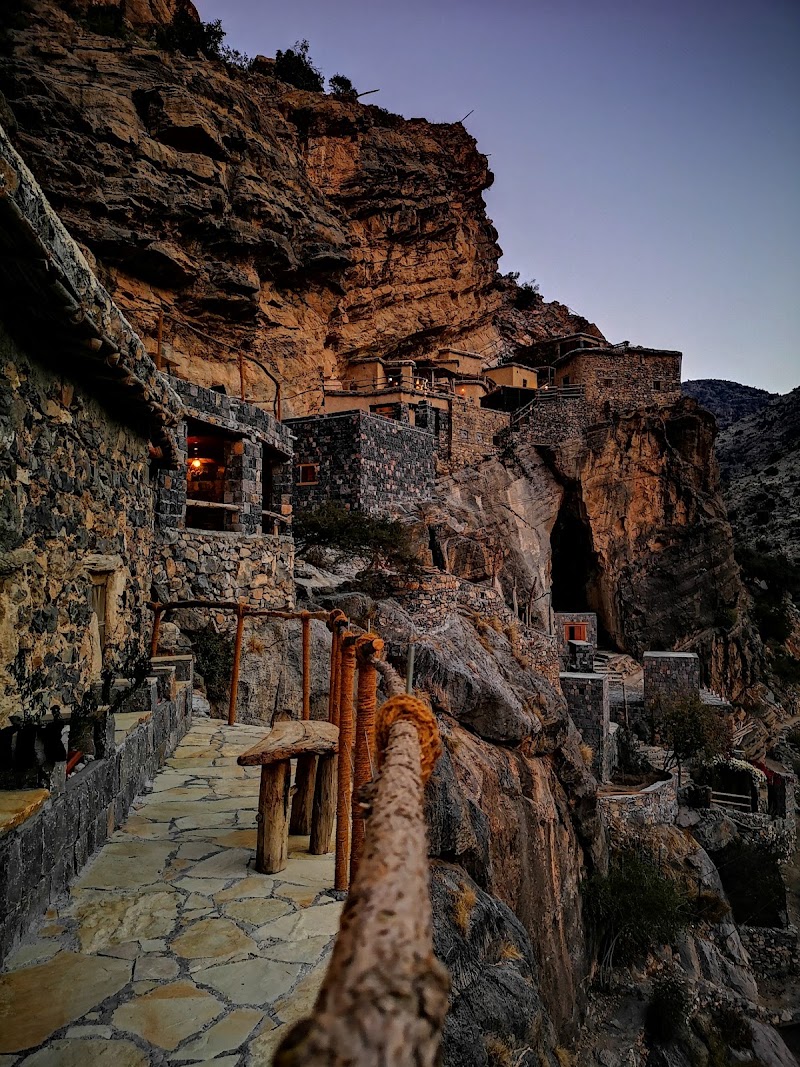
Photos published by travelers on Google, not AI generated.
What stands out
- Restored traditional stone buildings
- Dramatic Jabal Akhdar scenery
- Coffee, tea and desserts with terrace views
- Atmospheric mountainside setting
Worth knowing
- Four-wheel-drive access may be required
- Steep stairs and a demanding return climb
- Unpaved mountain roads require confident driving
Don't miss
What comes up most in public reviews
- Walk through the restored stone village
- Stop for coffee or tea on the terrace
- Take in the landscape from the upper viewpoint
- Join a daytime village tour if available
Worth the trip?
Why it stands out
Al-Sugra, a historical village also called Al-Sujrah in some public reviews, sits on a steep mountainside near Saiq on Jabal Akhdar. Its Google rating stands at 4.7 from 505 reviews. Much of that praise centres on the striking landscape and the revival of the village’s old stone buildings.
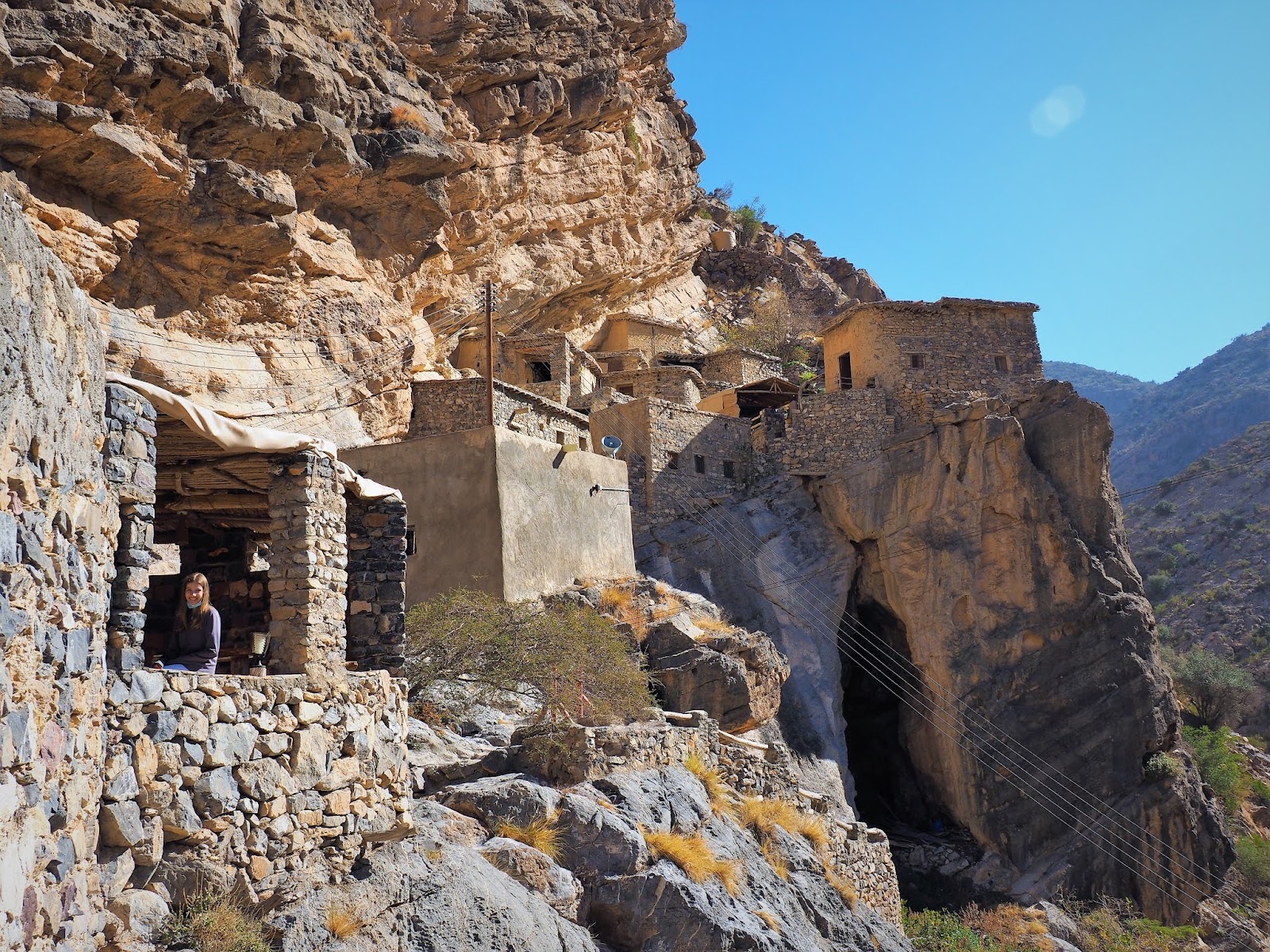
Reviews describe a former settlement that has been partly restored. Elements of traditional Omani architecture have been retained, while several buildings have taken on a new hospitality role. This is not just a viewpoint, nor does it feel like a cluster of abandoned structures. The village itself remains the focus: stone walls, a tight layout and stairways cutting across the slope.
The journey and the walk
The trip to Al-Sugra is part of its appeal. It is also the chief practical difficulty. Multiple reviewers mention a rugged mountain approach, with unpaved roads and four-wheel-drive access. Some find the drive exciting. Less confident drivers may find it tough, so current road and access conditions are worth checking locally before departure.
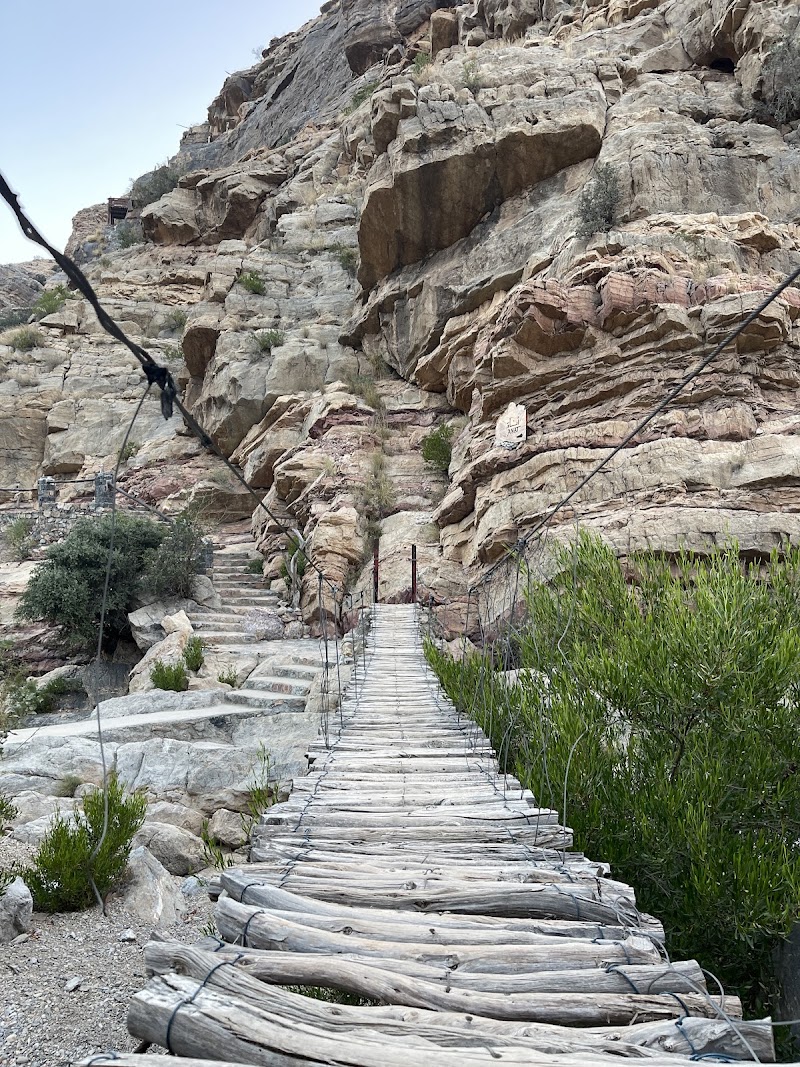
From the final approach, visitors descend on foot for what reviews commonly put at around 15 minutes. Numerous steps run down to the restored village, and every one of them must be climbed again on the way back. Public feedback is clear on this point: knee problems or limited mobility can make the route difficult. The wider landscape can still be enjoyed from above, although that means missing a close look at the buildings.
Reviews suggest there are places to pause along the route. Even so, sensible footwear and water matter, as does taking an unhurried pace. It is steep terrain. In high temperatures, it deserves particular respect.
What visitors find below
Inside the village, the strongest impression comes from the way its architecture sits against the mountain. Reviewers return often to the restored stone structures, the traditional atmosphere and the broad views from the slope. Some buildings now serve as individual lodging rooms, which lets overnight guests stay within the old settlement. Daytime visitors can explore on a tour.
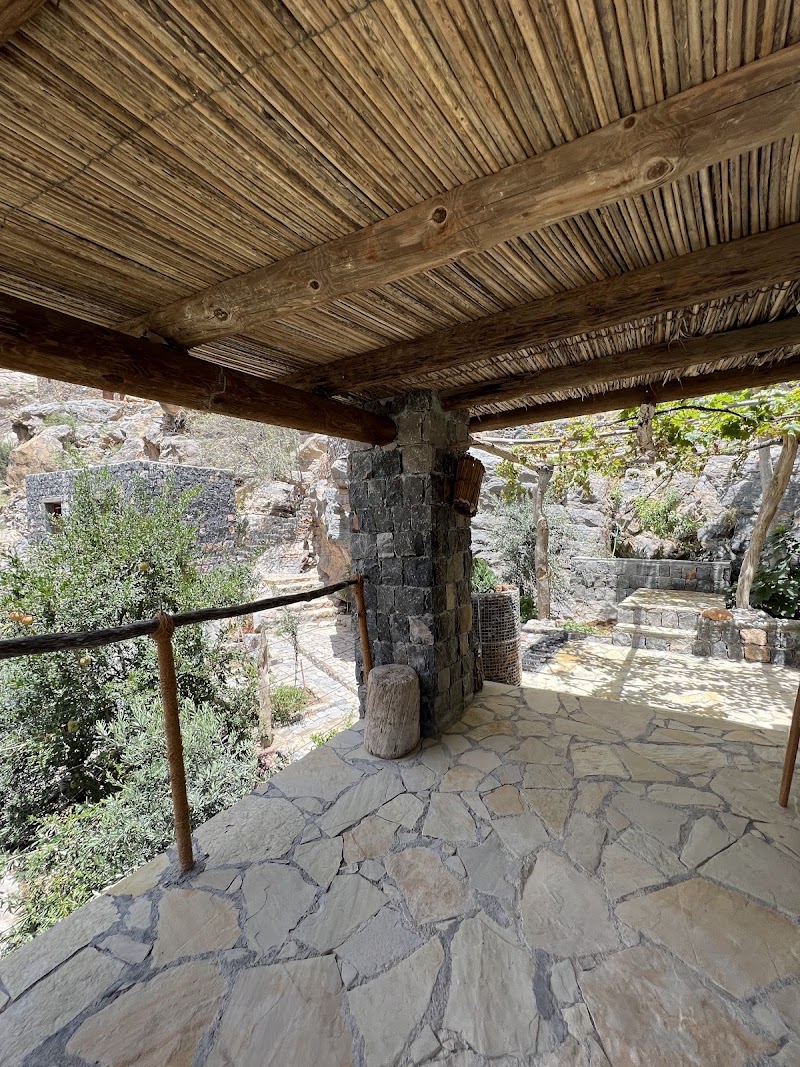
The on-site coffee shop receives plenty of attention too. Public reviews praise the staff’s hospitality, along with the coffee, desserts, tea and terrace outlook. After the descent, it provides a welcome place to stop. Visitors can sit with the scenery for a while instead of reducing the village to a quick photo opportunity.
Public reports suggest that daytime tour access may be offered and is considered good value. Arrangements can change, however, including opening times, tour availability and access to the lodging. Advance confirmation is advisable.
Editorial verdict
Al-Sugra is best suited to travellers drawn to traditional architecture and mountain landscapes, especially those who value a destination where getting there is a large part of the experience. Restoration has given the settlement a renewed purpose without stripping away the visual identity that sets it apart.
Access is demanding, so this will not be an easy stop for everybody. For capable walkers with suitable transport, the stone buildings, steep scenery and terrace refreshments explain the village’s strong public reputation. Travellers with mobility concerns may be better served by the viewpoint above rather than attempting the full descent.
Ask anything
Looking for somewhere else?
Keep exploring around Saiq
More from Oman
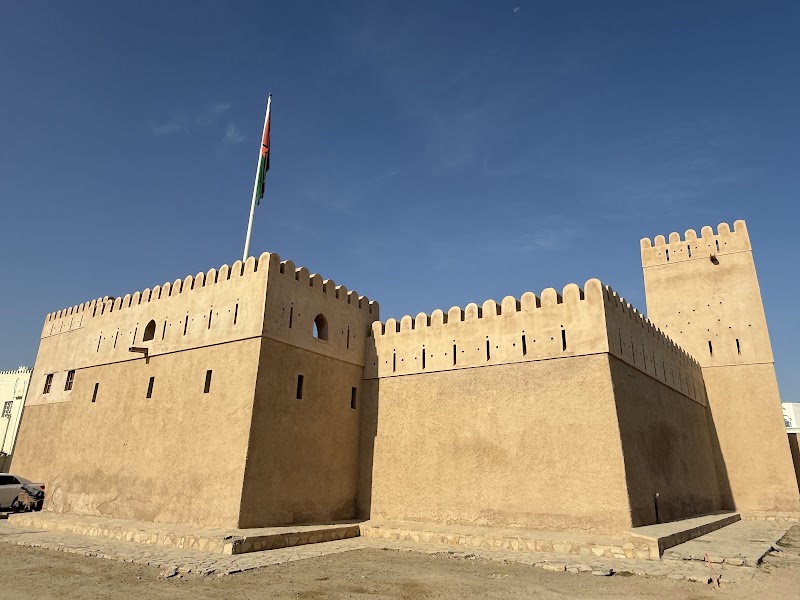
Oman · Sur
Al Ayjah Castle: A Brief Look at Sur’s Fort Architecture
This compact, renovated castle in old Sur offers accessible towers and rooms, but limited interpretation and sparse interiors.
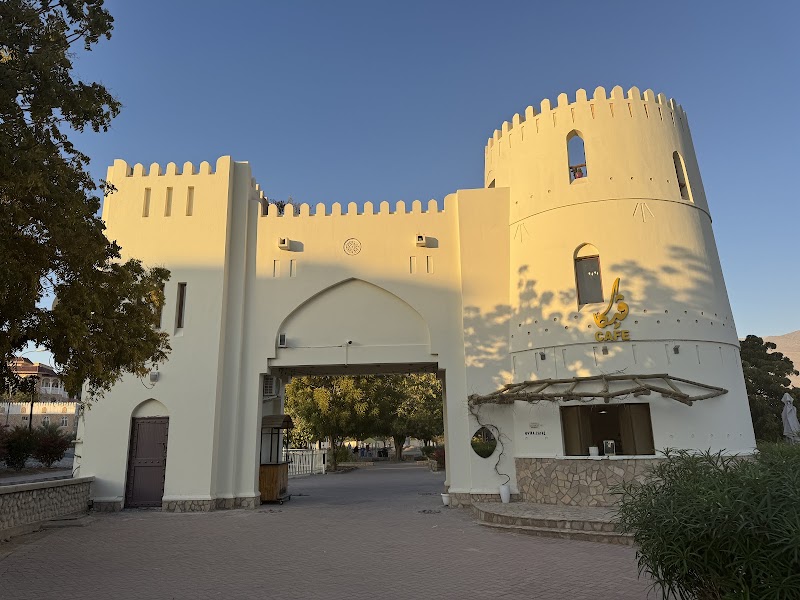
Oman · Nizwa
Falaj Daris Park: Green Space and Irrigation Heritage
This relaxed Nizwa park pairs lawns and family space with flowing water from Oman’s historic Falaj Daris irrigation system.
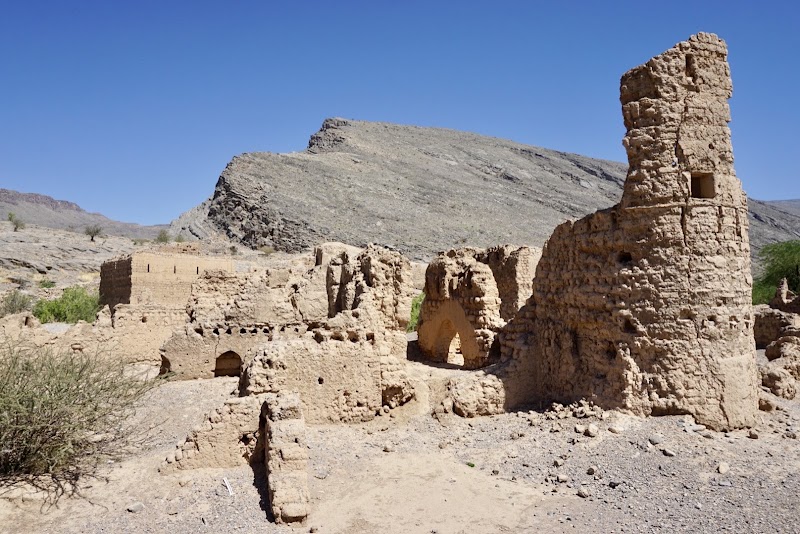
Oman · Tanuf
Tanuf Castle Ruins: A Quiet Window into Old Oman
Near Nizwa, these atmospheric ruins offer traditional architecture, uncrowded exploration and strong photography potential in a compact stop.
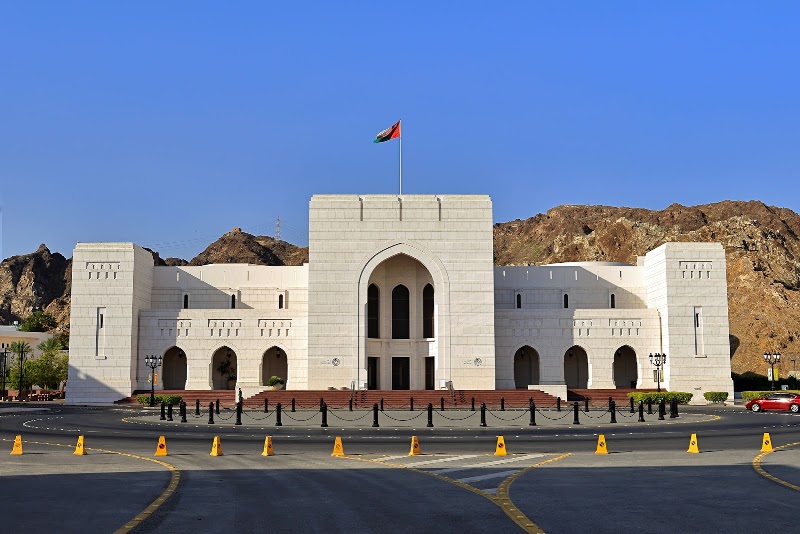
Oman · Muscat
The National Museum of Oman: A Clear Guide to the Sultanate
Muscat’s National Museum earns strong marks for thoughtful displays covering Omani history, maritime ties, faith, culture and royal heritage.