The Hanging Obelisk: Ancient Scale, Modern Presentation
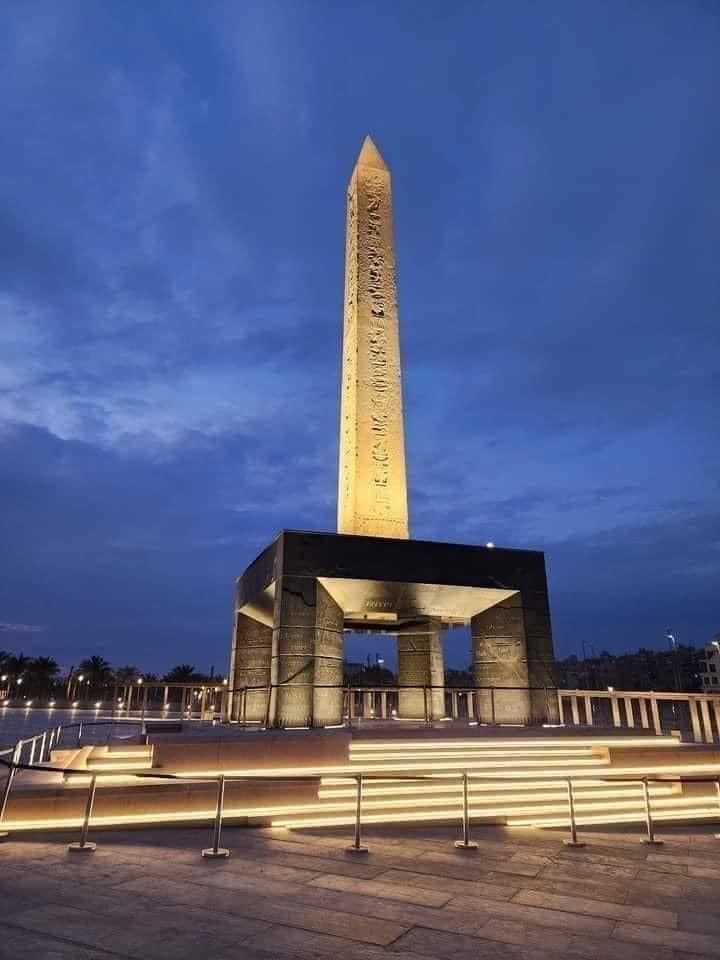
Suspended at the Grand Egyptian Museum entrance, this Ramesses II obelisk lets visitors walk beneath an ancient monument and inspect its inscriptions.
More photos
Photos published by travelers on Google, not AI generated.
What stands out
- Suspended ancient obelisk
- Underside inscription
- Pink-granite monument of Ramesses II
- Grand Egyptian Museum entrance setting
- Night-time lighting
Don't miss
What comes up most in public reviews
- Walk directly beneath the obelisk
- Look up at the underside inscription
- View it with the night lighting
- Step back for the entrance-plaza perspective
Worth the trip?
Why it stands out
The Hanging Obelisk is the monumental introduction to the Grand Egyptian Museum in Giza, and public feedback suggests it makes a strong first impression. With a Google rating of 4.7 from 119 reviews, it is repeatedly described as both an ancient artefact and a striking piece of contemporary museum presentation.
The obelisk is associated with Ramesses II and is more than 3,000 years old. Reviewers identify it as an original pink-granite monument weighing around 110 tons. Its considerable age and scale are important, but the display method attracts just as much attention. Rather than standing conventionally on a base, the obelisk is suspended above the entrance plaza.
Several reviewers call it the world’s first suspended ancient obelisk. That unusual engineering allows the monument to be viewed from angles that would normally remain inaccessible, turning an arrival point into an experience in its own right.
What visitors experience
The defining feature is the opportunity to walk directly beneath the obelisk. Reviews repeatedly mention looking up at the underside and seeing its inscription, an element usually concealed when an obelisk stands upright on solid ground. This close perspective helps distinguish the display from more traditional presentations of Egyptian monuments.
Its placement also shapes the visit. Reviewers describe it as the first artefact encountered on a tour of the Grand Egyptian Museum and as the centrepiece of the main entrance. It therefore works best as part of the museum arrival rather than as an isolated sightseeing stop. The open plaza, suspended stone and surrounding modern architecture create a deliberate meeting point between ancient craftsmanship and current engineering.
Although the monument itself is tall and visually imposing, the most memorable detail in the reviews is not simply its size. It is the physical sensation of passing underneath a piece of stone carved during the reign of Ramesses II and studying details that were hidden for centuries.
Historical context
Public descriptions trace the obelisk to San el-Hagar, also known as Tanis, an archaeological site in the Nile Delta. One detailed review notes that it was moved from there in 2018 for restoration and display. That background gives the installation a wider geographical story, connecting the museum entrance at Giza with an ancient site elsewhere in Egypt.
The presentation avoids treating the monument as a distant object. Instead, the supporting structure makes its weight and engineering part of the spectacle. Reviewers consistently respond to that blend of historical material and modern design, often describing the obelisk as a fitting welcome to the museum.
When to see it
Daylight provides a clear view of the granite and inscriptions, but one reviewer specifically found the monument more attractive at night when the lighting was switched on. Visitors already planning an evening arrival may therefore see the display at its most dramatic.
The strongest reason to stop is the underside view. The Hanging Obelisk is not merely decorative signage for the museum entrance. According to the recurring themes in public reviews, it is a carefully staged landmark that rewards a slow walk beneath it, a look upward at the inscription and a second view from farther across the plaza.
Plan the rest of the trip
Ask anything
Looking for somewhere else?
Keep exploring around Kafr Nassar
More from Egypt
Egypt · St
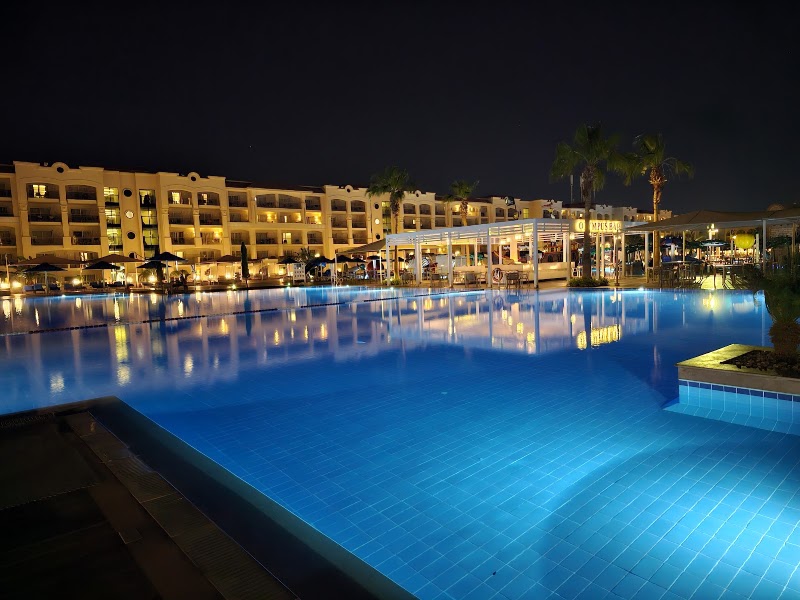
Pickalbatros White Beach Resort, a Family-Focused Hurghada Stay
Public reviews praise the resort’s staff, cleanliness, food and children’s pool, while the Kids Club and fitness centre draw more mixed feedback.
Egypt
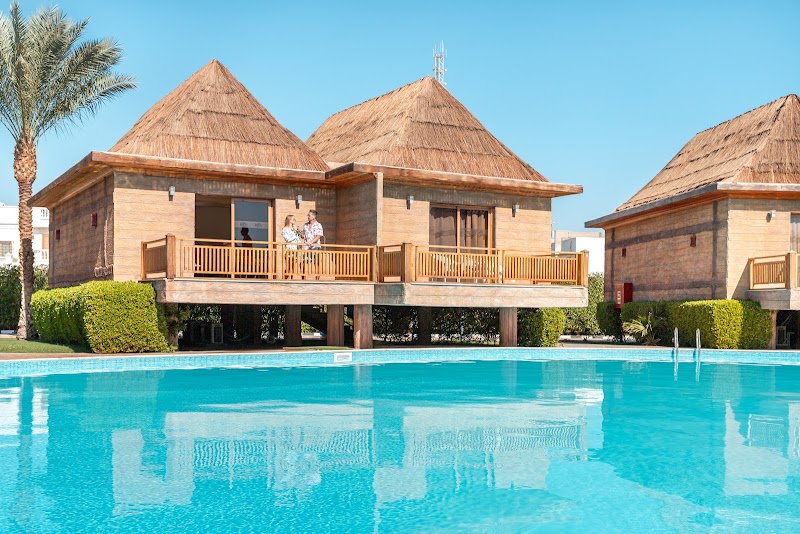
Pickalbatros Aqua Blu Resort, Sharm El Sheikh: Review
Public reviews point to a family-focused resort with standout water slides, tidy rooms, enjoyable food and consistently praised staff.
Egypt
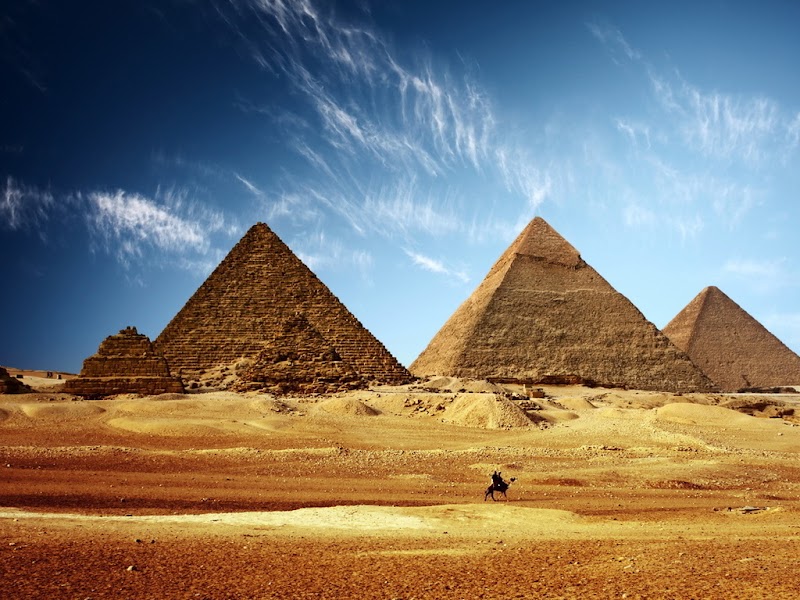
Pyramids of Queens: A Quieter Corner of the Giza Plateau
Smaller royal pyramids near the Great Pyramid offer a quieter stop, wider desert views and a closer look at Old Kingdom burial traditions.
Egypt
Valley Temple of Khafre: The Sphinx Approach in Stone
Public reviews rate this ancient Giza landmark highly for its funerary history, massive masonry and direct connection with the Great Sphinx.