The Garden Tomb Jerusalem: A Serene Sacred Site
Carefully tended gardens and a rock-cut tomb offer a peaceful setting for reflection near Jerusalem’s Damascus Gate.
More photos
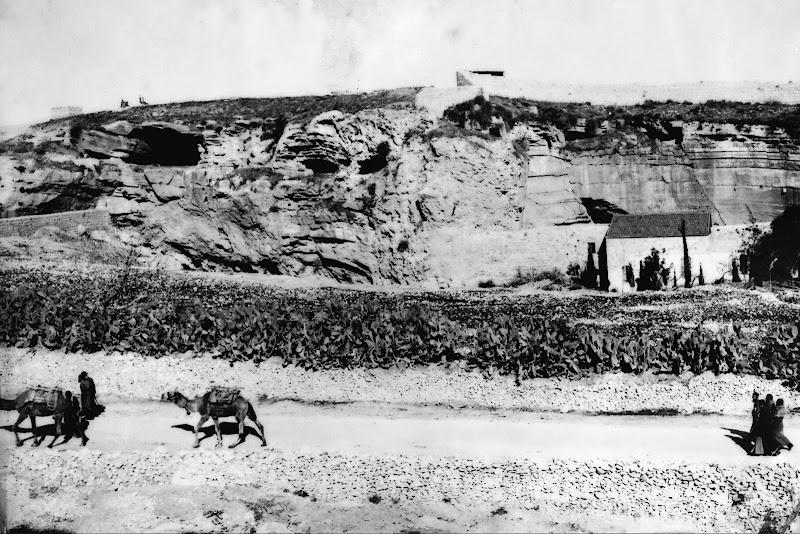
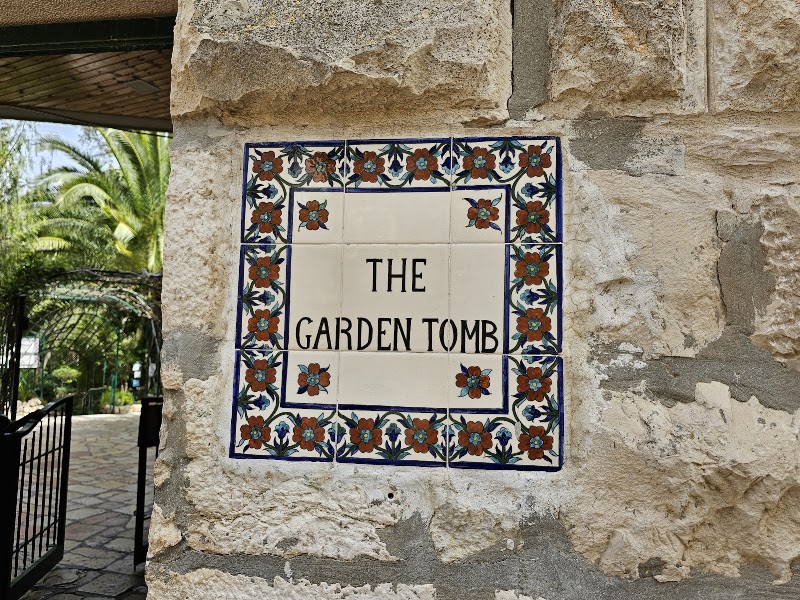

Photos published by travelers on Google, not AI generated.
What stands out
- Peaceful, carefully maintained gardens
- Entry into the rock-cut tomb
- Knowledgeable guide explanations
- Quarry setting and wine press
- Location near Damascus Gate
Worth knowing
- The tomb’s identification is not historically certain
- Group admissions may be regulated
Don't miss
What comes up most in public reviews
- Enter and view the Garden Tomb
- Join a guide’s historical explanation
- Look for the skull-like rock formation
- See the ancient wine press
- Notice the former quarry setting
Worth the trip?
A place of reflection
The Garden Tomb is presented as a possible location for the crucifixion, burial and resurrection of Jesus, rather than a site whose identity can be established with certainty. That distinction matters. Public reviews repeatedly acknowledge the historical debate while describing the experience itself as moving, peaceful and worthwhile.
With a Google rating of 4.8 from 6,169 reviews, the attraction earns especially consistent praise for its serene atmosphere and carefully maintained grounds. Reviewers often contrast the quiet garden with the surrounding city, making it a natural pause during a day spent around Jerusalem’s Old City. Its position outside the city walls and near Damascus Gate also makes it convenient to combine with nearby historic and religious sites.
The tomb and surrounding evidence
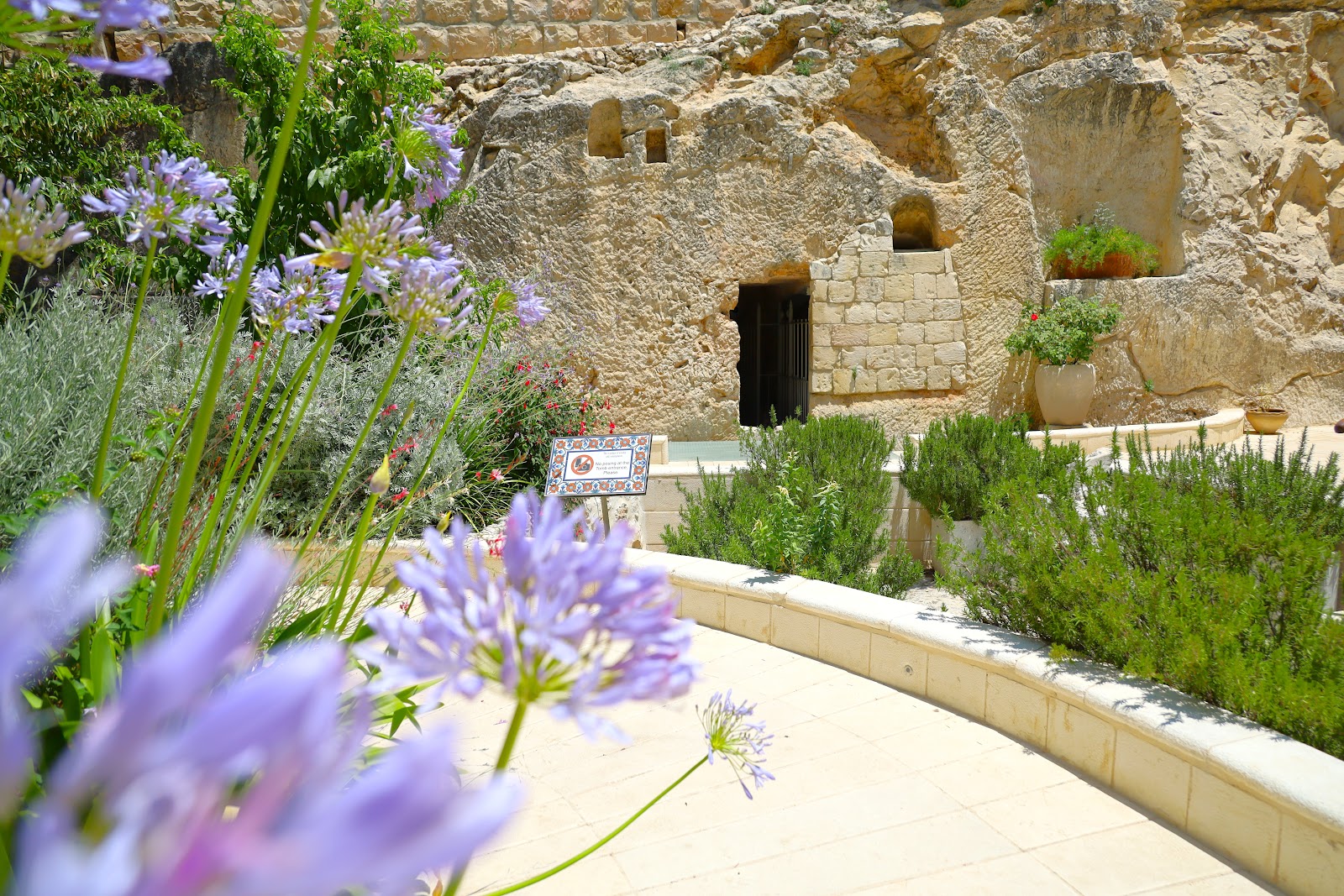
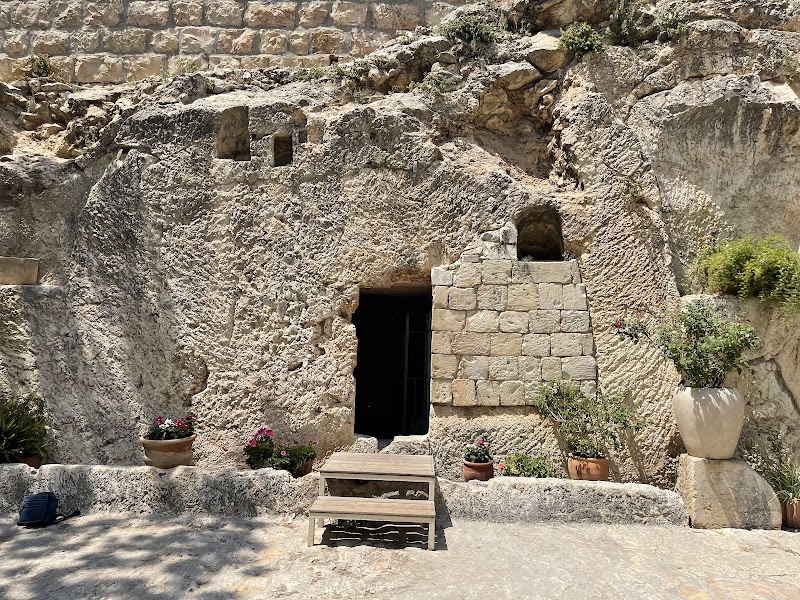
The central feature is the rock-cut tomb, which visitors can enter and view. Reviewers frequently point to its internal arrangement, noting similarities to descriptions in Scripture. The tomb’s location in a former quarry is also part of the interpretation offered on site.
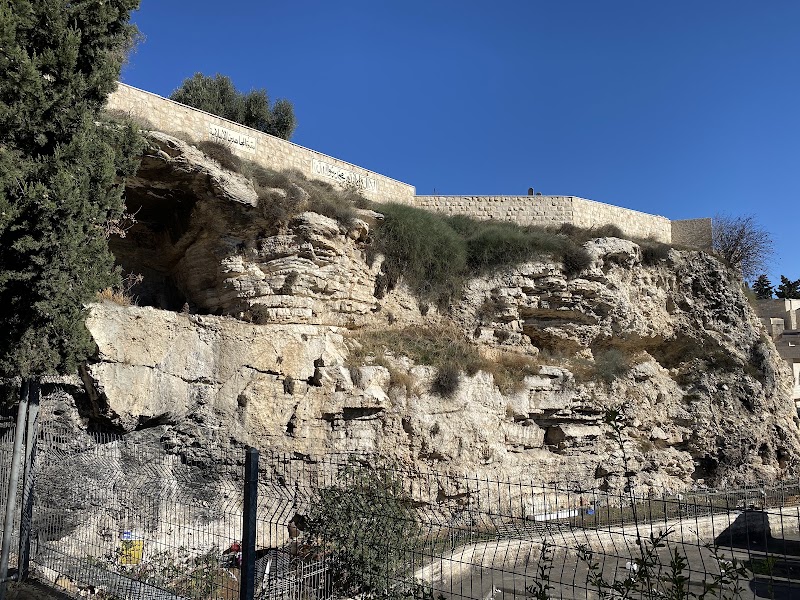
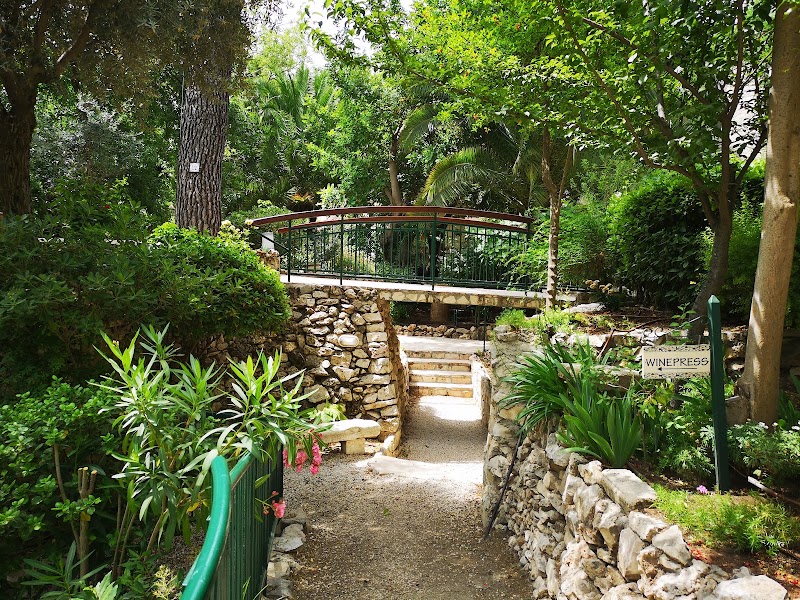
Other features mentioned across reviews include a wine press and a rock formation associated with the appearance of a skull. Guides use these details, along with the site’s proximity to an ancient route near Damascus Gate, to explain why some Christians consider the area a plausible setting for the Gospel accounts.
The reviews do not establish that this was the burial place of Jesus, and visitors should expect the evidence to be presented as an interpretation. For many, however, the combination of landscape, archaeology and biblical context gives the garden its emotional force.
Guides and visitor experience
Guided explanations receive particularly strong feedback. Reviewers describe guides as knowledgeable and effective at setting out the case for the site while explaining the garden’s history. Those unfamiliar with the archaeological and scriptural arguments are likely to gain more from a guided introduction than from viewing the tomb alone.
The grounds are also used for group talks and lectures. One recurring observation is that group admissions are regulated to prevent the garden from feeling overcrowded. That organisation appears to support the calm atmosphere praised in many accounts, though larger parties should be aware that access may be managed.
The garden itself is more than a backdrop. Visitors repeatedly mention its flowers, greenery and careful upkeep, with several describing the setting as unusually serene. Even for travellers who remain unconvinced by the proposed identification, it can work as a contemplative religious stop rather than simply an archaeological attraction.
Editorial verdict
Synthesizing the public ratings and reviews, The Garden Tomb stands out for atmosphere, interpretation and thoughtful presentation. Its appeal is strongest for Christian pilgrims and visitors interested in the biblical geography of Jerusalem. The principal caveat is historical uncertainty, which the best reviews acknowledge rather than avoid.
The most rewarding approach is to hear the guide’s explanation, inspect the tomb’s interior, and then spend time examining the quarry setting, wine press and skull-like rock formation. The site’s high public rating reflects both its spiritual significance for many visitors and the evident care given to the gardens.
Ask anything
Looking for somewhere else?
Keep exploring around Jerusalem
More from Israel
Israel · Jerusalem
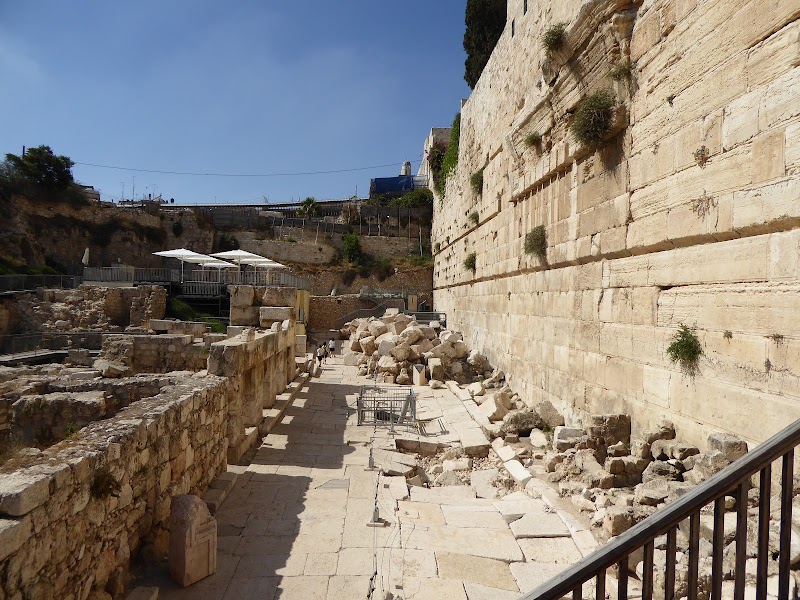
Ancient Jerusalem in Stone at the Western Wall Excavations
Ruins, ritual spaces and a compact coin display add archaeological depth to a visit around Jerusalem’s Western Wall.
Israel
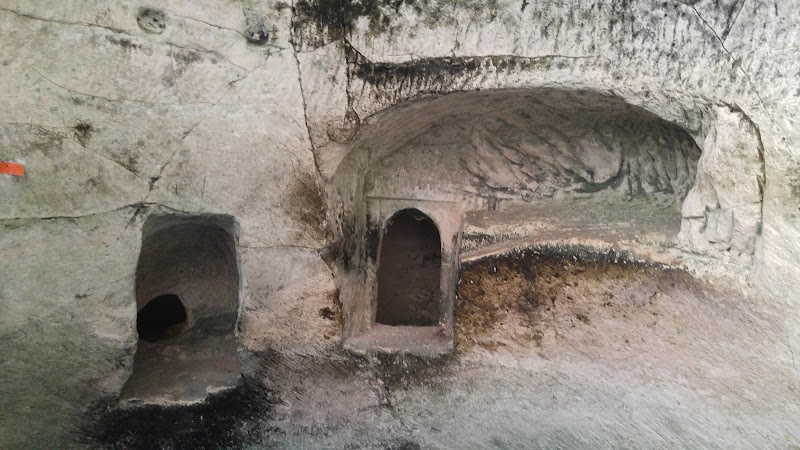
Maresha: Hilltop Views and a Varied Underground World
Maresha combines flower-covered hilltop scenery with labyrinth, bell and painted burial caves shaped by a complex Hellenistic past.
Israel · Ein Al Sultan
Ancient Jericho at Tell es-Sultan: History in Layers
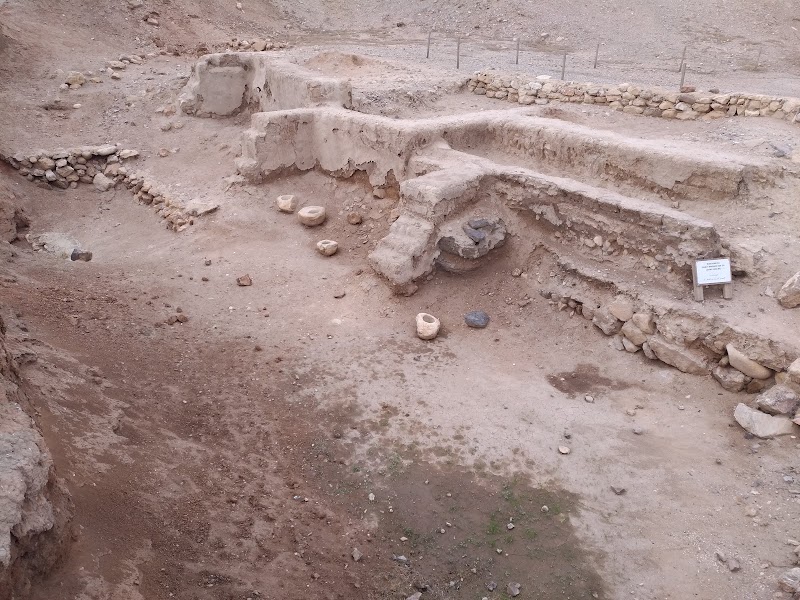
Public reviews praise Tell es-Sultan’s immense archaeological significance, while cautioning that its excavated remains can appear modest at first glance.
Israel · Jerusalem
Shrine of the Book: Jerusalem’s Scrolls and Sacred Texts
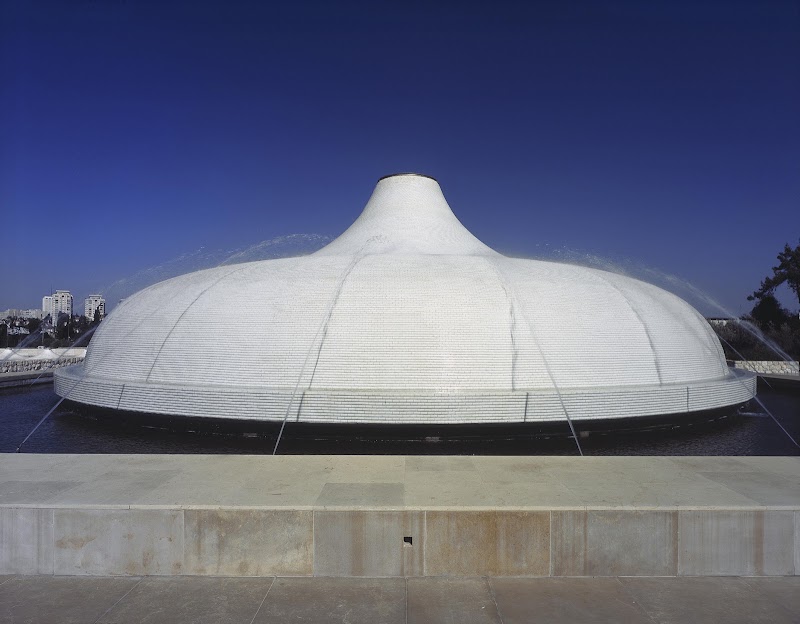
Public reviews praise this Israel Museum attraction for its Dead Sea Scrolls, Isaiah exhibit, historic codex and nearby model of ancient Jerusalem.