The Cabildo: Louisiana History in Jackson Square
This landmark museum traces Louisiana’s French and Spanish influences through art, military objects, clothing and stories of the people who shaped the state.
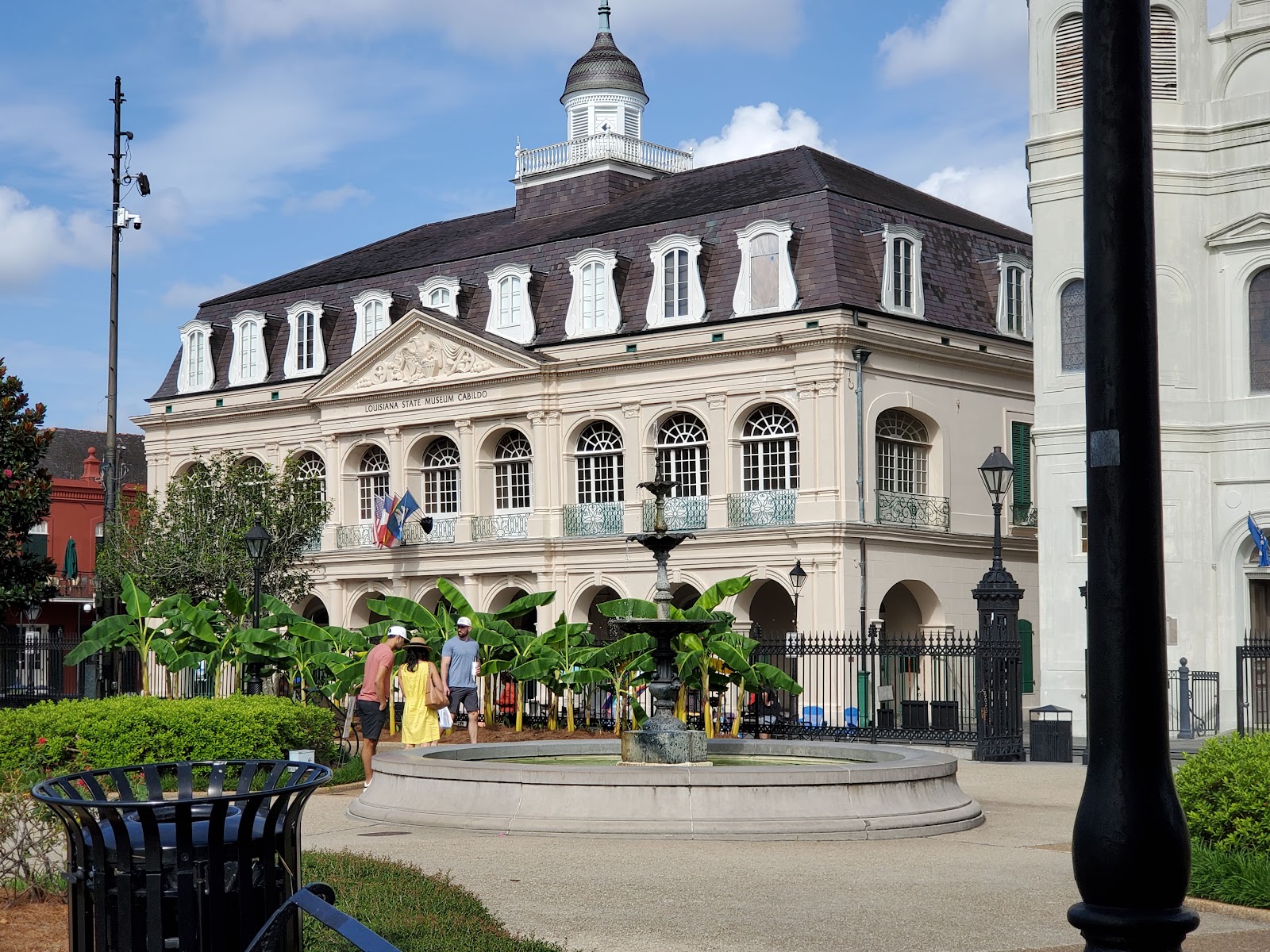
More photos
Photos published by travelers on Google, not AI generated.
What stands out
- French and Spanish Louisiana history
- Preserved arms, uniforms and clothing
- Michalopoulos paintings of New Orleans houses
- Spanish role in the American Revolution
- Historic chandeliers and Jackson Square setting
Worth knowing
- Check current exhibitions and opening details before visiting
- Admission information is not established in the reviews
Don't miss
What comes up most in public reviews
- The third-floor Michalopoulos exhibition
- The Spanish role in the American Revolution exhibit
- The arms, clocks and military objects
- Saturday morning yoga
Worth the trip?
Why visit
The Cabildo Museum sits beside St. Louis Cathedral in Jackson Square, placing it at the centre of New Orleans’ historic French Quarter. Public ratings give it 4.5 from 589 reviews, with visitors consistently describing a museum that makes Louisiana’s complicated past easier to see and follow.
The collection covers French history, Spanish influence and Louisiana’s development as part of the United States. That broad scope gives the museum more weight than a quick landmark stop. It is a useful choice for visitors who want context for the buildings, streets and traditions encountered elsewhere in the city.
What the reviews highlight
Reviewers respond strongly to the range of preserved objects. Antiques, arms, swords, bullets and clocks appear among the displays, alongside military uniforms, Native American attire, and clothing worn by women and children in earlier periods. Paintings, sketches and other works add visual interest to the historical material.
One review singles out an exhibition of Michalopoulos paintings on the third floor, with roughly 40 to 50 stylised images of New Orleans houses. The same visitor mentions the artist’s palette and brushes, along with a short documentary and related references. This makes the upper-floor exhibition a useful point of interest for visitors drawn to New Orleans architecture and local art.
Another highlighted exhibition examines the role of Spain in the American Revolution. It presents a part of the conflict that many visitors may not have encountered before, and gives the museum’s Spanish history a direct connection to a wider American story.
Atmosphere and special uses
The setting is a major part of the experience. Reviews describe historic chandeliers, tall windows and a peaceful atmosphere during Saturday morning yoga sessions. The comments suggest that the building can feel contemplative, not simply informative, especially when the galleries are quiet.
The Cabildo also appears in reviews as a venue for weddings and other meaningful celebrations. Its position beside St. Louis Cathedral and within Jackson Square gives those events a strong sense of place. Travellers visiting for a ceremony may want to allow time to see the museum itself rather than treating the building only as a backdrop.
Planning the stop
The Cabildo suits a half-day visit, particularly when paired with St. Louis Cathedral and the Presbytère across the square. The public reviews do not establish current admission details, opening hours or accessibility information, so those should be checked before arrival.
Its strongest appeal is the combination of setting and subject matter. The museum gives history-focused travellers a structured look at Louisiana’s French and Spanish roots, while the paintings, uniforms, weapons and domestic objects keep the visit varied. Art-focused visitors should check which exhibitions are on display, since the Michalopoulos show mentioned in one review may not be permanent.
The overall review pattern is clear: The Cabildo works best for visitors who want more than a photograph of Jackson Square. It rewards attention, especially in the galleries devoted to Louisiana’s changing political and cultural identity.
Plan the rest of the trip
Ask anything
Looking for somewhere else?
Keep exploring around New Orleans
More from United States
United States · Highland
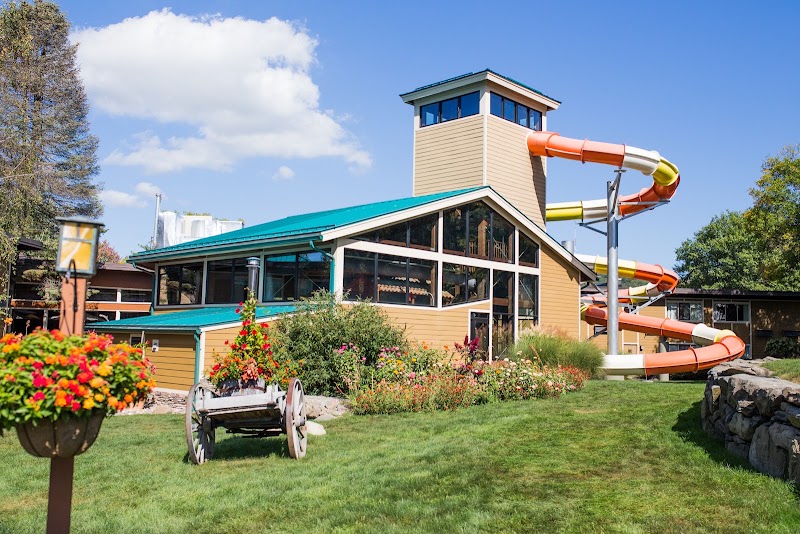
Rocking Horse Ranch Resort: A Full-On Family Escape
Public reviews describe a highly active family resort where water attractions, outdoor recreation and accommodating staff keep children busy from morning to night.
United States · Sedona
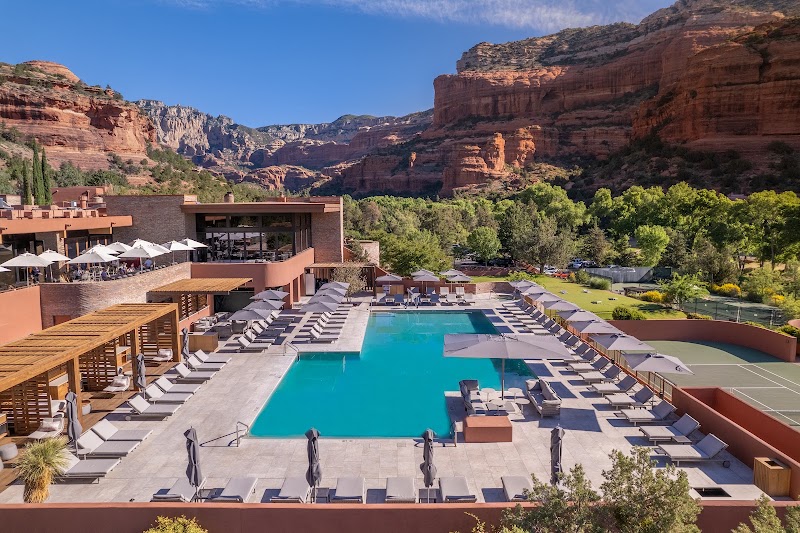
Enchantment Resort: Red Rocks, Trails and Uneven Value
Enchantment Resort delivers exceptional Boynton Canyon scenery and convenient hiking, though public reviews report inconsistent rooms, service and value.
United States
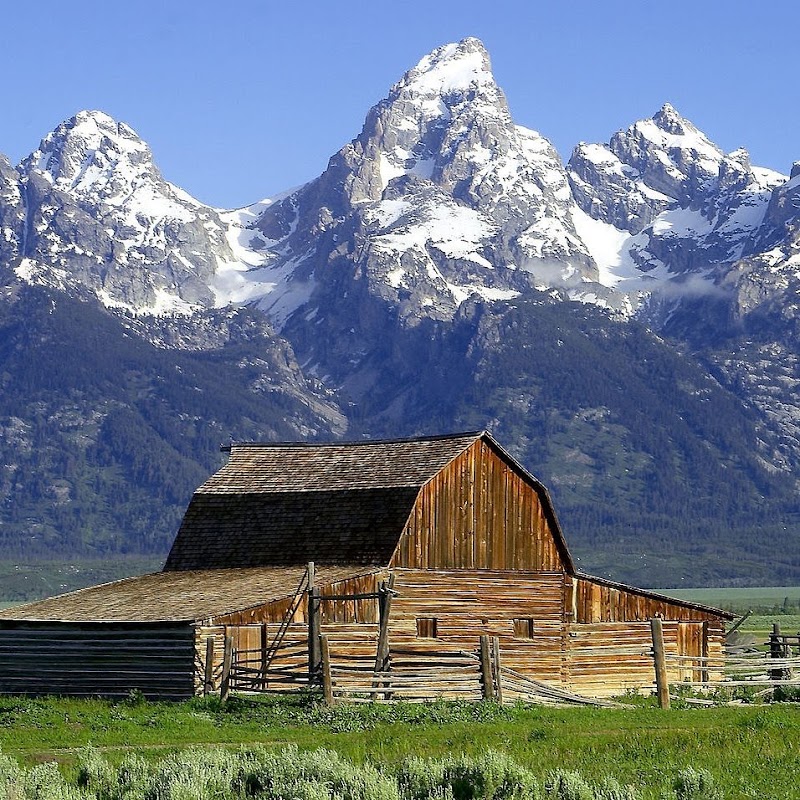
Grand Teton National Park: Mountain Views and Wildlife
Public reviews describe Grand Teton National Park as a peaceful, scenic base for lake walks, wildlife watching and high-country hikes.
United States
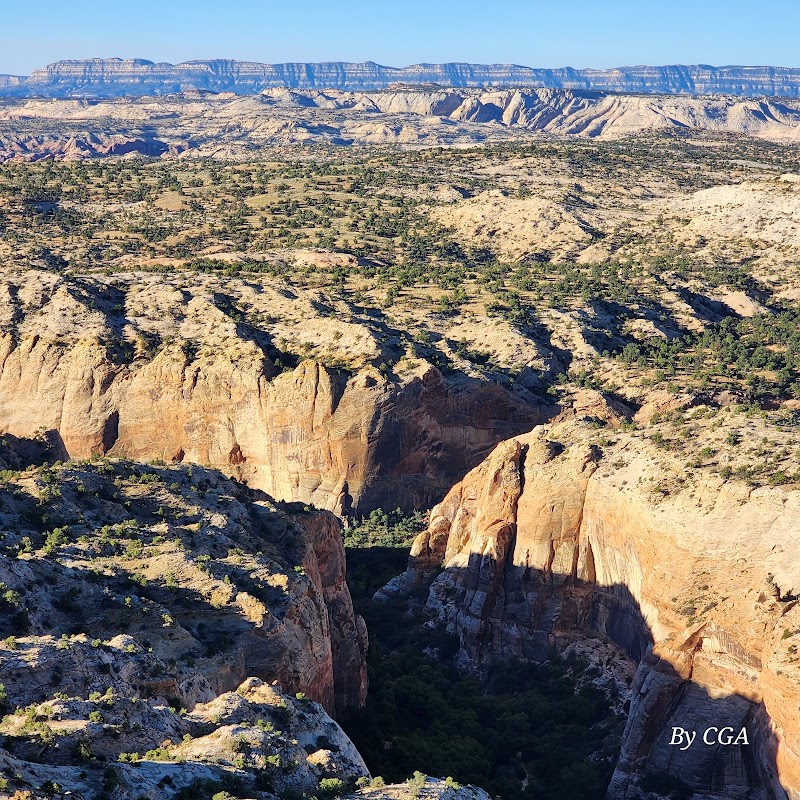
Grand Staircase-Escalante rewards curiosity and self-reliance
Grand Staircase-Escalante National Monument offers vast scenery, quiet dirt roads and unstructured exploration across southern Utah.