The Boston Stone: A Tiny Landmark with a Big Local Story
This painted millstone on Marshall Street is a quick Freedom Trail stop, best approached as an odd historical marker rather than a major monument.
More photos
Photos published by travelers on Google, not AI generated.
What stands out
- Painted millstone from the 1600s
- Marshall Street setting
- Connection to early Boston history
- Reference point in old notices and newspapers
- Historic neighborhood surroundings
Worth knowing
- Small and lightly explained
- Reviews disagree on its significance
- One review alleges an informal fee
Don't miss
What comes up most in public reviews
- Look for the stone set into the building
- Read the carved identification
- Walk the surrounding Marshall Street area
- Include it on a Freedom Trail route
Worth the trip?
What it is
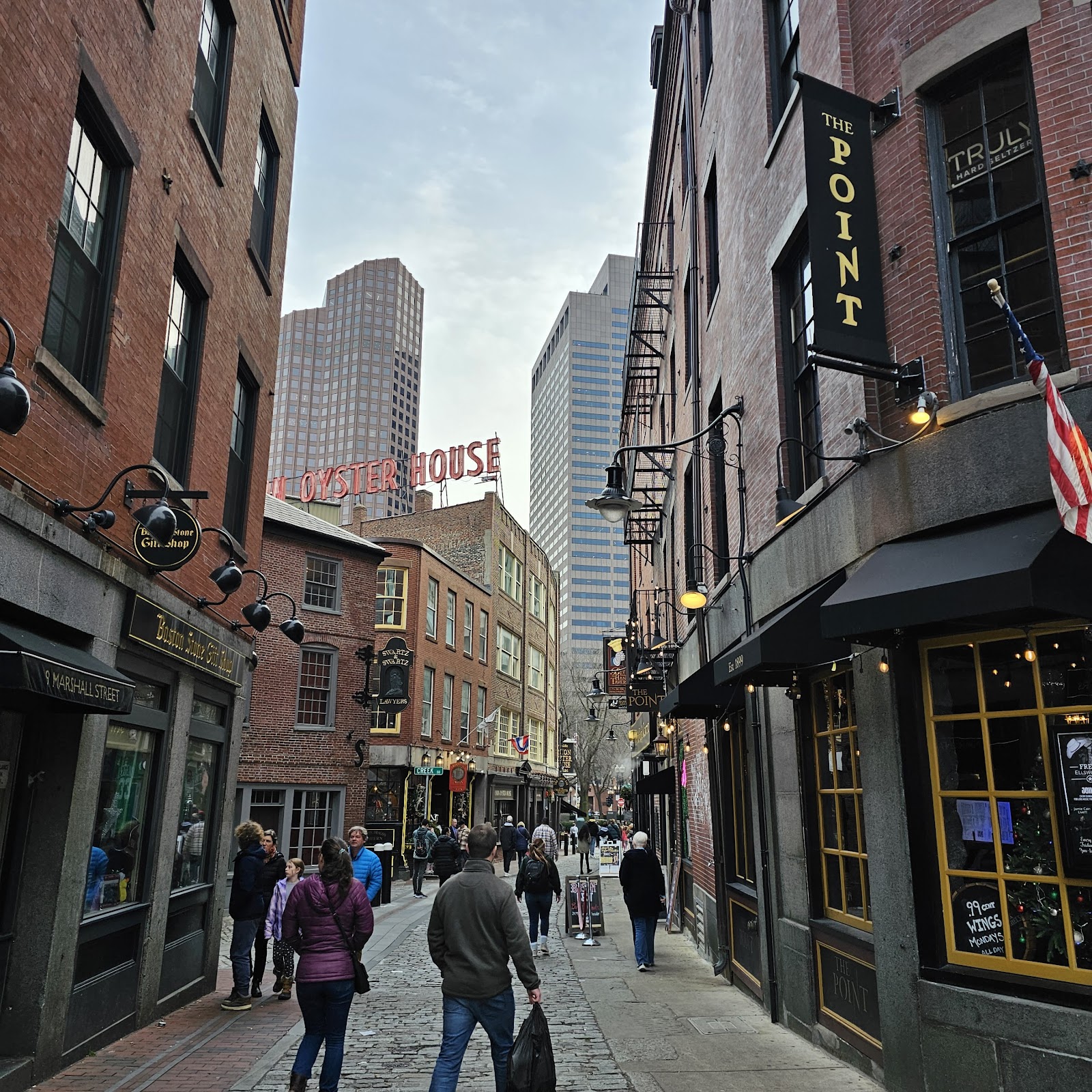
The Boston Stone is a painted millstone set into a building on Marshall Street, in one of Boston’s oldest neighborhoods. Public reviews identify it as a surviving landmark connected with the city’s early history. One account says the stone was brought from England in the 1600s and stood outside the home of early settler Thomas Child. By the 1700s, it was reportedly familiar enough to appear in newspapers and official notices as a local reference point.
That history gives the object more weight than its size suggests. The stone itself is compact and built into the corner of the structure. There is no large interpretive display in the reviews, and the identification appears limited to lettering carved into the building.
What visitors report
The Boston Stone has a 4.5 rating from 74 Google reviews, though the written reactions are sharply mixed. Some visitors treat it as a memorable piece of Boston history and make a point of seeing it while walking the Freedom Trail. Others consider it underwhelming, especially after expecting a substantial monument or a clearly explained exhibit.
That gap in expectations is the key to the stop. The attraction is not a museum visit. It is a brief look at an unusual object in its original urban setting, followed by the surrounding streets and older buildings. For travellers already exploring central Boston, the detour can make sense. A separate journey devoted only to the stone would be harder to justify based on the public reviews.
A few reviews use extravagant language about the experience, while another describes the monument in dismissive terms. One visitor also reported waiting around 20 minutes for a photograph, suggesting that crowds can occasionally form, although the reviews do not establish a regular queue pattern.
Planning the visit
The Boston Stone is on Marshall Street, a very short street along the Freedom Trail. It fits most naturally into a walking route through Boston’s historic core. Visitors should look closely at the building itself, since the stone is set into the structure rather than presented in an open plaza.
The price level is not established in the available listing data. One review alleges that people nearby asked visitors for an informal fee, but this is not presented as an official admission charge. Travellers should treat that comment cautiously and avoid assuming that payment is required.
The reviews do not identify a best season or time of day. A short stop is usually enough, though anyone hoping to photograph the stone should allow extra time in case other visitors are waiting. The surrounding historic neighborhood is part of the appeal, not just background scenery.
Verdict
The Boston Stone suits history-focused visitors who enjoy small, easily missed urban markers. It works especially well as a brief stop during a Freedom Trail walk. The story of its use as a reference point is more compelling than the physical object, which is easy to overlook and lightly explained.
It is not a major attraction, and the conflicting reviews make that clear. Expectations should stay modest. For visitors already nearby, the stop costs little time and adds an unusual detail to Boston’s early history. For anyone travelling across the city solely to see it, the evidence is less persuasive. The public rating is strong, but the experience depends heavily on appreciating context rather than spectacle.
Plan the rest of the trip
Ask anything
Looking for somewhere else?
Keep exploring around Boston
More from United States

United States · Key Largo
Bungalows Key Largo: A Couples’ Waterfront Escape
Public reviews point to a polished adults-focused resort experience with comfortable bungalows, attentive touches and some uneven service.

United States · Charlotte Amalie
Bolongo Bay Beach Resort: Easygoing Beach Time in Charlotte Amalie
Public reviews praise the friendly service, waterfront setting and relaxed atmosphere, while noting dated rooms and a rocky beach surface.
United States · Highland
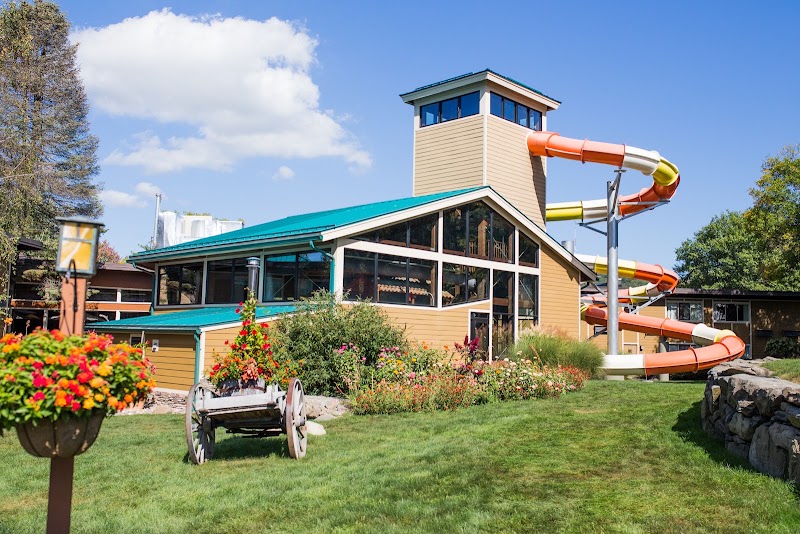
Rocking Horse Ranch Resort: A Full-On Family Escape
Public reviews describe a highly active family resort where water attractions, outdoor recreation and accommodating staff keep children busy from morning to night.
United States · Sedona
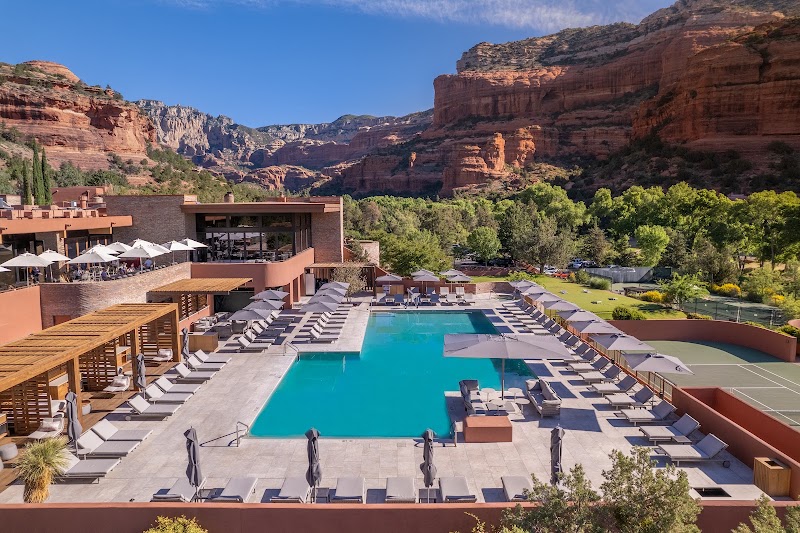
Enchantment Resort: Red Rocks, Trails and Uneven Value
Enchantment Resort delivers exceptional Boynton Canyon scenery and convenient hiking, though public reviews report inconsistent rooms, service and value.