The Baptismal Site of Jesus Christ: History and Faith
Bethany Beyond the Jordan combines Byzantine remains, a peaceful landscape and access to the Jordan River in a deeply significant Christian setting.
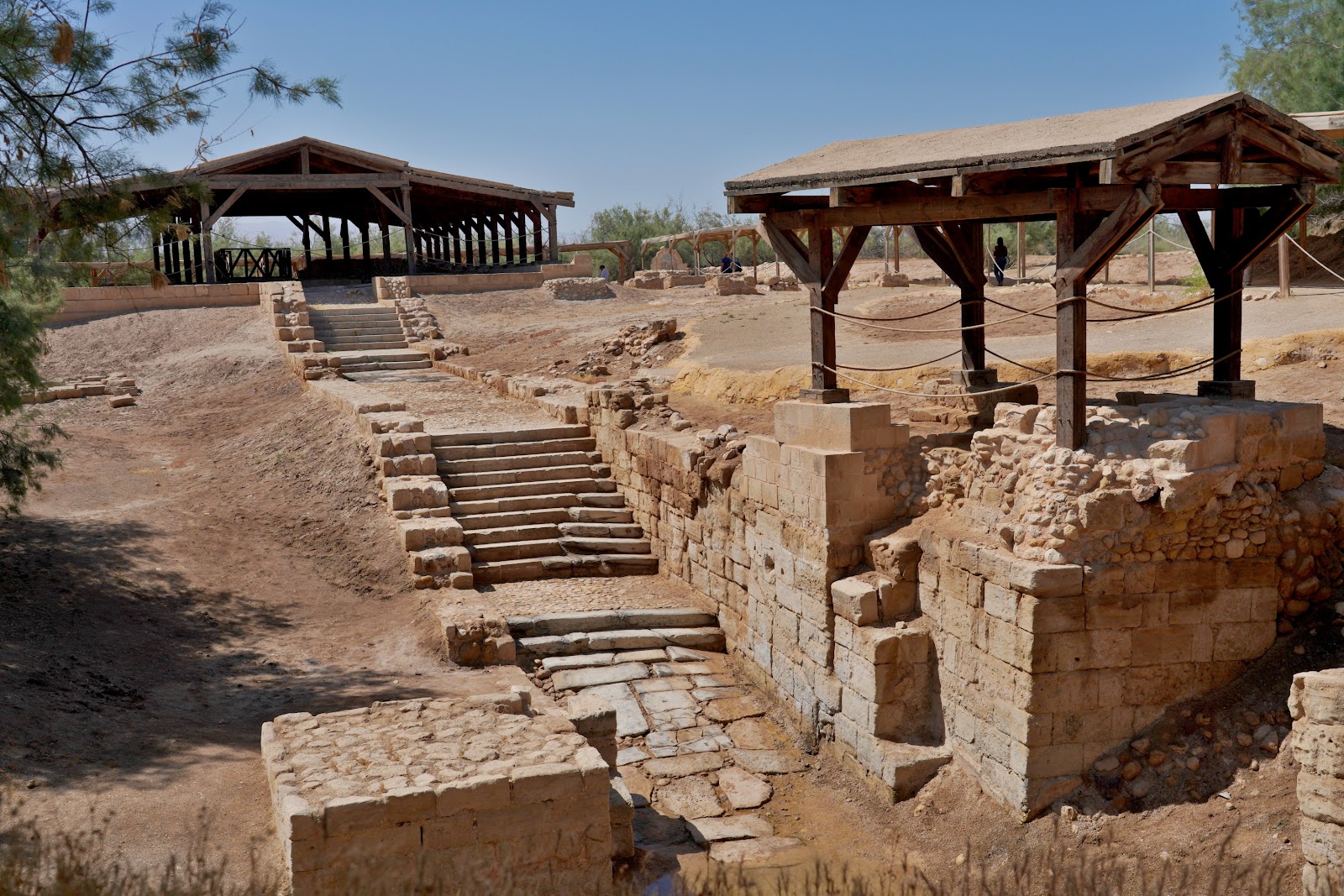
More photos
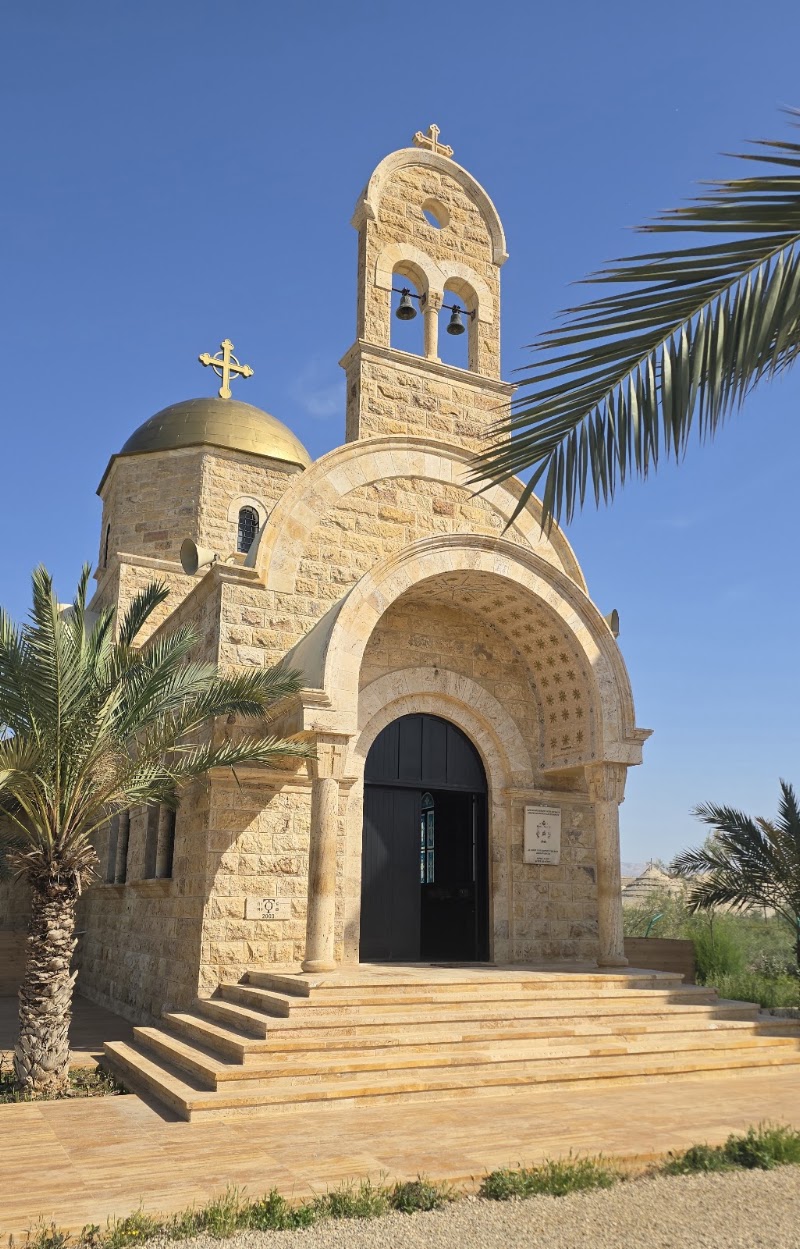
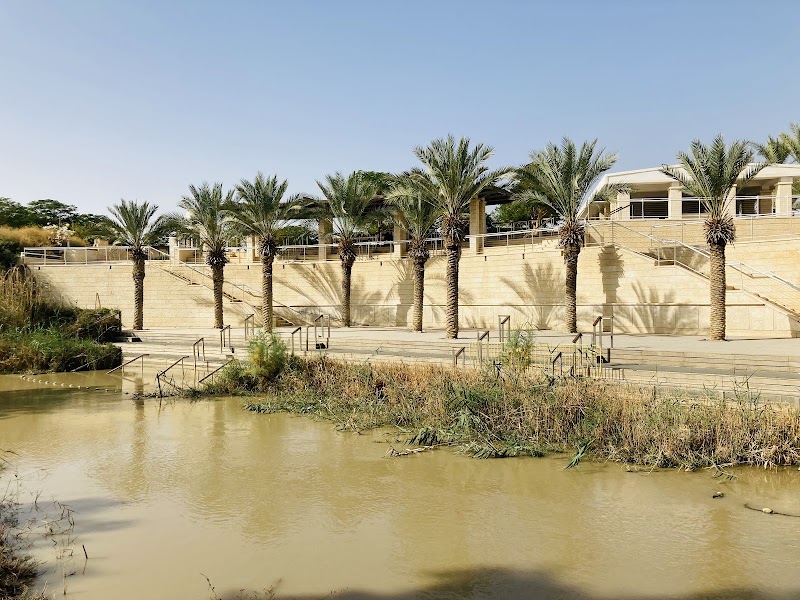
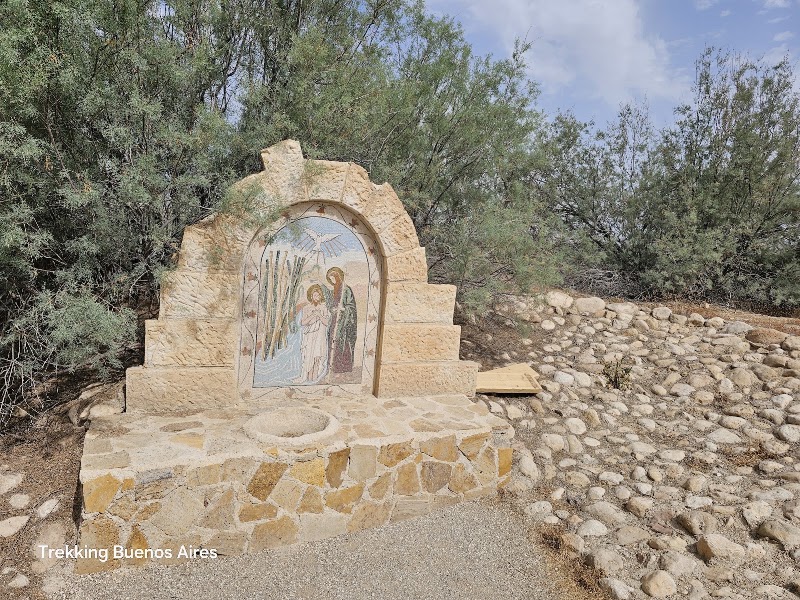
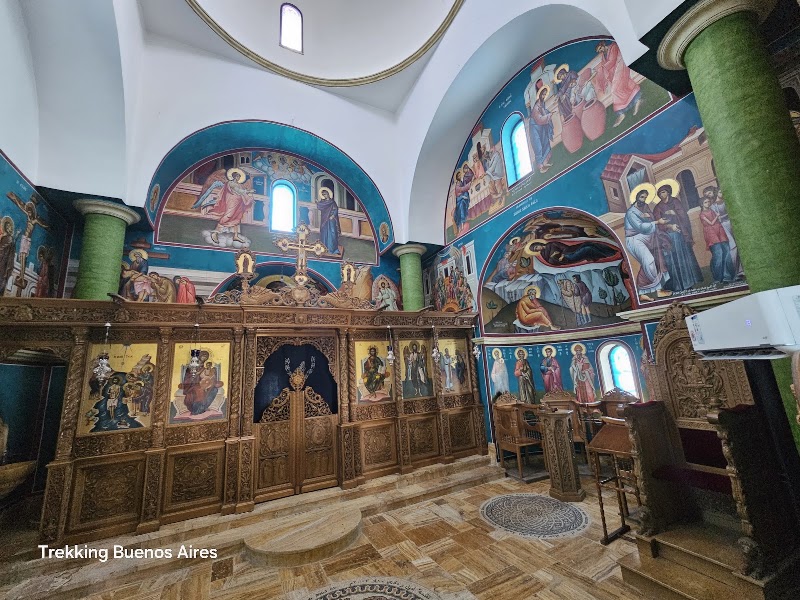
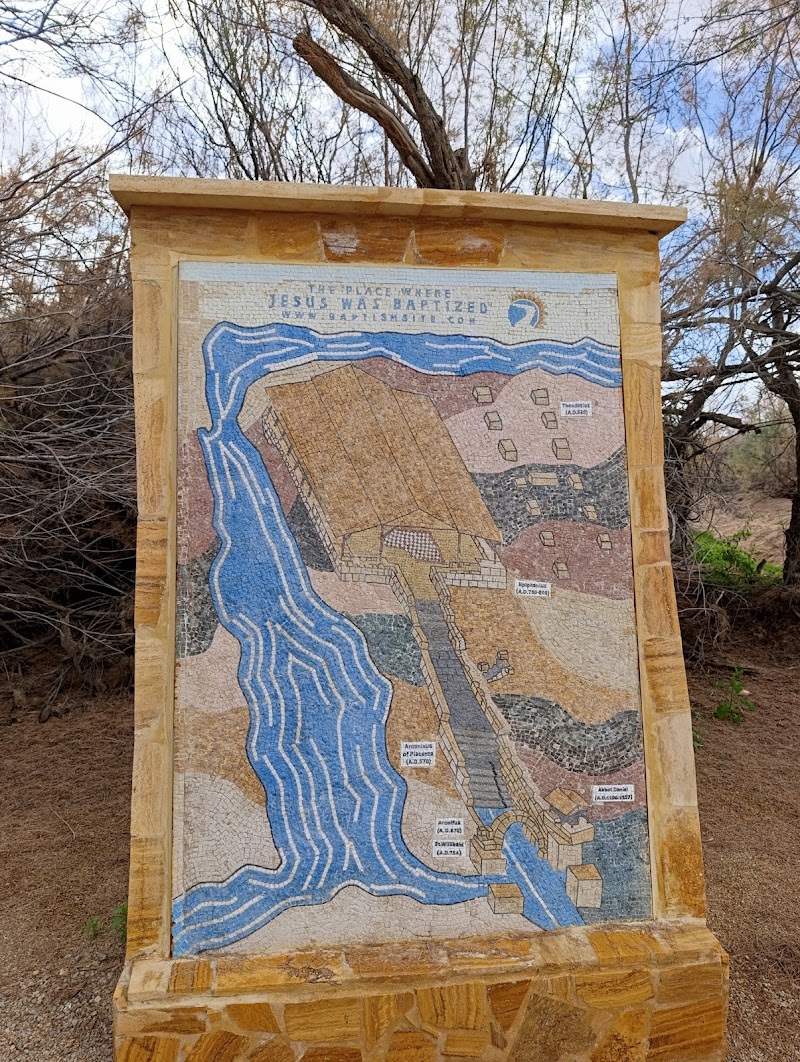
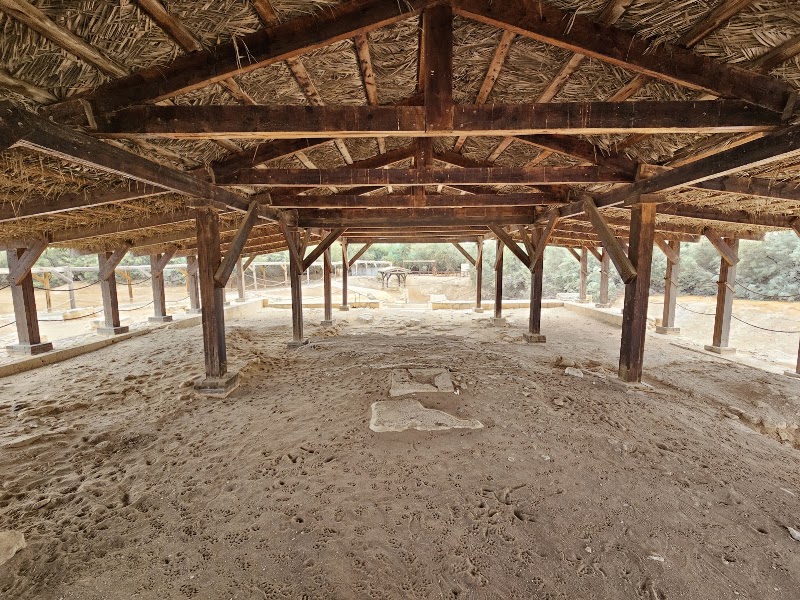
Photos published by travelers on Google, not AI generated.
What stands out
- Peaceful, preserved landscape
- Ancient Byzantine ruins
- Access to the Jordan River
- Strong spiritual atmosphere
- Clean and organised visitor experience
Worth knowing
- Security checkpoints may feel intensive
- Visible guards or military presence
- Faith is central to the experience
Don't miss
What comes up most in public reviews
- Walk through the Byzantine ruins
- Continue to the Jordan River
- Explore the historic religious buildings
- Pause by the baptismal waters
Worth the trip?
The overall experience
The Baptismal Site of Jesus Christ, also known as Bethany Beyond the Jordan, holds a Google rating of 4.5 from 5633 reviews. Public feedback consistently presents it as both an archaeological landmark and a place of Christian pilgrimage. Visitors frequently describe the surroundings as peaceful, well preserved and spiritually affecting, with the sparse landscape contributing to the experience rather than distracting from it.
Faith is central to the site’s appeal. Several reviewers describe reaching the Jordan River as deeply moving because Christian tradition associates this area with the baptism of Jesus. For religious visitors, standing beside or entering the water can make the biblical account feel more immediate. Travellers without that personal connection may find the experience quieter and more interpretive, although the historical remains and wider landscape still provide substance.
Ruins, river and preserved landscape
The route through the site takes in ancient Byzantine ruins and historic religious structures before reaching the Jordan River. Reviewers praise the tangible heritage and the way the broader area retains a natural, relatively undeveloped character. The combination of archaeology, wilderness and living worship distinguishes it from a conventional museum or single-building attraction.
The river is the emotional focus for many visitors. Reviews mention approaching the water, reflecting on the baptism narrative and, in some cases, stepping into the Jordan. The historical buildings and Byzantine remains add useful context along the way, particularly for travellers interested in early Christianity and Jordan’s religious heritage.
The site is also identified in public feedback as a UNESCO World Heritage Site, registered in 2015. Reviewers often connect that status with the preservation of its ruins, landscape and spiritual character. Photography is another recurring point of interest, although the atmosphere appears to matter as much as any single view.
Organisation and practical considerations
Public reviews commonly describe the site as clean and well organised. Staff and guides receive positive mentions, suggesting that guided interpretation can help visitors understand what they are seeing across a landscape where the significance is not always self-evident. Allowing time to walk rather than rushing directly to the river should produce a fuller experience.
There is, however, a security dimension. One reviewer reports checkpoints, guards and a visible military presence, finding this unsettling rather than reassuring. That perspective does not dominate the feedback, but it is worth noting for travellers who are sensitive to security procedures. Conditions and access requirements can change, so current official guidance should be checked before setting out.
Editorial verdict
Synthesised public feedback supports a strong recommendation, especially for Christian pilgrims, history enthusiasts and visitors exploring Jordan’s religious landmarks. Its value lies in the relationship between place, belief and archaeological evidence rather than spectacle. The Jordan River provides the defining moment, while the Byzantine remains and preserved landscape give the visit historical depth. Those without an interest in faith may find the impact more restrained, but the setting remains culturally important and thoughtfully maintained.
Ask anything
Looking for somewhere else?
Keep exploring around Juwafat al-Kafrayn
More from Jordan
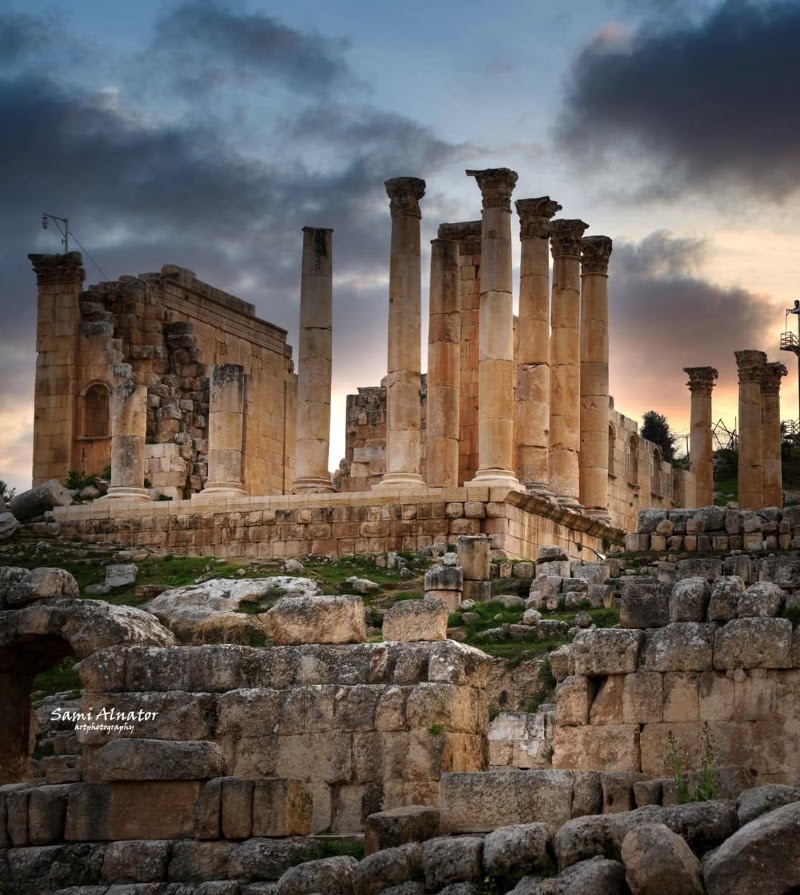
Jordan · Jarash
Temple of Zeus: Monumental Ruins Above Ancient Jerash
Massive Roman columns, layered history and broad views over Jerash make this ruined temple one of the ancient city’s most striking landmarks.

Jordan · Amman
Umayyad Palace: Amman Citadel’s Standout Landmark
A well-preserved, partly restored palace complex combining Islamic architecture, layered history and wide views across Amman.
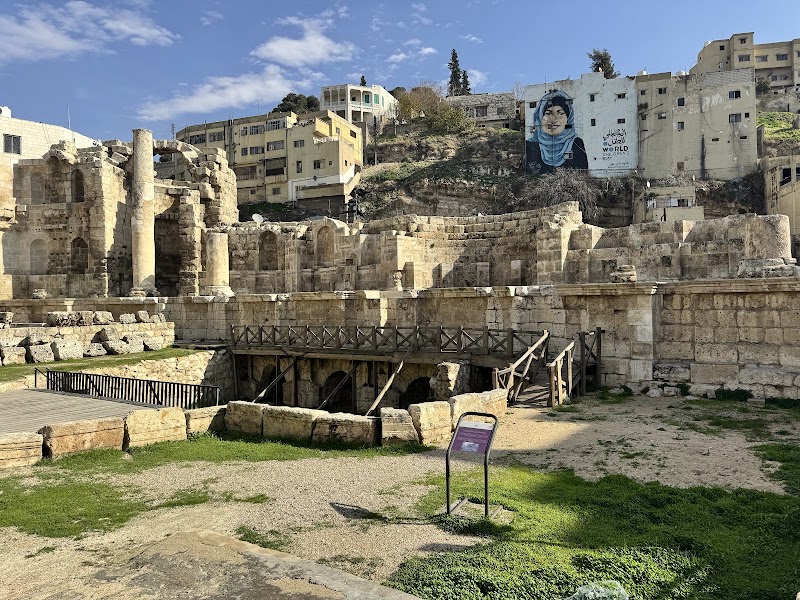
Jordan · Amman
Roman Nymphaeum: a compact stop in downtown Amman
Ancient remains and a central setting make this a worthwhile short stop, although uncertain access and the busy surroundings can affect the visit.
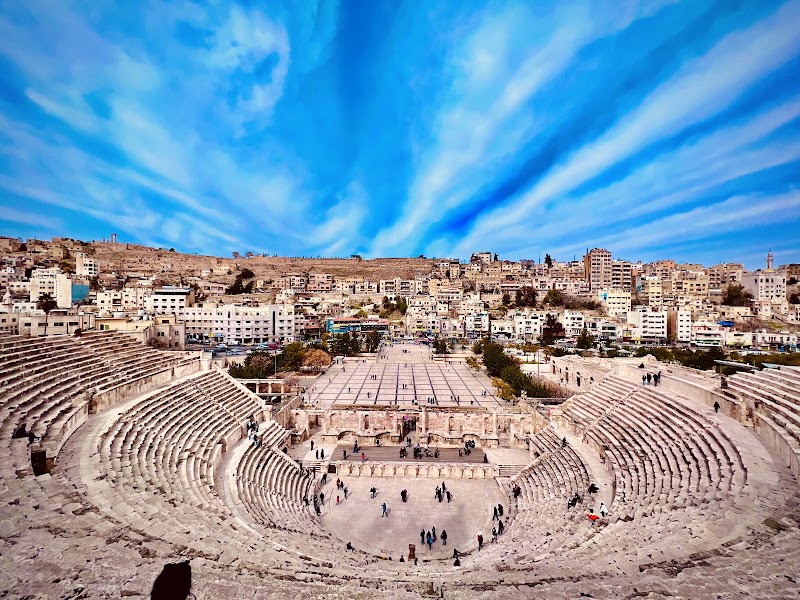
Jordan · Amman
The Hashemite Plaza: Amman’s Roman Theater Forecourt
A broad downtown gathering space offering gardens, casual refreshments and memorable views of Amman’s Roman Theater.