Temple of Zeus: Monumental Ruins Above Ancient Jerash
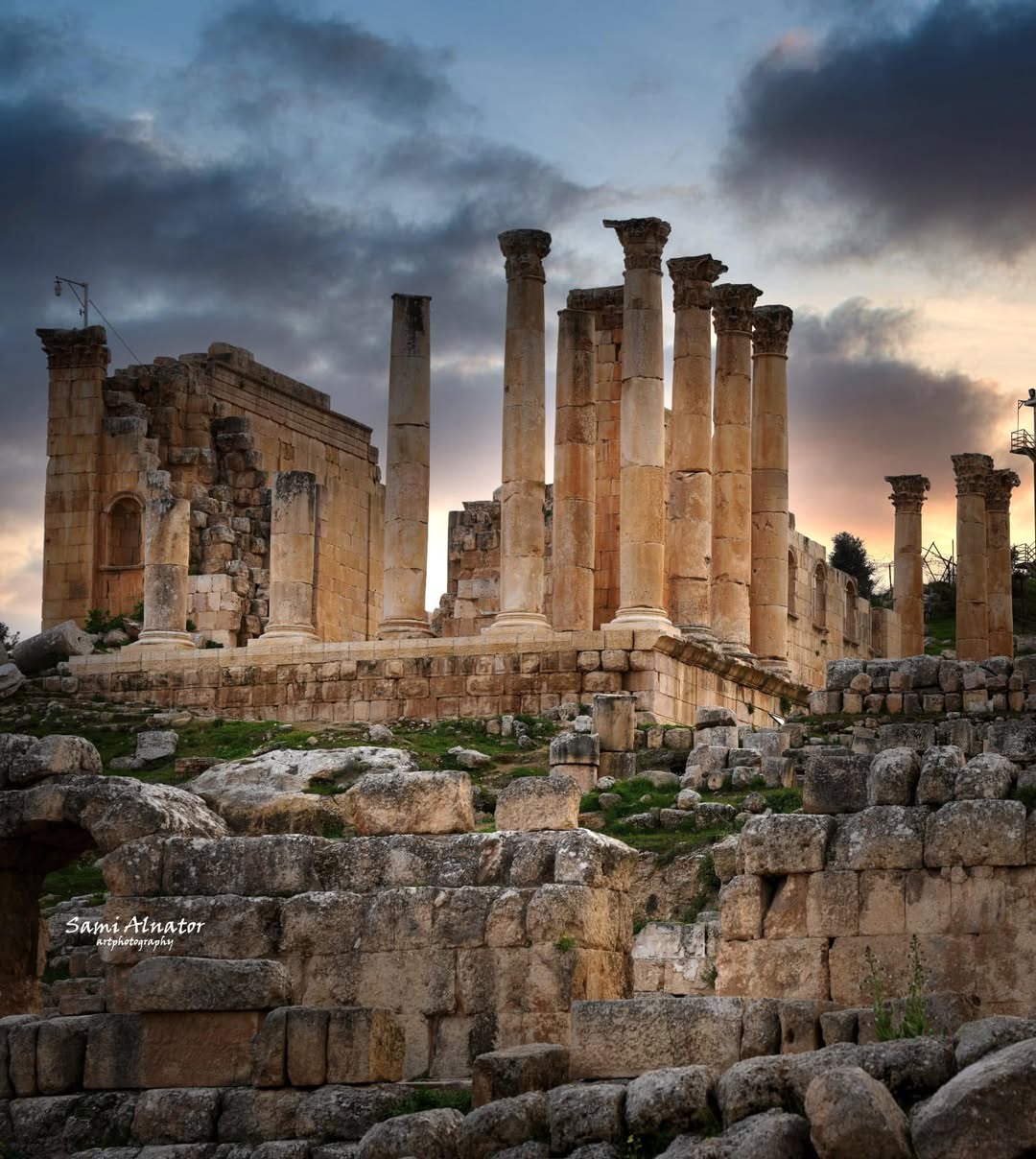
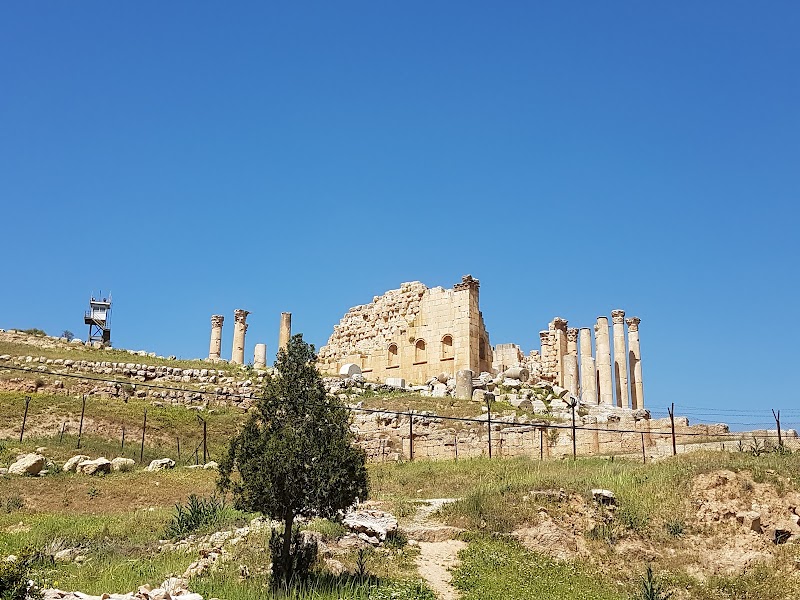
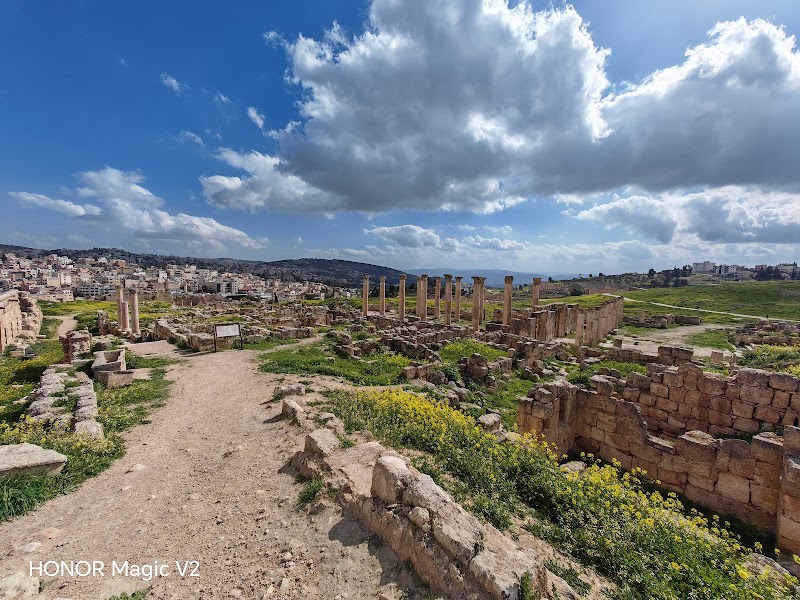
Massive Roman columns, layered history and broad views over Jerash make this ruined temple one of the ancient city’s most striking landmarks.
More photos

Photos published by travelers on Google, not AI generated.
What stands out
- Massive Roman columns
- Views across ancient Jerash
- Upper temple panorama
- Two-stage construction history
- Sunset atmosphere
Worth knowing
- Ruins may feel less extensive than expected
- Much of the original structure must be imagined
Don't miss
What comes up most in public reviews
- Upper temple view over the plaza
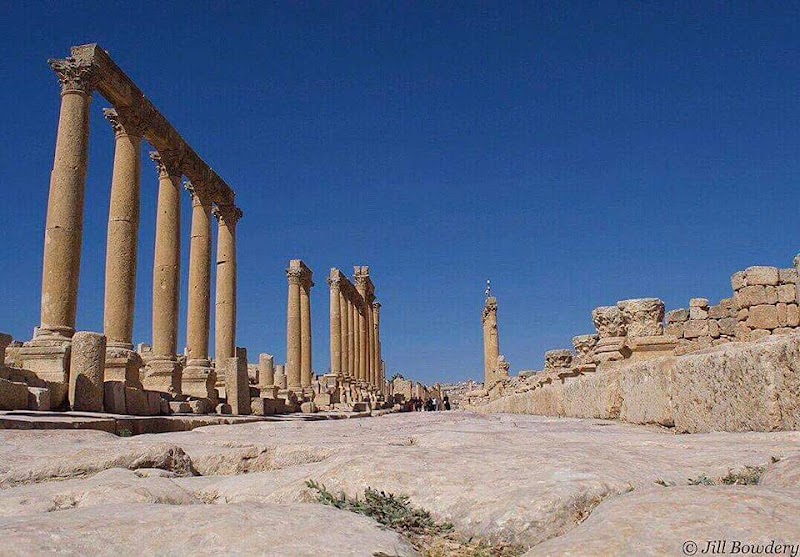
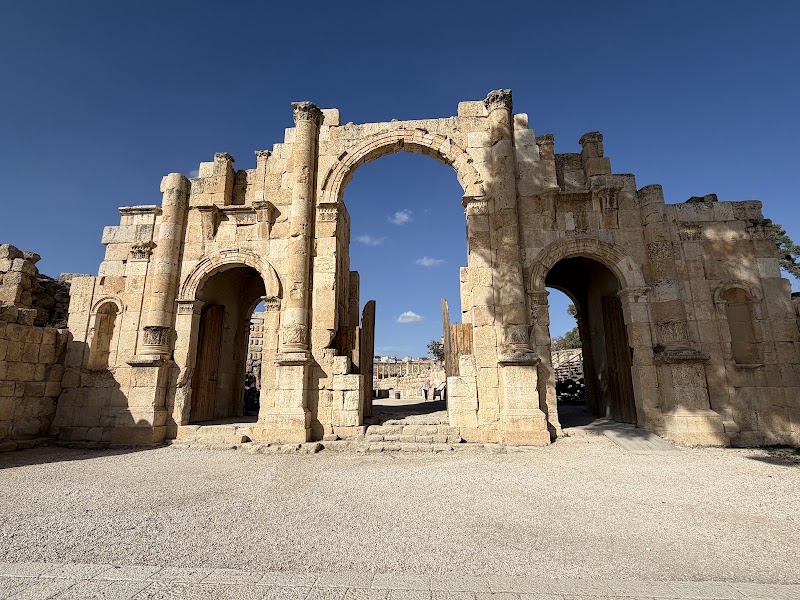
- Lower temple and road between the gates
- Massive surviving columns
- The two stages of temple construction
Worth the trip?
A ruin defined by scale and outlook
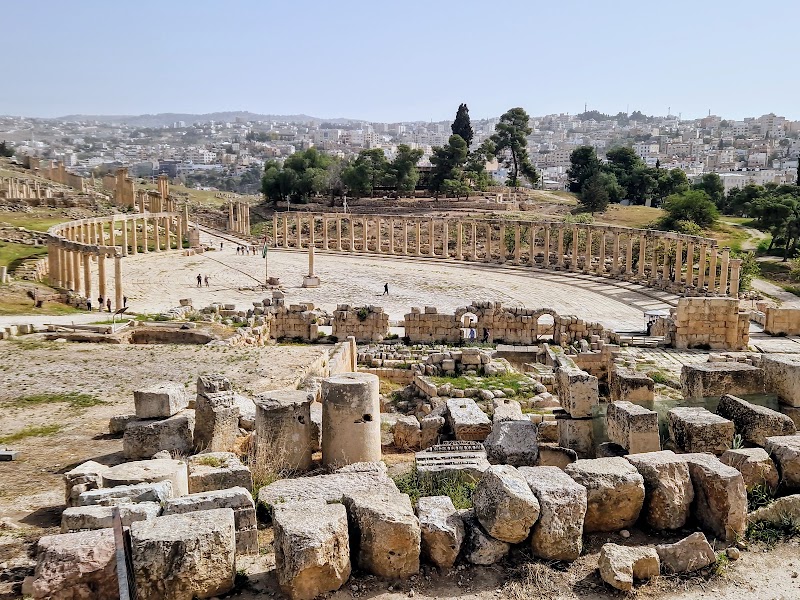
Public feedback presents the Temple of Zeus as one of the most imposing vantage points within ancient Jerash. Its appeal rests on two elements: the surviving Roman columns and the elevated view across the archaeological site. Reviewers describe the columns as massive, while the outlook is repeatedly singled out as a major reason to climb to the upper section.
The landmark holds a Google rating of 4.7 from 541 reviews, suggesting consistently strong visitor approval. Much of that enthusiasm appears tied to atmosphere rather than a large collection of intact structures. This is a place where scale, setting and imagination do much of the work. One less enthusiastic reviewer still considered it excellent, but had expected more from the surviving remains.
History built in stages
Reviews emphasize that the temple’s story extends beyond the visible second-century structure. One account traces local worship of Zeus to a nearby cave as early as 600 to 700 BC, with temple construction beginning much later, during the second century AD. Visitors interested in the site’s chronology may therefore find more depth here than the standing columns initially suggest.
The most useful architectural detail raised in public feedback is that the complex was built in two stages. The older, larger and lower temple came first, followed by the upper structure. Recognizing those separate levels helps turn what might otherwise look like a scattered group of ruins into a more understandable sacred complex. Reviewers also note that the temple remained in use while the ancient city was flourishing, reinforcing its importance within Jerash rather than treating it as an isolated monument.
The view from the upper temple
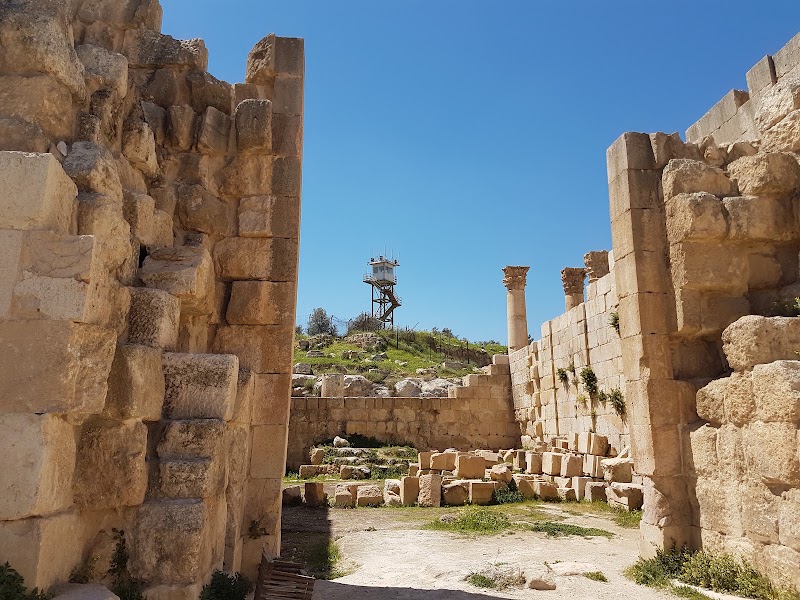
The upper part receives particular praise for its panorama. From this level, visitors can look over the plaza, the lower temple and the road running between the gates. These sightlines provide useful context for the wider city plan and make the temple a strong stop for photography.
Sunset is the only time of day specifically praised in the supplied reviews. The warm light and broad city views appear to heighten the drama of the surviving columns. Travellers prioritizing that atmosphere should plan the temple toward the later part of their Jerash visit, while allowing enough daylight to distinguish the different temple levels and surrounding features.
Who will appreciate it most
The Temple of Zeus is best suited to history enthusiasts, architecture fans and visitors who enjoy elevated archaeological viewpoints. Its remains offer a vivid sense of Roman scale, but they require some interpretation. Travellers expecting a largely complete temple may find the physical remains less extensive than anticipated.
As part of a broader exploration of Jerash, however, the monument gains significance. The upper and lower structures, standing columns and views across the plaza connect the temple to the surrounding streets and gates. Public reviews ultimately frame it as a rewarding combination of history and perspective, with the sunset outlook providing its most memorable visual moment.
Ask anything
Looking for somewhere else?
Keep exploring around Jarash
More from Jordan

Jordan · Amman
Umayyad Palace: Amman Citadel’s Standout Landmark
A well-preserved, partly restored palace complex combining Islamic architecture, layered history and wide views across Amman.
Jordan · Amman
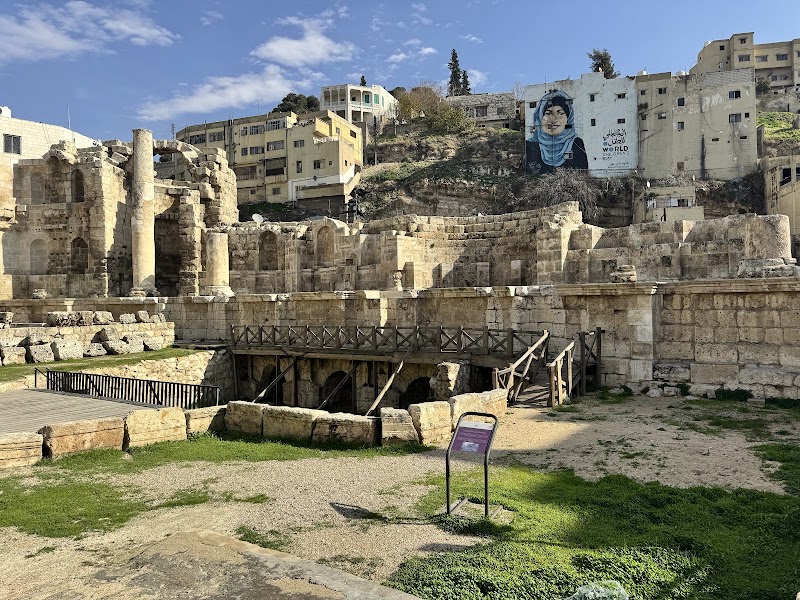
Roman Nymphaeum: a compact stop in downtown Amman
Ancient remains and a central setting make this a worthwhile short stop, although uncertain access and the busy surroundings can affect the visit.
Jordan · Amman
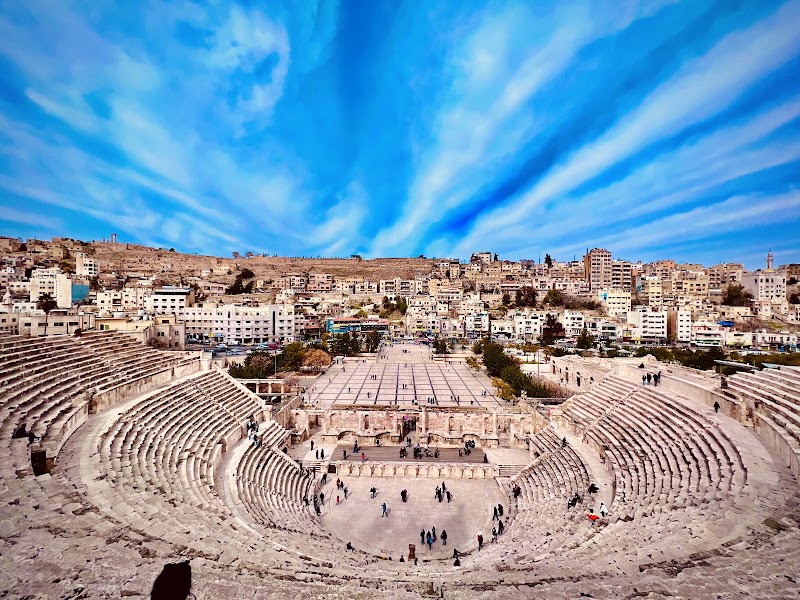
The Hashemite Plaza: Amman’s Roman Theater Forecourt
A broad downtown gathering space offering gardens, casual refreshments and memorable views of Amman’s Roman Theater.
Jordan · Jerash
Jerash Ancient City Ruins: Monumental Roman Jordan
Vast plazas, theaters, temples and colonnaded streets make Jerash one of Jordan’s most rewarding archaeological attractions.