Tel Be’er Sheba: A Compact Walk Through an Ancient City
Ancient remains, a deep well and broad desert views make this small archaeological park a rewarding short stop for history enthusiasts.
More photos
Photos published by travelers on Google, not AI generated.
What stands out
- Ancient city remains
- Deep historic well and trough
- Underground cistern
- Observation platform views
- Short, easy-to-follow route
Worth knowing
- Small site with limited scope
- Interpretive information may feel patchy
- May underwhelm beside larger ruins
Don't miss
What comes up most in public reviews
- See the old well and trough
- Climb the observation platform
- Explore the underground cistern
- Walk through the city remains
Worth the trip?
What the reviews suggest
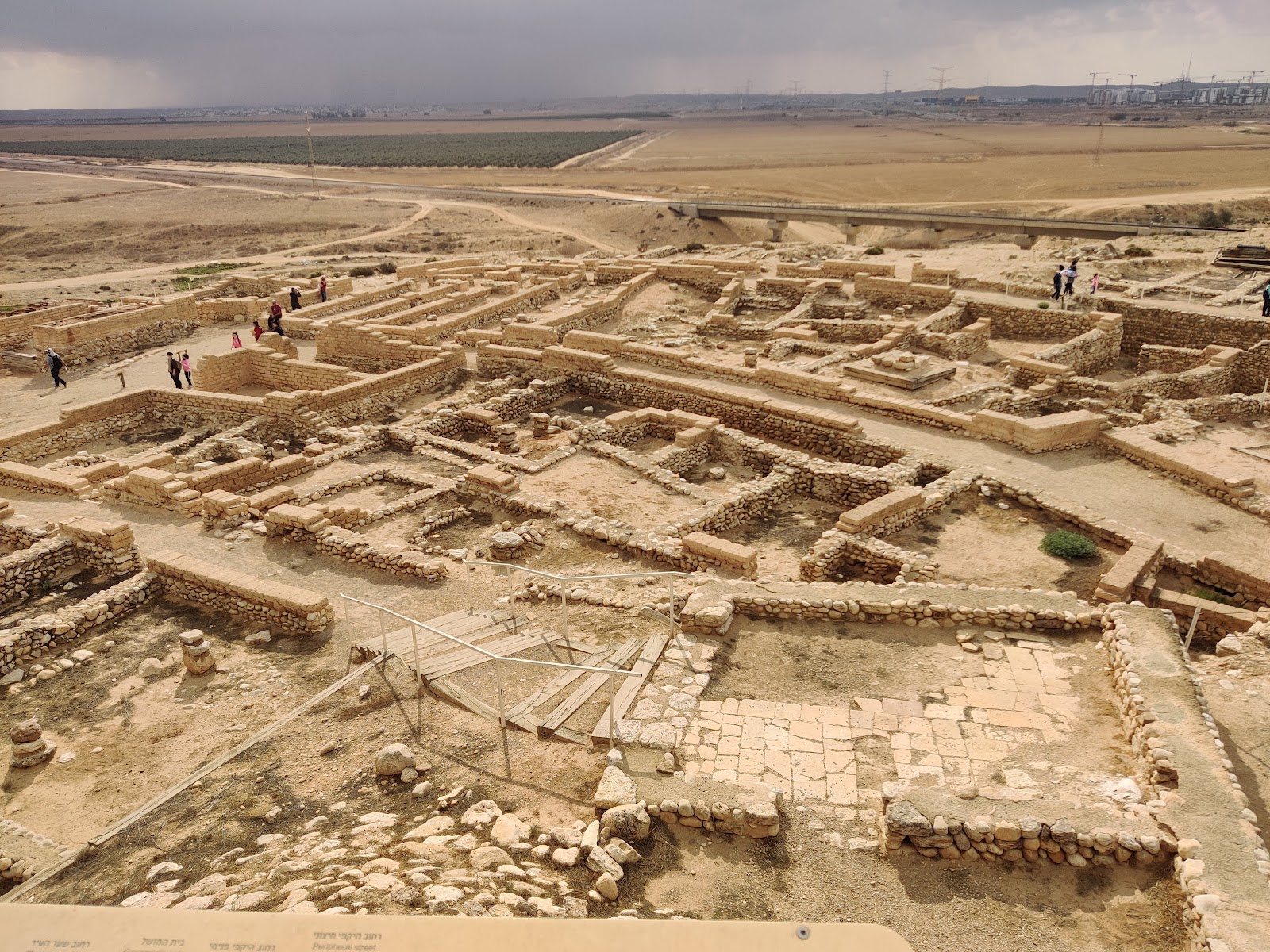
Tel Be’er Sheba is a compact archaeological site outside modern Be’er Sheva, best approached as a focused history stop rather than a sprawling day out. It holds a Google rating of 4.5 from 1353 reviews, with public feedback repeatedly praising its ancient city remains, substantial well and elevated views.
Several reviewers describe the walking route as short, straightforward and easy to follow. Estimates range from about half an hour to one hour for seeing the main features, although archaeology enthusiasts may spend longer reading the available material and examining the structures. The ascent is also described as easy, making the site comparatively approachable for those who do not want a demanding climb.
The scale divides opinion. Admirers value the opportunity to connect visible ruins with biblical and regional history. Less enthusiastic reviewers find the site modest compared with larger archaeological attractions elsewhere in Israel. That contrast is useful: Tel Be’er Sheba appears strongest as a concise, clearly defined visit, particularly for travellers already interested in ancient settlement patterns.
Main features
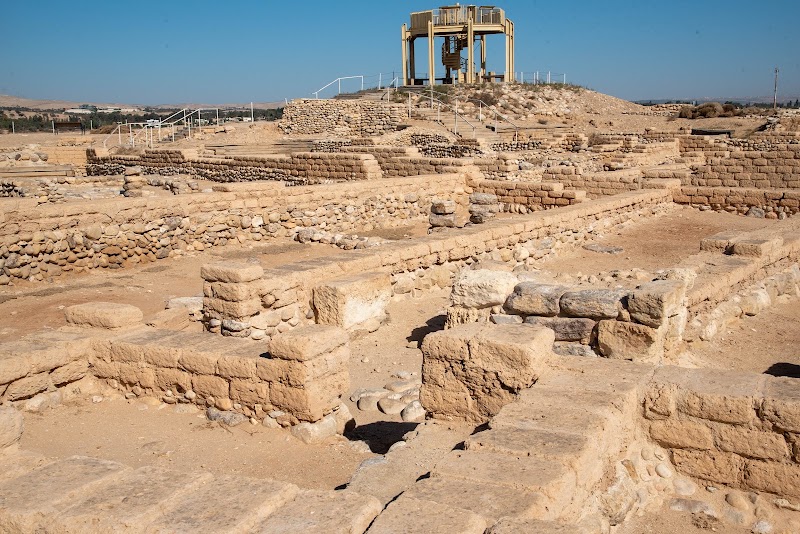
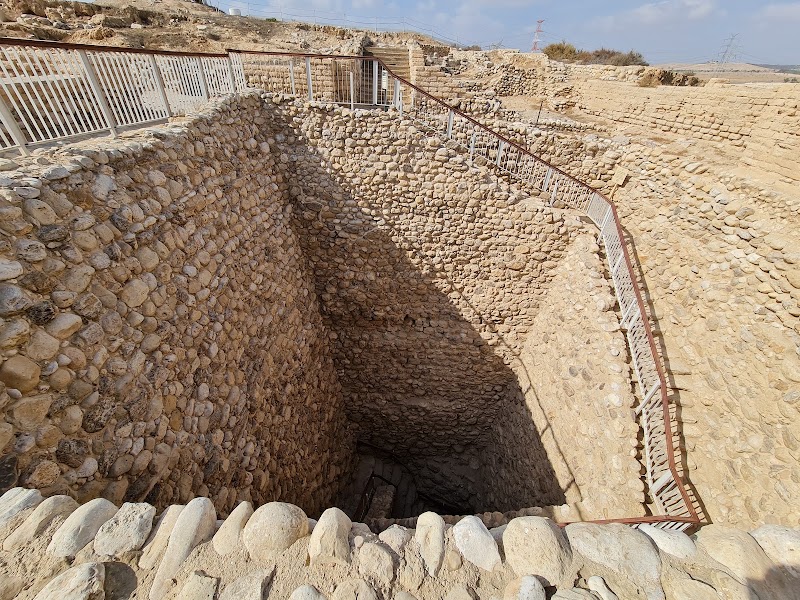
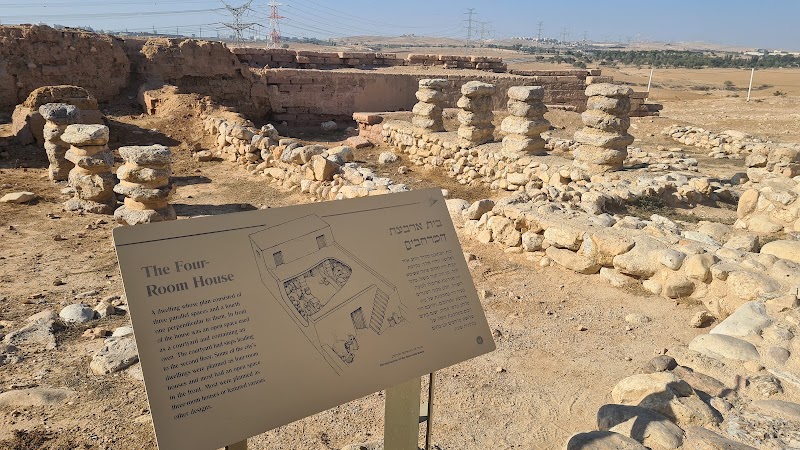
The old well receives some of the most enthusiastic comments. One reviewer describes it as about 70 metres deep, while another highlights the associated trough as an evocative reminder of how residents and animals may once have drawn water here. The surviving lower sections of the city entrance also help establish the layout of the former settlement.
An observation platform provides a view across the whole archaeological site and the surrounding landscape. Reviewers consistently treat this as one of the visit’s most satisfying moments, partly because the elevated perspective makes the compact city plan easier to understand.
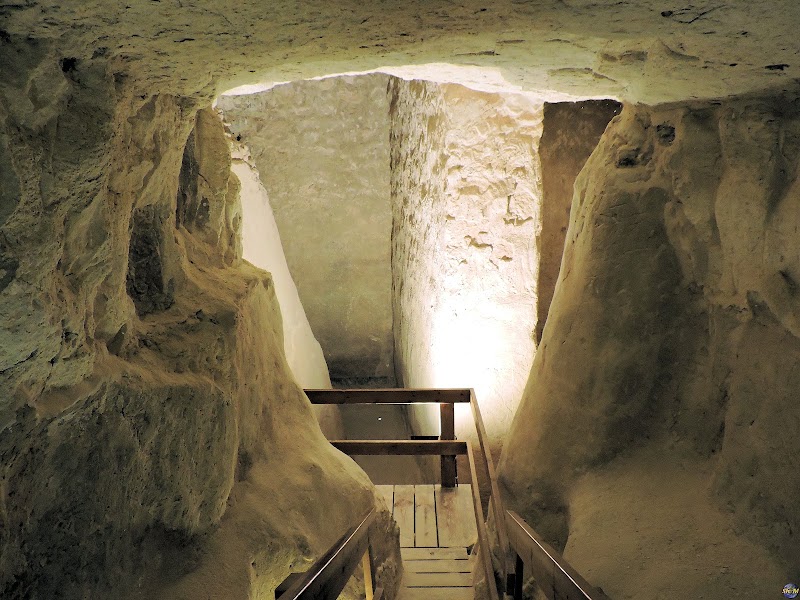
The underground cistern is another notable feature. Public feedback emphasises both its scale and the labour that must have gone into excavating it. Together, the well and cistern make water management one of the clearest themes of the visit.
Planning the walk
A map or leaflet supplied at the entrance helped at least one reviewer follow the route and connect the remains with historical and biblical references. The path is described as simple, and the site’s limited size means there is little pressure to rush between features.
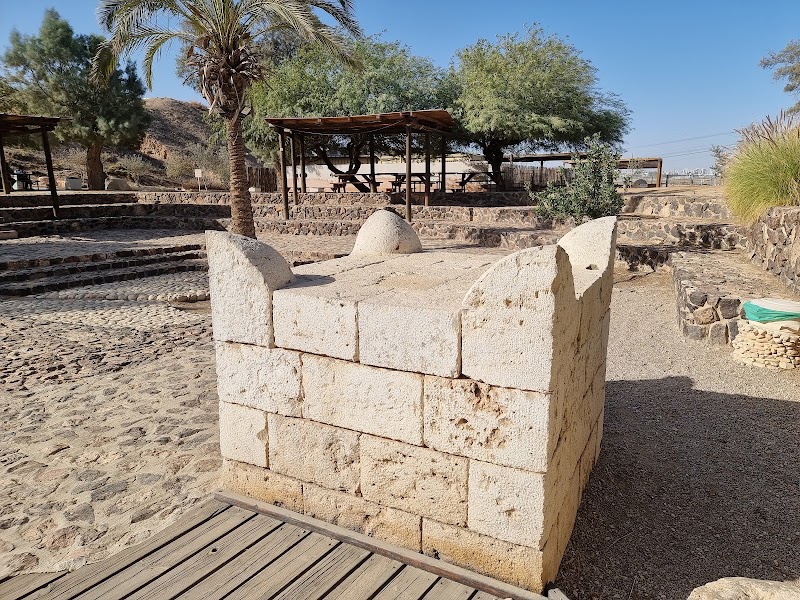
Picnic tables near the entrance also received a positive mention, including seating beneath a tree. That can make a brief breakfast or picnic a pleasant addition before or after the archaeological circuit, subject to current site rules and conditions.
Overall verdict
Synthesised public reviews position Tel Be’er Sheba as worthwhile but specialised. It is unlikely to satisfy travellers seeking a large collection of monumental ruins or a full-day attraction. Some feedback also criticises the interpretive information as patchy, so visitors without prior interest in the period may find parts of the site less engaging.
For history and archaeology enthusiasts, however, the combination of biblical-era remains, water systems and an easily understood city footprint has clear appeal. The observation platform adds geographical context, while the short route makes the park easy to combine with other stops around Be’er Sheva. Its strength lies in clarity and compactness rather than spectacle.
Ask anything
Looking for somewhere else?
Keep exploring around Be'er Sheva
More from Israel
Israel · Jerusalem
Ancient Jerusalem in Stone at the Western Wall Excavations
Ruins, ritual spaces and a compact coin display add archaeological depth to a visit around Jerusalem’s Western Wall.
Israel
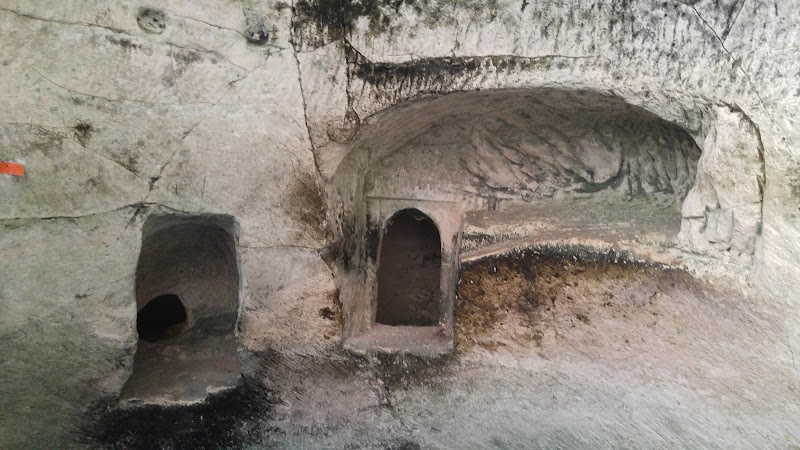
Maresha: Hilltop Views and a Varied Underground World
Maresha combines flower-covered hilltop scenery with labyrinth, bell and painted burial caves shaped by a complex Hellenistic past.
Israel · Ein Al Sultan
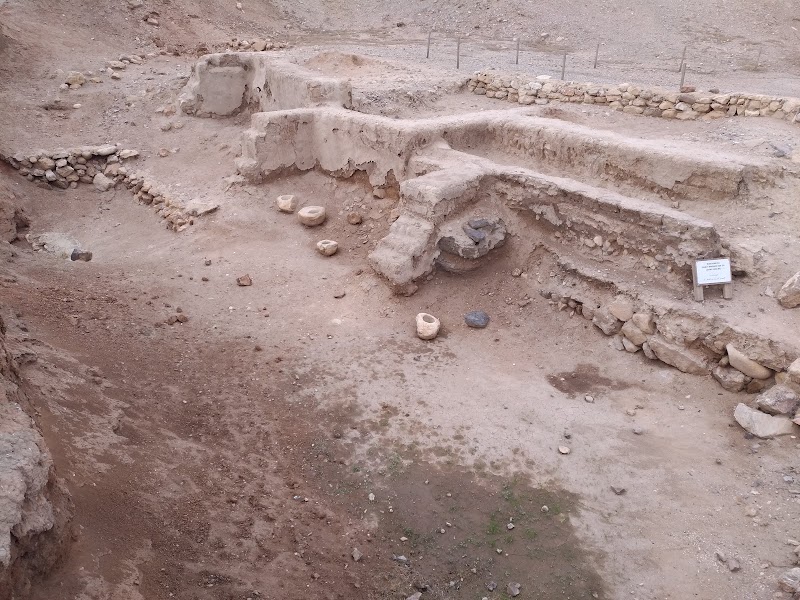
Ancient Jericho at Tell es-Sultan: History in Layers
Public reviews praise Tell es-Sultan’s immense archaeological significance, while cautioning that its excavated remains can appear modest at first glance.
Israel · Jerusalem
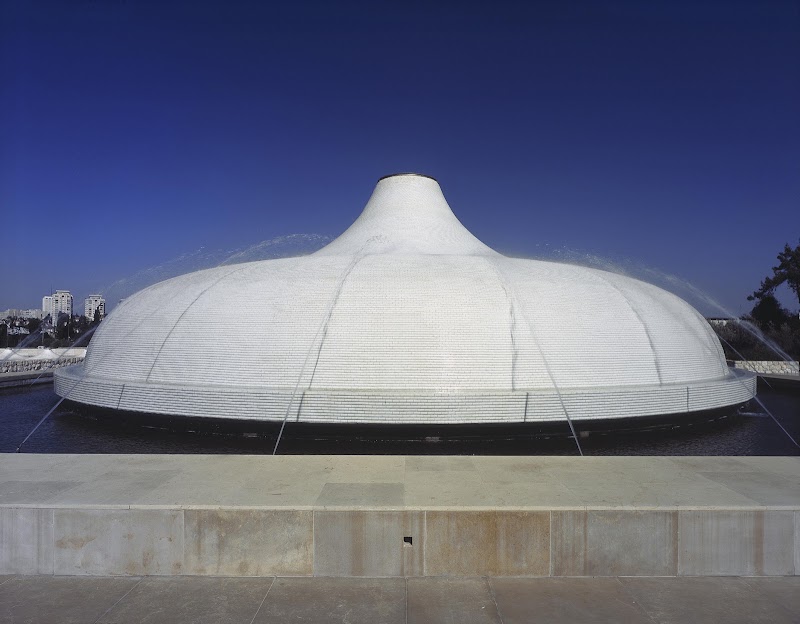
Shrine of the Book: Jerusalem’s Scrolls and Sacred Texts
Public reviews praise this Israel Museum attraction for its Dead Sea Scrolls, Isaiah exhibit, historic codex and nearby model of ancient Jerusalem.