Te Puia pairs Rotorua’s geothermal drama with Māori culture
Guided cultural interpretation, active geothermal sights and a kiwi display make Te Puia one of Rotorua’s most consistently praised attractions.
More photos
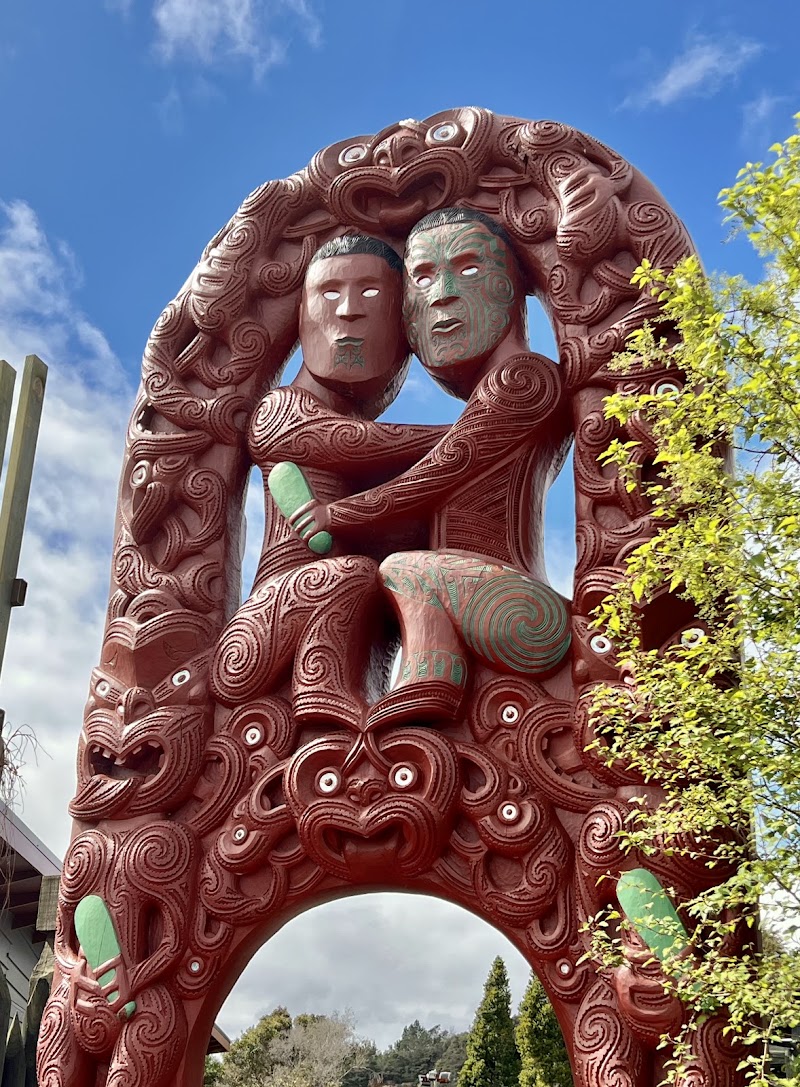

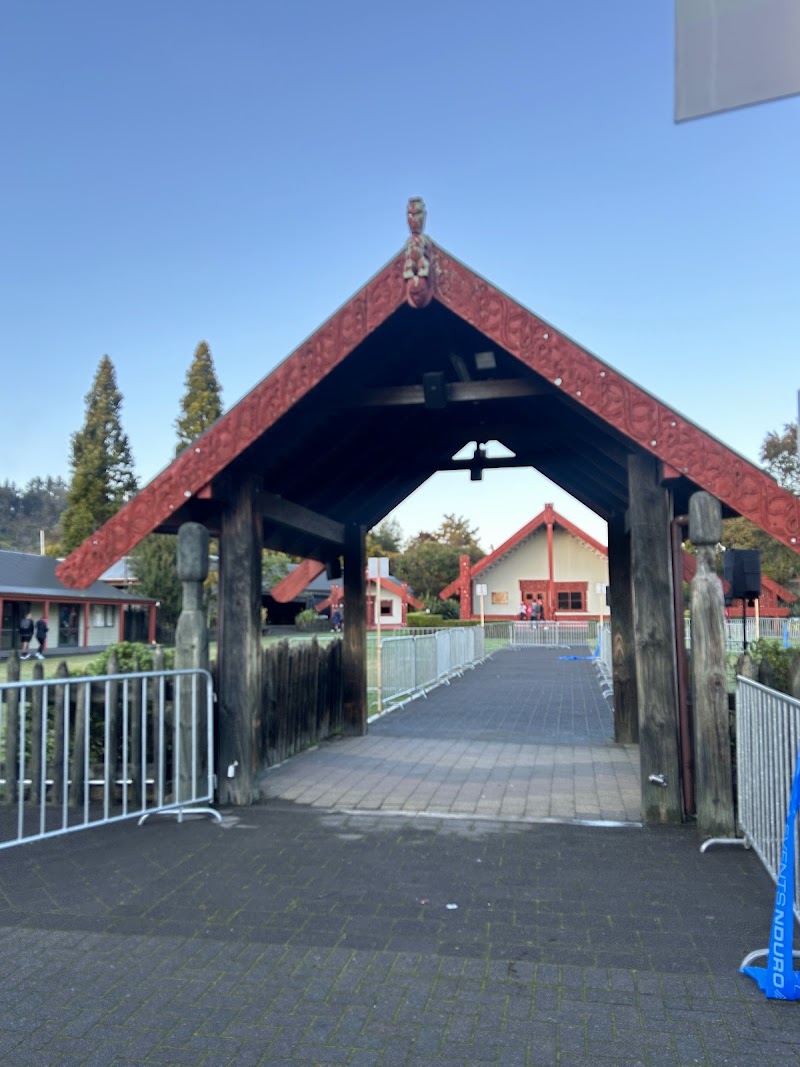
Photos published by travelers on Google, not AI generated.
What stands out
- Engaging guided cultural interpretation
- Geysers and active hot mud
- Live kiwi display
- Māori cultural performance
- Māori arts education
Worth knowing
- Large geyser eruptions are not guaranteed
- The experience centres on an organised tour
Don't miss
What comes up most in public reviews
- Join the guided cultural tour
- Watch the Māori cultural presentation
- See the geysers and hot mud
- Visit the live kiwi display
- Learn about the Māori arts school
Worth the trip?
Why Te Puia stands out
Te Puia holds a Google rating of 4.5 from 9311 reviews, and the supplied feedback presents it as a defining Rotorua experience rather than a quick geothermal stop. Visitors repeatedly combine two reasons for recommending it: the physical spectacle of geysers and hot mud, and the opportunity to learn about Māori culture through guides and live presentation.
The strongest reviews describe a sense of connection rather than passive sightseeing. Travellers praise the warmth, knowledge and enthusiasm of the guides, particularly their ability to explain history, stories and Te Ao Māori in an accessible way. Even a visitor who normally preferred independent exploration felt the guided format added depth and fostered greater respect for Māori culture.
Geothermal sights and wildlife
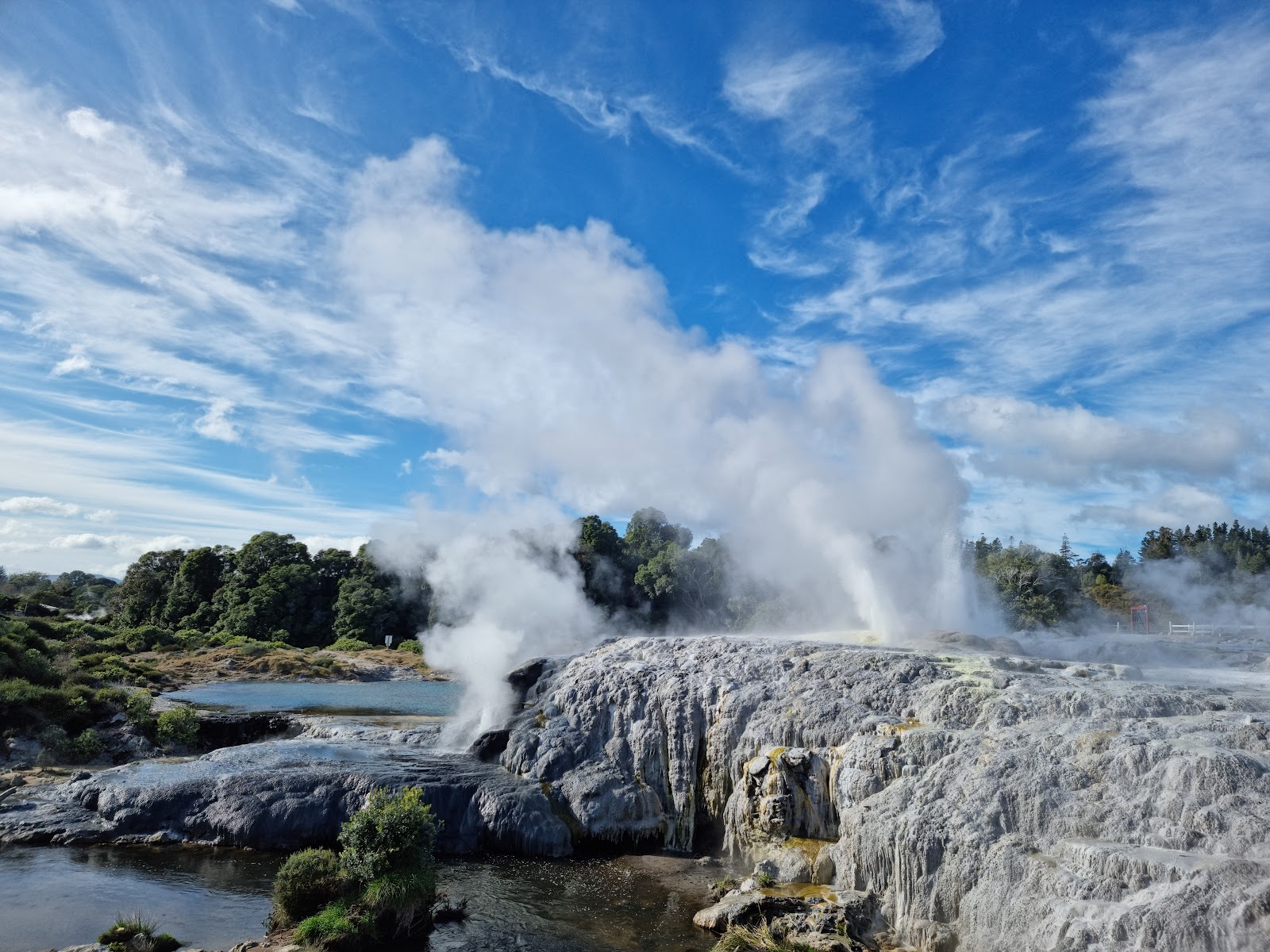
The geothermal valley supplies the visual drama. Reviews call the activity spectacular and describe seeing the geysers erupt as a lasting trip memory. Hot mud also earns positive mentions, although one visitor noted that a large geyser eruption did not occur during the tour. That makes the broader setting important: the experience appears to work best when treated as more than a wait for one explosive moment.
The live kiwi display is another recurring highlight. Reviewers valued the chance to see the birds, with one reporting sightings of all three present during that visit. Sightings should not be treated as guaranteed, but the display adds welcome variety to the geothermal and cultural programme.
Cultural experience
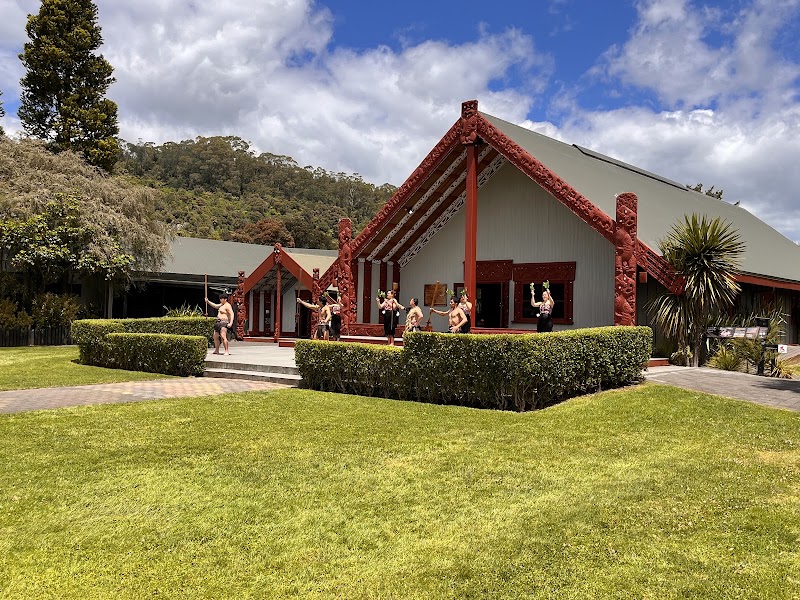
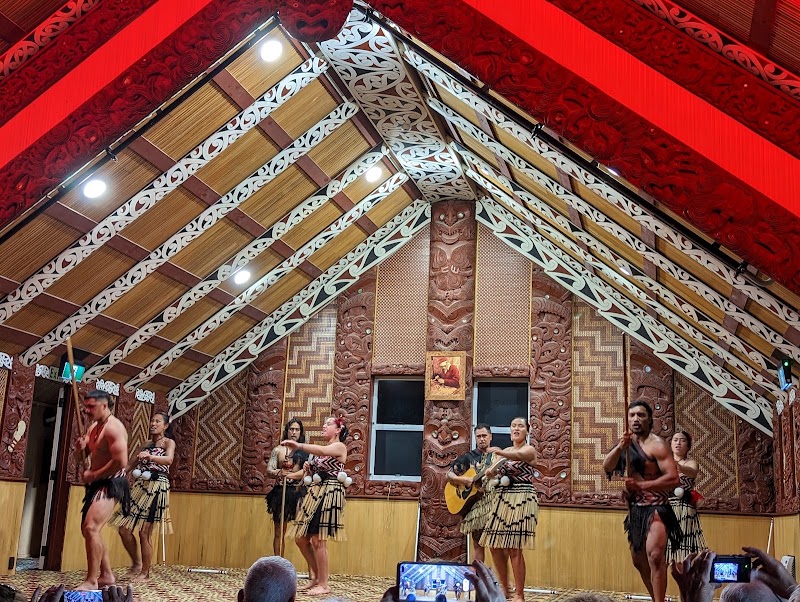
Public feedback is especially strong on the cultural interpretation. Reviewers describe the material as well curated, informative and genuine, without feeling forced. The cultural performance is repeatedly praised, with responses ranging from “very good” to deeply moving. Singing, pride and the overall quality of the presentation all feature in the supplied accounts.
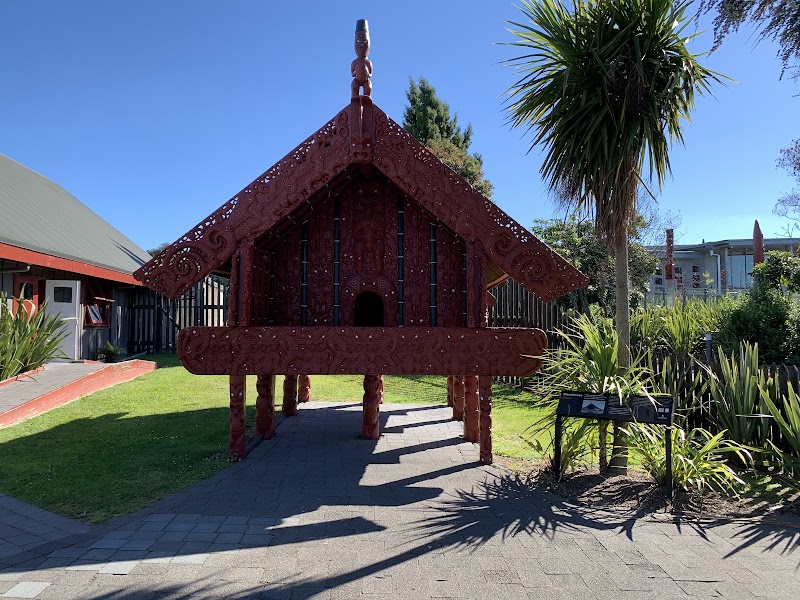
The attached school for Māori arts also gives the visit a practical educational dimension. One reviewer specifically valued learning that entry revenue supports students studying Māori arts. Combined with the guides’ storytelling, this helps visitors understand Te Puia as a cultural centre as well as a landmark.
Planning the visit
The organised tour format appears to suit families and first-time visitors particularly well. One family praised how engaging the guide was with their three-year-old, while another reviewer found the explanations detailed enough to be useful without becoming overwhelming. Tours also reportedly leave time for photographs and independent appreciation of the surroundings.
Travellers who usually avoid guided attractions may still find the interpretation worthwhile, since several reviews identify the guide as central to the experience. The main uncertainty is geothermal timing: visitors may see substantial activity without witnessing the largest eruption they hoped for. Allowing half a day gives the cultural presentation, kiwi display, geysers and hot mud room to register as a complete experience rather than competing for attention.
Ask anything
Looking for somewhere else?
Keep exploring around Rotorua
More from New Zealand
New Zealand
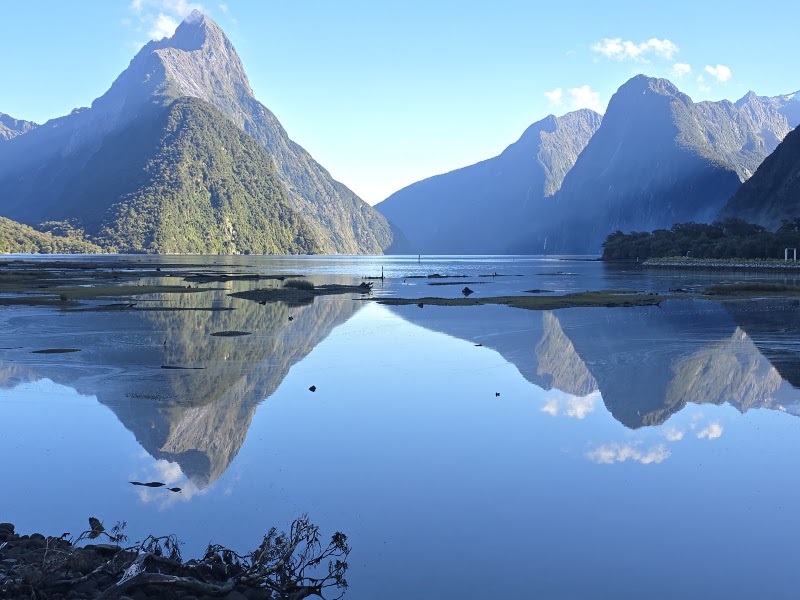
Fiordland National Park: Powerful landscapes at every turn
Fiordland earns exceptional praise for its dramatic road journeys, wilderness walks, waterfalls and memorable cruises on Milford and Doubtful sounds.
New Zealand · Oamaru
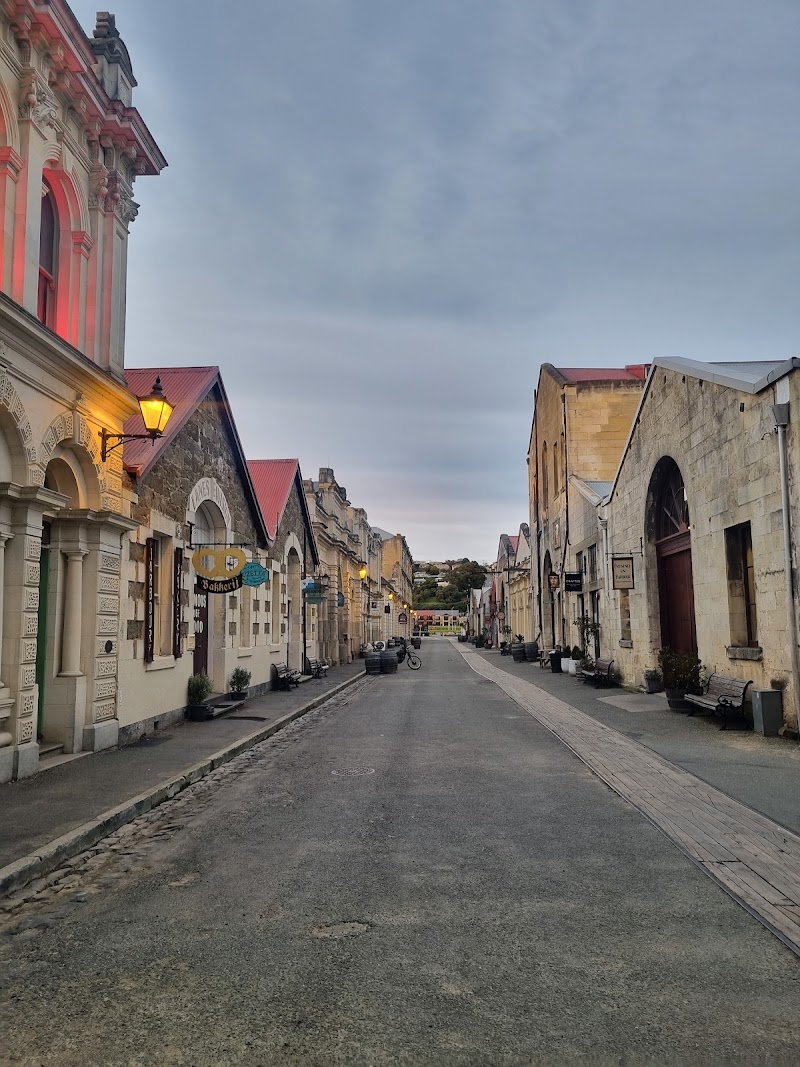
Oamaru’s Heritage Precinct: Victorian Streets and Shops
Preserved limestone buildings, independent shops and old-world character make this historic quarter a rewarding stop between South Island destinations.
New Zealand · Nelson
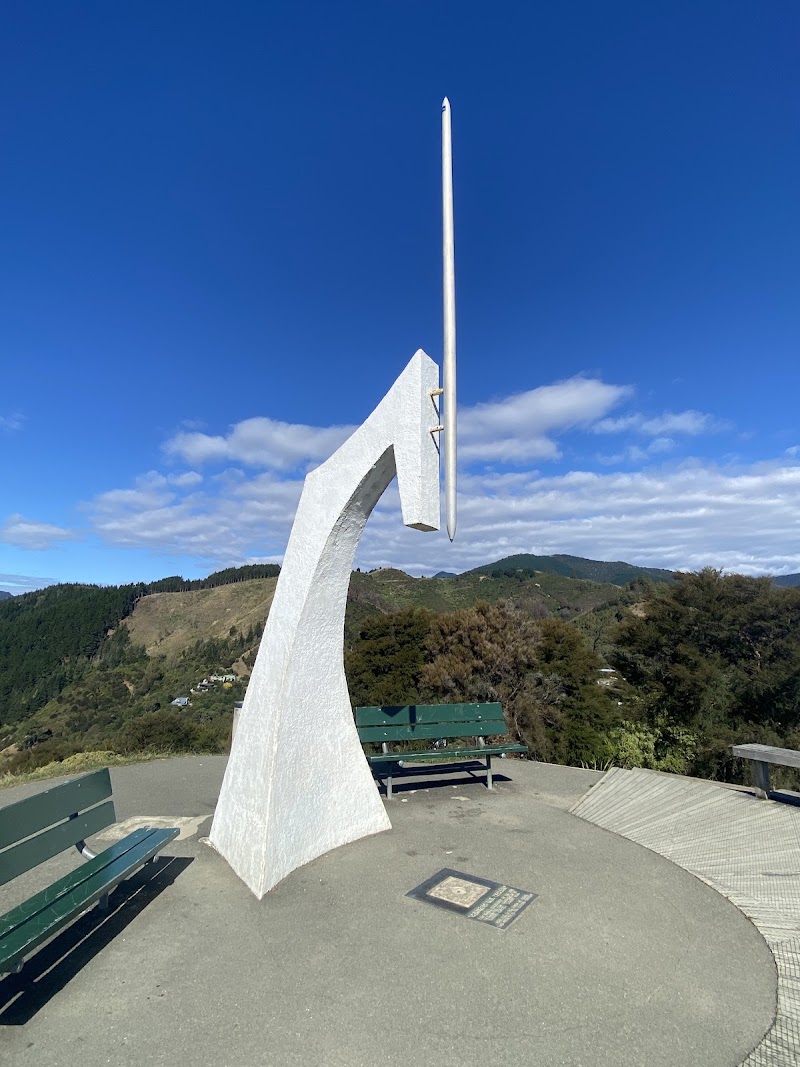
Centre of New Zealand Monument: Nelson’s steep scenic walk
Public reviews praise this short but demanding uphill walk for its well-maintained track and expansive views across Nelson.
New Zealand · Blenheim
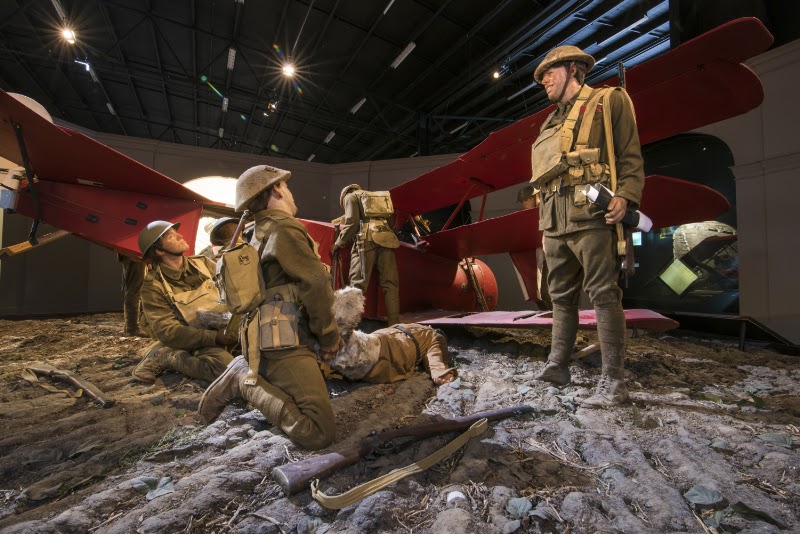
Omaka Aviation Heritage Centre: a theatrical history lesson
Blenheim’s aviation museum pairs WWI and WWII aircraft with dramatic staging, detailed artefacts and compelling personal stories.