Tanuf Castle Ruins: A Quiet Window into Old Oman
Near Nizwa, these atmospheric ruins offer traditional architecture, uncrowded exploration and strong photography potential in a compact stop.
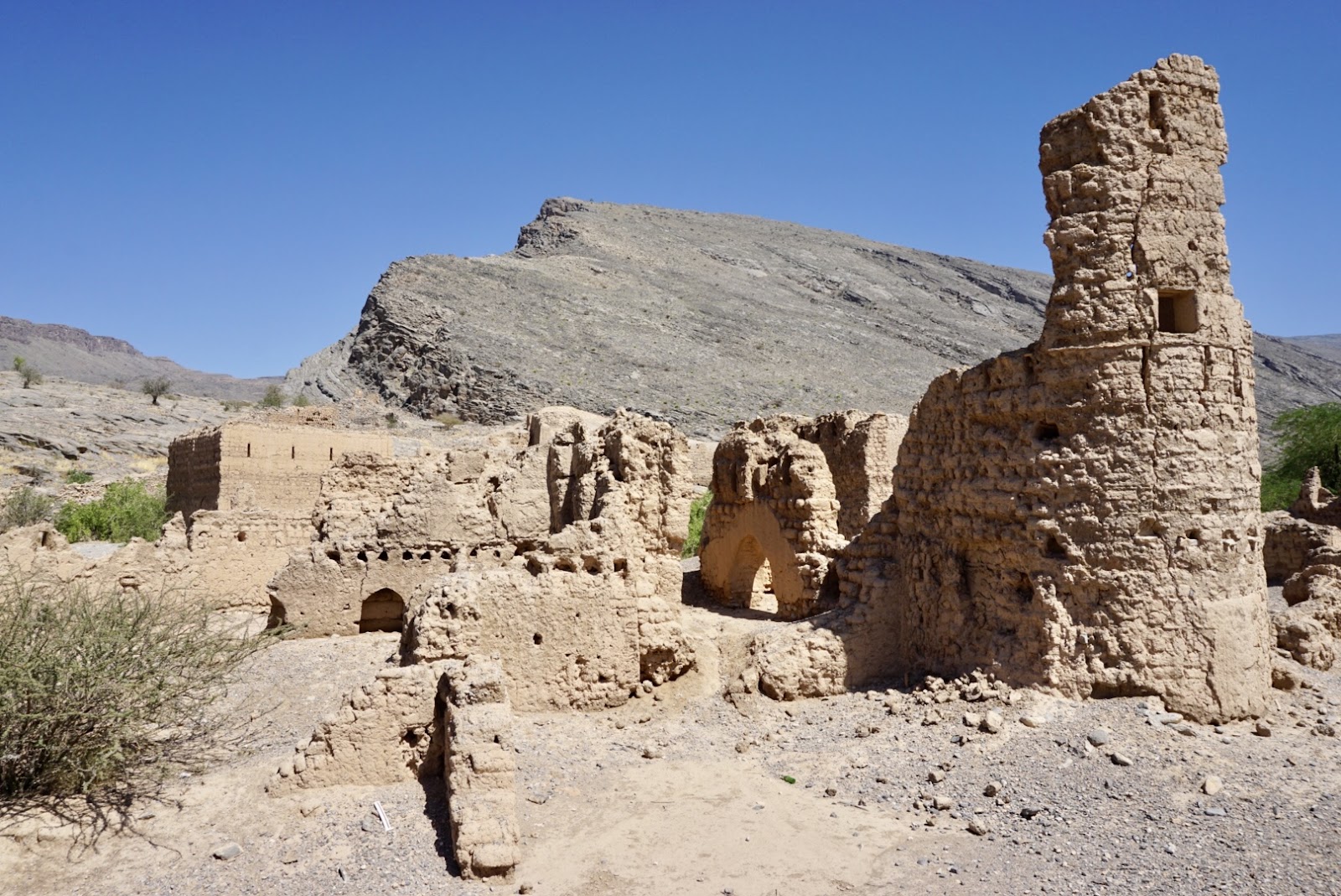
More photos
Photos published by travelers on Google, not AI generated.
What stands out
- Partially preserved traditional houses
- Quiet, uncrowded atmosphere
- Strong architectural photography
- Freedom to explore the ruins
Worth knowing
- No explanatory signboards reported
- Limited historical context at the site
Don't miss
What comes up most in public reviews
- Walk among the surviving houses
- Photograph the weathered walls
- Examine the traditional architecture
- Read about Tanuf’s history before visiting
Worth the trip?
What the reviews suggest
Tanuf Castle Ruins earns a Google rating of 4.2 from 407 reviews. Relevant public feedback portrays it as a quiet, freely accessible historical site where ruined houses and surviving walls offer a tangible impression of an earlier Omani settlement. Reviewers repeatedly value the atmosphere rather than polished visitor infrastructure. Several describe having the site entirely to themselves, particularly during a weekday morning or a November visit.
The ruins are commonly treated as a short stop rather than a full-day attraction. One reviewer spent around 30 to 45 minutes exploring, which should be enough for a relaxed walk and photographs. Travellers with a strong interest in traditional buildings may want longer to examine the more intact structures.
One supplied review discusses Bahla Fort rather than Tanuf and appears to concern a different attraction. Its references to UNESCO status, large towers and oasis views should not be applied to this site.
History and architecture
The principal draw is the chance to walk among the remains of old houses. Reviewers note that some structures retain enough of their original form to show how homes may once have looked. That makes Tanuf more evocative than monumental. It is less about grand interiors or restored displays and more about reading roofless rooms, walls and settlement patterns in the landscape.
One public review describes the ruins as the remains of a small, formerly thriving hamlet and links their destruction to British bombing in 1954 during conflict connected with the Imamate rebellion. As the site reportedly lacks explanatory signboards, visitors interested in that history may benefit from reading reliable background material before arriving. The on-site experience alone may not provide enough context to distinguish different buildings or explain the events that shaped the settlement.
The experience on the ground
Photography is one of the most consistent reasons to stop. Weathered walls, partially preserved houses and the absence of crowds create opportunities for wider architectural compositions and close-up studies of traditional construction. Reviewers also describe the place as clean and easy to reach, although the available feedback does not provide detailed information about facilities or accessibility within the ruins.
The freedom to explore is part of the appeal. There is little indication of a managed visitor route, formal interpretation or a heavily developed tourist setup. For independent travellers, that can feel refreshingly direct. For those who prefer labelled exhibits, guided narratives or restored rooms, the experience may seem sparse.
Editorial verdict
Tanuf Castle Ruins works best as a brief historical detour near Nizwa. Its strongest qualities are solitude, surviving domestic architecture and photographic atmosphere. The lack of interpretation is the clearest limitation, but advance reading can turn an otherwise unexplained collection of walls into a more meaningful encounter with Oman’s recent history. It is particularly worthwhile for travellers already passing through the area rather than those seeking a large, fully restored fort complex.
Plan the rest of the trip
Ask anything
Looking for somewhere else?
Keep exploring around Tanuf
More from Oman
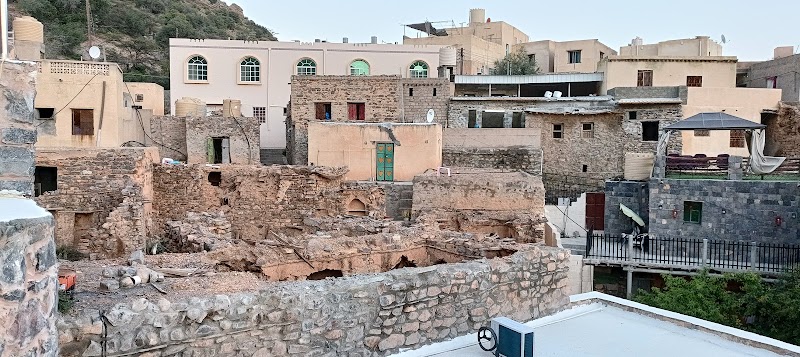
Oman · Saiq
Hanging Terraces: Cliffside Views and Warm Omani Hospitality
Public reviews praise this distinctive Saiq stay for its dramatic setting, welcoming staff, spacious rooms and close connection to local culture.

Oman · Muscat
Mandarin Oriental, Muscat: Polished Rooms and Attentive Service
Public reviews point to a highly polished Muscat stay, with spacious rooms and warm service, though shared areas may feel busy for adults seeking quiet.

Oman · Muscat
The St. Regis Al Mouj Muscat Resort Review
Public reviews point to a polished Muscat resort with generous service, spacious rooms, strong dining and a convenient airport location.
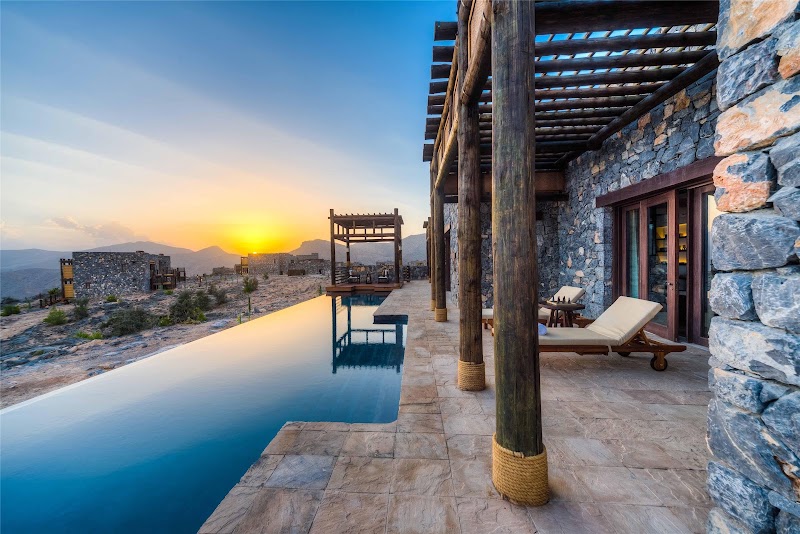
Oman
Alila Jabal Akhdar: Mountain Views and Attentive Service
Public reviews describe a high mountain retreat in Oman with striking views, thoughtful staff and memorable stargazing, though one visitor reported a frustrating access policy.