Taj Mahal review: Agra’s defining monument
Agra’s white-marble mausoleum pairs immense historical significance with one of the strongest public rating signals in Indian tourism.
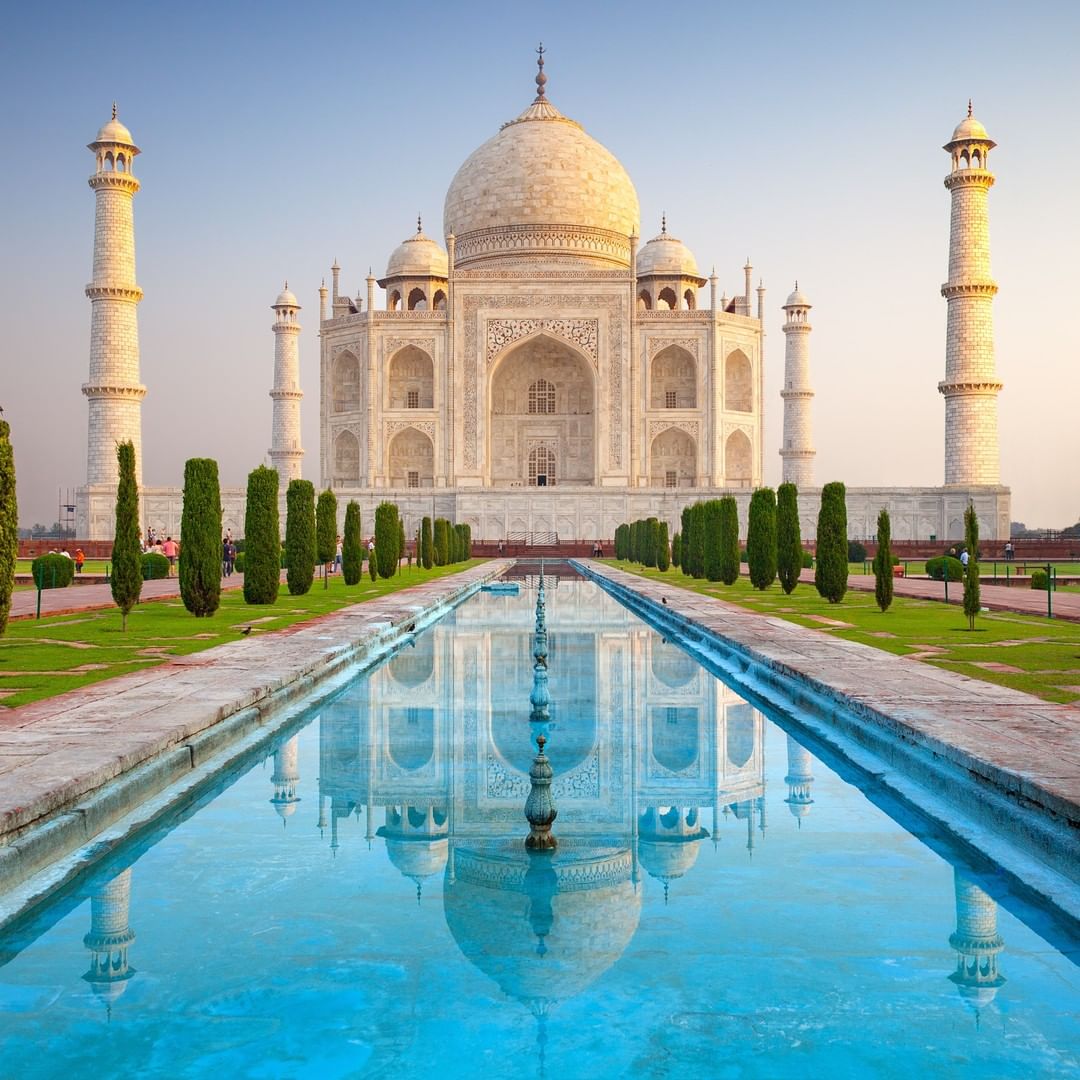
More photos
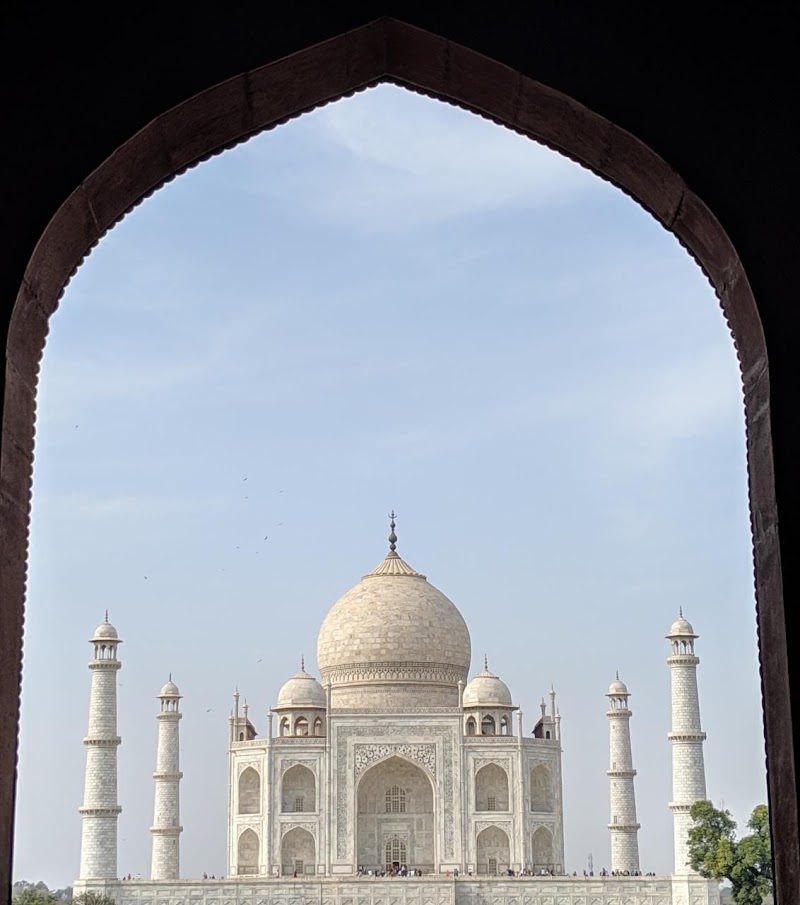

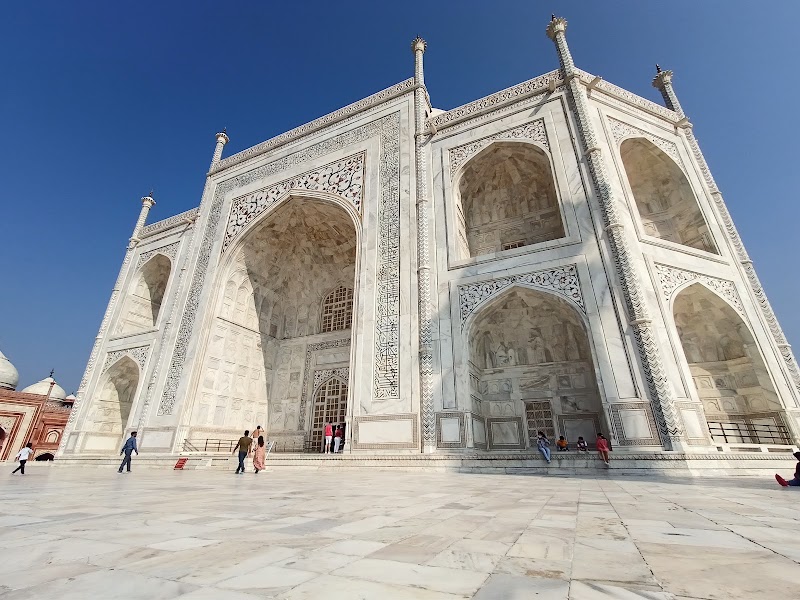


Photos published by travelers on Google, not AI generated.
What stands out
- White-marble monument
- Mughal architectural heritage
- Major historical attraction
- Exceptionally strong public rating
Worth the trip?
The public verdict
With a Google rating of 4.6 from 251173 reviews, the Taj Mahal has earned an exceptionally strong public score, especially for a landmark receiving visitors on such a vast scale. No individual review excerpts were supplied for this assessment. That means patterns involving service, queues, photography or visitor management cannot be verified here. Even so, the rating points to broad, sustained approval.
Public listing data places the Taj Mahal under monument, historical place and tourist attraction. All three fit, though they hardly capture its standing. This is Agra’s defining sight and one of the clearest expressions of Mughal architecture, conceived as a mausoleum by the emperor Shah Jahan in memory of Mumtaz Mahal. White marble gives it much of its visual identity, alongside formal symmetry and a carefully composed setting. No single decorative flourish carries the effect.
What the visit offers
There is far more to the experience than the familiar frontal view. The mausoleum sits at the heart of a larger complex, with gardens, gateways and red-sandstone buildings around it. A long reflecting pool strengthens the central axis. Seen from a distance, the monument can look almost simple. Up close, carved marble, calligraphy, geometric detail and intricate floral inlay come into focus.
That change of scale is a large part of the appeal. The Taj Mahal succeeds as an instantly recognisable silhouette, then rewards slower, more measured observation. Its surrounding layout is just as important. Symmetry directs the approach, frames the dome and builds a deliberate progression towards the mausoleum.
As a major tourist attraction, the site deserves half a day rather than a rushed photo stop. That leaves time to move through the complex, compare the long views with close architectural details, and take in the relationship between the marble mausoleum and its formal grounds.
Who will appreciate it
First-time visitors to Agra are the clearest audience, along with architecture enthusiasts, history-focused travellers and photographers. Couples may value the association with imperial remembrance too, although the cultural and architectural importance of the site reaches well beyond its popular romantic image.
Families may find its scale and visual clarity accessible. Travellers with a deeper interest in Mughal history are likely to get more from looking at the wider complex, rather than focusing only on the central dome. The consistently high public rating suggests that the appeal holds across these different visitor types.
Editorial verdict
The Taj Mahal earns its place as Agra’s essential landmark. Its reputation is enormous, but fame is not doing all the work. Proportion, craftsmanship, historical context and controlled visual drama give the site real substance.
Without sample comments, this review cannot responsibly identify recurring visitor complaints or recommend particular times, routes or on-site experiences. The available evidence still says plenty: a 4.6 Google rating from 251173 reviews amounts to a powerful public consensus. For most travellers visiting Agra, the Taj Mahal should be the central commitment, with the rest of the itinerary arranged around it.
Ask anything
Looking for somewhere else?
Keep exploring around Agra
More from India
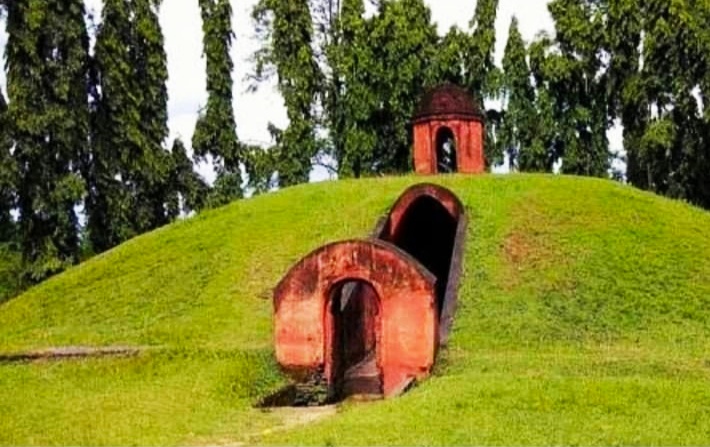
India · Bokopukhuri Habi
Charaideo Maidam: Assam’s Royal Burial Landscape
Ahom royal burial mounds, peaceful grounds and deep historical significance make this a compelling half-day landmark in Assam.
India · Verul
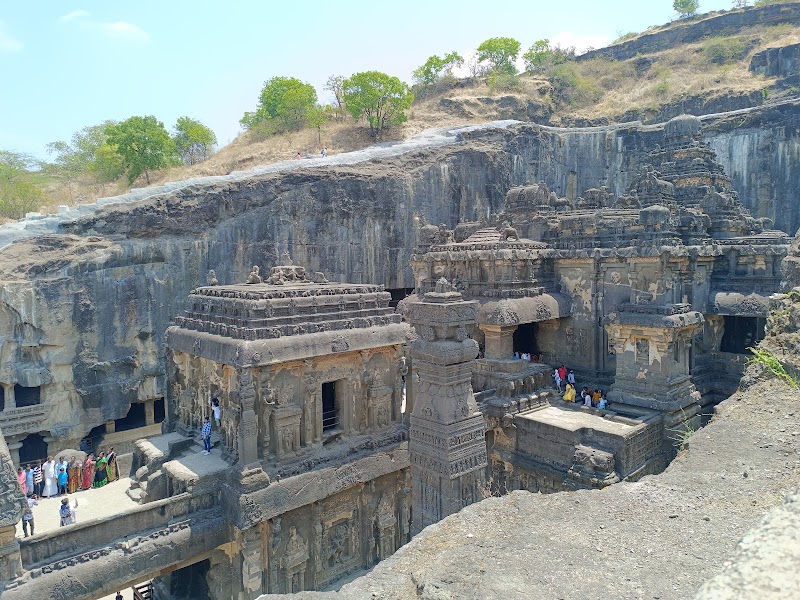
Ellora Caves: Monumental Art Carved Into Basalt
Ellora’s 34 rock-cut monuments unite Buddhist, Hindu and Jain traditions, with the vast Kailasa Temple dominating visitor impressions.

India · New Delhi
Qutb Minar: Monumental Architecture Beyond the Tower
Delhi’s soaring minaret anchors a well-kept heritage complex filled with intricate carvings, lawns and evocative medieval ruins.
India · Bengaluru
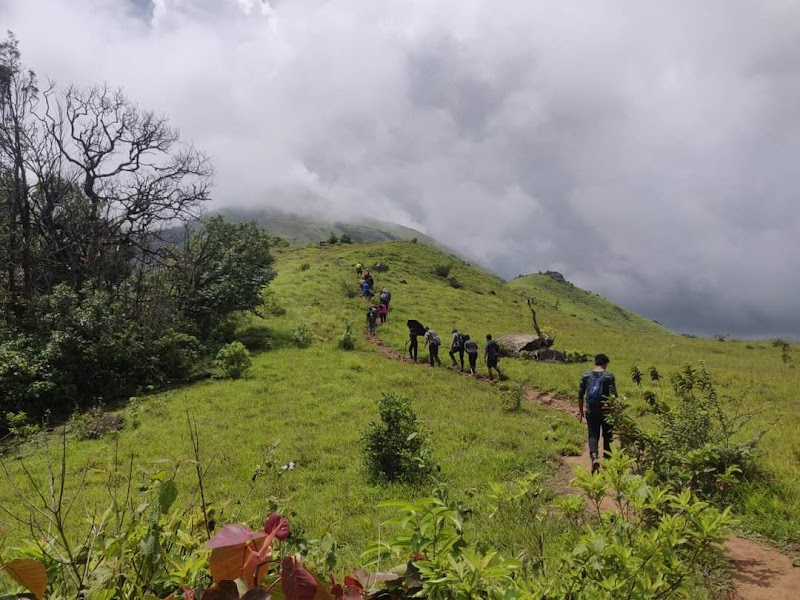
Bangalore AdvenTuRers: organised treks with a social side
Strong public feedback highlights attentive trek leaders, careful organisation and friendly group trips to destinations across Karnataka and Kerala.