Ta Prohm: Angkor’s Striking Union of Temple and Forest
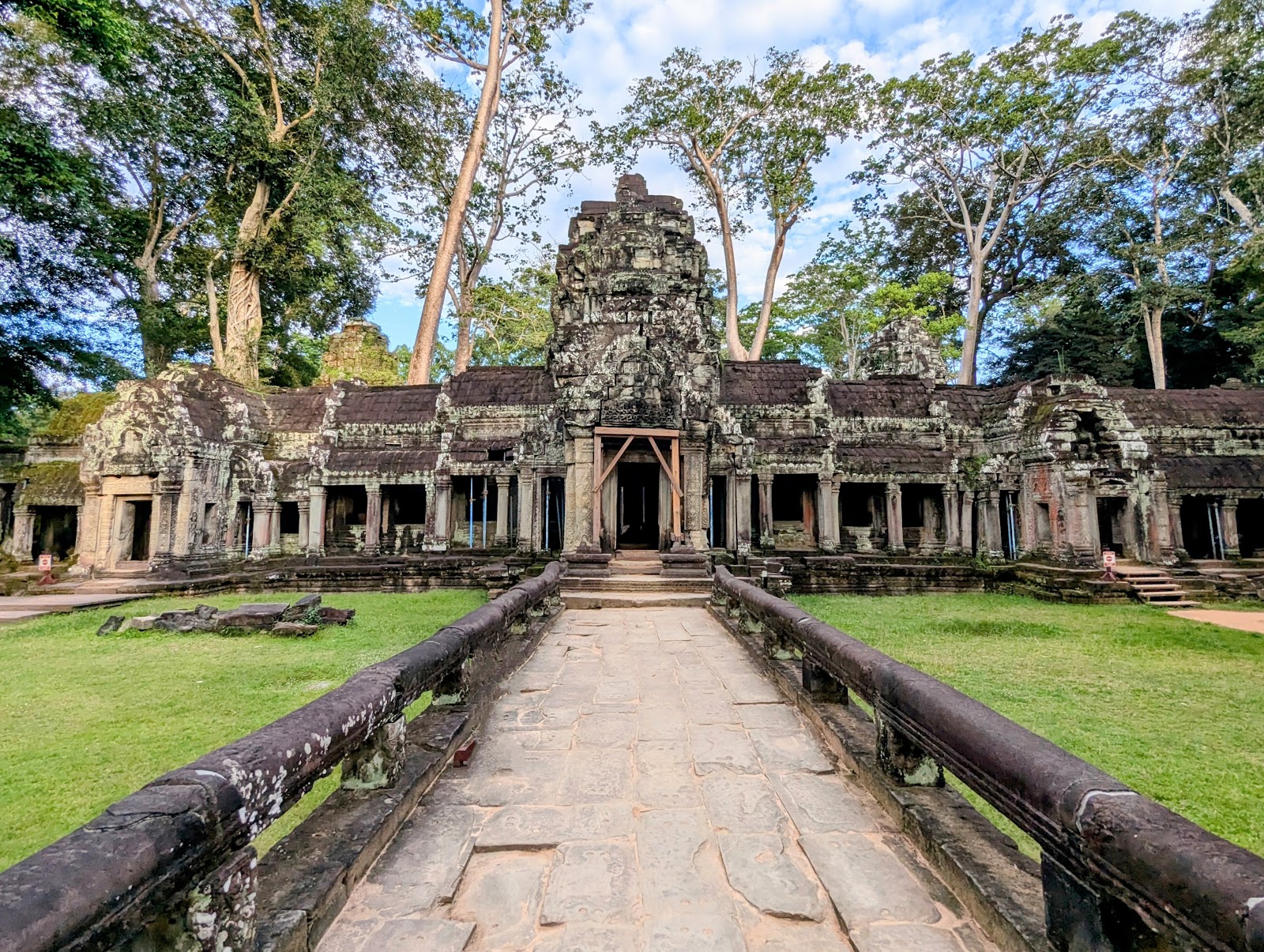
Ancient stonework and enormous tree roots create one of the Angkor Archaeological Park’s most memorable and photographed temple settings.
More photos

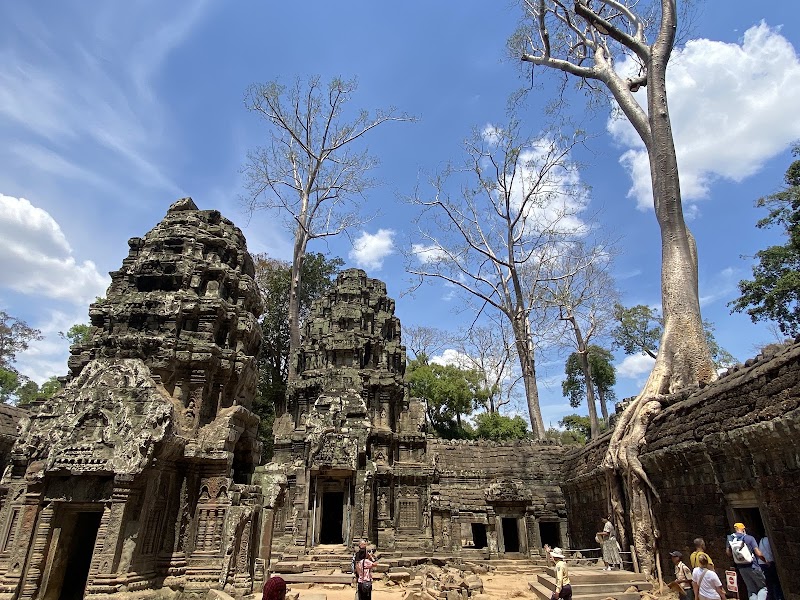
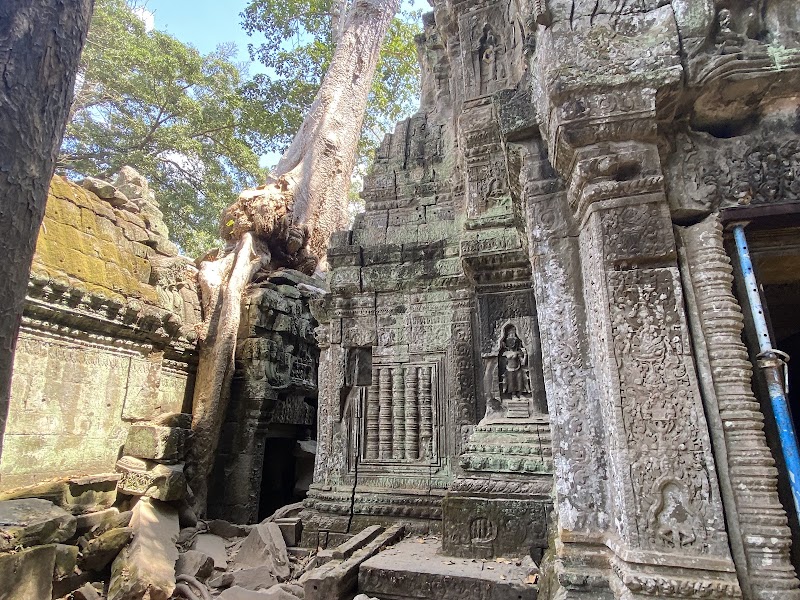
Photos published by travelers on Google, not AI generated.
What stands out
- Giant roots wrapped around stone walls
- Restored sections beside crumbled ruins
- Intricate architectural details
- Atmospheric forest setting
- Tomb Raider filming connection
Worth knowing
- Large, expansive temple grounds
- Some sections feature crumbled ruins
Don't miss
What comes up most in public reviews
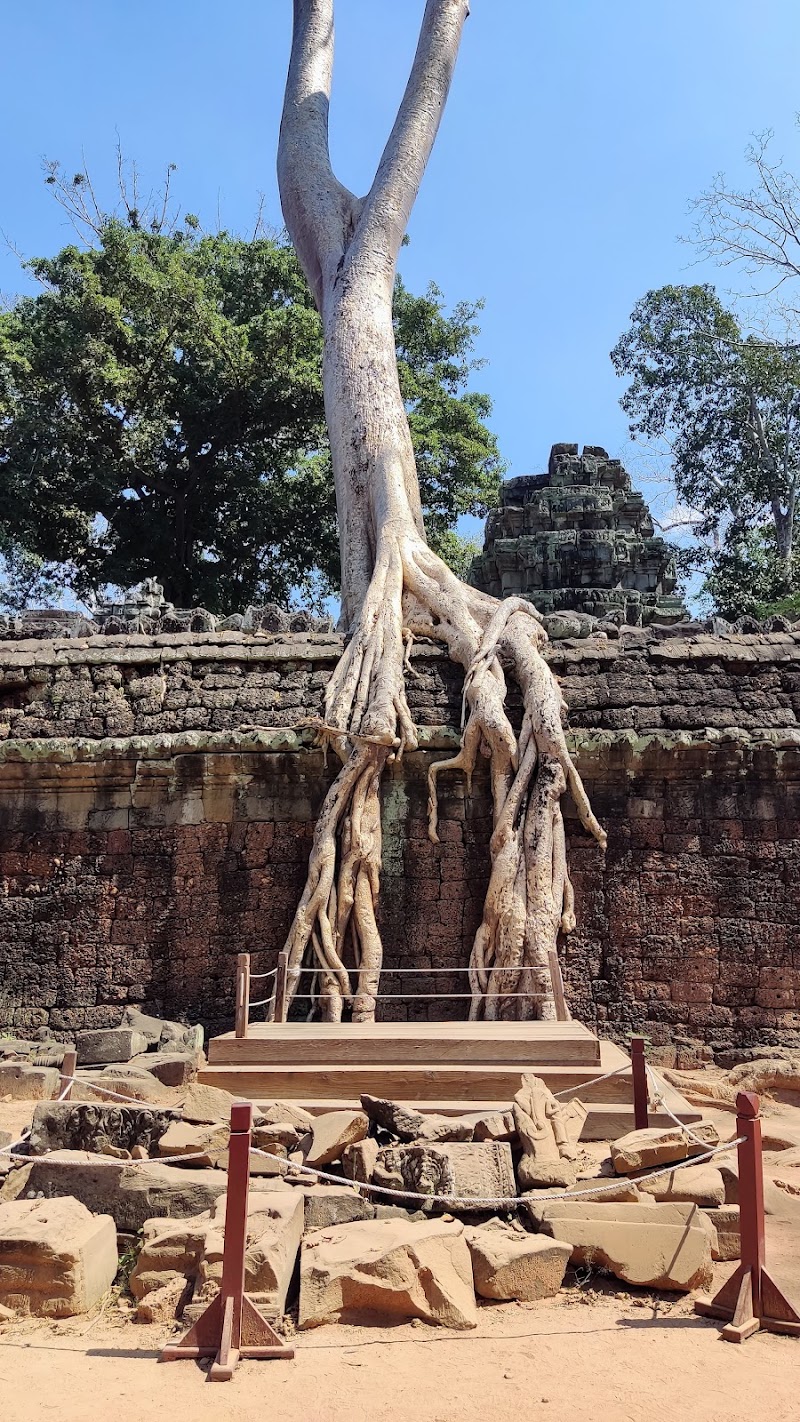
- Tree roots embracing the temple structures
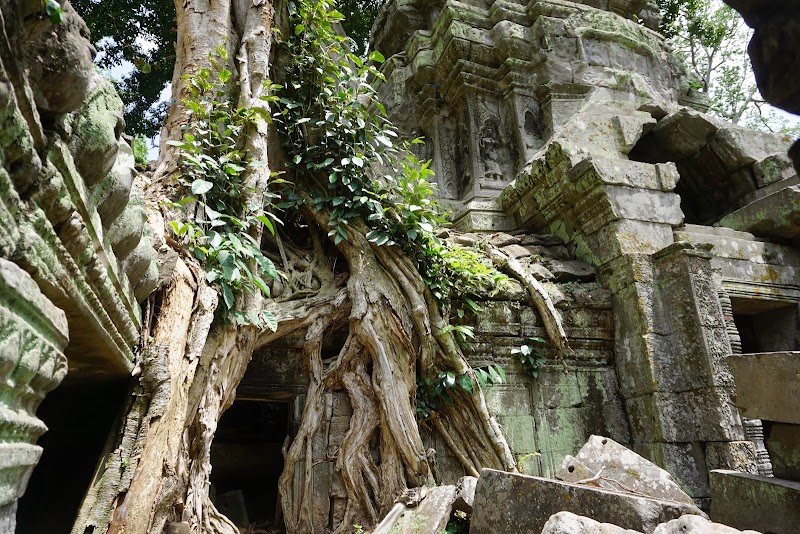
- The meeting of forest and ancient architecture
- The Tomb Raider filming setting
Worth the trip?
Why Ta Prohm stands out
Ta Prohm earns a Google rating of 4.8 from 14389 reviews, and the available feedback is unusually consistent about its appeal. Travellers describe a place where ancient architecture and the surrounding forest appear to have merged, creating an atmosphere distinct from that of other temples in the Angkor area.
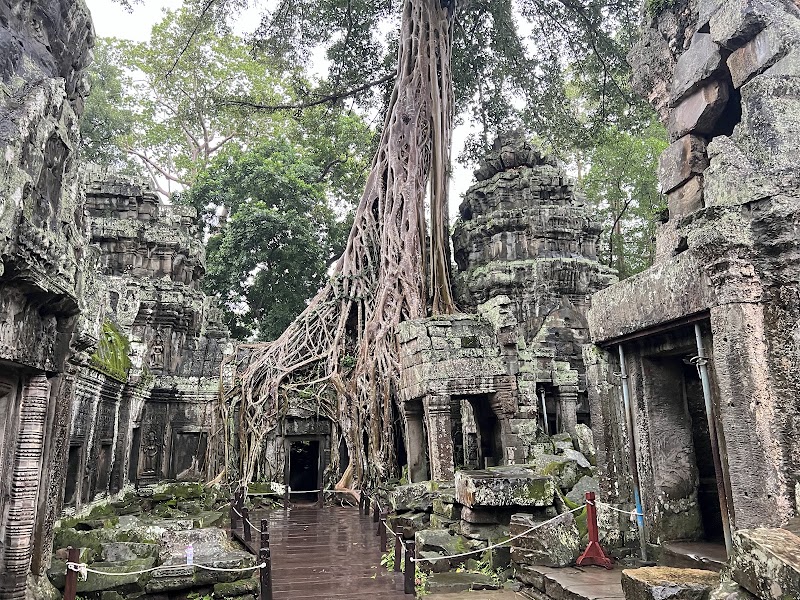
The defining sight is the network of enormous tree roots wrapped around stone walls and structures. Some rise into tall trunks above the ruins, while others spread across the masonry in thick, sculptural forms. Reviewers repeatedly call the effect magical, breathtaking and unforgettable. The combination of vegetation, weathered stone and partially collapsed buildings also gives the temple a strong sense of discovery without relying on a single monumental viewpoint.
Architecture, ruins and atmosphere
Public reviews highlight more than the famous trees. Visitors praise the intricate architectural details found throughout the complex, along with the contrast between restored areas and crumbled sections. That mix makes Ta Prohm feel less uniform than a fully reconstructed monument. Passageways, walls and ruins reveal changing compositions as visitors move through the site.
Several reviewers rank it among their favourite temples in Angkor Archaeological Park, with some placing it among the area’s essential highlights. Its scale is also noted. Ta Prohm is described as expansive, particularly within an archaeological park already known for large temple complexes. That makes it better suited to unhurried exploration than a quick photo stop.
The atmosphere receives almost as much attention as the architecture. Reviewers mention a sense of awe and imagination, while one specifically recalls the sound of birdsong among the ruins. The result is picturesque but not merely decorative. For many visitors, the tension between preservation, collapse and natural growth is the main experience.
The Tomb Raider connection
Ta Prohm is widely associated with the filming of part of *Tomb Raider*, a connection mentioned repeatedly in public reviews. The cinematic link helps explain its broad recognition, but feedback suggests the site has much more substance than a film-location visit. Travellers who arrive for the familiar setting tend to focus just as strongly on the roots, carvings, stonework and overall mood.
The best-known scenes are created by nature pressing directly against the architecture. Visitors interested in photography, film locations or atmospheric ruins are likely to find plenty to study, although the most rewarding approach is to look beyond a single famous composition.
Verdict
Ta Prohm is one of the clearest examples in the Angkor area of forest and historic architecture sharing the same space. The roots provide the immediate visual impact, while the detailed stonework, restored passages and fallen masonry reward a slower walk.
Its expansive layout and crumbled areas may require more time and attention than expected. Even so, the strong rating and repeated enthusiasm across reviews support its reputation as one of Angkor’s standout temples. It is especially compelling for travellers drawn to photography, evocative ruins and places where nature shapes the character of a historic site.
Ask anything
Looking for somewhere else?
Keep exploring around Krong Siem Reap
More from Cambodia
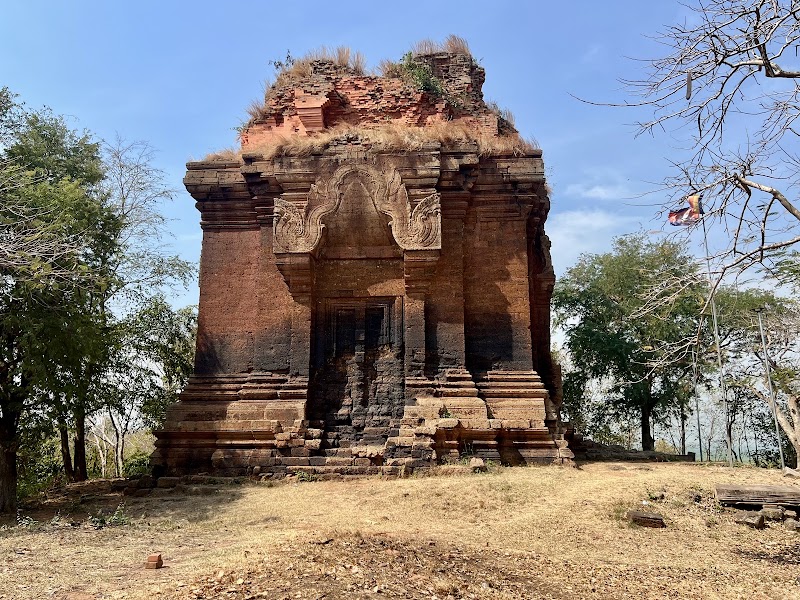
Cambodia · Angkor Borei
Phnom Da Temple: Hilltop History in Angkor Borei
An atmospheric hilltop temple where a short stair climb leads to ancient Khmer architecture, broad landscapes and a notably quiet setting.
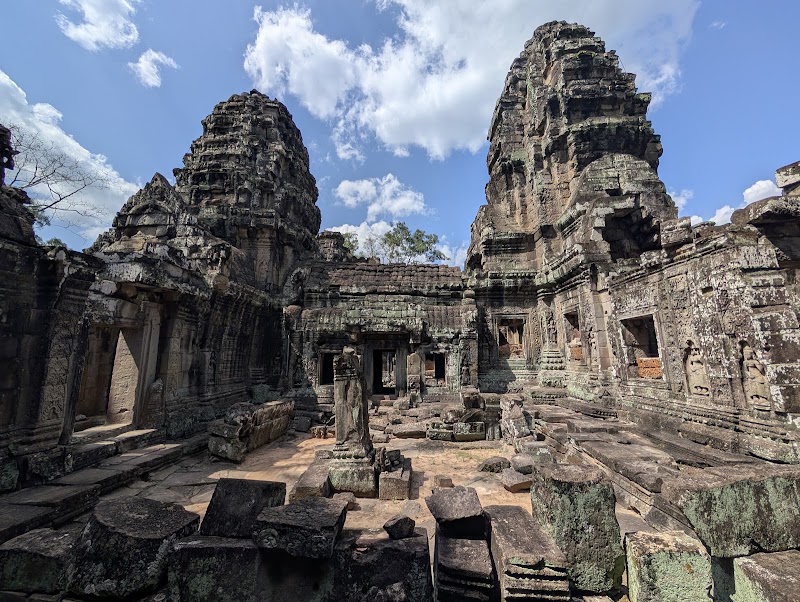
Cambodia · Krong Siem Reap
Banteay Kdei offers a calmer walk through Angkor’s ruins
Long corridors, apsara carvings and tree-framed stonework make this an appealing, easily accessed stop opposite Srah Srang.
Cambodia
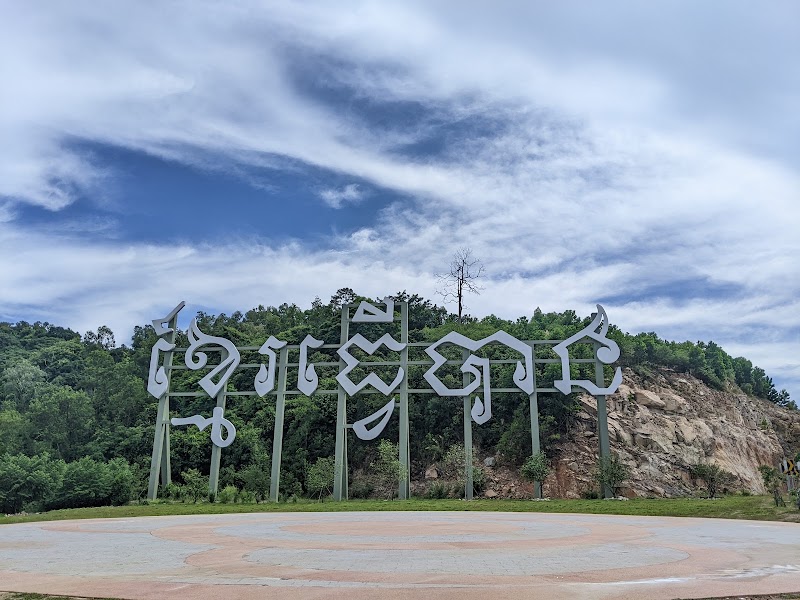
Cambodian Can Do It: A Scenic Sihanoukville Viewpoint
Public reviews highlight a photogenic hilltop panorama where the sea, mountains and Sihanoukville surroundings come together.
Cambodia · Krong Siem Reap
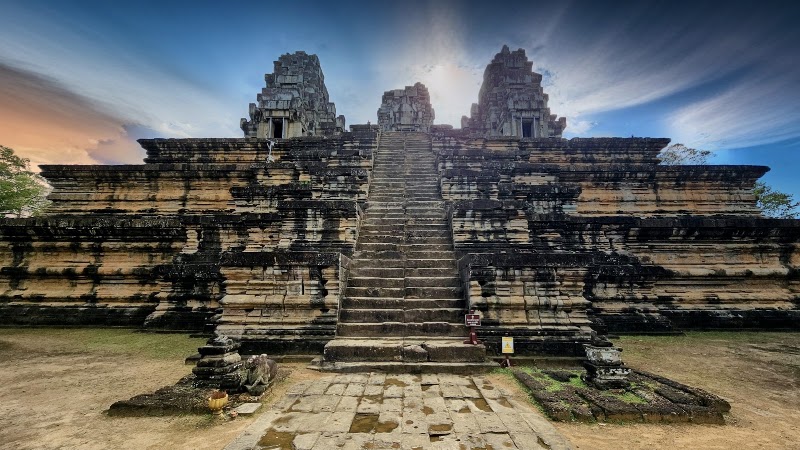
Ta Keo Temple: A Steep Sandstone Pyramid at Angkor
Ta Keo rewards a short stop with imposing tiered architecture, an unfinished character and broad views after a demanding climb.