Ta Keo Temple: A Steep Sandstone Pyramid at Angkor
Ta Keo rewards a short stop with imposing tiered architecture, an unfinished character and broad views after a demanding climb.
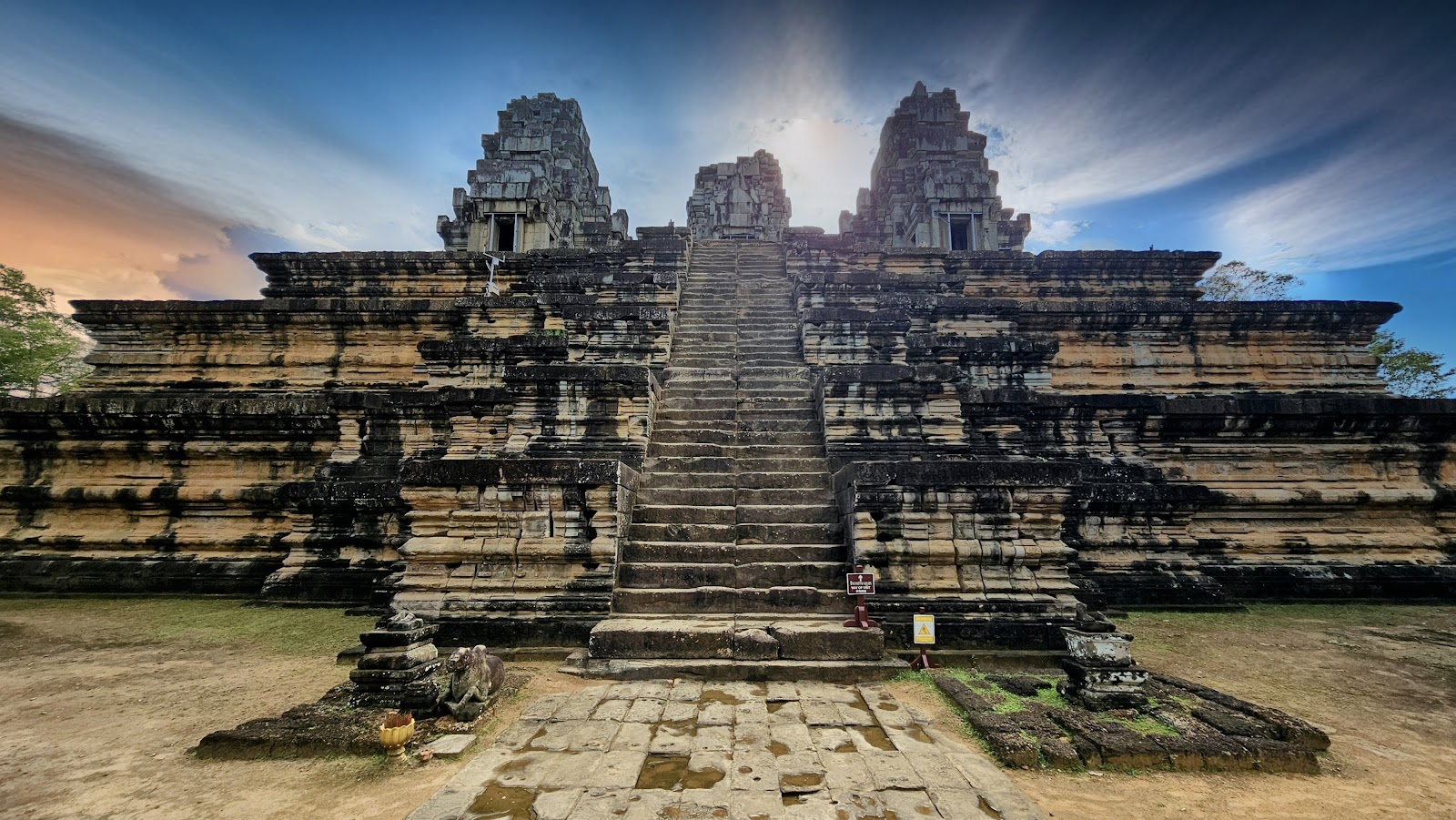
More photos
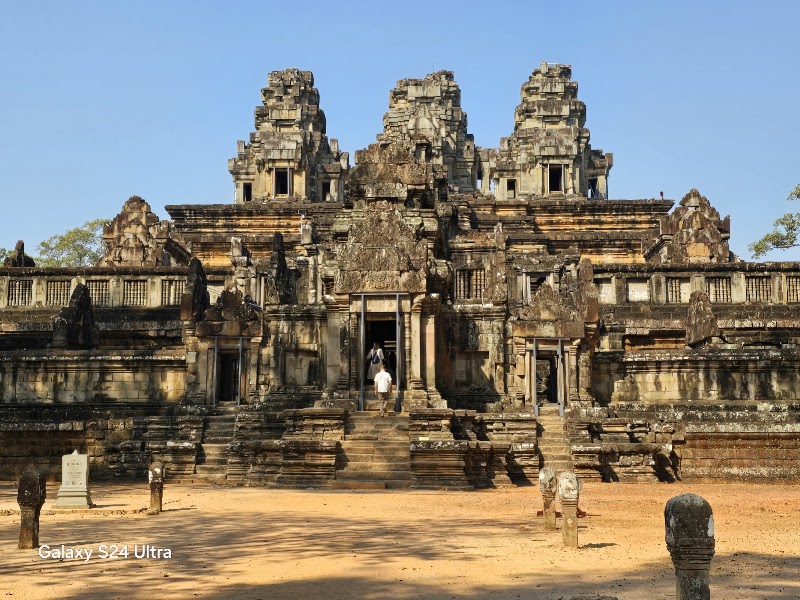
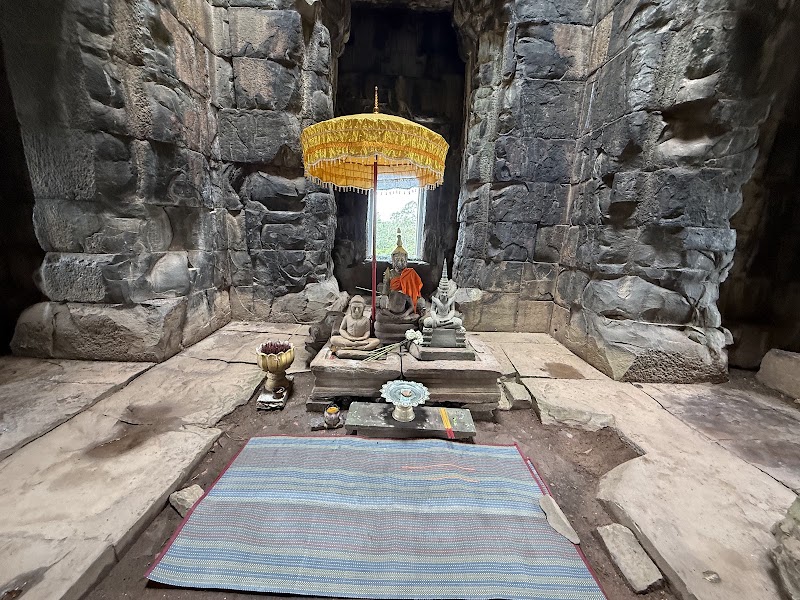
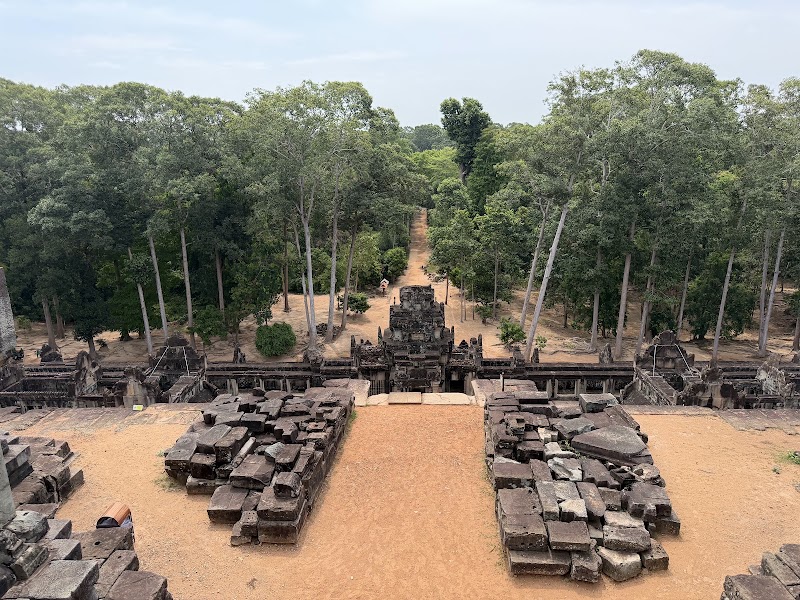

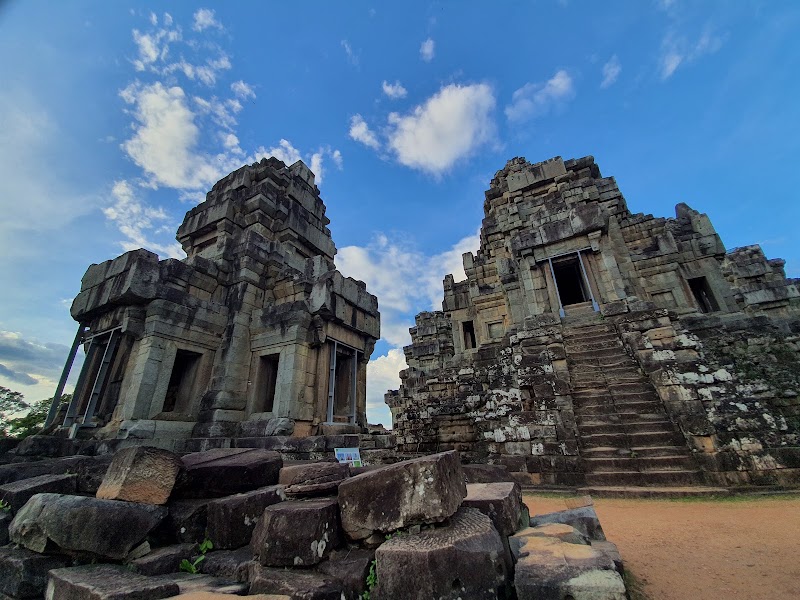
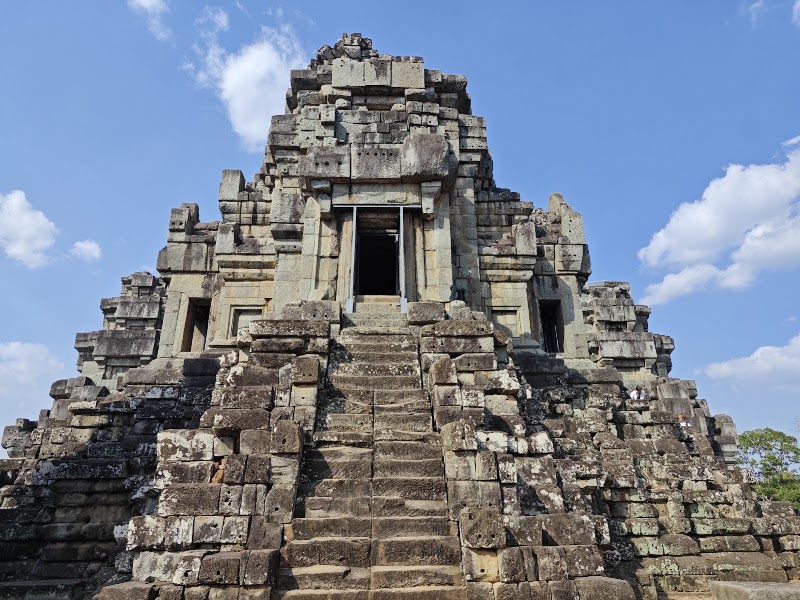
Photos published by travelers on Google, not AI generated.
What stands out
- Five-tier sandstone pyramid
- Views over dense surrounding trees
- Unfinished architectural character
- Compact stop on the Angkor circuit
Worth knowing
- Very steep climb to the top
- May feel modest after Angkor Wat or Ta Prohm
- Loose sandstone blocks on the platform
Don't miss
What comes up most in public reviews
- Climb to the upper platform
- View from the top
- Five sanctuaries arranged in a quincunx
- Unfinished sandstone surfaces
- Ask a guide about Khmer construction techniques
Worth the trip?
What public reviews say
Ta Keo Temple has a Google rating of 4.7 from 1946 reviews. Across public feedback, it is usually treated as a worthwhile, fairly quick stop on the Angkor temple circuit, especially on the route between Bayon and Ta Prohm. It takes less time to see than Angkor Wat, but the height and stark sandstone give the temple a presence of its own.
Much depends on when travellers reach it. After Angkor Wat or Ta Prohm, some reviewers find Ta Keo underwhelming, since both offer more elaborate visual drama. Others prefer its architectural character and relative lack of decoration. Reviews tend to agree on one point: if the day’s route already passes nearby, it is worth stopping.
Architecture and historical interest
Reviews describe Ta Keo as a five-level temple mountain that rises about 22 metres. The first two levels support enclosing courtyards. Above them, the upper three levels form a substantial platform with five sanctuaries arranged in a quincunx. That severe, sharply tiered profile defines the site.
Ta Keo is also highlighted as an early major Angkor temple constructed entirely from sandstone. Its construction is associated with the late 10th century, during the reign of King Jayavarman V. The unfinished appearance matters here. Compared with many other Angkor monuments, decorative carving is limited, leaving the geometry exposed and giving visitors a clearer view of ancient Khmer building methods.
Loose sandstone blocks can still be seen on the upper platform. According to reviews, some remain there awaiting archaeological arrangement or restoration. Visitors drawn to construction, conservation and temple planning may spend more time examining the site than those mainly looking for intricate reliefs.
The climb and views
The climb dominates public reviews. The steps towards the summit are very steep, and the ascent can be demanding even though the temple itself is moderate in size. Reaching the upper levels brings views across the surrounding dense trees, along with a much closer look at the sanctuary platforms.
For many reviewers, the top is Ta Keo’s main payoff. The elevation gives a different perspective from flatter temple sites. As the upper tiers narrow, the pyramid’s scale also becomes easier to grasp. Sensible footwear helps, and careful pacing is advisable on the steps.
How it fits into an Angkor visit
Ta Keo generally works better within a broader Angkor itinerary than as a standalone destination. Reviews commonly place it after Bayon and before Ta Prohm, while some travellers visit during organised sunrise tours. The stop can be completed fairly quickly, adding architectural variety without taking over the day.
A knowledgeable guide can give the restrained monument more meaning, particularly by explaining the tiered design, unfinished surfaces and its place in Khmer sandstone construction. Travellers with limited mobility, or little interest in climbing, may get less from the visit. For everyone else, public reviews suggest that Ta Keo delivers monumental scale in a compact stop, with clear structural form and a memorable summit view.
Ask anything
Looking for somewhere else?
Keep exploring around Krong Siem Reap
More from Cambodia
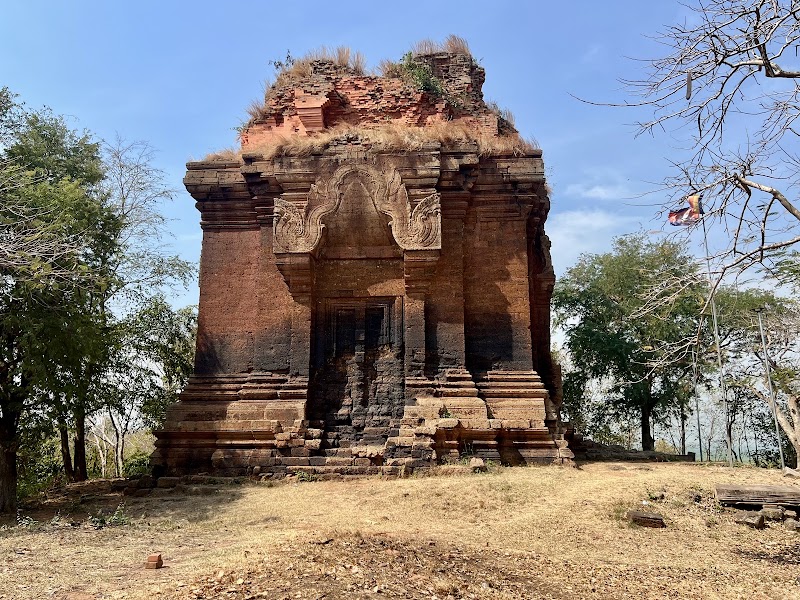
Cambodia · Angkor Borei
Phnom Da Temple: Hilltop History in Angkor Borei
An atmospheric hilltop temple where a short stair climb leads to ancient Khmer architecture, broad landscapes and a notably quiet setting.
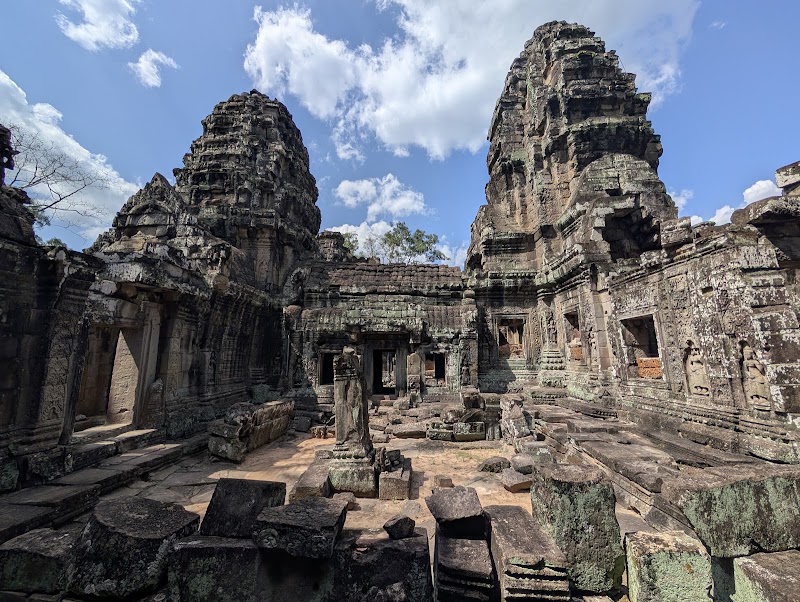
Cambodia · Krong Siem Reap
Banteay Kdei offers a calmer walk through Angkor’s ruins
Long corridors, apsara carvings and tree-framed stonework make this an appealing, easily accessed stop opposite Srah Srang.
Cambodia
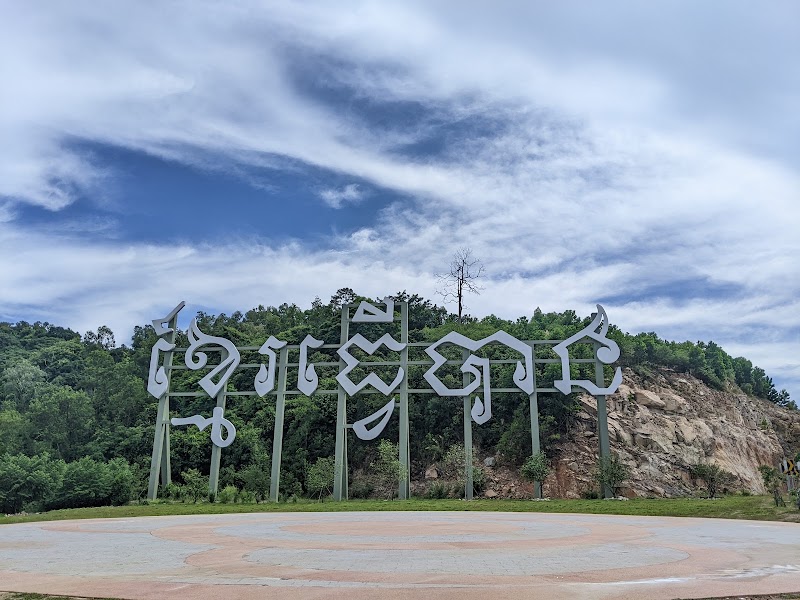
Cambodian Can Do It: A Scenic Sihanoukville Viewpoint
Public reviews highlight a photogenic hilltop panorama where the sea, mountains and Sihanoukville surroundings come together.
Cambodia · រាជធានីភ្នំពេញ
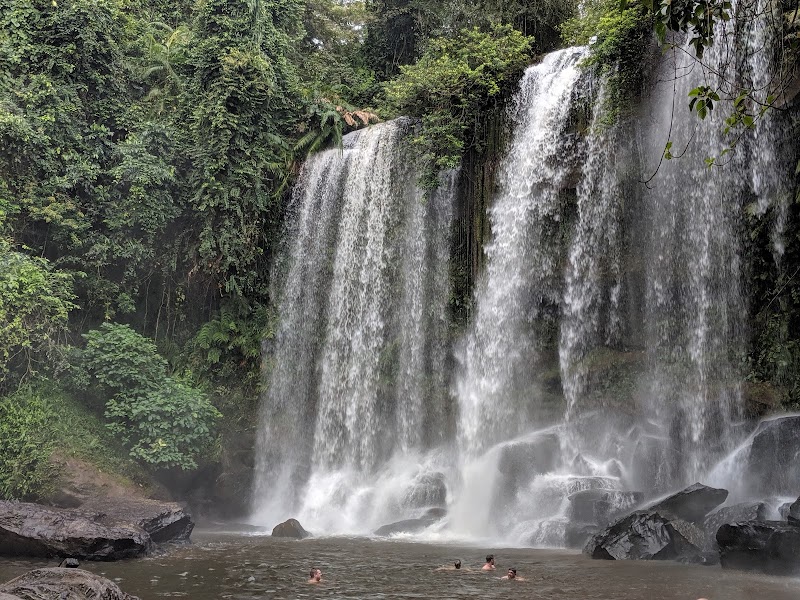
Phnom Kulen National Park: Waterfalls and Sacred History
Traveller reviews praise Phnom Kulen for its waterfalls, forest scenery and sacred sites linked to the origins of the Khmer Empire.