Ta Dzong: Bhutanese history above the Paro Valley
Paro’s former watchtower combines Bhutanese art and historical collections with broad views over the valley and Rinpung Dzong.
More photos
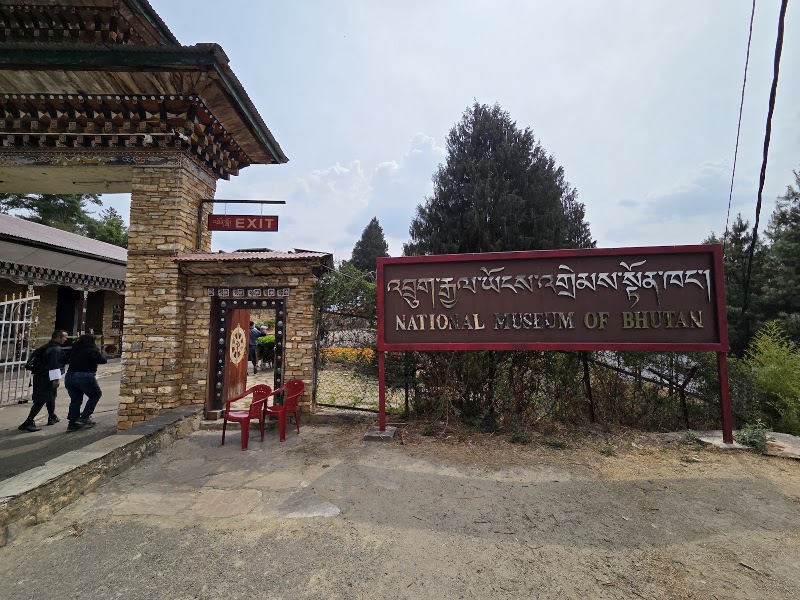

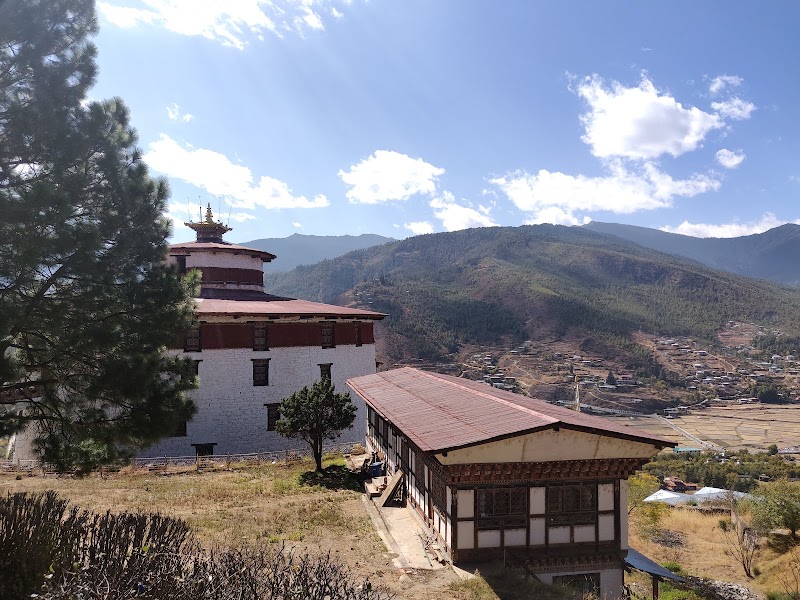
Photos published by travelers on Google, not AI generated.
What stands out
- Historic cylindrical watchtower
- Bhutanese art and religious objects
- Textiles, weapons and historical relics
- Views across Paro Valley
- Outlook towards Rinpung Dzong
Worth knowing
- Climbing between multiple floors
- Narrow passages and low ceilings
- Some dimly lit interior areas
Don't miss
What comes up most in public reviews
- Bhutanese textile displays
- Religious and historical artefacts
- Views of Rinpung Dzong
- A walk around the museum yard
- Paro Valley panorama
Worth the trip?
Why Ta Dzong stands out
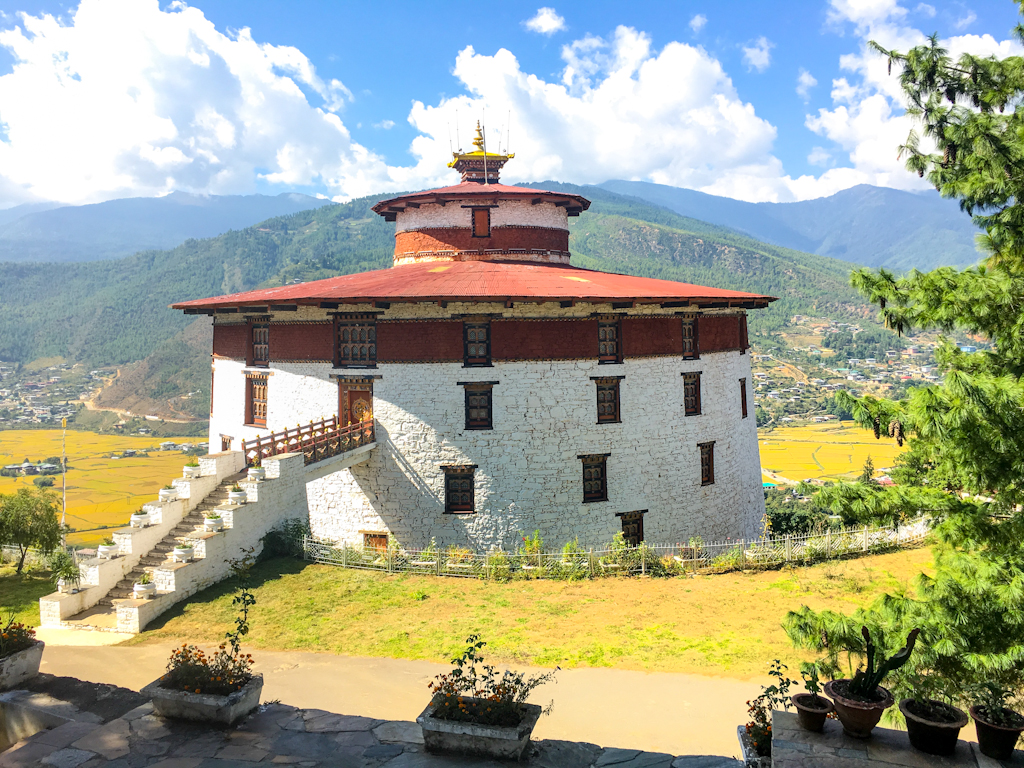
Ta Dzong is hard to mistake for another building in Paro. The cylindrical structure was built as a watchtower in the 17th century, when its purpose was to defend neighbouring Rinpung Dzong. Today, it houses Bhutan’s National Museum. Its rounded shape looks quite different from the familiar profile of a traditional dzong, and from its elevated position, the visual link to the fortress below remains clear.
Public ratings and reviews are strongly positive. Ta Dzong has a Google rating of 4.3 from 1787 reviews, with travellers often responding to the architecture, cultural context and scenery as much as the museum collection. Several reviewers regard it as a useful introduction to Bhutan’s history, artistic traditions and spiritual heritage.
Inside the National Museum
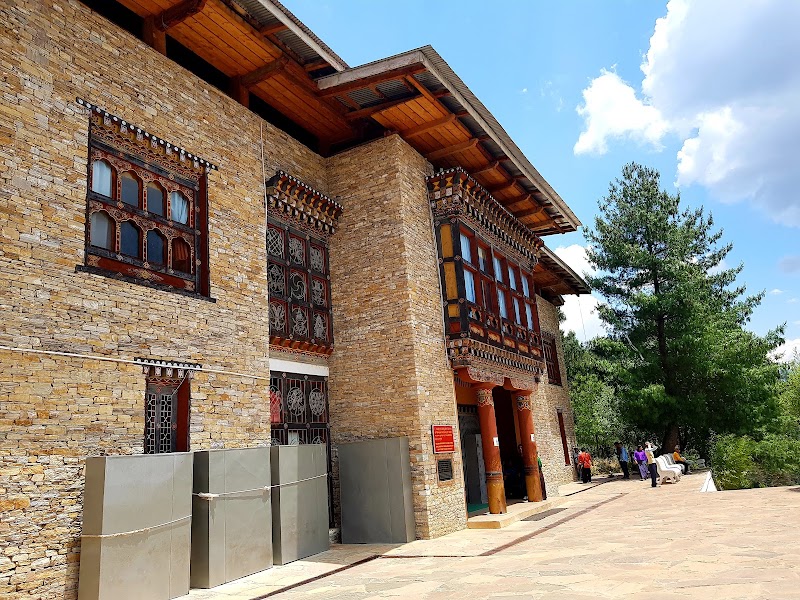
Displays are spread over multiple floors and take in a wide range of subjects. Public reviews frequently mention Bhutanese art and religious objects, along with archaeological and historical relics, weapons, textiles and traditional craftsmanship. Sections on Bhutan’s kings and royal life give the exhibits a place within the broader national story.
The circular building has a direct effect on how the museum is experienced. Exhibits occupy different levels, sometimes tucked into small nooks that follow the old defensive tower’s form. It is atmospheric, though not always like a conventional modern museum. Reviewers note narrow pathways in some sections, as well as low ceilings and subdued lighting.
Visitors with a strong interest in Bhutanese culture should find enough material to slow down and examine individual sections. There is no need to hurry. The range can be particularly helpful near the start of a Bhutan itinerary, when some background on religious imagery, textiles and historical objects may add meaning to later visits to dzongs and temples.
Views and grounds
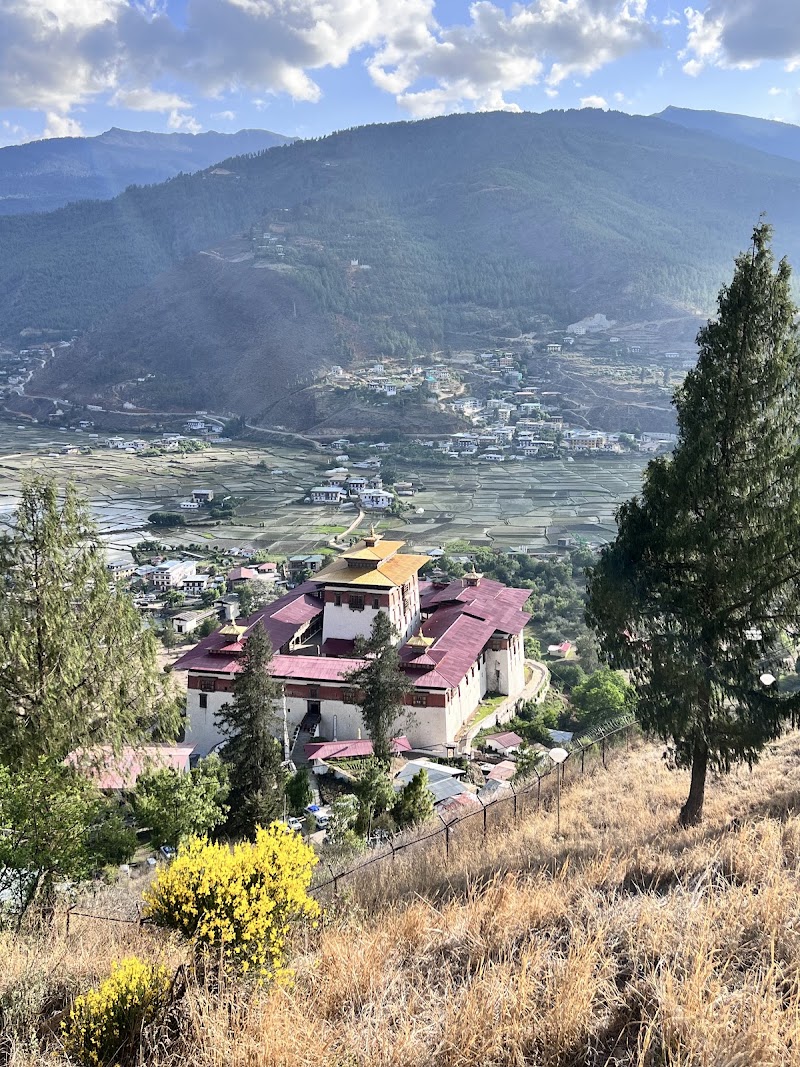
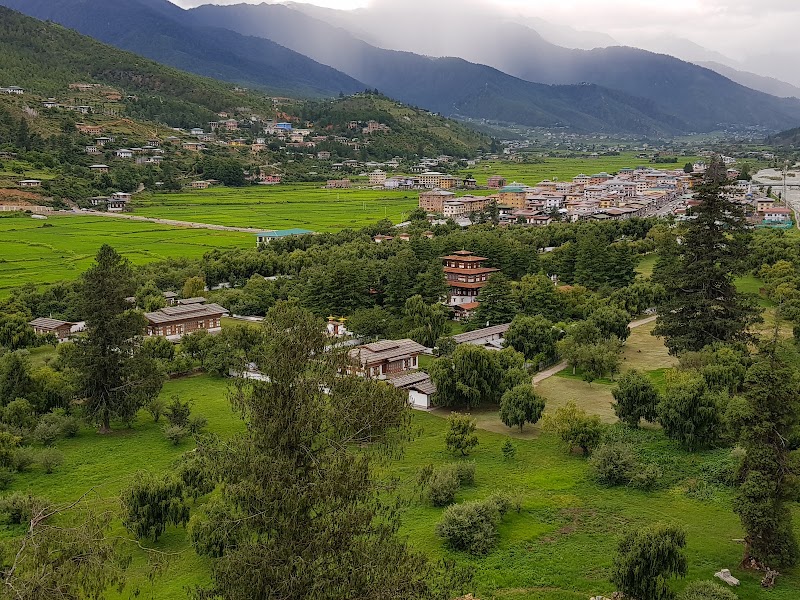
The hilltop setting accounts for a good part of Ta Dzong’s appeal. Reviews point to sweeping views across Paro Valley and down towards Rinpung Dzong, while some visitors also mention views in the direction of Paro Airport. Outside, there is space to stop after touring the museum. Reviewers recommend walking around the yard or sitting for a while on one of the benches.
Ta Dzong and Rinpung Dzong also work well as a paired historical visit. The former watchtower is first understood as a defensive structure, then as a museum offering context for the culture seen in the valley’s religious and civic architecture.
Practical verdict
Physical access inside the tower is the main issue to consider. The collections occupy several floors, and reviews make clear that seeing them requires climbing. Narrow passages, low ceiling heights and darker areas could also prove uncomfortable for visitors with limited mobility, or for anyone who prefers open, spacious galleries.
For culturally curious travellers, the building and the breadth of its collection are likely to outweigh those constraints. Ta Dzong is best approached as a half-day cultural stop, leaving enough time for the displays and architecture, followed by an unhurried look across Paro Valley.
Ask anything
Looking for somewhere else?
Keep exploring around Paro
More from Bhutan

Bhutan · ཐིམ་ཕུུུུ
Ludrong Memorial Garden: A Calm Green Break in Thimphu
Riverside paths, lawns, ponds and Dzong views make this well-liked garden a restorative break from central Thimphu.
Bhutan · Dochula
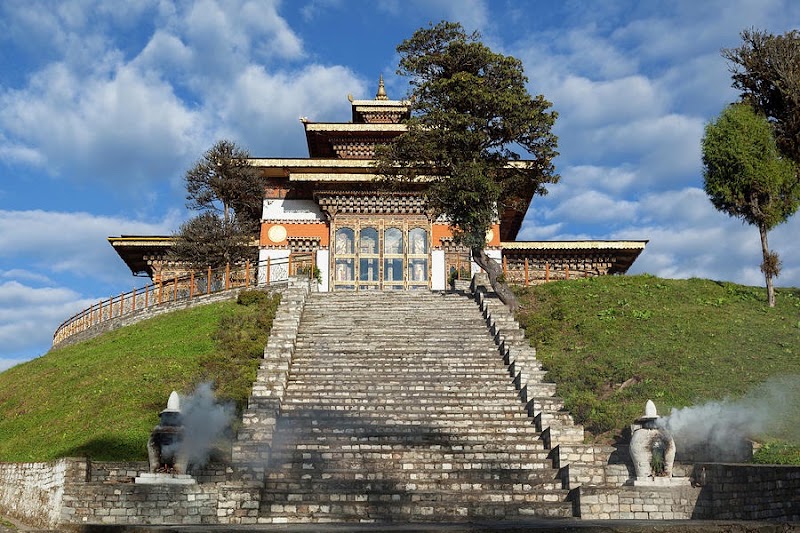
Druk Wangyal Lhakhang: Sacred Art at Dochula Pass
Facing Dochula’s 108 stupas, this serene Buddhist temple pairs richly painted interiors with expansive mountain-pass scenery.
Bhutan · Trongsa
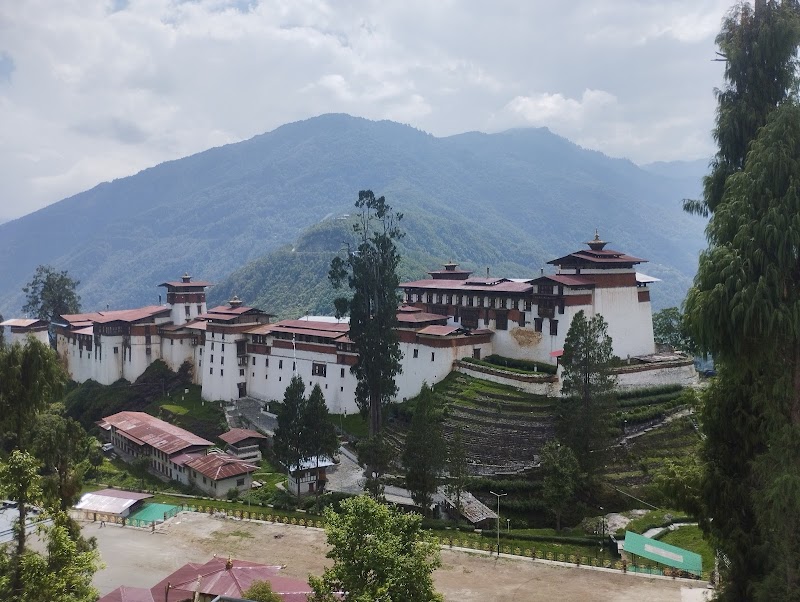
Trongsa Dzong: Bhutan’s Dramatic Ridge-Top Fortress
Public reviews praise this vast fortress complex for its intricate interiors, spiritual atmosphere and commanding views across the Trongsa valleys.
Bhutan · Jakar
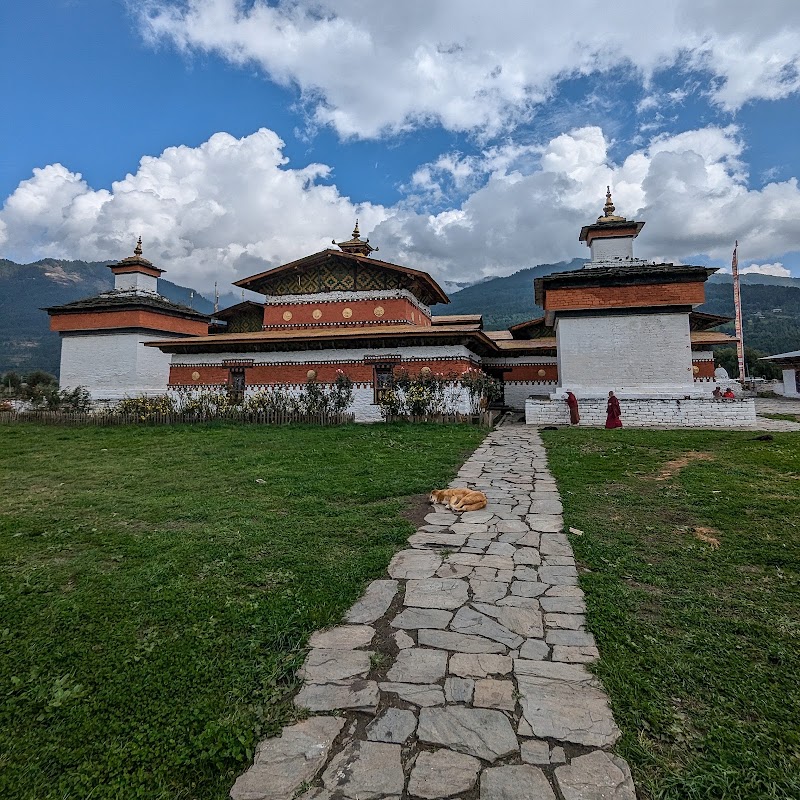
Jambay Lhakhang: ancient spirituality in Bumthang
This compact, active temple near Jakar combines deep religious significance with a quiet valley setting and centuries of Bhutanese history.