Széchenyi Chain Bridge: Budapest’s Enduring Danube Landmark
Budapest’s first permanent Danube bridge remains a rewarding walk for landmark views, stone lions and illuminated evening scenes.

More photos
Photos published by travelers on Google, not AI generated.
What stands out
- Nineteenth-century engineering
- Stone lions at the bridge entrances
- Views towards Parliament
- Views of Buda Castle and Castle Hill
- Illuminated night scenes
Don't miss
What comes up most in public reviews
- Walk across the bridge
- See the stone lions up close
- Look towards Parliament
- Look towards Buda Castle
- See the Buda-side tunnel
Worth the trip?
Why it stands out
Széchenyi Chain Bridge is one of Budapest’s defining sights, linking the Buda and Pest sides of the city across the Danube. Public reviews give it a 4.7 rating from 65,309 reviews, with the bridge’s history, engineering and setting driving much of the praise.
Opened in 1849, it was the first permanent bridge connecting Buda and Pest. That detail gives the structure significance beyond its familiar postcard image. Reviewers repeatedly describe it as an elegant nineteenth-century landmark, with sweeping iron chains, substantial stonework and lions positioned at the bridge entrances.
It is also a practical sightseeing stop. A walk across the bridge places major Budapest views directly in front of visitors, with Parliament visible along the river and Buda Castle rising across the water.
What the reviews highlight
The stone lions are the most frequently mentioned detail. Reviewers find them impressive and photogenic, particularly when seen up close at either end of the crossing. The bridge’s chains and architectural lines provide the other strong visual focus, giving even a short visit plenty to look at.
The setting does much of the work. Views towards Parliament are repeatedly singled out, as are the outlooks towards Castle Hill and the opposite riverbank. The bridge also appears to photograph well alongside the surrounding landmarks, making it a natural stop for visitors building a first impression of Budapest.
Several reviews recommend seeing it after dark. Illumination gives the structure a different character, while river cruise passengers describe the night view as especially striking. A daytime crossing is better for examining the stone details and taking in the cityscape clearly. Both visits are brief but worthwhile.
How to experience it
The simplest plan is to walk across the bridge and pause near the lions for photographs. Visitors can look along the Danube towards Parliament, then turn towards Buda Castle and Castle Hill. The crossing works well as part of a wider walk through central Budapest because it connects two major areas rather than standing apart from them.
The Buda-side tunnel is another detail worth including. One public review specifically calls it impressive, and it extends the architectural interest beyond the bridge itself. After crossing, visitors can continue towards Castle Hill for a change of scene.
An evening visit adds the illuminated view, while a river cruise offers a wider perspective of the bridge and its surroundings. The reviews support seeing it in daylight or after dark, so the best choice depends on whether the priority is close-up structure or atmosphere.
Verdict
Széchenyi Chain Bridge suits first-time visitors, photographers and anyone interested in Budapest’s major landmarks. It requires little time, costs no stated admission in the supplied information and fits naturally into a city walk. Its appeal is not based on one feature alone. The history, lions, river views and night lighting all reinforce its status as a central Budapest sight.
The public response is unusually consistent: this is a memorable bridge, not merely a route across the Danube. A daytime walk followed by a look at the illuminated structure later makes the most of the visit.
Plan the rest of the trip
Ask anything
Looking for somewhere else?
Keep exploring around Budapest
More from Hungary
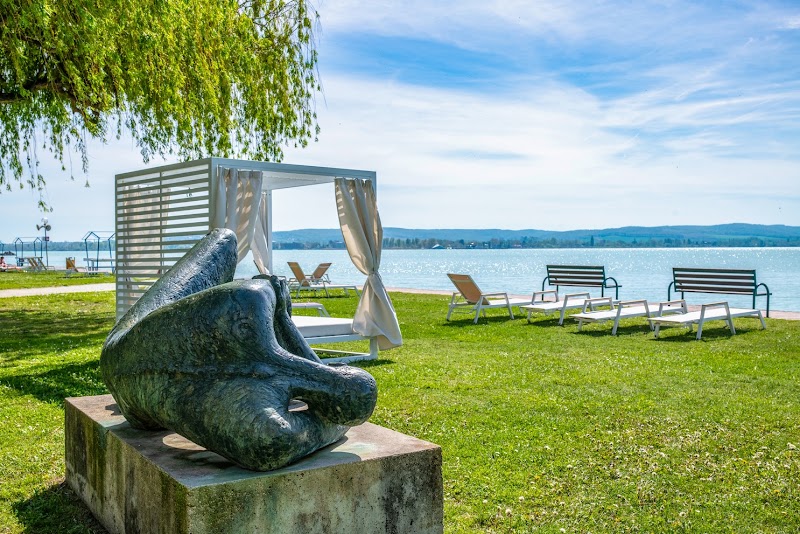
Hungary · Tihany
Club Tihany: Lakeside Views, Mixed Resort Reviews
Club Tihany’s exceptional position beside Lake Balaton is its clearest strength, while accommodation upkeep, dining and service receive more uneven feedback.
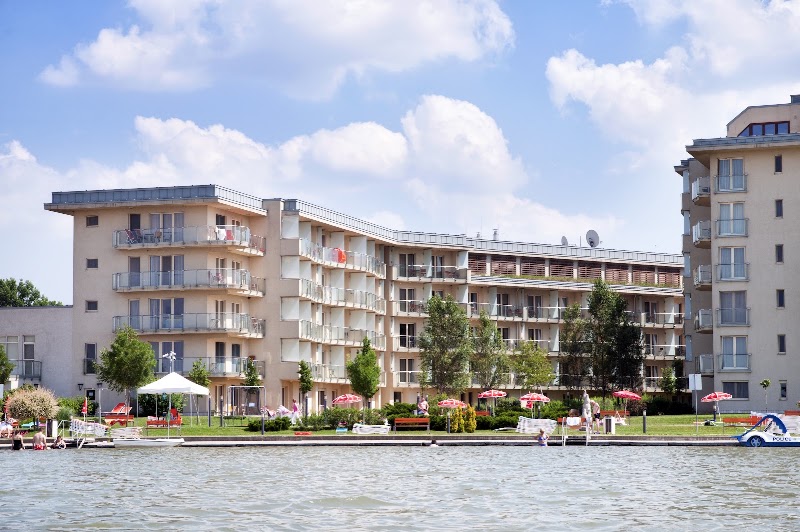
Hungary · Velence
Velence Resort & Spa suits families who value activities
Public reviews point to a child-focused spa stay with strong facilities, but upkeep and cleanliness can be inconsistent.
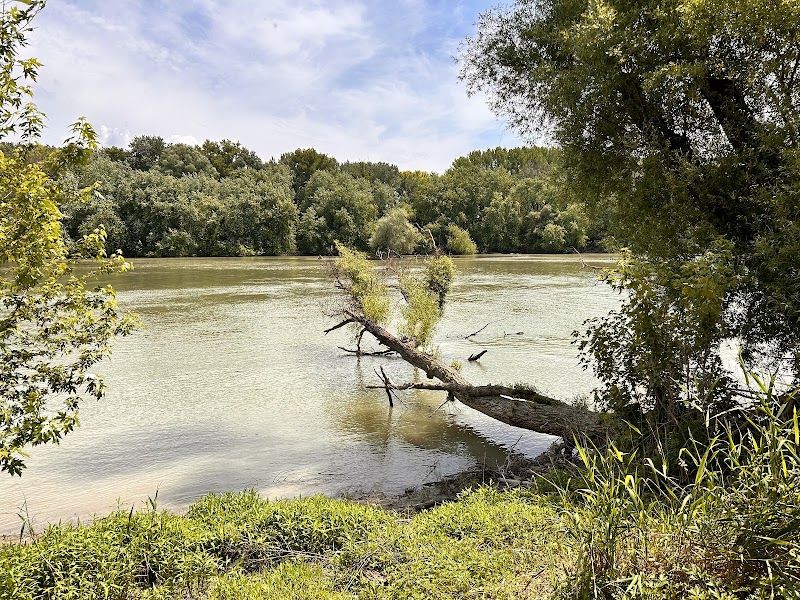
Hungary · Lupasziget
Lupa Island: A Quiet Danube Escape Near Budapest
Lupa Island is a small, low-key Danube retreat for swimming, picnics and boat trips, with little infrastructure and a distinctly local feel.
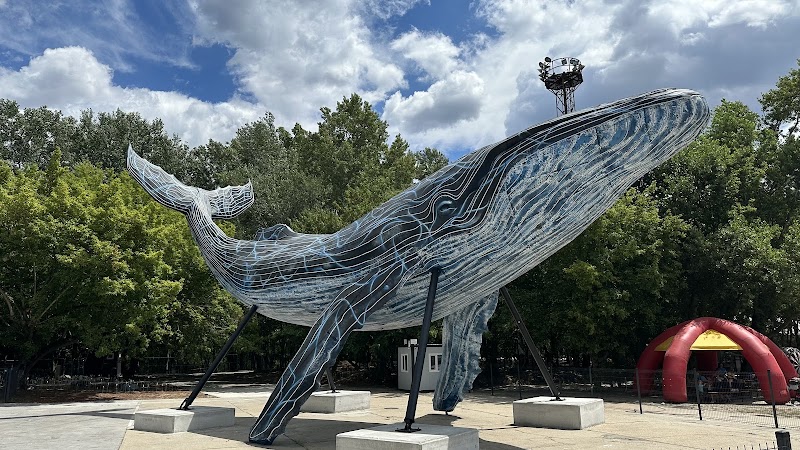
Hungary · Budapest
Óbuda Island: Budapest’s Spacious Green Escape
Óbuda Island offers open parkland, quiet paths and sunset views, with its atmosphere changing sharply during the annual Sziget festival.