Surakhani Fire Temple: A Compact Window Into Fire Worship
Public reviews recommend this compact Baku attraction for its central fire altar, religious connections and unusual natural-gas history.
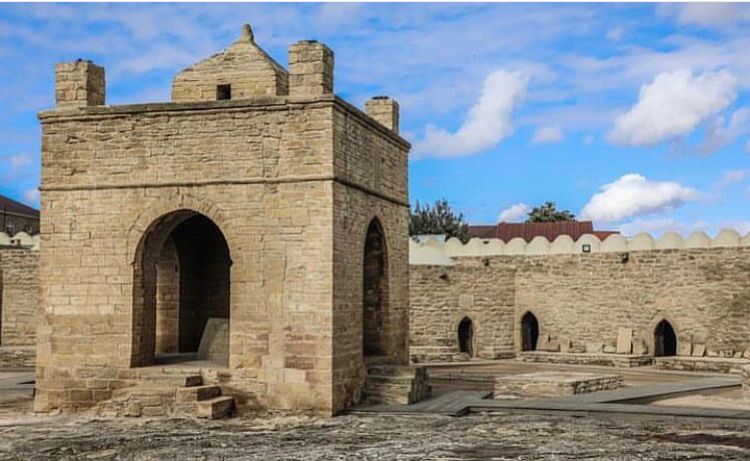
More photos
Photos published by travelers on Google, not AI generated.
What stands out
- Pentagonal temple complex
- Central fire altar and gas story
- Hindu, Sikh and Zoroastrian connections
- Sanskrit and Persian inscriptions
- Oil-field scenery on the approach
Worth knowing
- Small scale may disappoint some visitors
- At least one reviewer questioned the value
Don't miss
What comes up most in public reviews
- Central altar and flame
- Sanskrit and Persian inscriptions
- Ask a guide about the natural-gas outlet
- Ganesha shrine and recorded mantra
Worth the trip?
What the reviews suggest
Surakhani Fire Temple, widely referred to in reviews as Ateshgah or the “Fire Temple,” holds a 4.4 Google rating from 112 reviews. Public comments frame it as a compact historical stop rather than a sprawling museum. The strongest reactions come from travellers interested in the meeting point of natural gas, fire worship and the movement of Indian traders and devotees through the region. One visitor found the religious details genuinely surprising; another appreciated the relaxed atmosphere and the chance to spend an unhurried hour or two.
Why it stands out
The central story is the flame. Reviewers describe a pentagonal complex with an altar where natural gas once burned, while one account says the current fire is man-made even though the original gas outlet remains part of the site. That distinction is worth asking a guide to explain, as it shapes how visitors understand the place.
Religious crosscurrents add more substance. Reviews connect the complex with Zoroastrian, Hindu and Sikh traditions and attribute its 17th-century construction to Indian traders and worshippers of Shiva and Jwala Devi. Sanskrit and Persian inscriptions are also singled out. One visitor reports hearing a Ganesha mantra and seeing a Ganesha shrine inside, details that broaden the experience beyond a simple fire display.
How long to allow
The clearest practical pattern is that this works well as a short visit. A reviewer recommends an hour or two, enough time to look around the enclosure, inspect the small exhibits and pause at the central altar. The atmosphere was described as relaxed and not especially busy during that particular visit, though that should not be treated as a guarantee for every day.
The approach can be part of the interest. One review enjoyed driving past the oil fields, which gives the fire-and-gas narrative a broader industrial setting before arrival.
Limitations and verdict
Not all feedback is enthusiastic. One sharply negative comment questioned whether the attraction justified paying to visit, and the positive reviews themselves suggest a modest scale. Travellers expecting an extensive museum or a full-day sight may come away underwhelmed. The sample also includes a broad comment about a mountain and geological formation that does not clearly correspond to the temple, so it offers little reliable guidance for this listing.
Taken together, the rating and comments point to a worthwhile stop for visitors already exploring Baku’s fire heritage, especially those who value layered religious history and a concise museum visit. Its appeal rests less on spectacle than on context: the altar, gas story, inscriptions and Indian devotional links. A guide’s explanation may make the difference between a quick photo stop and a memorable historical visit.
Plan the rest of the trip
Ask anything
Looking for somewhere else?
Keep exploring around Baku
More from Azerbaijan
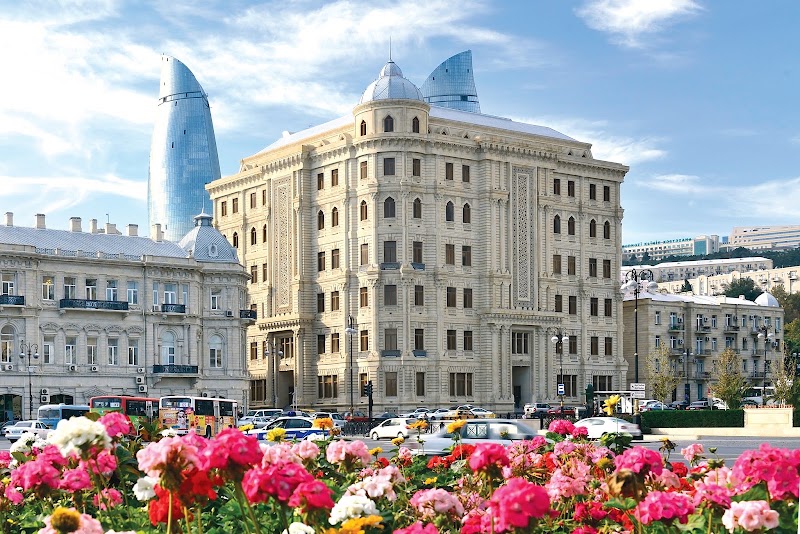
Azerbaijan · Baku
Azneft Square: Baku’s Scenic Waterfront Meeting Point
Azneft Square brings together Caspian Sea views, landscaped public space, photo spots and several nearby Baku attractions.
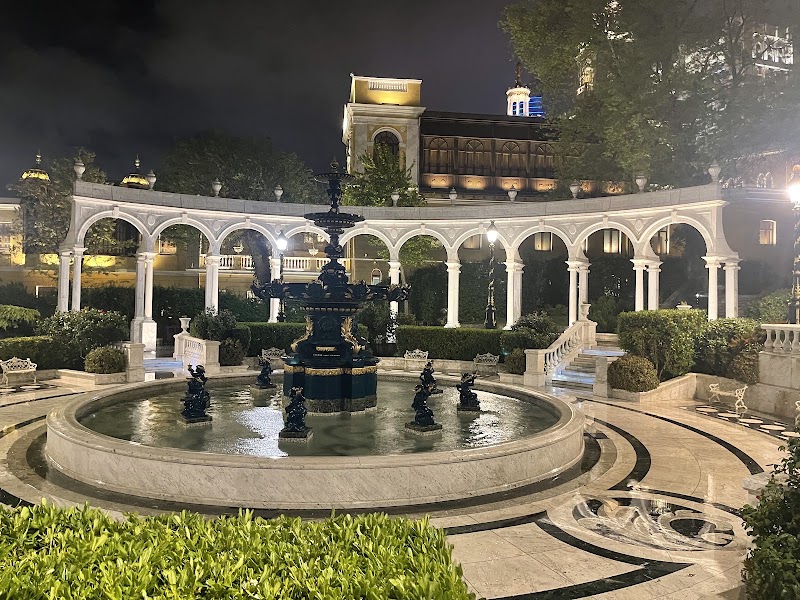
Azerbaijan · Baku
Philarmonia Garden: A Quiet Pause Beside Baku’s Old City
A polished green space near Baku’s Old City, valued in public reviews for its fountains, shaded paths, classical details and calm atmosphere.

Azerbaijan · Baku
Heydar Mosque: A Striking Landmark in Baku
Public reviews praise Heydar Mosque for its white modern architecture, peaceful interior and dramatic appearance after dark.

Azerbaijan · Bakı
I Love Baku Sign: A Quick Viewpoint Stop
This photogenic Baku landmark pairs a simple city sign with open park space and views toward the Flame Towers and the Caspian Sea.