Xemxija Hill Heritage Walk: Ancient Sites and Rough Trails
This rewarding heritage trail combines rock-cut remains, woodland and broad views, though damaged signage and uneven ground demand care.
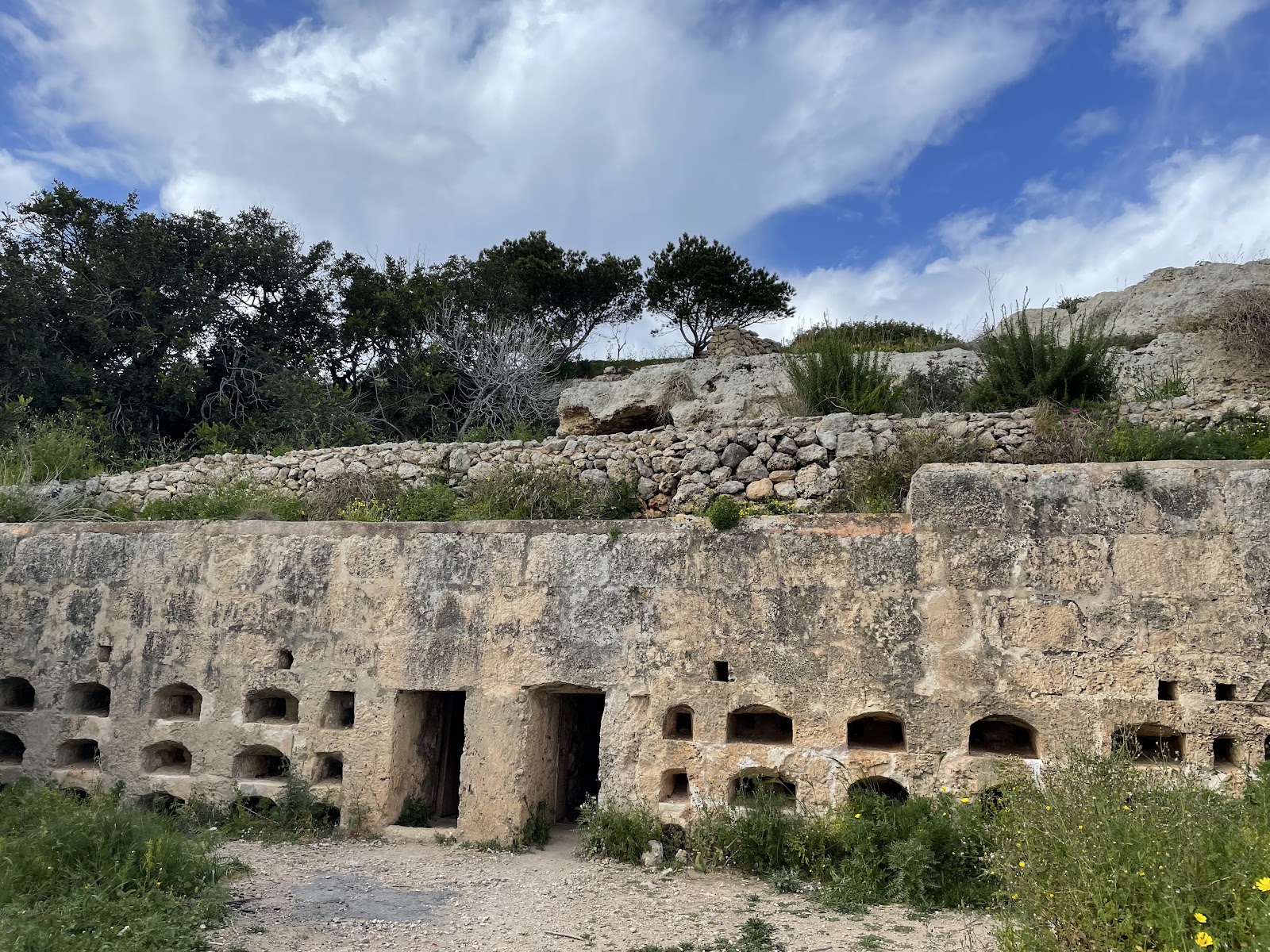
More photos
Photos published by travelers on Google, not AI generated.
What stands out
- Rock-cut apiaries and cave dwellings
- Prehistoric tombs and historic remains
- Woodland, wild flora and wildlife
- Valley and ridge views
Worth knowing
- Rocky and uneven ground
- Damaged or limited trail signage
- Wet sections may become impassable
Don't miss
What comes up most in public reviews
- Roman apiary
- Prehistoric tombs
- Cave dwellings
- Woodland trail
- Views from the higher ridge
Worth the trip?
What the reviews suggest
The Start of Xemxija Hill Heritage Walk marks the entrance to one of St. Paul’s Bay’s more intriguing historical rambles. With a Google rating of 4.6 from 784 reviews, it is consistently valued for combining archaeological remains, natural scenery and a sense of exploration.
Public reviews repeatedly mention cave dwellings, rock-cut apiaries, prehistoric tombs and other historic remains along the route. These features are not presented as a tightly managed museum experience. Instead, they appear gradually beside ancient-looking paths, rocky slopes and vegetation, making the walk feel more like an informal encounter with Malta’s layered past.
The starting point itself is easy enough to locate, according to one detailed account. Beyond it, the route crosses varied terrain towards a valley and ridge, with stretches of woodland, wild flora and open views. Reviewers who enjoy walking and history tend to describe the combination as fascinating and memorable.
Trail conditions and navigation
This is not a smooth promenade. Several comments highlight rocky, uneven ground, while one reviewer found the route increasingly narrow, rough and wet after crossing to the other side of the valley. In those conditions, part of the trail became impassable. Footwear with reliable grip is therefore a sensible choice, and visitors should be prepared to turn back rather than force a difficult section.
Navigation is another concern. Although the trail has signage at the start, a reviewer reported that existing English-language information was damaged and illegible, with no further trail signs noticed along the way. That makes the experience less straightforward for anyone expecting a clearly marked heritage circuit. A downloaded map or route reference could help, although conditions on the ground should remain the deciding factor.
The rough surface also means this walk is unlikely to suit travellers seeking step-free access or an easy, level stroll. Reviews describe it as manageable and beautiful, but they also make clear that the landscape demands attention underfoot.
History in a natural setting
The strongest appeal lies in the meeting of history and nature. Rock-cut features and tombs provide the archaeological interest, while woodland, trees, wild plants and wildlife give the route a quieter, less urban character. Reviewers also praise the views, especially where the trail climbs towards higher ground.
The Roman apiary is among the most frequently identified points of interest. Cave dwellings and prehistoric tombs add further variety, giving walkers several reasons to pause and examine the surroundings rather than treat the trail purely as a hike.
Editorial verdict
Based on public ratings and reviews, the Xemxija Hill Heritage Walk is best suited to active, history-minded visitors comfortable with imperfect wayfinding. Its archaeological remains, greenery and valley-to-ridge scenery make it a worthwhile contrast to more formal attractions around Malta.
The weak signage and potentially wet, narrowing sections prevent an unqualified recommendation. In dry, manageable conditions, however, it offers a compelling few hours of walking through a landscape where natural and historical features sit closely together.
Plan the rest of the trip
Ask anything
Looking for somewhere else?
Keep exploring around St. Paul's Bay
More from Malta
Malta · Valletta
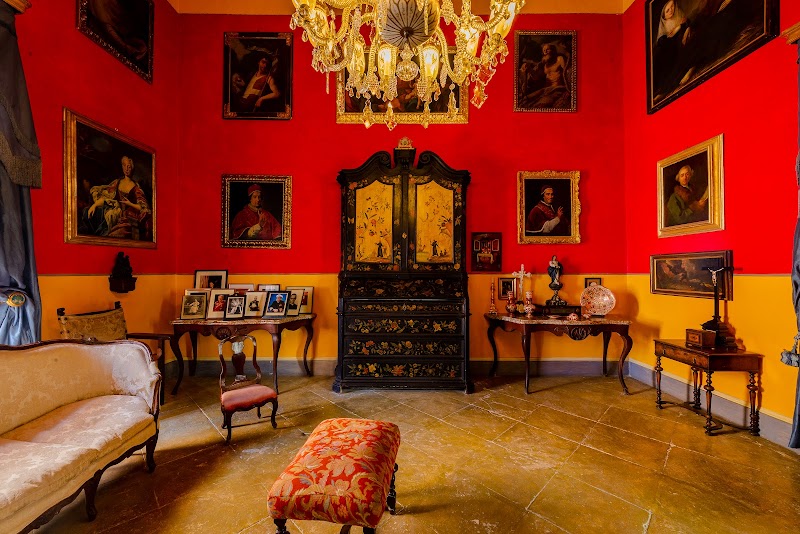
Casa Rocca Piccola: A Lived-In Window on Valletta’s Past
Public reviews highlight Casa Rocca Piccola’s intimate look at Maltese aristocratic life, historic interiors and wartime shelter.
Malta · Floriana
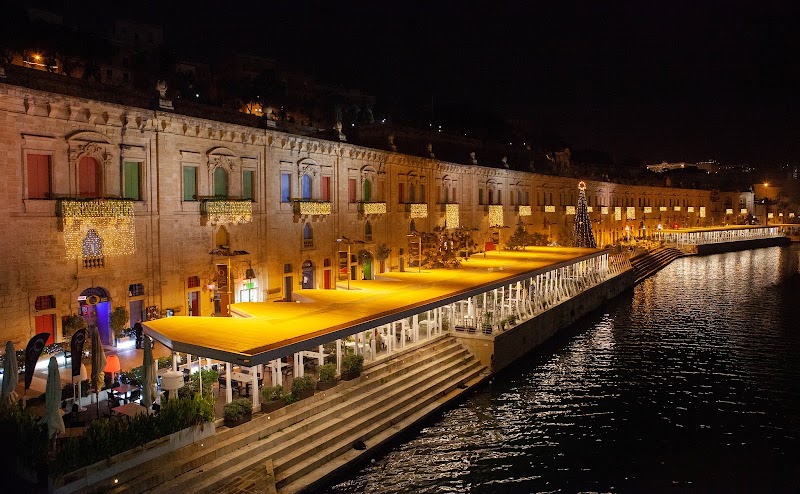
The Valletta Waterfront: A Calm Harbour Walk Near Valletta
The Valletta Waterfront pairs a peaceful harbour promenade with historic architecture, dining and easy access to Valletta’s sights.
Malta · Il-Mellieħa
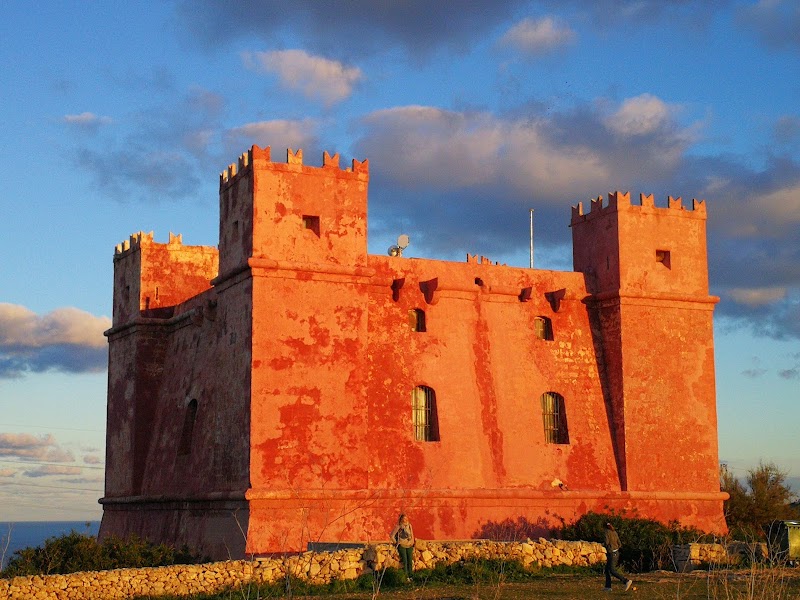
The Red Tower: Malta’s Landmark for Views and History
St. Agatha’s Tower draws visitors for its vivid red walls, restored character and broad views across northern Malta.

Malta · Mosta
Mosta Rotunda: Malta’s Dome and Wartime Story
Public reviews single out Mosta Rotunda for its immense dome, rooftop views, audio guide and extraordinary Second World War history.