St Paul’s Catacombs: an atmospheric journey underground
Rabat’s extensive burial chambers offer an immersive introduction to Malta’s ancient funerary customs, with plenty of passages to explore.

More photos

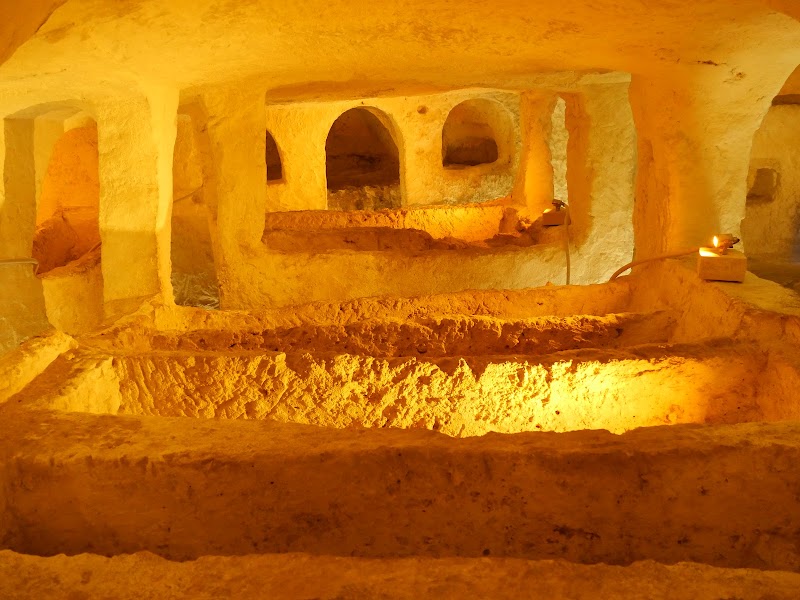

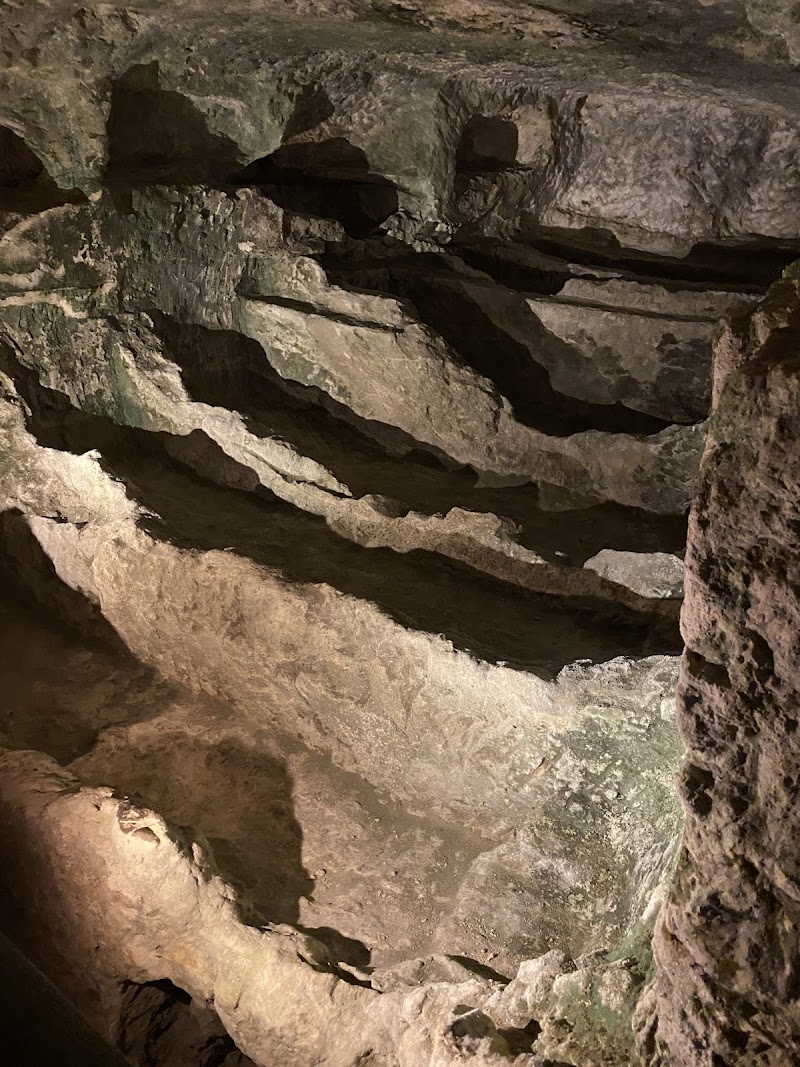
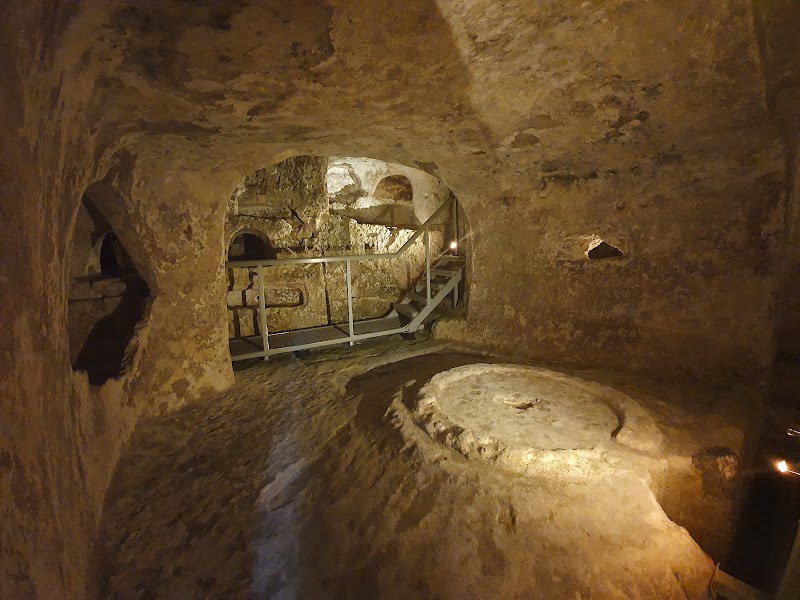
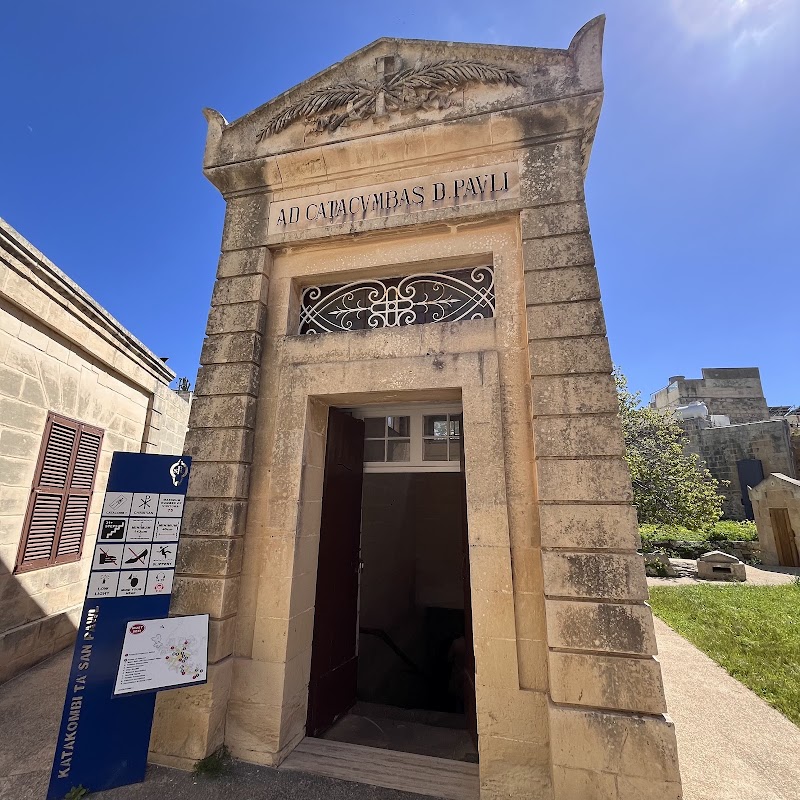
Photos published by travelers on Google, not AI generated.
What stands out
- Extensive underground passages
- Rock-cut tombs and burial chambers
- Explanations of tomb types and customs
- Atmospheric, immersive setting
- Cafe, toilets and small gift shop
Worth knowing
- Numerous stairs and confined spaces
- Underground temperatures can vary
- Combination ticket options may need checking
Don't miss
What comes up most in public reviews
- The different rock-cut tomb types
- The underground passages and chambers
- Interpretation of ancient burial customs
Worth the trip?
What the reviews suggest
St Paul’s Catacombs holds a Google rating of 4.3 from 12344 reviews, and the available public feedback consistently points to the scale and atmosphere of the underground complex. Travellers describe a broad network of tombs, chambers and connecting passages rather than a single compact crypt. That breadth gives the attraction its appeal, particularly for visitors interested in archaeology, burial practices and the succession of cultures that shaped Malta.
Reviewers often find the experience immersive, sometimes with an enjoyably eerie edge. Walking between rock-cut tombs makes the site’s history tangible, while explanations of different tomb forms and their uses help turn the chambers into more than a maze of empty spaces. Several comments emphasise how much they learned about ancient approaches to death and burial.
Exploring the catacombs
The site appears easy to explore in general, with the underground spaces described as well preserved. Even so, it is not a completely effortless visit. Public reviews mention numerous stairs, narrow sections and small chambers, so travellers with limited mobility or discomfort in confined spaces should consider those conditions before entering.
The amount of time required depends on curiosity and pace. One reviewer spent three hours working through the complex, while others focus more briefly on the principal tunnels and tombs. Half a day is a sensible allowance for visitors who want to read the interpretation and investigate multiple sections without rushing.
Temperature reports vary. One July visitor found the catacombs neither hot nor humid, while another warned that the underground areas could become very warm depending on the weather. Light clothing and water are sensible precautions during Malta’s hotter months, without assuming that the tunnels will always feel cool.
Who will enjoy it
History enthusiasts are the clearest audience, especially those drawn to archaeological sites and the practical details of past societies. Families may also find the network engaging. One review suggests children would enjoy the sense of exploration, although adults should keep the stairs, uneven underground setting and tighter spaces in mind.
The attraction is also a useful counterpoint to Rabat’s streets and churches. Its appeal comes from moving physically through Malta’s past rather than viewing objects only in display cases. Visitors who take time with the explanatory material are likely to gain the most from the experience.
Visitor facilities and planning
Reviews mention toilets, a cafe or refreshment point, and a small gift shop. Cool drinks were particularly welcome after exploring. Staff are described positively in the available feedback, contributing to an accessible museum experience despite the unusual subterranean setting.
One traveller advises asking about a combination ticket covering additional nearby catacomb attractions, having otherwise paid separately. As ticket arrangements can change, it is worth checking current options at the entrance rather than assuming one format is available. Overall, the public feedback presents St Paul’s Catacombs as a substantial, informative and atmospheric Rabat attraction, best approached with enough time to look beyond the first group of chambers.
Ask anything
Looking for somewhere else?
Keep exploring around Ir-Rabat
More from Malta
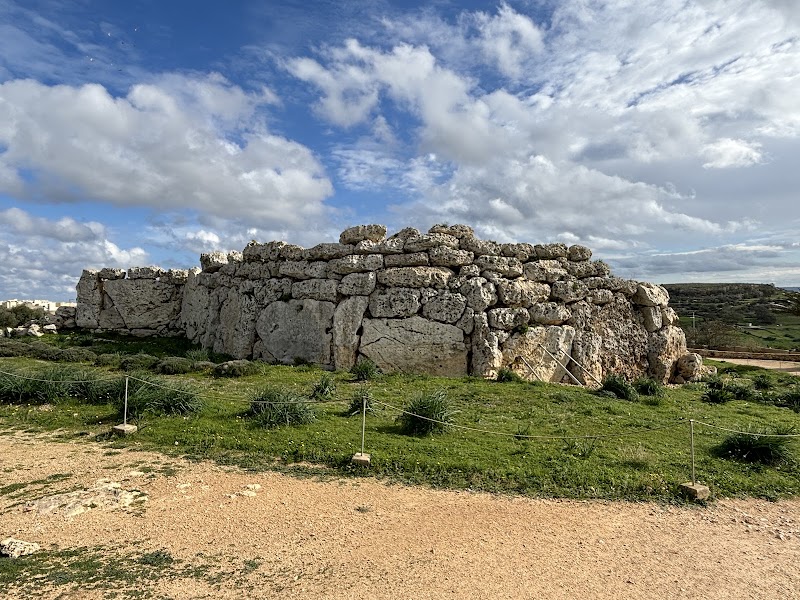
Malta · Xagħra
Ruiny Świątyni: Gozo’s monumental Ġgantija ruins
Massive prehistoric stonework and a clear visitor centre make this Xagħra landmark one of Gozo’s most compelling historical stops.
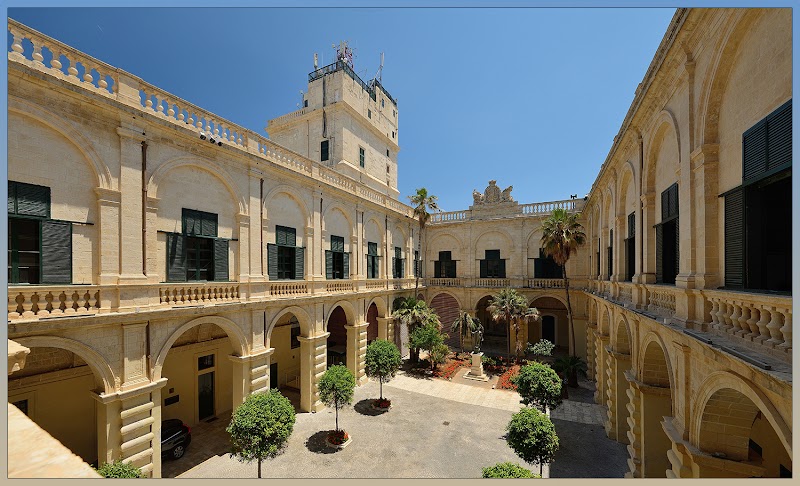
Malta · Il-Belt Valletta
Grand Master’s Palace: Valletta’s seat of power
Ornate state rooms, working presidential offices and an extensive armoury make this one of Valletta’s most rewarding historical landmarks.
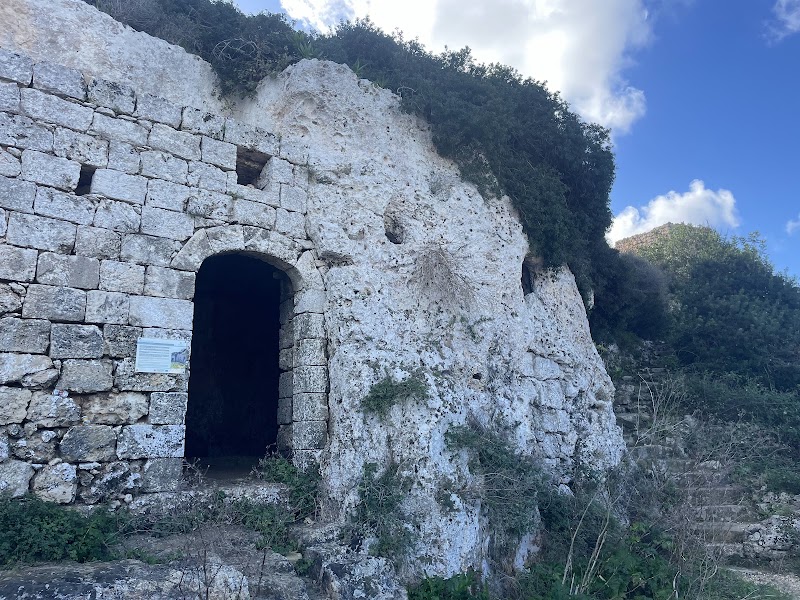
Malta · St. Paul's Bay
Roman Baths: Ancient Remains Beside Malta’s Cart Ruts
These remarkably intact baths reward careful-footed visitors with ancient structures, nearby cart ruts and an atmospheric approach.
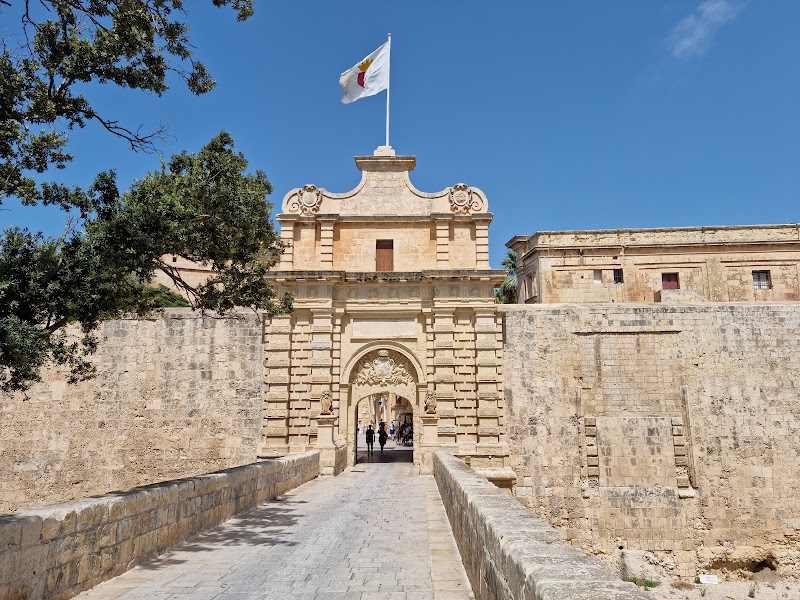
Malta · Mdina
Mdina Gate: A Grand Entrance to Malta’s Silent City
Mdina’s monumental gateway sets the scene for medieval streets, historic architecture and one of Malta’s most atmospheric walks.