St. John’s Co-Cathedral: Valletta’s Baroque Showpiece
An understated exterior opens onto gilded Baroque decoration, marble tombs and Caravaggio paintings, though heavy crowds can diminish the atmosphere.

More photos


Photos published by travelers on Google, not AI generated.
What stands out
- Ornate gilded Baroque interior
- Caravaggio paintings
- Marble tombs and memorial floor
- Strong exterior-to-interior contrast
- Well-preserved decorative detail
Worth knowing
- Heavy crowds and constant visitor flow
- Admission may feel expensive
- Busy atmosphere can feel unlike a church
Don't miss
What comes up most in public reviews
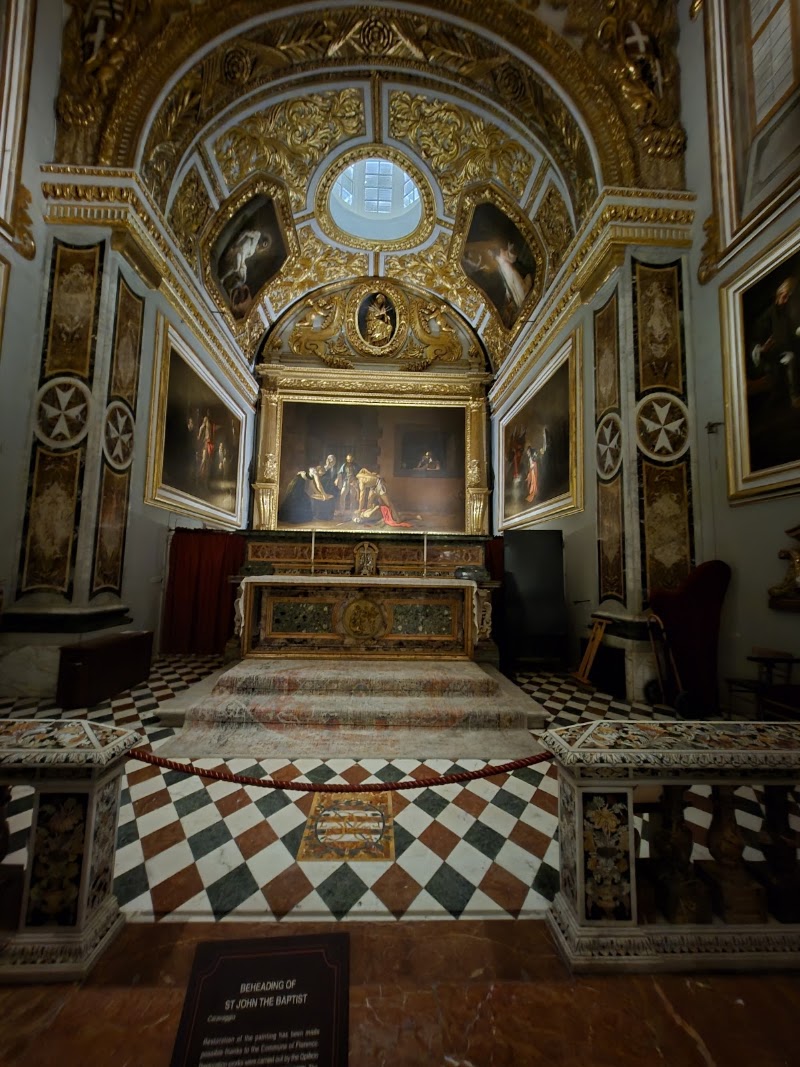
- See the Caravaggio paintings
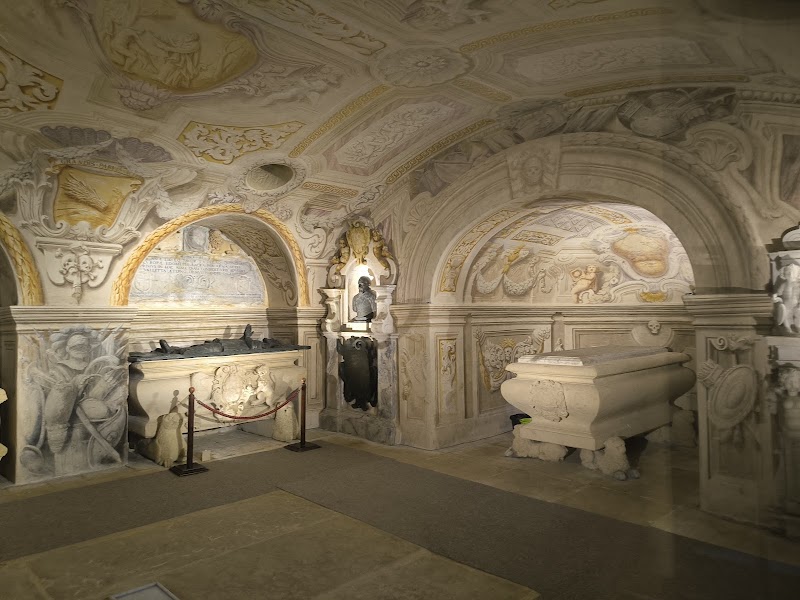
- Study the tombstones covering the floor
- Listen to the app guide
- Compare the restrained exterior with the interior
Worth the trip?
The verdict
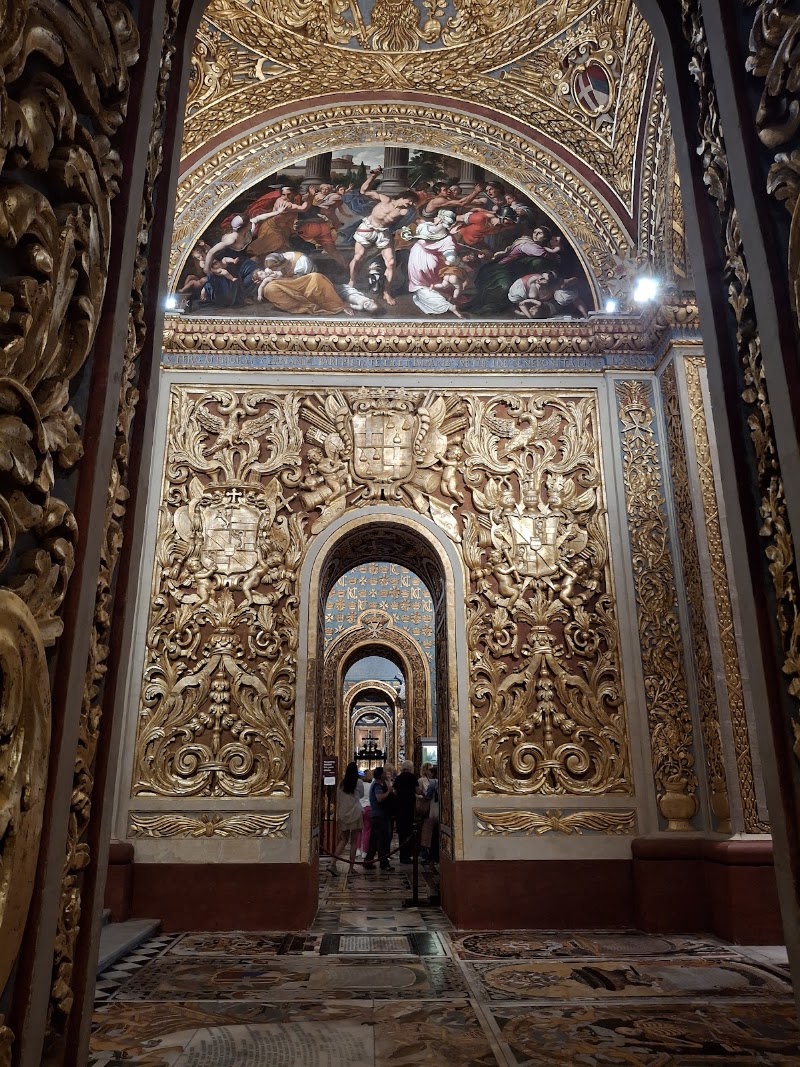
St. John’s Co-Cathedral earns a 4.8 Google rating from 26531 reviews, and the supplied feedback makes the source of that enthusiasm clear. Travellers repeatedly describe it as a highlight of Malta, praising the contrast between the restrained historic exterior and the astonishingly ornate interior.
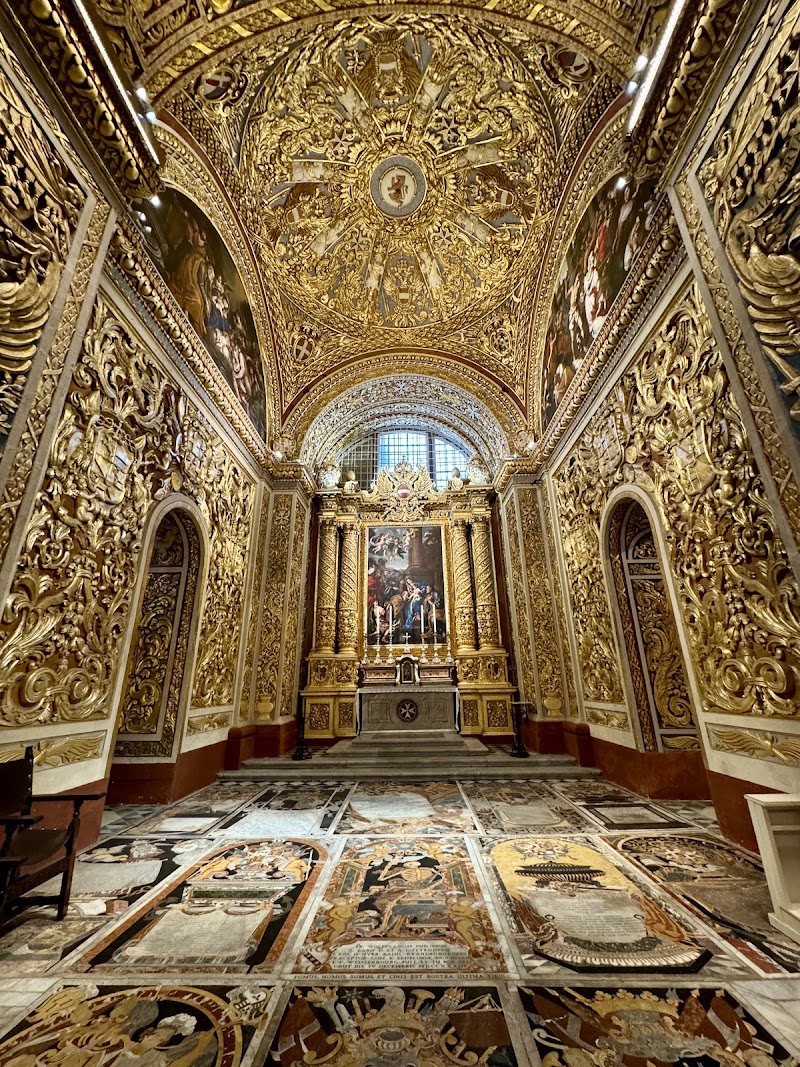
This is less a quick church stop than a concentrated encounter with Baroque art and decoration. Gold-covered surfaces, paintings, elaborate architectural details and marble memorials fill the interior. Reviewers often struggle to take everything in at once, with several noting that the building rewards close attention rather than a hurried circuit.
The cathedral is also presented in reviews as a place where history, art and spirituality meet. Yet its popularity creates tension. Some visitors find that the volume and movement of tour groups make it feel more like a major tourist attraction than a functioning place of worship.
Art and interior detail
The Caravaggio paintings are the clearest recurring highlight. Several reviewers say they visited primarily to see them, while others describe the works as the absolute high point of the experience. Even among the cathedral’s lavish surroundings, these paintings command attention.
The floor is another feature worth slowing down for. Reviews repeatedly point to its tombstones and marble tombs, which can be overlooked when attention is drawn upward to the gilded decoration and paintings. Together, the floor, walls and artworks create a visually dense interior with very little empty space.
Preservation also receives strong praise. Visitors describe the building as immaculate and exceptionally well maintained, which helps the intricate decorative work retain its impact. Those interested in religious architecture, painting or decorative arts are likely to find the cathedral especially rewarding.
Making sense of the visit
The app guide is singled out as useful and worth listening to. Given the amount of visual and historical material inside, it can provide structure to a visit that might otherwise become an unfocused sequence of ornate details. Visitors who come mainly for Caravaggio should still allow time to study the tomb-covered floor and broader Baroque interior.
The cathedral sits within UNESCO-listed Valletta, making it a natural anchor for a day focused on the capital’s historic core. Its interior delivers the strongest surprise: the exterior gives little indication of the scale of decoration waiting inside.
Crowds and value
Crowding is the main weakness running through the reviews. One visitor describes sharing the church with hundreds of others, while another found the constant flow of people dizzying. At busy moments, the noise and movement may undermine the reflective character expected of a church.
Value is more divisive. At least one reviewer considers admission too expensive and argues that access should be more inclusive. That concern does not outweigh the broad acclaim, but budget-conscious travellers may want to weigh the cost against a strong personal interest in Caravaggio, Baroque architecture or Maltese history.
Overall, the cathedral’s artistic importance and extraordinary interior make it one of Valletta’s most compelling attractions. The best experience will suit visitors prepared for crowds and willing to look beyond the initial golden spectacle to the paintings and memorial floor beneath it.
Ask anything
Looking for somewhere else?
Keep exploring around Il-Belt Valletta
More from Malta
Malta · Xagħra
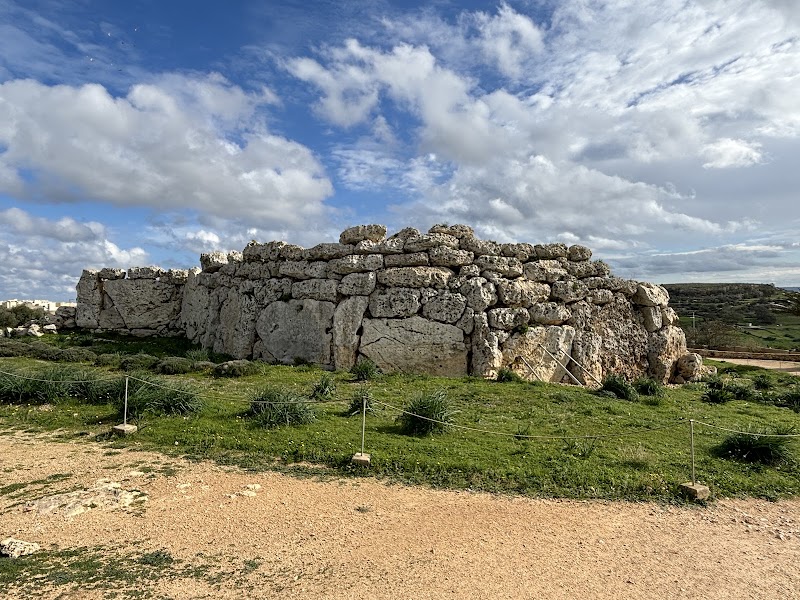
Ruiny Świątyni: Gozo’s monumental Ġgantija ruins
Massive prehistoric stonework and a clear visitor centre make this Xagħra landmark one of Gozo’s most compelling historical stops.
Malta · Il-Belt Valletta
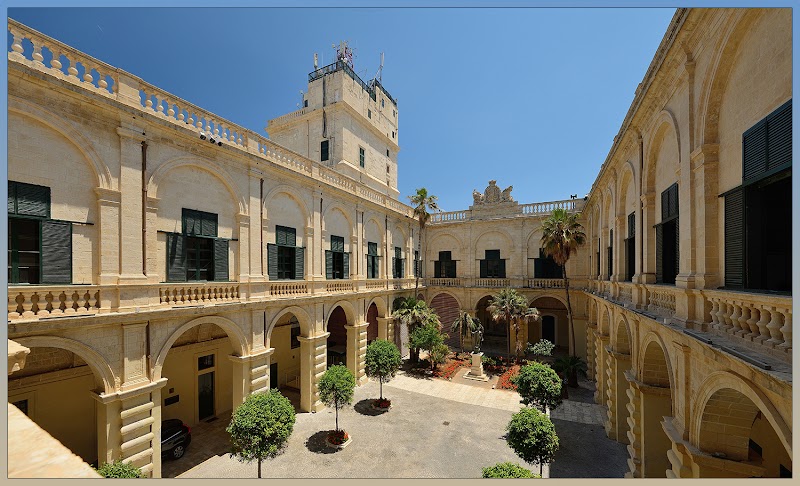
Grand Master’s Palace: Valletta’s seat of power
Ornate state rooms, working presidential offices and an extensive armoury make this one of Valletta’s most rewarding historical landmarks.
Malta · St. Paul's Bay
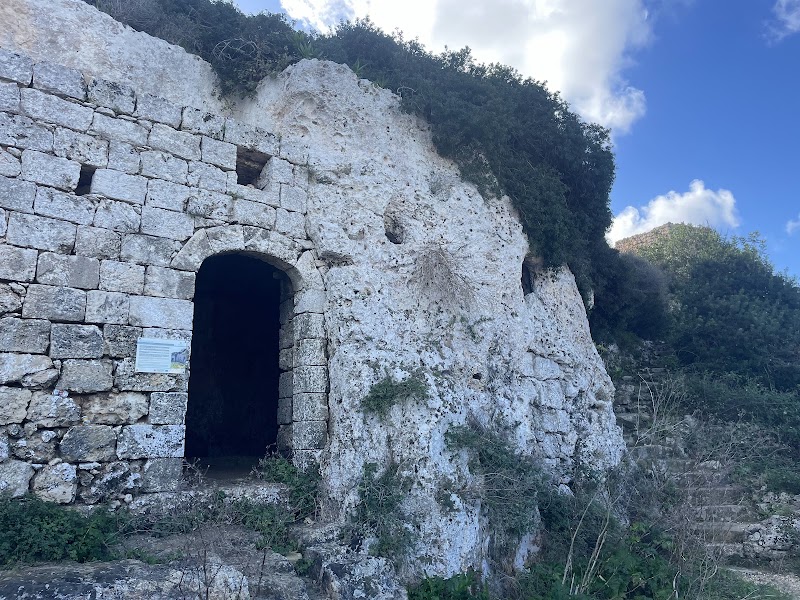
Roman Baths: Ancient Remains Beside Malta’s Cart Ruts
These remarkably intact baths reward careful-footed visitors with ancient structures, nearby cart ruts and an atmospheric approach.
Malta · Mdina
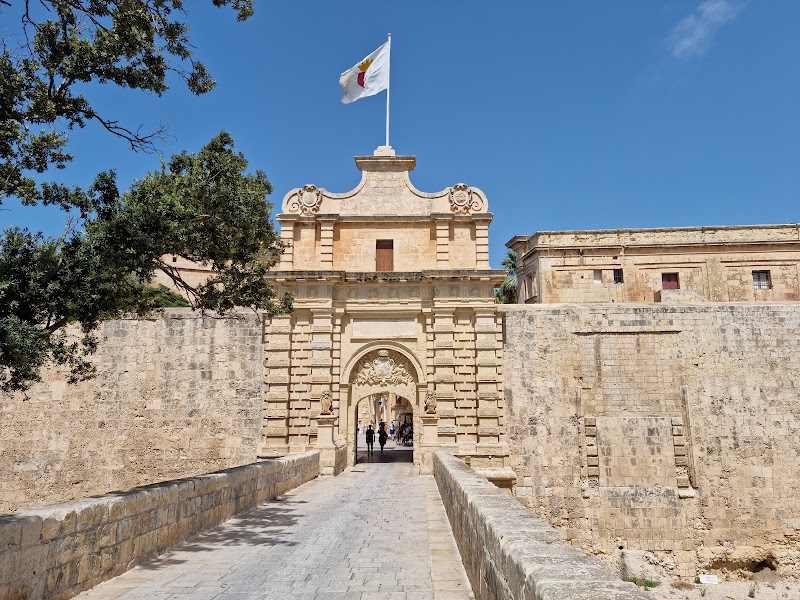
Mdina Gate: A Grand Entrance to Malta’s Silent City
Mdina’s monumental gateway sets the scene for medieval streets, historic architecture and one of Malta’s most atmospheric walks.