Sri Dalada Maligawa: Kandy’s Sacred Cultural Landmark
Public reviews describe Kandy’s Temple of the Tooth as a deeply spiritual landmark combining Buddhist devotion, royal history and fine craftsmanship.

More photos
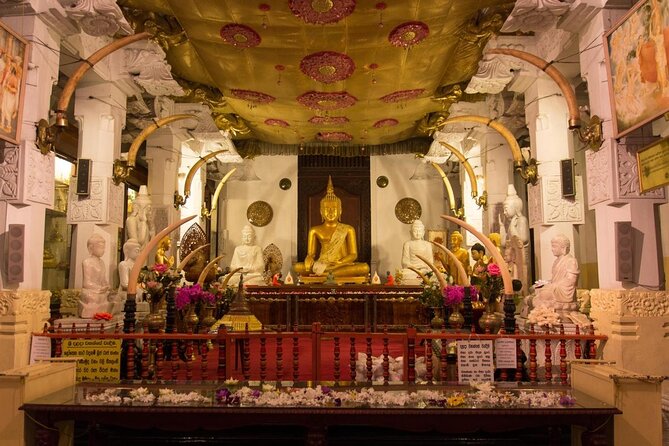
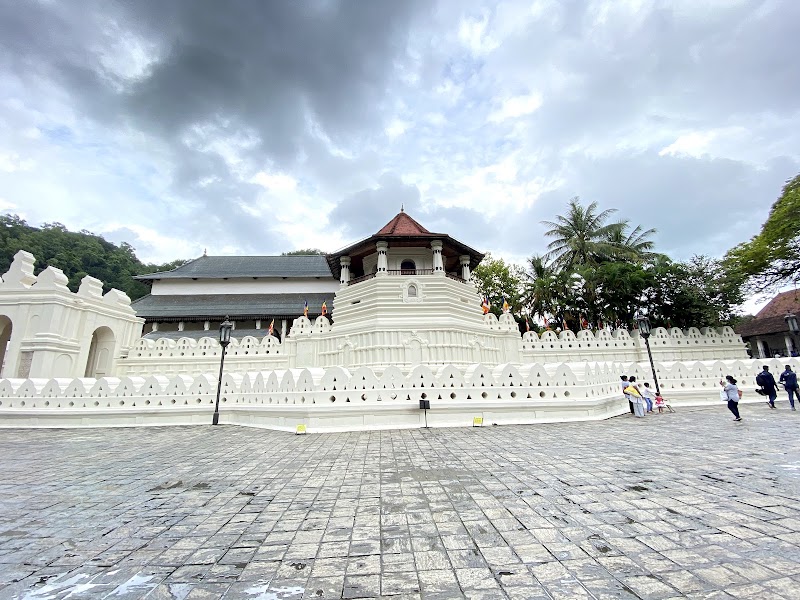
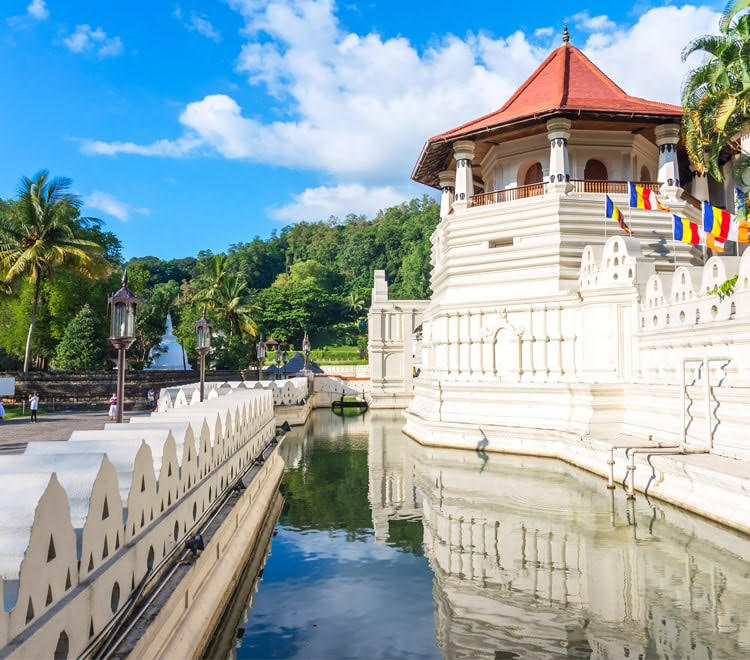
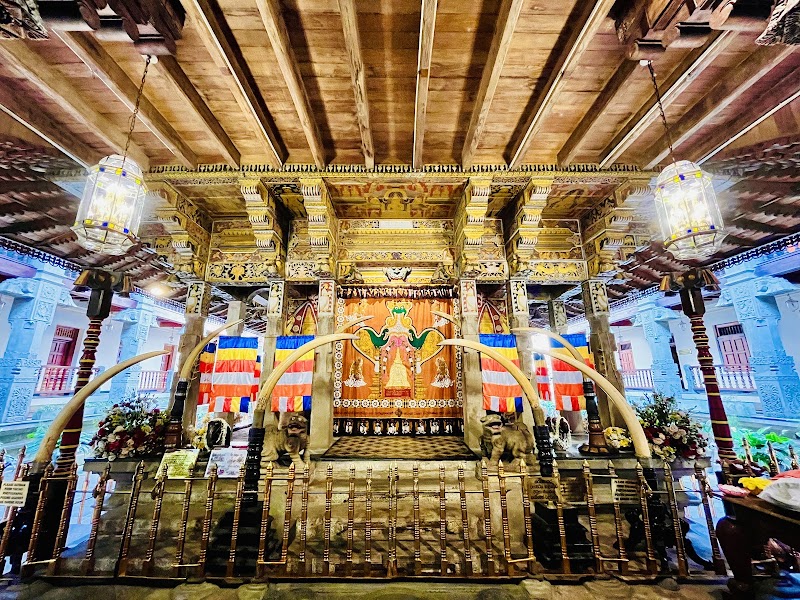
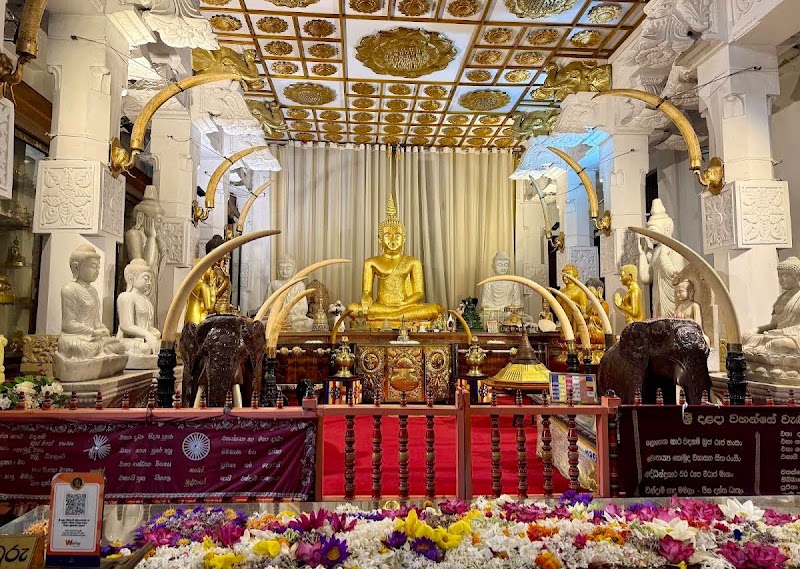
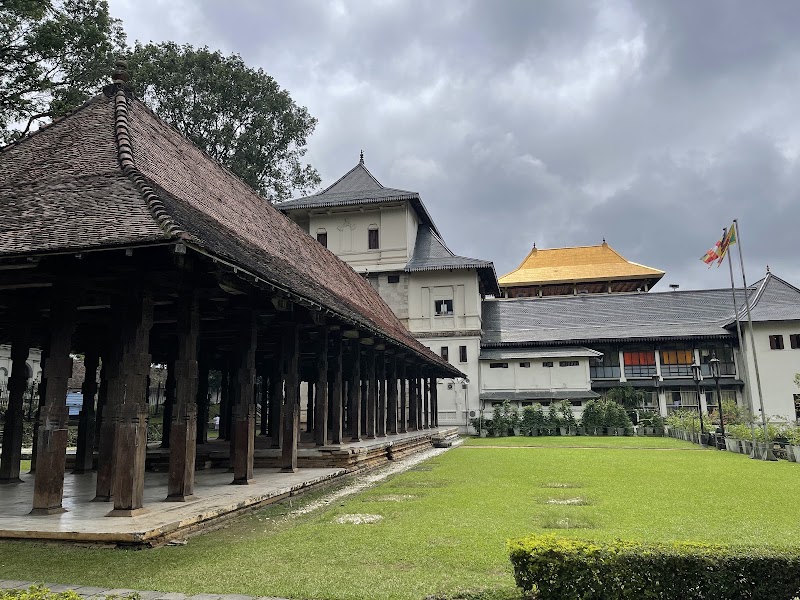
Photos published by travelers on Google, not AI generated.
What stands out
- Calm and spiritual atmosphere
- Traditional drumming and incense
- Historic craftsmanship and royal grandeur
- Well-maintained, organized complex
- Reflective approach beside Kandy Lake
Worth knowing
- Crowds during peak hours
- The Sacred Tooth Relic is not directly displayed
Don't miss
What comes up most in public reviews
- The Thevava ceremony
- The Sacred Tooth Relic shrine
- Historical displays and interior craftsmanship
Worth the trip?
A place of national significance
Sri Dalada Maligawa, better known as the Temple of the Sacred Tooth Relic, is both a major Kandy landmark and an active Buddhist place of worship. The assessment here is based on recurring themes in recent public feedback, together with its Google rating of 4.7 from 33073 reviews.
Few reviewers describe the temple as an ordinary sightseeing stop. Sri Lankan visitors often mention a deep emotional connection to the site, while international travellers commonly dwell on its importance to the country’s Buddhist heritage, culture and history. Worship centres on the Sacred Tooth Relic of the Buddha. The relic itself, as reviews frequently clarify, is kept within a secure inner shrine rather than placed on direct public display.
That distinction matters. Visitors arriving in expectation of a conventional museum exhibit may be surprised. Those interested in living religious traditions tend to find more in the experience.
Atmosphere and ceremonies
Peace, gratitude and devotion recur throughout the reviews. Lotus flowers, incense and the sound of traditional drumming shape the sensory experience, particularly during the Thevava ceremony. Public feedback suggests that watching this ritual is among the clearest ways to understand the temple as a functioning spiritual centre rather than simply a historical monument.
Even when visitor numbers are high, several reviewers find that the atmosphere remains calm. Devotees paying homage move through the complex alongside tourists exploring it. Busy, but highly organized and still ceremonial. The site’s cultural significance appears to register most strongly with visitors who already know something about the relic and its role in Sri Lankan Buddhist tradition.
Architecture, history and setting
The buildings and interiors receive substantial praise. Reviewers highlight ancient craftsmanship, historical relics and royal grandeur, while regularly commenting on how well the spaces are maintained. Together, these details offer context for Kandy’s former royal identity and the temple’s continuing national importance.
The approach beside Kandy Lake is also well regarded. Walking towards the Paththirippuwa entrance gives visitors a reflective introduction before they reach the busier interiors. Once inside, the decorative details and historical displays reward a measured visit. A hurried circuit does them fewer favours.
Cleanliness and organization are consistent strengths in public feedback. Reviewers repeatedly note that the complex is carefully maintained, despite handling large numbers of devotees and tourists with notable efficiency.
Editorial verdict
Sri Dalada Maligawa is best approached as a sacred site first and a visitor attraction second. Active worship and traditional ceremony are central to its appeal, alongside the architecture and historical meaning. Travellers drawn to Buddhism, Sri Lankan culture and places where heritage still forms part of daily life are likely to respond most strongly.
Crowds are the main recurring drawback, especially during ceremonies and peak periods. Even so, the overall balance of public feedback indicates that heavy attendance has not taken away the site’s spiritual character. Half a day allows time for the lakeside approach, temple interiors and historical displays, as well as the Thevava ceremony where timing permits.
Ask anything
Looking for somewhere else?
Keep exploring around Kandy
More from Sri Lanka

Sri Lanka · Dambulla
Dambulla Rock Inscription and the Wider Cave Complex
Strong reviews praise Dambulla’s caves, paintings and Buddha statues, though they offer little detail about the rock inscription itself.
Sri Lanka · Sigiriya
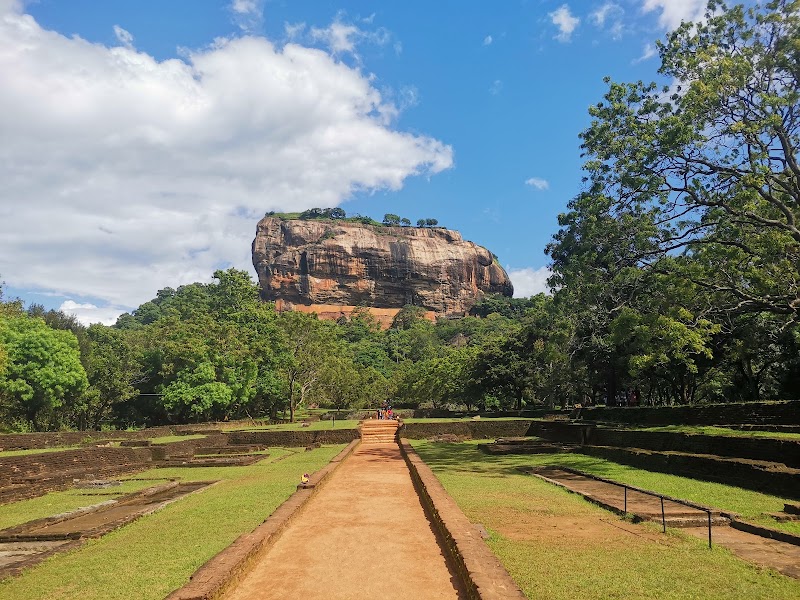
Preaching Rock: Elevated Views Across Sigiriya
Travellers praise the rewarding climb and broad views, while warning that heat, crowds and bottlenecks can complicate the experience.
Sri Lanka · Polonnaruwa
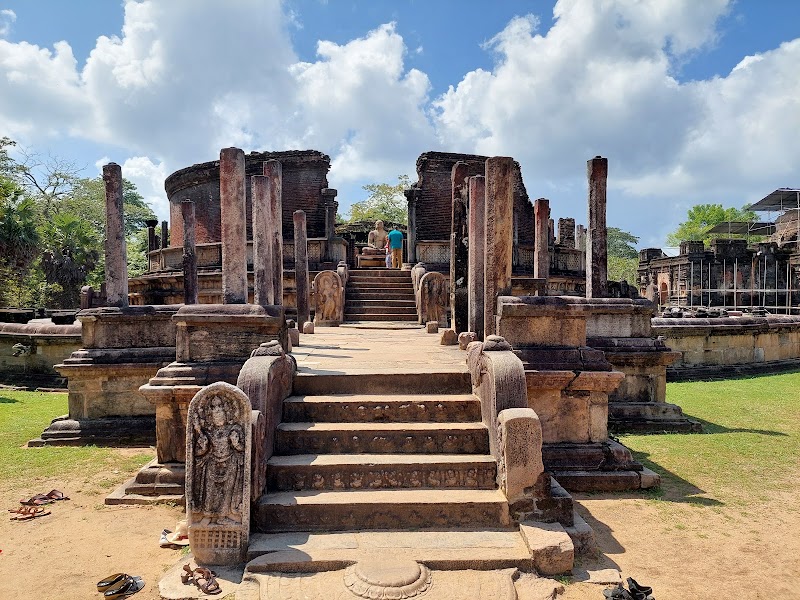
Vatadage: Polonnaruwa’s Refined Circular Relic House
Intricate carvings, balanced architecture and serene Buddha statues make the Vatadage a standout within Polonnaruwa’s ancient city.
Sri Lanka · Polonnaruwa
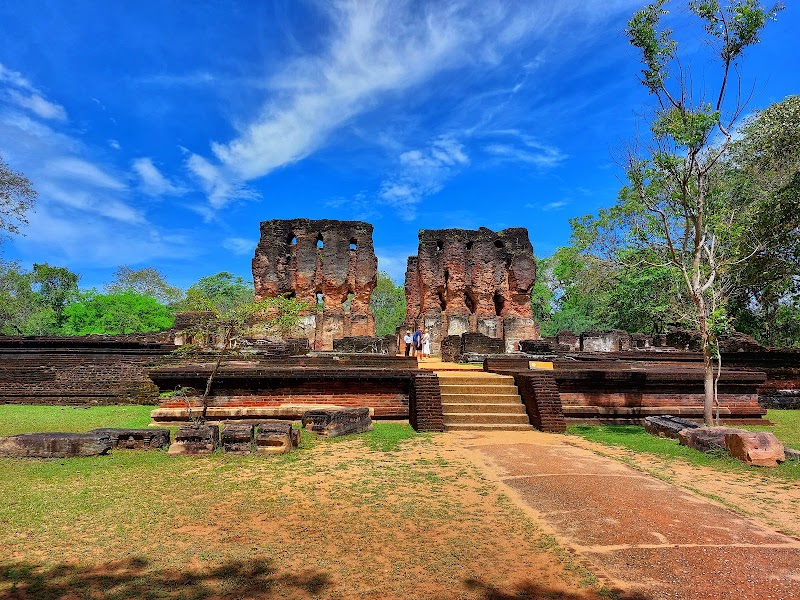
Royal Palace of King Parakramabahu: Monumental Ruins
Massive brick walls and traces of timber construction reveal the scale of this ancient royal complex in Polonnaruwa.