Speicherstadt: Hamburg’s red-brick warehouse quarter
Speicherstadt earns strong praise for its historic warehouses, narrow canals, bridges and some of Hamburg’s most atmospheric waterside views.

More photos

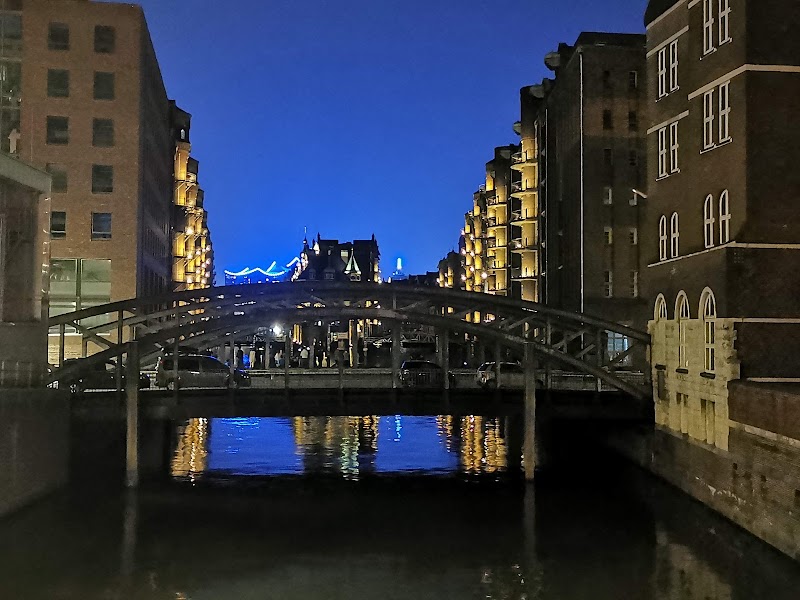
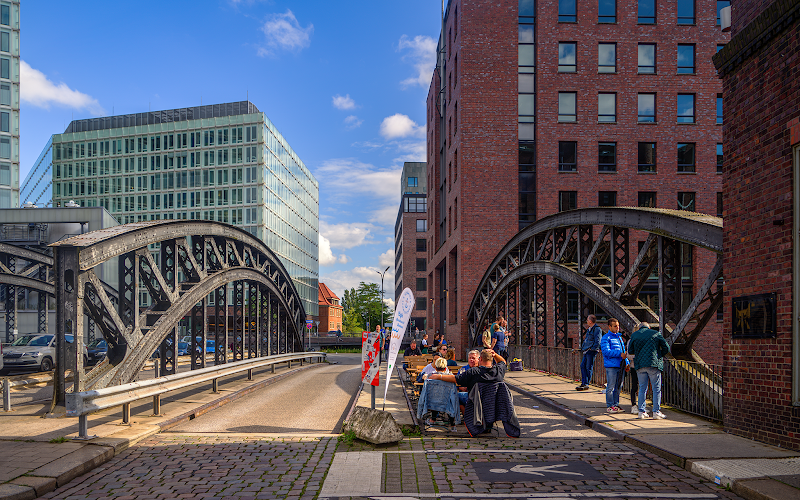
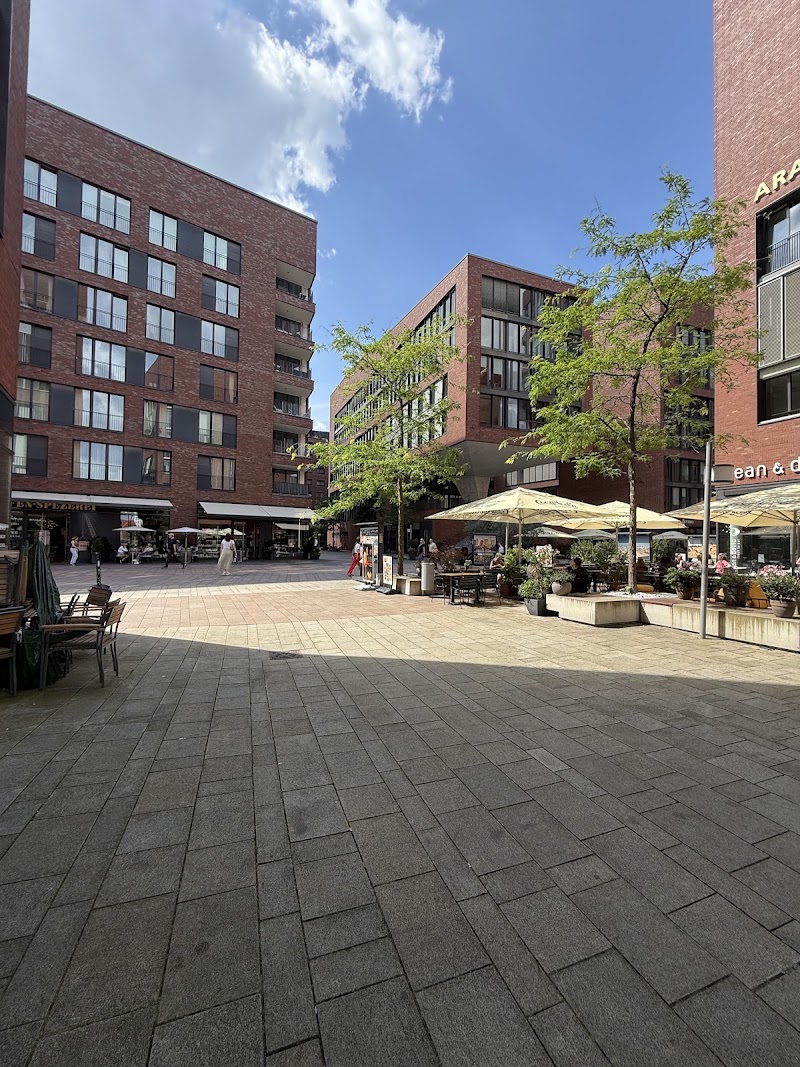
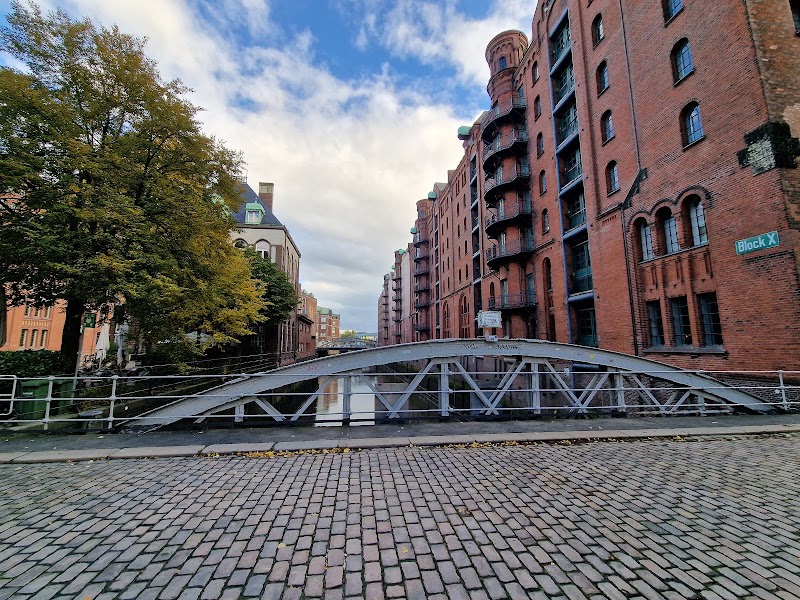

Photos published by travelers on Google, not AI generated.
What stands out
- Historic red-brick warehouses
- Narrow canals and bridges
- Reflections across the water
- Neo-Gothic architecture
- Oak timber-pile foundations
Worth knowing
- Winter conditions can feel very cold
- Most visitors may not need several hours
Don't miss
What comes up most in public reviews
- Red-brick warehouse façades
- Views from the canal bridges
- Warehouse reflections on the water
- Historic timber-pile construction
Worth the trip?
Why travellers rate Speicherstadt highly
Speicherstadt holds a 4.8 Google rating from 3028 reviews, with public feedback repeatedly focusing on atmosphere, architecture and photogenic waterside scenery. Travellers describe an extensive historic warehouse district defined by red-brick façades, narrow canals and bridges, rather than a conventional attraction with a single entrance or fixed route.
The area’s visual identity is its main draw. Reviewers frequently mention the imposing warehouse buildings, neo-Gothic details and reflections in the water. Several suggest that the district does not require hours of sightseeing, but that even a relatively short walk feels worthwhile. It works particularly well as a scenic part of a broader Hamburg itinerary.
Architecture, canals and history
The warehouse buildings are the feature most consistently praised. Public reviews highlight their red-brick construction and the unusual fact that the district stands on timber-pile foundations, specifically oak logs. Reviewers also identify Speicherstadt as the world’s largest historic warehouse district and note its UNESCO World Heritage status.
Dates cited in reviews place its construction from the late 19th century into the early 20th century, with one account giving a span of 1883 to 1927. That history gives the district more depth than a simple photo stop, although most comments concentrate on what can be appreciated from outside: repeated rows of warehouses, tight waterways and bridges linking the streets.
The combination creates a distinctive urban landscape. Rather than one dominant monument, Speicherstadt is experienced as a sequence of views, with the architecture changing according to the angle across each canal.
What the visit feels like
Reviewers tend to recommend Speicherstadt for an unhurried walk. The bridges provide especially popular viewpoints, while the canals create reflections that make the red-brick buildings particularly photogenic. One review calls the marked location itself the most picturesque spot, reinforcing the idea that the experience is as much about pausing for the view as covering the whole district.
The area appears to suit couples, photographers, architecture enthusiasts and first-time Hamburg visitors. It also appeals to travellers who prefer atmospheric neighbourhoods over attractions requiring a long indoor visit. The feedback suggests allowing enough time to wander and appreciate several perspectives, without treating Speicherstadt as an all-day destination.
When to go and practical cautions
Summer receives the clearest seasonal endorsement, with one traveller finding the district more beautiful in warmer weather and planning a return visit then. Winter can feel very cold beside the waterways. A reviewer mentions using a nearby coffee shop to warm up, though no specific venue is consistently recommended across the sample.
Good light should help with the canal reflections and architectural photography, but the reviews do not establish one definitive time of day. Overall, Speicherstadt’s appeal lies in a compact combination of industrial history, ornate brickwork and water views. Its exceptionally strong public rating reflects a place that is easy to appreciate without requiring a lengthy visit.
Ask anything
Looking for somewhere else?
Keep exploring around Hamburg
More from Germany
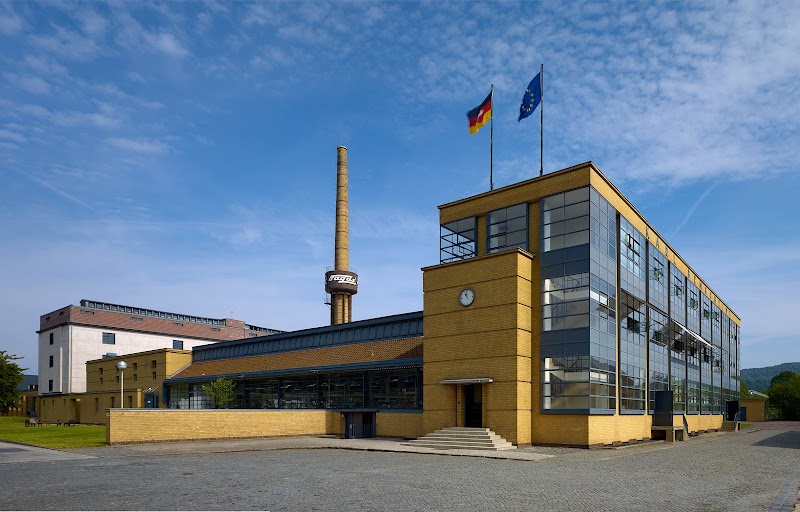
Germany · Alfeld (Leine)
Fagus-Werk: Modernist architecture inside a working factory
Walter Gropius’s pioneering factory complex pairs UNESCO-listed architecture with five floors of industrial and design history.
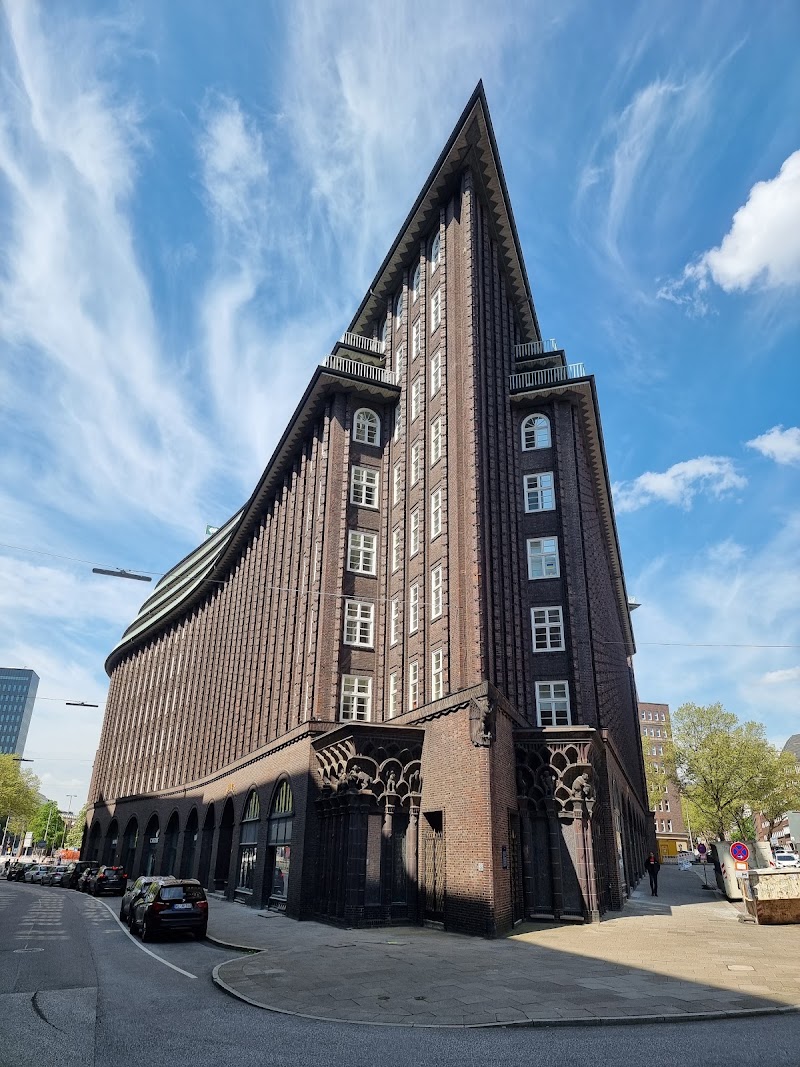
Germany · Hamburg
Chilehaus: Hamburg’s Ship-Shaped Brick Landmark
This 1924 office building rewards a slow circuit with sharp angles, elaborate brickwork and views into Hamburg’s architectural history.
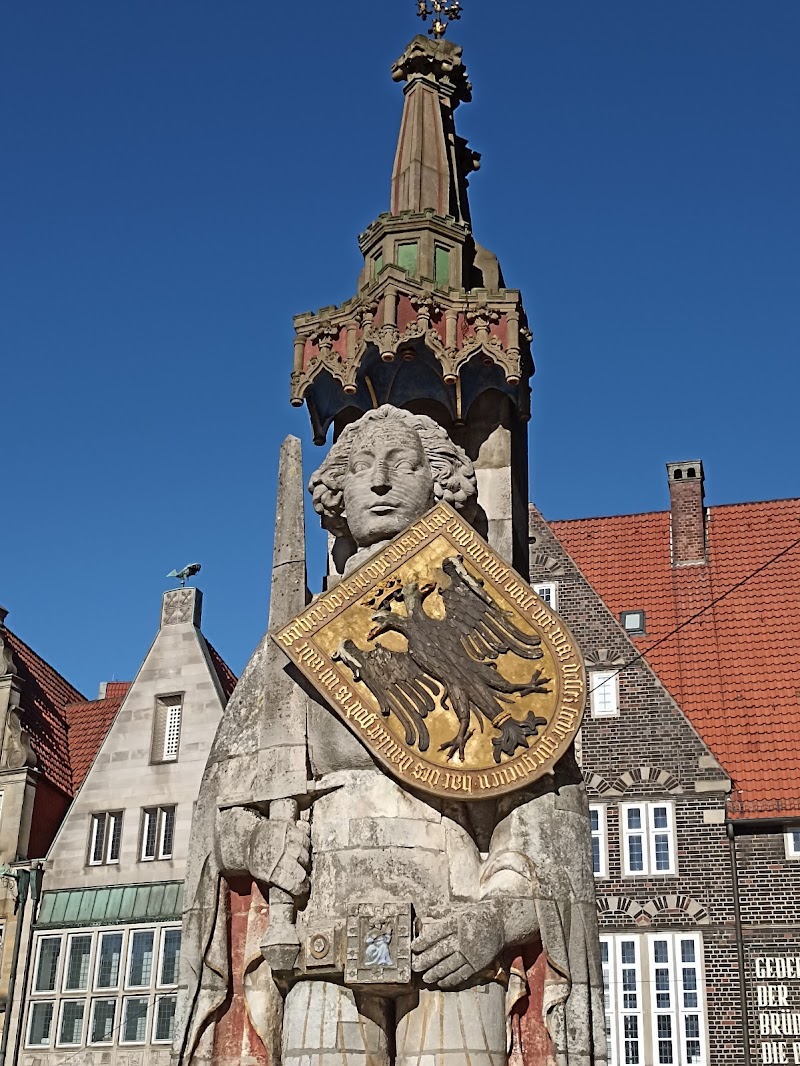
Germany · Bremen
Bremen Roland: A Symbol of Freedom on the Marktplatz
Bremen’s medieval Roland statue anchors an architectural ensemble that reviewers regard as an essential stop in the city’s historic centre.

Germany · Würzburg
Würzburg Residence: Grand Rooms and Restored Splendour
Lavish interiors, ambitious postwar restoration and formal gardens make this palace one of Würzburg’s most rewarding landmarks.